1. ArchDaily
  2. In Partnership: Urban Planners

In Partnership: Urban Planners: The Latest Architecture and News

The Main Problems in Landscape Design — And How to Avoid Them

Subscriber Access | 

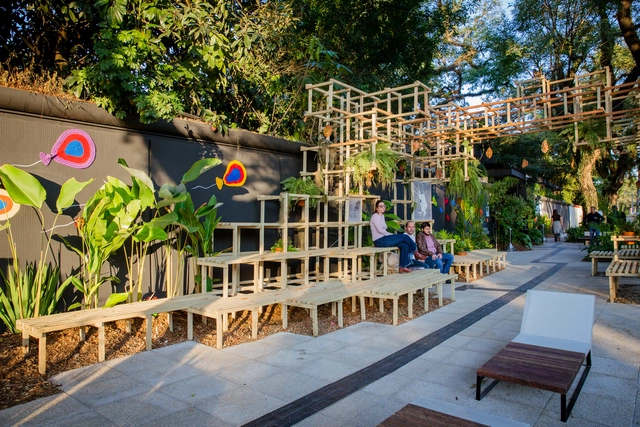
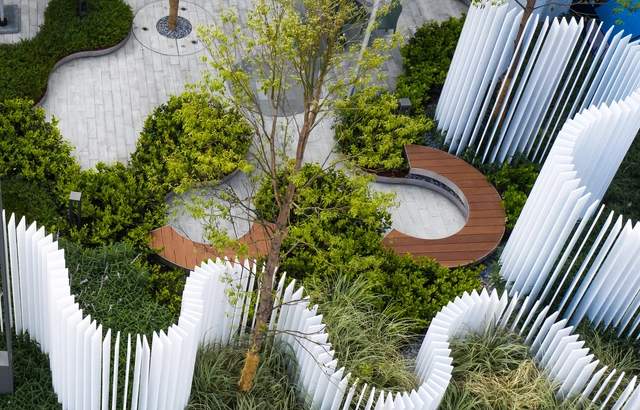
Far beyond its decorative features, landscaping brings with it biological and cultural issues that need to be addressed in projects. However, what can be seen in most public, residential, condominium, commercial and business gardens is a series of approaches that distance landscaping from all its attributes, reducing it to a decorative layer in the construction. Next, we have put together strategies to avoid the main problems of landscape design, joining aesthetics with its environmental and cultural possibilities.

The Main Problems in Landscape Design — And How to Avoid Them - Image 1 of 4The Main Problems in Landscape Design — And How to Avoid Them - Image 2 of 4The Main Problems in Landscape Design — And How to Avoid Them - Image 3 of 4The Main Problems in Landscape Design — And How to Avoid Them - Image 4 of 4The Main Problems in Landscape Design — And How to Avoid Them - More Images+ 1

How to Design a Sidewalk? The Key Role of Street Furniture

Subscriber Access | 

If the pavement of a sidewalk is a key element for the flow organization, the urban furniture chosen to compose the public space is responsible for the qualification of the place, creating more friendly spaces. Dumpsters, flowerbeds, signposts, benches, lighting, bike racks and so many others help transform a space that, despite being just a pass-through, is also the only public space in most cities.

How to Design a Sidewalk? The Key Role of Street Furniture - Image 1 of 4How to Design a Sidewalk? The Key Role of Street Furniture - Image 2 of 4How to Design a Sidewalk? The Key Role of Street Furniture - Image 3 of 4How to Design a Sidewalk? The Key Role of Street Furniture - Image 4 of 4How to Design a Sidewalk? The Key Role of Street Furniture - More Images+ 2

How Copenhagen is Designed for Delight

Subscriber Access | 

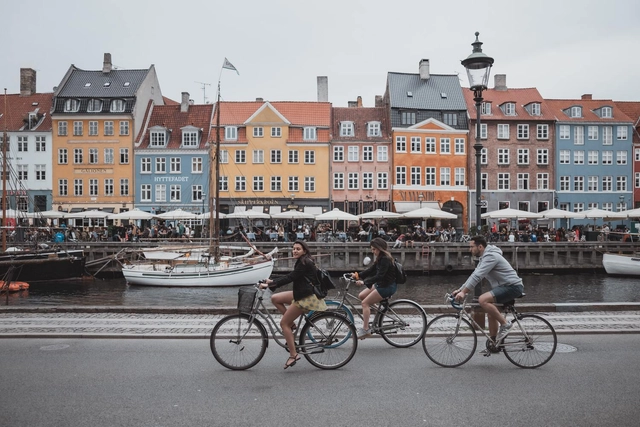
According to the World Happiness Report, Denmark has continually topped the survey of happiest countries for years. Copenhagen, the capital of Denmark, is known for its brightly colored waterfront buildings and radical contemporary architecture, both reflecting the joyful ethos of the city. The maritime metropolis is an urban designer’s favorite case study with its carbon-neutral infrastructure, pedestrian and bike-friendliness, and thriving public realm. Danish designers have cracked the code to build happier cities, leaving plenty of models to learn from.

How Copenhagen is Designed for Delight  - Image 1 of 4How Copenhagen is Designed for Delight  - Image 2 of 4How Copenhagen is Designed for Delight  - Image 3 of 4How Copenhagen is Designed for Delight  - Image 4 of 4How Copenhagen is Designed for Delight  - More Images+ 7

Parks and Squares: 20 Public Space Designs

Subscriber Access | 
Parks and Squares: 20 Public Space Designs - Featured Image
Henning G. Kruses Plads / BIG. Photo: © Rasmus Hjortshøj

Parks and Squares: 20 Public Space Designs - Image 1 of 4Parks and Squares: 20 Public Space Designs - Image 2 of 4Parks and Squares: 20 Public Space Designs - Image 3 of 4Parks and Squares: 20 Public Space Designs - Image 4 of 4Parks and Squares: 20 Public Space Designs - More Images+ 55

Designing a public space means contemplating the aspects of everyday life in the city. Creating places for gatherings, conflicts, demonstrations, relaxation, and enjoyment. These spaces can be used in many different ways, depending on who interacts with them, and one of the main roles of those who design them is to expand these possibilities and sensations. Including plants, benches, sports facilities, spaces for culture, arts, and performances, conservation areas, or any other element that stands out, is essential to improve the quality of life of the citizens who enjoy these squares and parks.

ArchDaily Professionals: Highlighting the Best Collaborators Involved in the Best Architecture

Subscriber Access | 

After over a decade curating the best architecture, at ArchDaily we know that no one builds alone. Shaping our built environment demands close collaborations and partnerships between architects, designers, and hundreds of other professionals committed to each project. This is why it is time to recognize and highlight the best collaborators responsible for delivering the best architecture, while we continue delivering valuable knowledge related to the different disciplines within our community.

ArchDaily Professionals is an initiative that focuses on all of the collaborators involved in the architecture and construction process, who participated and are credited in the projects we curate.

Landscaping on an Urban Scale: 12 Linear Park Projects

Subscriber Access | 

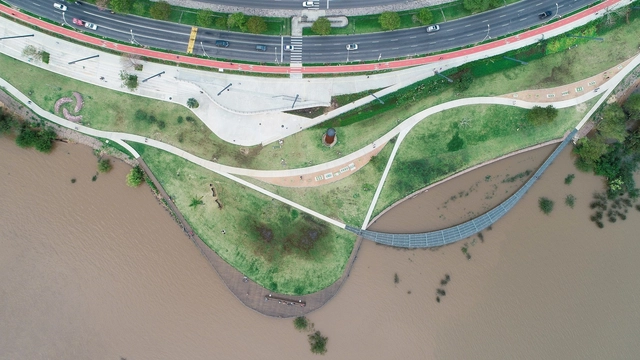
Linear parks exist in many different contexts - along riversides, coastal areas, or inserted in the urban fabric - and represent a very particular type of public space that evokes the idea of a vector and, consequently, the sense of movement. However, they can provide more than just activities and programs associated with mobility, proving to be an appealing solution to the lack of spaces for leisure, contemplation, and relaxation in the most varied urban situations.

Below, we have gathered 12 examples of linear parks built in different parts of the world, illustrated by photographs and floor plans.

Landscaping on an Urban Scale: 12 Linear Park Projects - Image 1 of 4Landscaping on an Urban Scale: 12 Linear Park Projects - Image 2 of 4Landscaping on an Urban Scale: 12 Linear Park Projects - Image 3 of 4Landscaping on an Urban Scale: 12 Linear Park Projects - Image 4 of 4Landscaping on an Urban Scale: 12 Linear Park Projects - More Images+ 21

Revitalized Public Spaces: Fostering Human Connections in Cities

Revitalized Public Spaces: Fostering Human Connections in Cities  - Image 1 of 4Revitalized Public Spaces: Fostering Human Connections in Cities  - Image 2 of 4Revitalized Public Spaces: Fostering Human Connections in Cities  - Image 3 of 4Revitalized Public Spaces: Fostering Human Connections in Cities  - Image 4 of 4Revitalized Public Spaces: Fostering Human Connections in Cities  - More Images+ 25

Public space has always been a top priority in every city’s urban planning agenda and given today’s world context, these urban spaces have emerged as fundamental elements of cities and neighborhoods. Plazas, squares, and parks, undeniable necessities in the urban fabric, have become, today, more vital than ever.