More than a Classroom: The Multifunctionality of Educational Spaces in Global South Communities

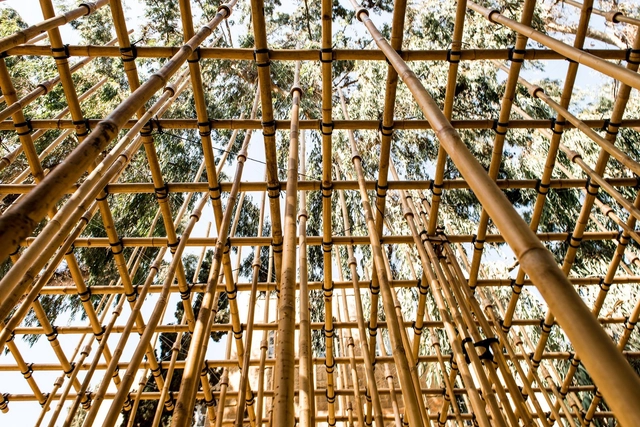
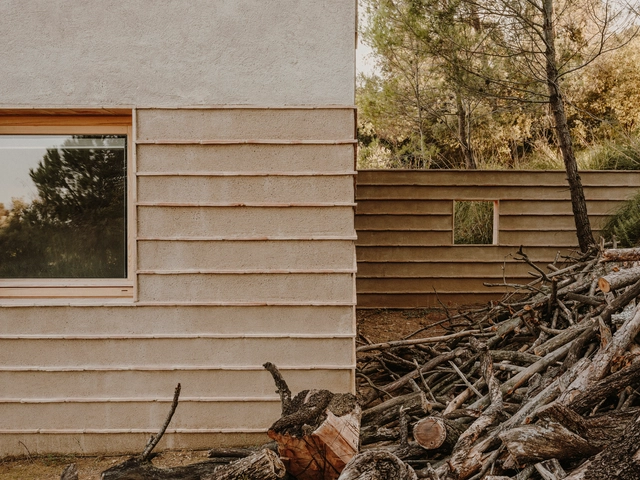
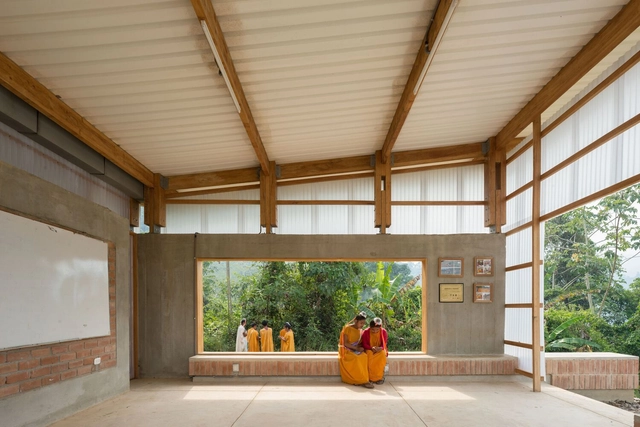
Educational infrastructure is key to any community. The better the quality of these spaces, the better the learning experience for those who use them. However, these facilities often serve a much broader purpose than just education. In Global South communities, in countries like Peru or Vietnam, where a significant portion of the population lives in rural areas far from urban centers, there are few educational spaces and a lack of places where the entire community—not just the students—can come together.
An Architecture of Mixed Ancestry: The Work of Taller Síntesis and Its Dialogue with Colombia's Diverse Territory

Subscriber Access | 

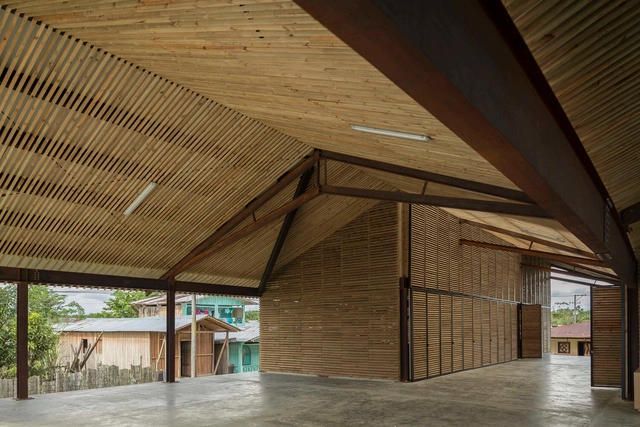
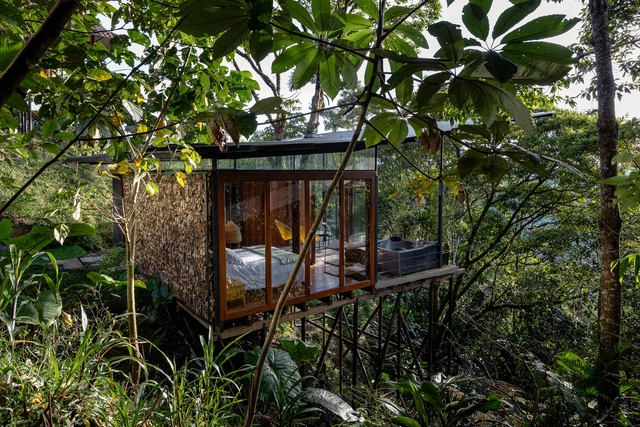
A change in the way architecture was practiced in Colombia was necessary, and Taller Síntesis emerged to materialize this transformation. The studio combines a deep understanding of the territory and its context with architectural solutions that translate into materiality and built spaces. Their works stand out for their strong local cultural identity, achieving a precise balance between the preexisting, the new, and harmony with the landscape.

Residential Architecture in Ecuador: 8 Contemporary House Projects That Respect Their Natural Surroundings

Subscriber Access | 

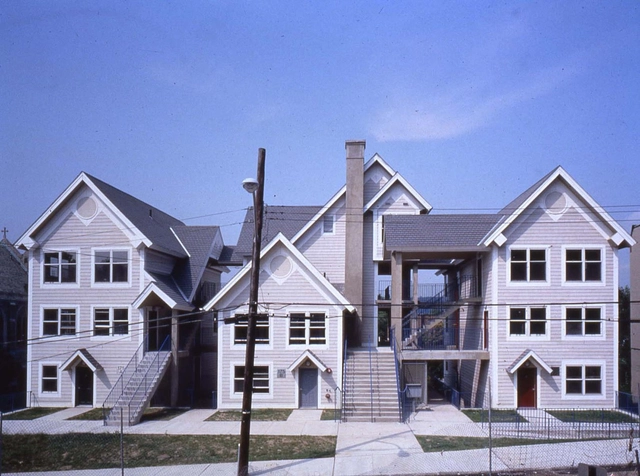
Ecuador, though a relatively small country in terms of land area, boasts a vast and diverse range of ecosystems and natural landscapes, including the Andes mountains, the Pacific coastline, and the Amazon rainforest. This makes the natural environment a key player, shaping its relationship with the built environment and demanding that architecture seamlessly integrate with and respect its context.

The 50 Best Latin American Houses of 2024

Annually, ArchDaily's curatorial team undertakes a rigorous selection process to identify exemplary projects in Latin American residential architecture. The goal is to share these works of architecture with our audience and highlight and promote good practices within contemporary architecture. This meticulous effort focuses on identifying projects that stand out for their design and their positive impact on the environment, innovative use of materials and techniques, and ability to address current needs.

An Architectural System for the Transformation of Public Space: Discover the Work of Colectivo C733 in Mexico

Subscriber Access | 

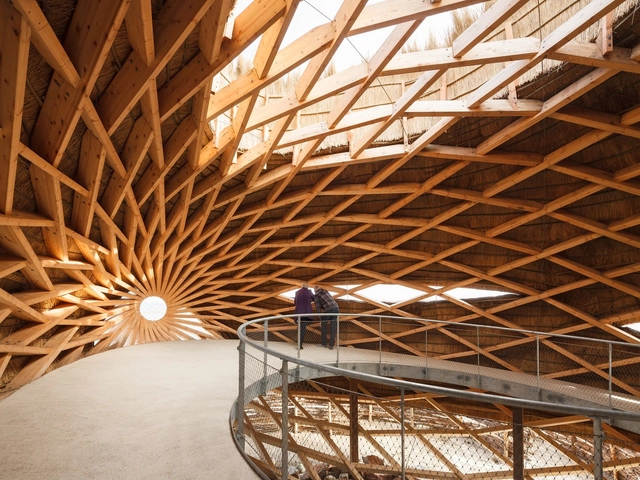
In 2019, the Secretariat of Urban Development hired the Faculty of Architecture at the National Autonomous University of Mexico to organize a competition to develop small-scale public works in vulnerable regions of northern Mexico. At that time, architects from the mentioned university—Gabriela Carrillo, Carlos Facio, José Amozurrutia, Eric Valdez, and Israel Espín—came together to participate in their proposal for this challenge. Believing in the importance of forming a team and understanding that architecture emerges from moments of collective discussion, exchange of ideas and positions, and sharing knowledge and experience, they formed the architectural collective C733.

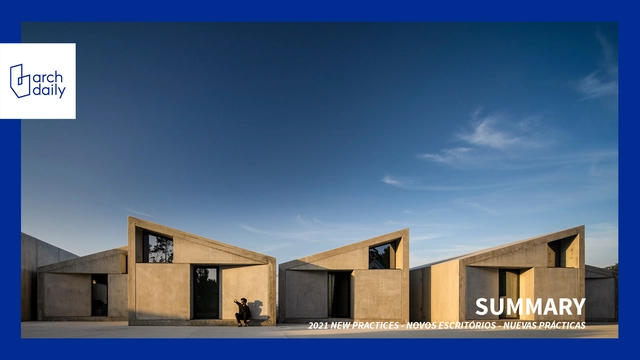
"Traditional Construction Is Doomed To Disappear:" Interview With the Portuguese Office Summary

Contemporary challenges and developments in technology inevitably trigger changes in the way we design and build our cities. SUMMARY, one of ArchDaily's Best New Practices of 2021, is a Portuguese architecture studio focused on the development of prefabricated and modular building systems. Striking a balance between pragmatism and experimentalism, the firm develops prefabricated solutions in order to respond to a driving challenge of contemporary architecture—to speed up and simplify the construction process. Founded in 2015 by the architect Samuel Gonçalves, a graduate of the School of Architecture of the University of Porto, the studio has presented at prominent events such as the 2016 Venice Biennale. We talked with Samuel about the firm's practical experience in prefabrication and modulation, as well as their experiments and forays into research.

Local Can Be Universal

In the 14th century, Geoffrey Chaucer wrote “Familiarity breeds contempt”. By definition “local” is “familiar”. Why are humans so thrilled to go beyond the familiar, the local, and reach for what is new, universal, and salvational? The word “local” has the weight of true value, like “density” or “sustainable” But the lure of connection between all humans is powerfully seductive, and that desire to connect almost always falls short of our hopes.  

Can Vernacular Architecture Be Exoticized?

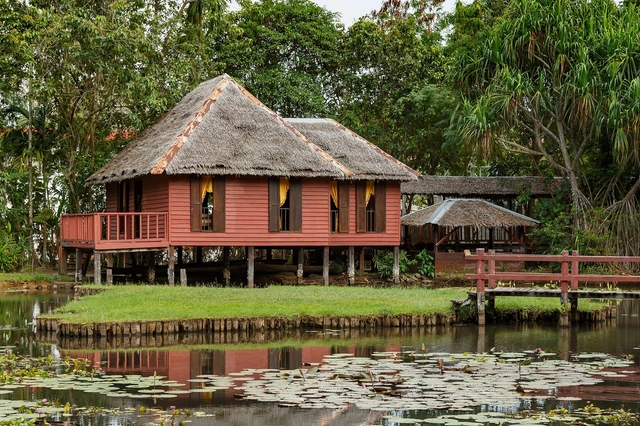
When we talk about vernacular architecture, we’re talking about an architectural style specific to a region – architecture that relies on the use of local knowledge and materials to construct buildings. It’s the Beehive Houses of Harran in Turkey, to the traditional Malay Houses found throughout southeast Asia. The vernacular architecture of various places continues to be a source of inspiration for contemporary architects, as they look to create sustainable architectural responses well-suited for their context.

6 Thoughts On Materials and Construction: Decisions That Improve People's Quality Of Life

Subscriber Access | 

Materials, products, and construction systems are constantly evolving and following new technologies, discoveries, and market trends. The question is: are we, as architects, evolving with them? We have heard about robots working on construction sites, responsive and intelligent materials and the continued rise of 3D printing, but is it all white noise at the moment of starting a new design? More importantly, could these new systems continue to progress without sensitively and effectively taking people's quality of life into account?