1. ArchDaily
  2. Human Scale

Human Scale: The Latest Architecture and News

Explore the Potential of the Human Figure in Architectural Representation

Explore the Potential of the Human Figure in Architectural Representation - Featured Image
© Frances Edith Cooper

Explore the Potential of the Human Figure in Architectural Representation - Image 1 of 4Explore the Potential of the Human Figure in Architectural Representation - Image 2 of 4Explore the Potential of the Human Figure in Architectural Representation - Image 3 of 4Explore the Potential of the Human Figure in Architectural Representation - Image 4 of 4Explore the Potential of the Human Figure in Architectural Representation - More Images+ 19

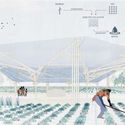
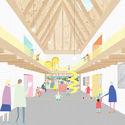
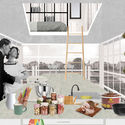
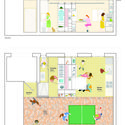
The human figure is fundamental in order to understand scale in illustrations, hyper-realistic renders, collages and three-dimensional representations. However, it often seems to be one of the last elements to be incorporated, when it should be a thoughtful decision, intrinsically related to the project. What do human figures transmit beyond the scale of a project?

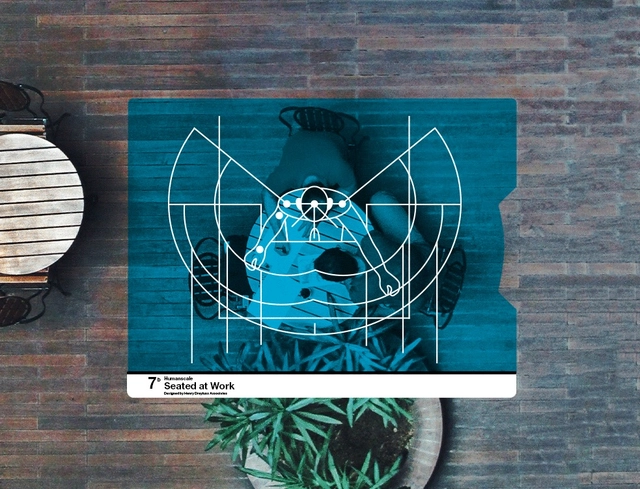
Humanscale's Ergonomic Design Templates Are the Ultimate Architect's Tool

Put away the Neufert manual and pixelated Internet searches, because scaling people just got a whole lot easier. The Chicago-based design consultancy IA Collaborative has launched a Kickstarter campaign for the reissue of Humanscale – a set of ergonomic design templates that contain over 60,000 measurements adjusted to humans of all ages, sizes and, yes, even situations.

Humanscale's Ergonomic Design Templates Are the Ultimate Architect's Tool - Image 1 of 4Humanscale's Ergonomic Design Templates Are the Ultimate Architect's Tool - Image 2 of 4Humanscale's Ergonomic Design Templates Are the Ultimate Architect's Tool - Image 3 of 4Humanscale's Ergonomic Design Templates Are the Ultimate Architect's Tool - Image 4 of 4Humanscale's Ergonomic Design Templates Are the Ultimate Architect's Tool - More Images+ 19

The Importance of Human Scale When Sketching

Subscriber Access | 

I prefer drawing to talking. Drawing is faster, and leaves less room for lies. (Le Corbusier)

Even with the evolution of technology and the popularization of advanced computer programs, most architecture projects still begin with a blank sheet of paper and the casual strokes of a pen. Rather than simply representing a project, the sketch allows us to examine the project, understand the landscape or topography, or communicate an idea to another team member or even the client. Its main purpose, however, is to stimulate the creative process and overcome the fear of blank paper. Sketches are usually made with imprecise, overlapping, ambiguous strokes, accompanied by annotations, arrows, and lack great technical accuracy and graphic refinement.