Structural components can be the main stars in architectural projects, contributing to the understanding of how the building's intrinsic forces are organized and distributed. Cables are constantly being used to steal the scene: they subvert the logic of supporting structures and build stable systems using tension, creating both a sense of strength and lightness in the building.
This kind of element is found in buildings of many different sizes, ranging from the steel cables of large and majestic suspension bridges to the cables on residential roofs. We have picked a series of Brazilian houses that benefit from this delicate and powerful structural component in different ways, showing the versatility of its potential applications.
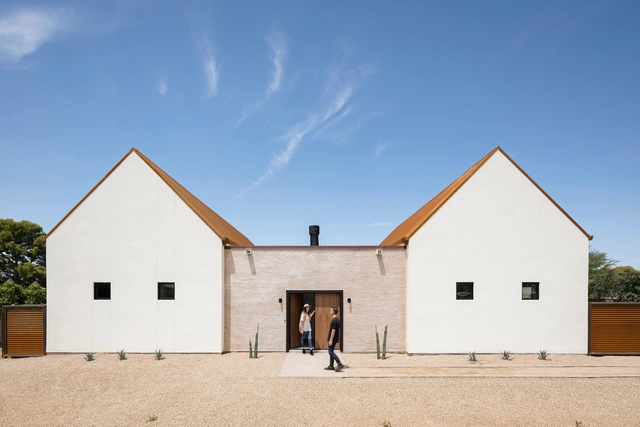
Arizona is located in the western region of the United States. It has geographical borders with Utah, Colorado, and New Mexico, in the United States, as well as with Sonora in Mexico. The state is also situated on the Sierra Madre Occidental and is home to a segment of the Colorado River, as well as the Grand Canyon. Part of Aridoamerica, Arizona's landscape is composed, in its majority, of Cactaceae and desert species.
The issue of the housing deficit plagues virtually all countries today. According to a study by the McKinsey Global Institute, 330 million urban families worldwide lack decent housing, or housing costs are so heavy that they need to forgo other basic needs such as food, heath care, and education for children. According to the WRI (World Resources Institute), it is estimated that 1.6 billion people will lack adequate housing by the year 2025.
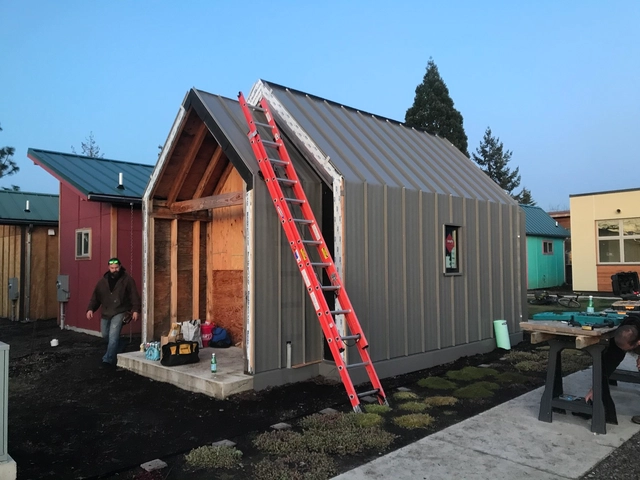
Solving this problem is, understandably, complex. Having good housing means much more than simply having a roof over your head. Good housing is essential for physical and financial security, economic productivity, and human well-being. In addition to adequate comfort, it is essential that these houses are integrated with the city, jobs, infrastructure, and city services. For people living on the street, this issue is even more delicate. Among many other necessities, having a place to structure a life is essential to moving forward and prospering. One project that confronts this issue is Emerald Village Eugene (EVE), an affordable micro-housing community with a unique housing model structured to enable residents to transition from the streets.
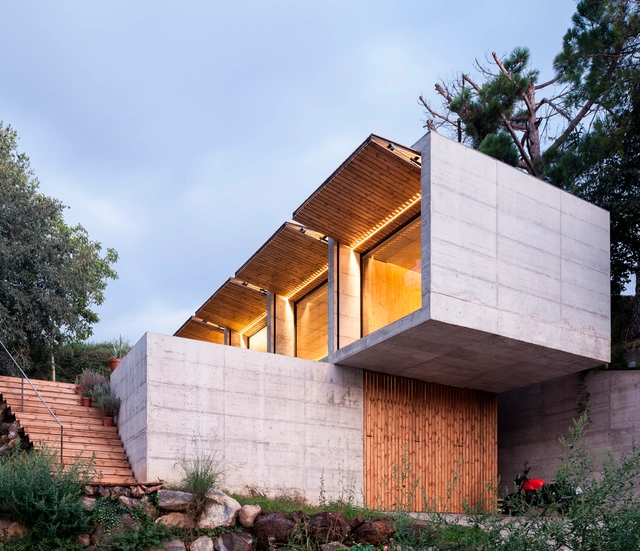
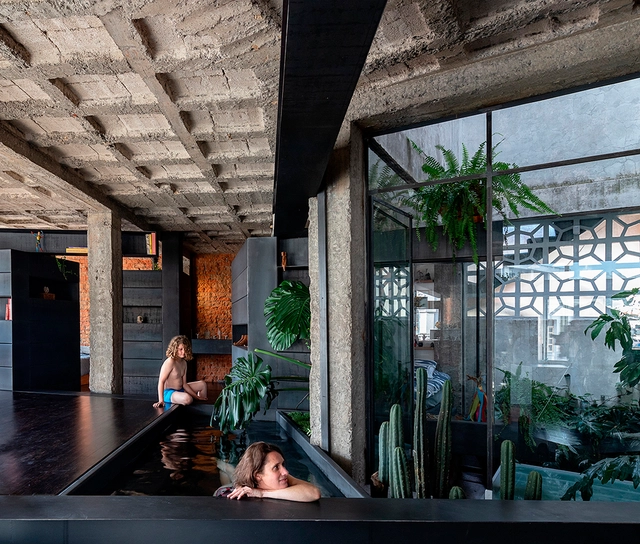
With its wide range of applications and cosmetic properties, concrete is having a moment in the world of architecture. Today, thanks to the ever-moving stream of innovation in concrete production and application, optimal results are now the norm rather than the exception. For architects and builders alike, concrete is an opportunity to explore and experiment with tones and textures, ensuring that there is something for every design and project.
Brick is one of the most widely used materials in Colombia, making the architectural designs in its capital city, Bogotá, stand out worldwide. Due to the excellent quality of the clay found in some regions of the country, brick is used in all aspects of construction, from adobe floor slabs to exterior facades.
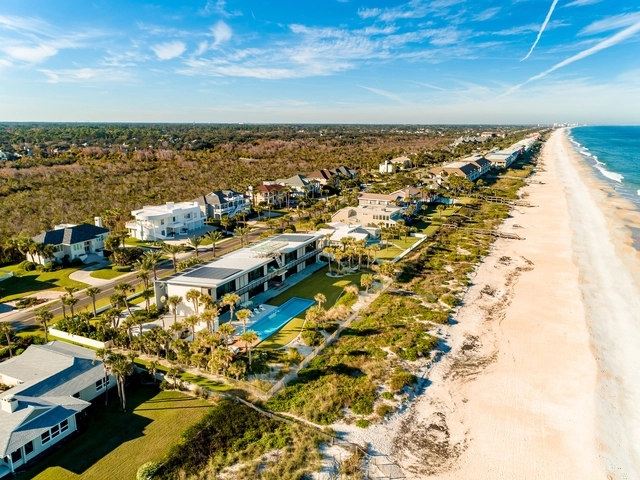
Located in the southern region of the United States, the state of Florida is one of the most populous states and the 22nd largest. The state hosts some of the most populated areas in the country, such as Jacksonville and the Miami Metropolitan Area.
It's no secret that concrete has one of the highest CO2 emissions of all building materials, making it a focal point for architects looking to innovate and experiment with it as a way to optimize its production and application in construction while decreasing its environmental impact. This exploration of elements such as concrete's thermal inertia, which could serve to make buildings more energy efficient, as well as its durability, which guarantees a long-lasting, zero- maintenance structure even in the most extreme of climates. The ultimate goal is to create luminous living spaces with natural ventilation while simultaneously exploring the possibility of reusing frameworks as a way of cutting costs and streamlining the building process.












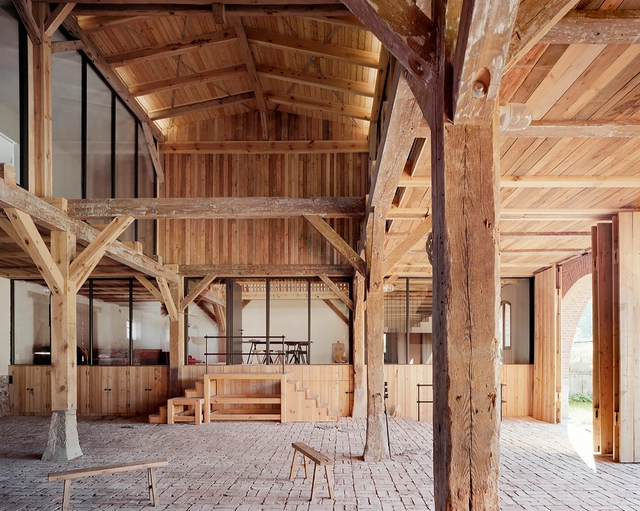



![Town House in Antwerp / Sculp[IT] - Extension, Facade, Door](https://snoopy.archdaily.com/images/archdaily/media/images/5584/2768/e58e/ce09/c200/0117/slideshow/sculp(IT)-Lalo-002web.jpg?1434724194&format=webp&width=640&height=580)
![Town House in Antwerp / Sculp[IT] - Extension, Kitchen, Facade, Beam, Table, Chair](https://images.adsttc.com/media/images/5584/280c/e58e/ce09/c200/011d/thumb_jpg/sculp(IT)-Lalo-036web.jpg?1434724357 "© Luc Roymans")
![Town House in Antwerp / Sculp[IT] - Extension, Door, Table](https://images.adsttc.com/media/images/5584/27e0/e58e/ce17/3700/0119/thumb_jpg/sculp(IT)-Lalo-025web.jpg?1434724313 "© Luc Roymans")
![Town House in Antwerp / Sculp[IT] - Extension, Facade, Handrail, Beam, Stairs](https://images.adsttc.com/media/images/5584/27e9/e58e/ce09/c200/011c/thumb_jpg/sculp(IT)-Lalo-027web.jpg?1434724323 "© Luc Roymans")
![Town House in Antwerp / Sculp[IT] - Extension, Garden, Door, Facade, Stairs, Handrail, Chair](https://images.adsttc.com/media/images/5584/2796/e58e/ce09/c200/0119/thumb_jpg/sculp(IT)-Lalo-012web.jpg?1434724240 "© Luc Roymans")
![Town House in Antwerp / Sculp[IT] - More Images](https://images.adsttc.com/media/images/5584/2768/e58e/ce09/c200/0117/medium_jpg/sculp(IT)-Lalo-002web.jpg?1434724194)













.jpg?1427073359 "© Leonardo Finotti")
.jpg?1427073543 "© Leonardo Finotti")
.jpg?1427073484 "© Leonardo Finotti")
.jpg?1427073422 "© Leonardo Finotti")