ELEMENTAL, Herzog & de Meuron, Office for Metropolitan Architecture (OMA), Philippe Starck, and UNStudio are just a few of the internationally renowned architectural firms working with Qatar Museums to establish five new cultural facilities in Qatar. The new constructions will be overseen by Qatar Museums, tasked with maintaining and expanding Qatar's cultural assets through managing the nation's expanding network of museums, heritage sites, festivals, and public art installations.
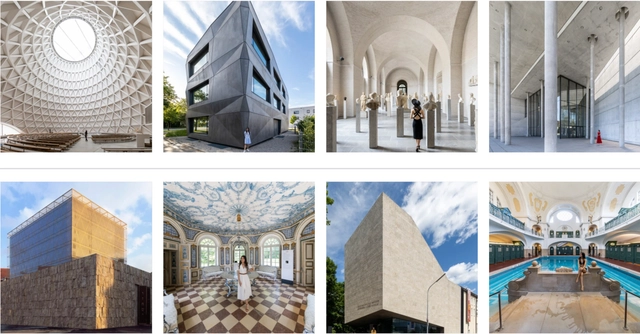
Munich – Bavaria’s capital since 1506 – is a city with layers and layers of history. Its many years as a rising architectural epicenter have left an interesting and unique mix of buildings. From Middle Age churches and cathedrals to contemporary synagogues. From skyscrapers to small pavilions. Brutalism to Art Nouveau. Munich’s architecture is truly extensive and marvelous.
Though not acknowledging Munich’s beer wonders would be wrong, the only mention of this substance would be in the stunning buildings (like the new Paulaner HQ by Hierl Architekten) that contain them. Yes, other aspects of the city are grandiose, but let’s focus on Munich’s top attraction: its architecture.
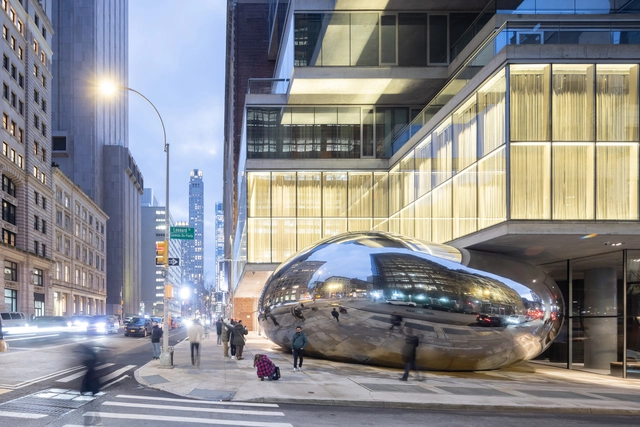
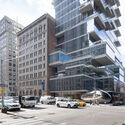
On January 31st, construction scaffolding and barriers were disassembled from the site at 56 Leonard Street, revealing Anish Kapoor’s first permanent artwork in New York City. The 48-foot-long, 19-foot-tall, 40-ton sculpture is nestled partially beneath the Herzog & de Meuron-designed residential building in the Tribeca neighborhood in Lower Manhattan. The mirrored sculpture is reminiscent of Kapoor;’s work called Cloud Gate, also known as “The Bean,” in Chicago, US.
As the new year begins, we look forward to the most exciting projects planned to open in 2023. The world's second-tallest tower is currently under construction in Malaysia; Egypt is almost ready to open its largest archeological museum, while MVRDV is currently renovating a large-scale brutalist landmark in Albania. Featuring internationally renown architectural offices such as Snøhetta, OMA, Studio Gang, Zaha Hadid Architects, BIG, along with the latest winner of the Pritzker Prize, Francis Kéré, the following selection presents projects from all around the world. They also range in scale and program, from international airports to sculptural arts galleries or museum expansions.
Several projects presented here have also featured in the previous year's compilation. Resource availability and labor issues generated by the pandemic have also continued to influence opening schedules, but with a diminishing impact. Following the predicted trends for 2023, more and more projects involve the adaptive reuse of existing structures. An underlying theme is visible in the increased interest in expanding artistic and cultural venues and integrating historical heritage into the expression of contemporary architecture.
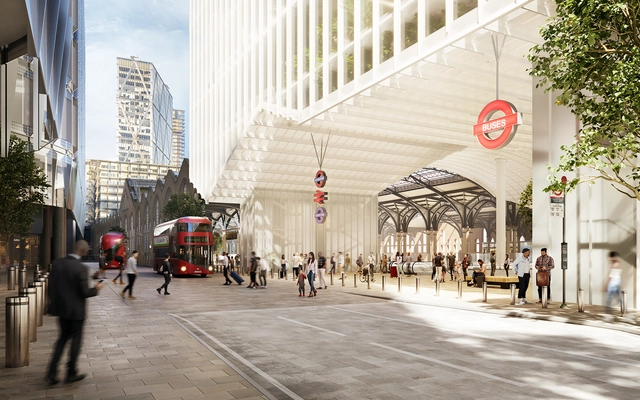
Architecture office Herzog & de Meuron has unveiled plans to revamp the Liverpool Street station in London. The scheme includes “vital upgrades” aimed at transforming the Victorian-era station into a fully accessible transportation hub fit to accommodate the 135 million people using the station annually. It also includes the addition of 840,000 square feet of offices and a 190,000 square feet hotel in two new structures, 10 and 6 stories high, respectively. These new interventions have attracted criticism from conservation groups. The proposal is currently undergoing its first round of public consultation. The development is overseen by Stellar, working with MTR, the operator of rail transport services and Network Rail.
The global pause of the COVID pandemic has provided an opportunity to assess present-day globalism and the architecture that has emerged alongside it. Stemming back to the broad expansion of free trade in the 90s at the end of the Cold War, globalism’s cultural promise was simple and aspirational: integrating markets globally would increase the interaction between and learning of different cultures. By normalizing such experiences in our daily lives, we would become global citizens liberated from our previous prejudices–all well-intentioned objectives.
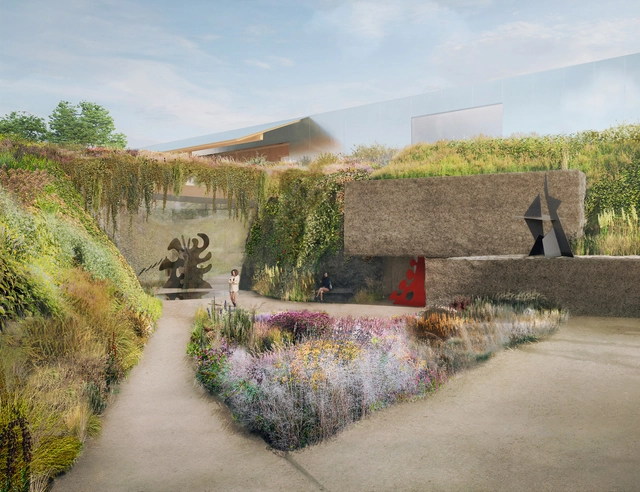
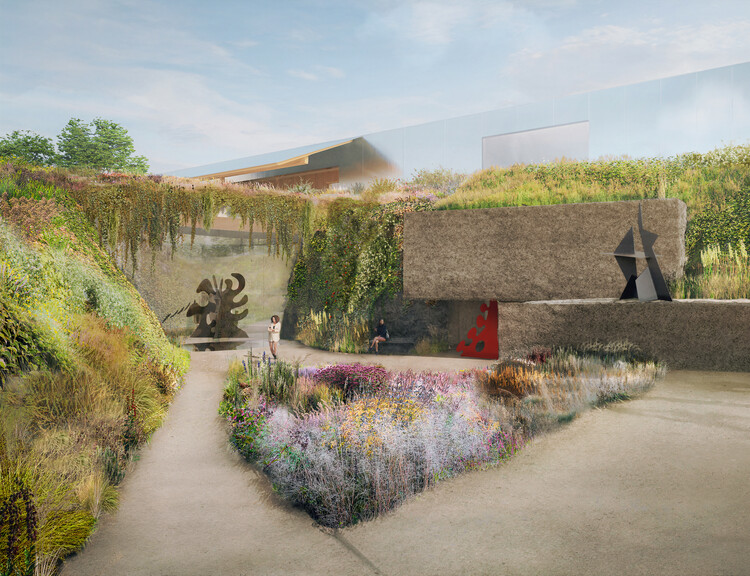
Herzog & de Meuron and landscape designer Piet Oudolf are collaborating to create Calder Gardens, which will house and display artworks by American sculptor Alexander Calder. Located between Vine Street and Benjamin Franklin Parkway in Philadelphia, the 6,500 square meter site will house a two-story building, half of which is developed underground. Instead of developing the site as a typical museum, the team decided to transform it into a garden as an attractive alternative for the people of Philadelphia.
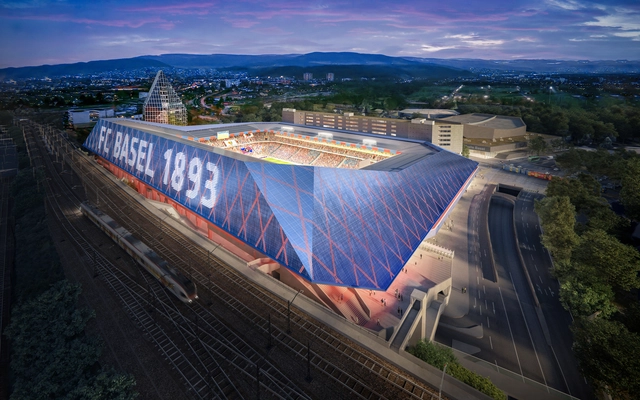
The Jakob-Park Stadium, home of FC Basel, is getting an update to extend its lifespan after 20 years of use. Originally designed by Herzog & de Meuron, the architecture reform aims to provide better hospitality to visitors by restructuring the access and optimizing security to keep the stadium open even on non-match days. The proposal also contemplates replacing the iconic facade with a sweeping roof to give the stadium a unified appearance and broadcast the events outside.
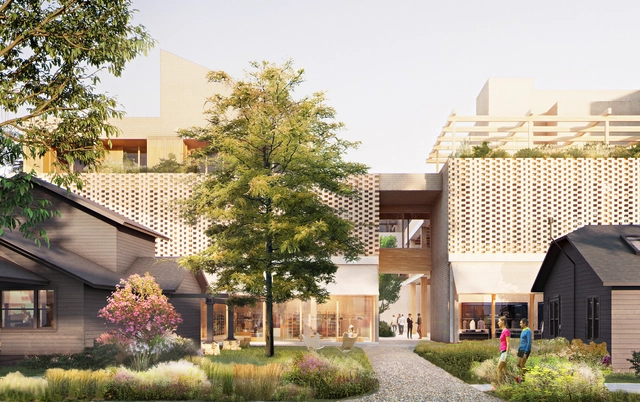
Herzog & de Meuron have unveiled their latest mixed-use development in one of Austin, Texas' most desirable districts. Dubbed ‘Sixth & Blanco’, the continuous horizontal wooden structure is nestled between vernacular store fronts, restaurants, stores, galleries, tree-lined streets, and walkable routes near the Clarksville neighborhood. The challenge of the project was to propose an architecture that takes key ingredients from its surroundings and distributes them throughout a dense yet permeable program.
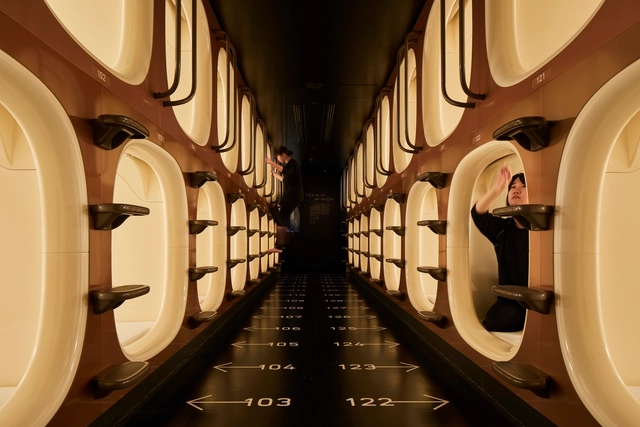
One of the world's leading metropolises, Tokyo is home to extraordinary architecture that fascinates through its blend of traditional values and high-tech expression. The 1923 earthquake and the bombardments of World War II dramatically influenced the image of the city and its architecture, giving rise to modern urban environments with complex infrastructure.
The Japanese capital constitutes the most populated metropolitan area in the world, housing 33 million inhabitants. Divided into 23 wards and numerous neighbourhoods, the city features a diverse blend of atmospheres and urban fabrics that support an amalgamation of architectural typologies.
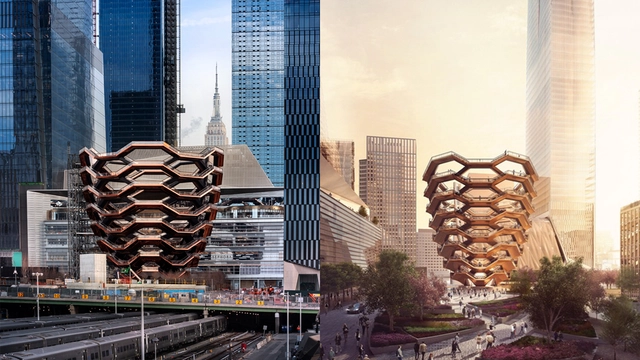
It is nearly impossible nowadays not to present accompanying renders when proposing a new project. No matter the method, software or style that is used, it is a valuable reference that bares more practical weight than one might think. Not only can it be one of the closest possible representations of the architect's vision, if approved, it can also become a promise to clients, investors, and the general public.
When it comes to works from renowned architects, the render becomes a critical reference to the project participants and to the expectant community. A lot of details can be developed and considered when creating the images. In most cases, special attention is brought to the lighting, materials, and context in order to make the most accurate representation possible.
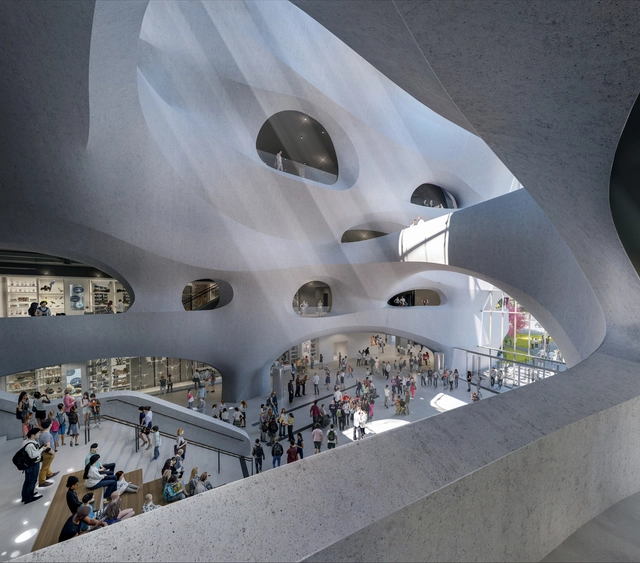
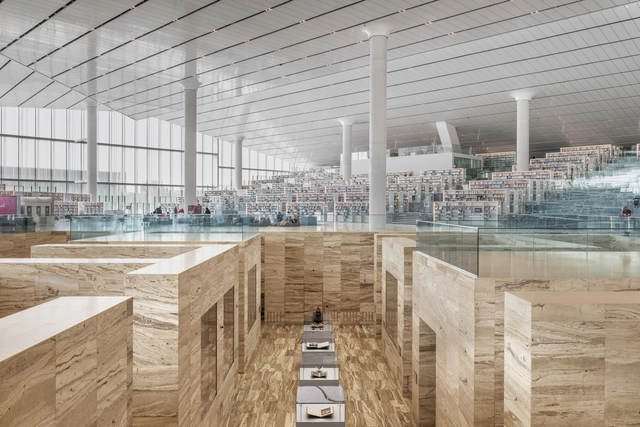
Following Qatar's ambitious museum-building project to further promote cultural institutes in the country, Her Excellency Sheikha Al Mayassa bint Hamad bin Khalifa Al Thani, Chairperson of Qatar Museums has announced that OMA, Herzog & de Meuron, and ELEMENTAL will be designing three new museums in Doha that explore the themes of Islamic art, contemporary art, and evolution of the automobile industry respectively.
Hotels are a hub for commerce, transportation and culture. Today, interior designers are redefining hospitality spaces to accommodate new forms of travel, communication and rest. From historic renovations to contemporary ground-up hotels, these projects center around leisure and memorable guest experiences. In turn, they express brand identity to rethink what interior design and hospitality will be in the future.
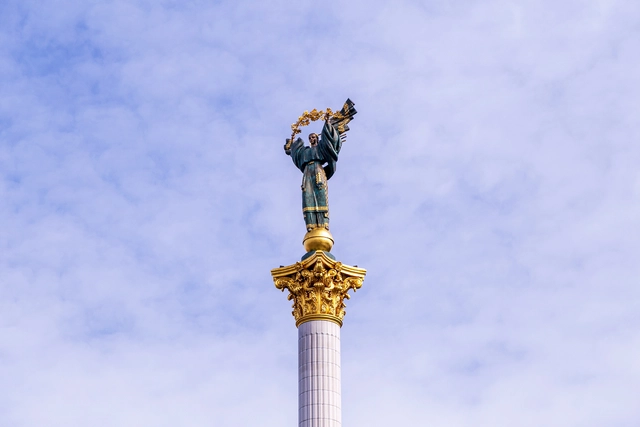
Kiev, Ukraine / Statue of Berehynia on the top of Independence Monument on the Maidan Nezalezhnosti. Image via Shutterstock
On the 24th of February 2022, Russia launched a large-scale invasion of Ukraine. Set to become Europe’s largest refugee crisis and armed conflict in this century, so far, this war has mobilized people across the world in order to exert pressure on authorities and put a stop to the armed hostilities. Individuals, as well as institutions in the architectural field, have taken part in these acts of solidarity, issuing statements, condemning actions, and even halting their work in Russia. From the UIA to MVRDV to Russian Institutions such as Strelka, the architecture world is denouncing the acts of violence and supporting an immediate cease of fire.
Designed by Herzog & de Meuron, Tate Modern’s Switch House was Tate Modern’s latest extension in 2016, radical in form and surface, yet intimately relative to the vast building to which it joins, which opened as London’s foremost modern art gallery in 2000. Shot recently by Bahaa Ghoussainy, the building that opened in 2016, is a model for museums in the 21st century.
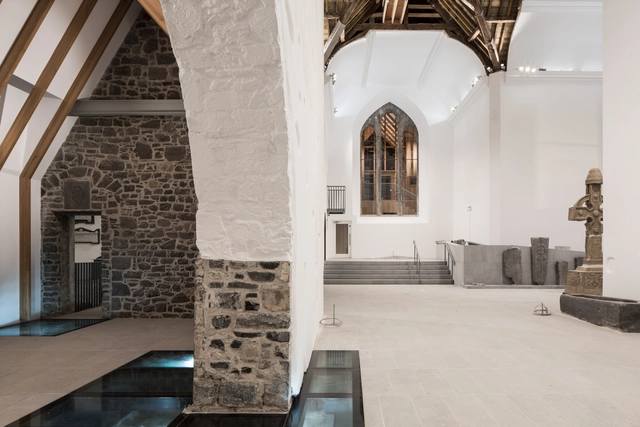
Over the past year, established practices have continued to champion the transformation of existing structures, with adaptive reuse and renovations increasingly becoming a defining aspect of contemporary architecture From the renovation of landmark structures to the adaptive reuse of obsolete facilities, the idea of giving new life to existing buildings has been embraced as the premise for a more sustainable practice, but also as a means of reinforcing the urban and cultural identity of cities. Discover 8 designs and recently completed projects that showcase a new common practice of reusing existing building stock.
The dawn of the Anthropocene has thrown the idea of adaptive reuse into the limelight: effectively the pinnacle of urban regeneration and revitalization. It utilizes the presence of existing buildings with historic and cultural value and re-purposes them to be functional. Essentially a form of architectural salvage; a sustainable and viable means of rebuilding.
Recent events such as the pandemic has highlighted inequalities in our cityscape, the inadequate segments in a state of disuse and disrepair. Adaptive reuse can replenish these areas and create new cultural hotspots, encouraging activity and creating vibrant and healthy mixed-use environments.
Below is a diverse selection of cultural hotspots using Adaptive Reuse
Last year, a series of new museums, expansions and several museum renovations have opened their doors to the public, adding a new dimension to the cultural landscape around the world. From the long-awaited re-opening of the Neue Nationalgalerie in Berlin, to Ryue Nishizawa's Jining Art Museum merging with the landscape, and MVRDV's reflective Art Depot, discover the architecture of the latest venues of art and culture.





















.jpg?1582576434 "© Iwan Baan")
.jpg?1650190677 "© Daici Ano")










.jpg?1645645621&format=webp&width=640&height=580)




.jpg?1641932763 "© Ossip van Duivenbode / MVRDV")


