1. ArchDaily
  2. Hempcrete

Hempcrete: The Latest Architecture and News

“We Live in Toxic Interior Environments”: Interview with Healthy Materials Lab

Subscriber Access | 

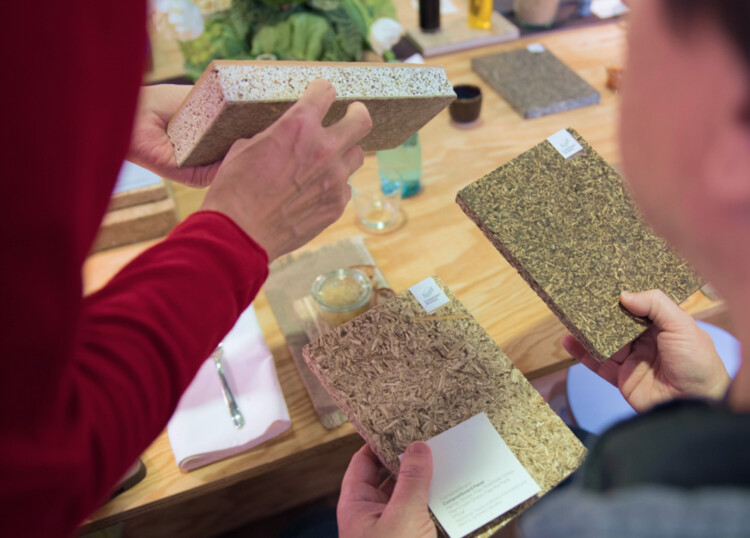
The well-known phrase "man is what he eats" (Der Mensch ist, was er isst), by Ludwig Feuerbach, asserts that the physical, mental, and even moral constitution of human beings is directly linked to what they consume. Today, this idea is widely internalized, with growing awareness around food, nutrition, and the impact of what we ingest on our bodies. Yet, this same level of awareness doesn't extend to the environments we inhabit, where materials continue to be treated as technical decisions rather than active agents in the relationship between body and space. Considering that a large portion of the global population spends around 90% of their time indoors, it is rarely discussed what actually composes these spaces at their most fundamental level: materials. Walls, floors, and finishes are often approached as technical or aesthetic choices, when in reality they can function as continuous sources of exposure to potentially harmful substances.


“We Live in Toxic Interior Environments”: Interview with Healthy Materials Lab - Image 1 of 4“We Live in Toxic Interior Environments”: Interview with Healthy Materials Lab - Image 2 of 4“We Live in Toxic Interior Environments”: Interview with Healthy Materials Lab - Image 3 of 4“We Live in Toxic Interior Environments”: Interview with Healthy Materials Lab - Image 4 of 4“We Live in Toxic Interior Environments”: Interview with Healthy Materials Lab - More Images+ 13

Reflecting on Architectural Details and Construction Systems in 2024

In 2024, a diverse range of topics have been comprehensively explored, some focusing specifically on architectural details and construction systems. These articles provide valuable insights into architecture's often-overlooked technical and functional aspects. By shifting attention away from aesthetics, materials, and spatial massing, they reveal the importance of intricate details and the construction systems underpinning contemporary projects' larger architectural vision.

Executing these seemingly small elements is crucial in shaping how architecture is perceived and experienced. Specifying and drawing a thoughtfully designed detail is not dissimilar to determining the correct screw in building a car—its thread count, material, and length—can dramatically influence not only the success of an architectural design but also the quality of the human experience it fosters. Such details, while often dismissed as mundane and may not be the most recognizable features of stellar projects, profoundly impact the cohesiveness and functionality of architectural projects.

Reflecting on Architectural Details and Construction Systems in 2024 - Image 1 of 4Reflecting on Architectural Details and Construction Systems in 2024 - Image 2 of 4Reflecting on Architectural Details and Construction Systems in 2024 - Image 3 of 4Reflecting on Architectural Details and Construction Systems in 2024 - Image 4 of 4Reflecting on Architectural Details and Construction Systems in 2024 - More Images+ 2

How to Use Alternative Products and Materials to Reduce a Project’s Carbon Footprint

Subscriber Access | 

Working within the restrictions of a limited carbon footprint can be one of the hardest – but also most rewarding – parts of a modern architect’s role. Whether to suit a large multinational corporation’s sustainability report, to achieve LEED status or similar for a commercial developer, or to build an eco-home for a climate-conscious private client – or even one who just wants to spend less on energy, it’s imperative to keep up-to-date with the latest carbon-neutral and low-carbon building practices and materials.

Whether looking at a project’s structural beginnings, its high-grade finishes, or thinking more holistically about its entire lifetime, there are huge gains to be made with sustainable substitutes and alternatives to traditional materials and techniques.

How to Use Alternative Products and Materials to Reduce a Project’s Carbon Footprint - Image 1 of 4How to Use Alternative Products and Materials to Reduce a Project’s Carbon Footprint - Image 2 of 4How to Use Alternative Products and Materials to Reduce a Project’s Carbon Footprint - Image 3 of 4How to Use Alternative Products and Materials to Reduce a Project’s Carbon Footprint - Image 4 of 4How to Use Alternative Products and Materials to Reduce a Project’s Carbon Footprint - More Images+ 5

Mapping the Future of Hemp Architecture and Construction Materials: Revolutionizing the Industry

Subscriber Access | 

In recent years, the spotlight on sustainable, eco-friendly, and low-carbon materials has intensified across the architecture industry. Amid this interest, a renaissance of hemp architecture is gradually gaining momentum on a global scale. Hemp-based materials have emerged as a favorable alternative to traditional industrialized materials, presenting a multitude of benefits that could revolutionize the construction industry. Despite its vast promise, several hurdles obstruct the widespread adoption of hemp, inhibiting its transformative potential in the construction industry.

Mapping the Future of Hemp Architecture and Construction Materials: Revolutionizing the Industry  - Image 1 of 4Mapping the Future of Hemp Architecture and Construction Materials: Revolutionizing the Industry  - Image 2 of 4Mapping the Future of Hemp Architecture and Construction Materials: Revolutionizing the Industry  - Image 3 of 4Mapping the Future of Hemp Architecture and Construction Materials: Revolutionizing the Industry  - Image 4 of 4Mapping the Future of Hemp Architecture and Construction Materials: Revolutionizing the Industry  - More Images

BIG Reveals Concept for a Self-Sufficient Off-Grid Island for Experimental Clothing Brand in Nova Scotia, Canada

BIG has partnered with experimental clothing brand Vollebak to create the vision for a self-sufficient off-grid island in Nova Scotia, Canada. The 11-acre Vollebak Island will receive several pavilions built of natural and innovative materials such as seaweed, hempcrete, and 3D-printed concrete, all powered by carbon-neutral energy. The island, located in Jeddore Harbor, one quarter off the Nova Scotia mainland, will be auctioned via Sotheby’s Concierge Auctions beginning June 8. Bidders will vie for the chance to own the island and to be granted exclusive rights to the design vision, including the planning permission for those designs.

BIG Reveals Concept for a Self-Sufficient Off-Grid Island for Experimental Clothing Brand in Nova Scotia, Canada - Image 1 of 4BIG Reveals Concept for a Self-Sufficient Off-Grid Island for Experimental Clothing Brand in Nova Scotia, Canada - Image 2 of 4BIG Reveals Concept for a Self-Sufficient Off-Grid Island for Experimental Clothing Brand in Nova Scotia, Canada - Image 3 of 4BIG Reveals Concept for a Self-Sufficient Off-Grid Island for Experimental Clothing Brand in Nova Scotia, Canada - Image 4 of 4BIG Reveals Concept for a Self-Sufficient Off-Grid Island for Experimental Clothing Brand in Nova Scotia, Canada - More Images+ 4

What Happens If Hempcrete Catches Fire?

Subscriber Access | 

Every time we publish an article about Hempcrete, we get a lot of comments on social media - with a certain level of irony - about what would happen if the material caught fire. This is actually a legitimate question, as there is still a lot of confusion about the differences between marijuana and hemp, both of which come from the same plant species (Cannabis Sativa). But while marijuana has psychoactive effects due to tetrahydrocannabinol (THC), mainly present in the flowers of the plant, hemp-based building materials are produced from its stem, which contains small amounts of THC. To quickly answer the title question: no, the building won't be destroyed in the event of a fire. In fact, some tests have shown that these materials have excellent behavior against fire, dissipate flames, maintain structural integrity, and don't emit toxic smoke.

Hempcrete: Creating Holistic Sustainability With Plant-Based Building Materials

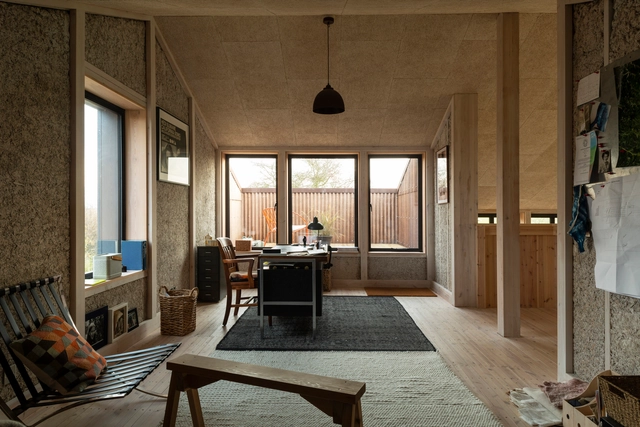
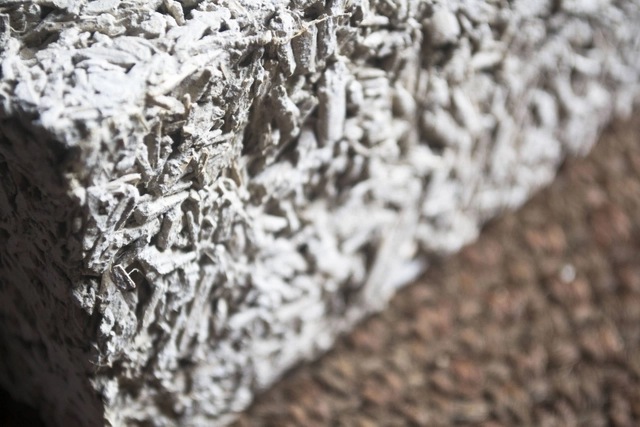
Hemp is one of the oldest crops domesticated by humans. With its wide variety of uses and applications, it’s easy to understand why it’s been a desirable product throughout history. Hemp seeds and flowers are used in health foods, medicines, and organic beauty products; the fibers and stalks of the hemp plant are used in clothing, paper, and biofuel. Today even a waste product of hemp fiber processing, so-called hemp shives, is being utilized to create sustainable building materials like hempcrete.