1. ArchDaily
  2. Gymnasium

Gymnasium: The Latest Architecture and News

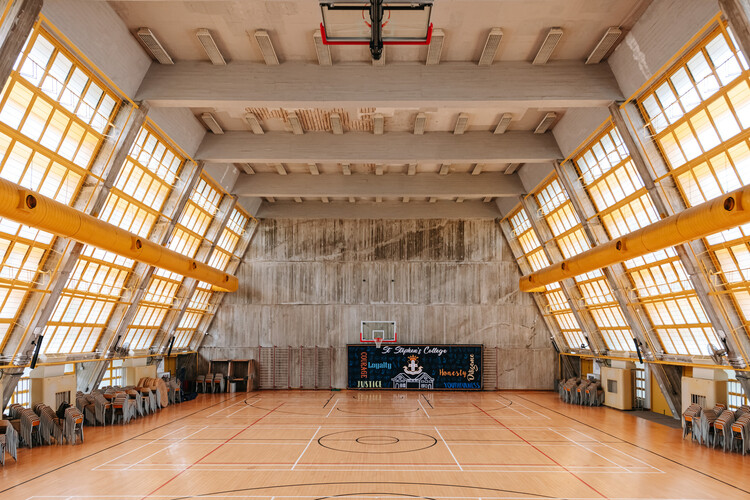
Beyond Imported Icons: Tao Ho and a Local Modernism for Hong Kong

Subscriber Access | 

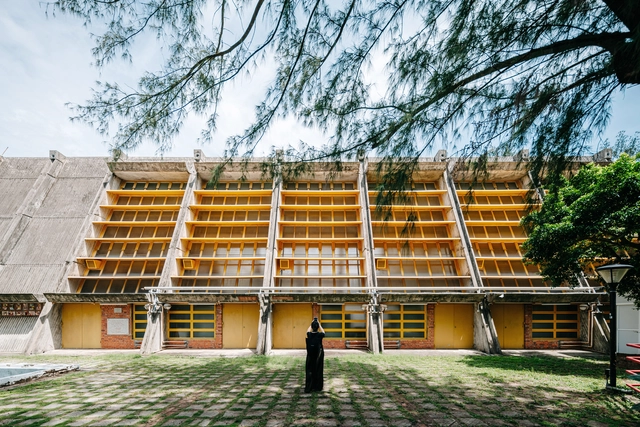
When Hong Kong's architectural story is told, it is often reduced to a handful of icons. Many people most readily name I.M. Pei—Pritzker Prize laureate and architect of the Bank of China Tower in Central (1990), as well as global works such as the Le Grand Louvre in Paris and the Miho Museum in Shiga. Looking elsewhere, one also encounters a long lineage of British and international architects whose imprints have shaped the city's institutional skyline: from Ron Phillips' civic works—most notably the former Murray Building (1969), now The Murray Hotel, and Hong Kong City Hall (1962)—to Norman Foster's infrastructural and corporate monuments, including the Hongkong and Shanghai Banking Corporation (HSBC) Tower (1986) and Hong Kong International Airport (1998), and, more recently, Zaha Hadid Architects' The Henderson (2024).

Yet within the same period as Pei and Foster, local architects were also producing buildings of enduring significance—works that carried the legacies of Bauhaus, but translated them into a language distinctly calibrated to Hong Kong's climate, density, and civic life. These projects may not always read as commercially prominent icons, yet they often register a sharper sense of social responsibility and public agenda. Among the most important figures in this lineage is the late architect Tao Ho, whose work and public role formed a quieter—but no less foundational—strand in Hong Kong's modern architectural heritage.
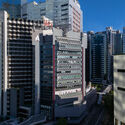

Beyond Imported Icons: Tao Ho and a Local Modernism for Hong Kong - Image 1 of 4Beyond Imported Icons: Tao Ho and a Local Modernism for Hong Kong - Image 2 of 4Beyond Imported Icons: Tao Ho and a Local Modernism for Hong Kong - Image 3 of 4Beyond Imported Icons: Tao Ho and a Local Modernism for Hong Kong - Image 4 of 4Beyond Imported Icons: Tao Ho and a Local Modernism for Hong Kong - More Images+ 14

From India to Brazil: 6 Unbuilt Sports and Wellness Spaces Connecting Community and Well-Being

Subscriber Access | 

As cities and landscapes evolve, architecture is increasingly asked to support well-being, performance, and collective experience. From stadiums that honor deep cultural memory to intimate wellness spaces that foster restoration and connection, sports and wellness typologies are expanding beyond mere functionality. They create environments where movement and health intersect with design quality, sustainability, and social meaning. Today, these spaces range from elite training grounds and recreational clubs to contemplative retreats and inclusive public amenities, shaping how communities gather, heal, and celebrate shared identity.

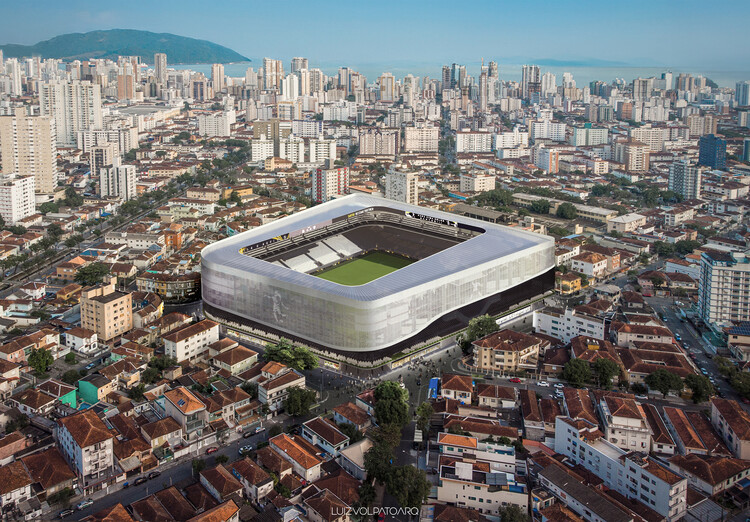
This selection of unbuilt proposals submitted by the ArchDaily community illustrates that diversity. In São Paulo, Luiz Volpato Arquitetura reinvents the historic Santos Futebol Clube stadium with a geometry that preserves fans' memory while introducing new commercial and social uses. In Hanoi, Van Aelst I Nguyen and Partners bring filtered light and fresh air to a dense urban sports complex. In Dubai, RSP proposes Haven, a residential development anchored in holistic wellness and nature-driven experiences, while India's Tropic Responses imagines Aira Club as a climate-conscious leisure hub. High in the Himalayas, Gadasu + Partners carve a meditative spa into mountain stone, and in Isfahan, Arsh4d Studio rethinks segregated women's parks to create inclusive, future-oriented civic space.

From India to Brazil: 6 Unbuilt Sports and Wellness Spaces Connecting Community and Well-Being - Image 14 of 4From India to Brazil: 6 Unbuilt Sports and Wellness Spaces Connecting Community and Well-Being - Image 15 of 4From India to Brazil: 6 Unbuilt Sports and Wellness Spaces Connecting Community and Well-Being - Image 35 of 4From India to Brazil: 6 Unbuilt Sports and Wellness Spaces Connecting Community and Well-Being - Image 27 of 4From India to Brazil: 6 Unbuilt Sports and Wellness Spaces Connecting Community and Well-Being - More Images+ 34

Citizen-Led Campaign Proposes New Use for Kenzo Tange's Kagawa Gymnasium, Facing Demolition

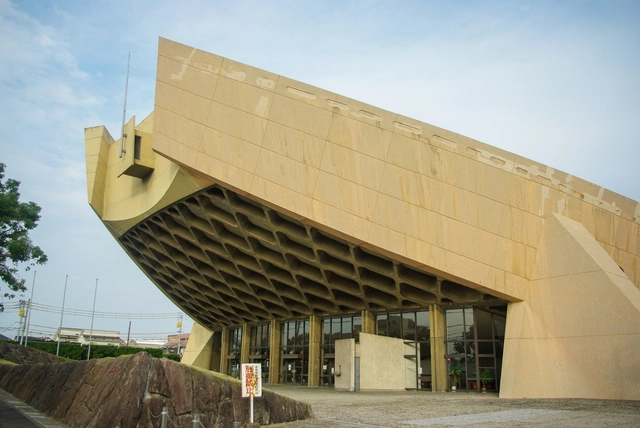
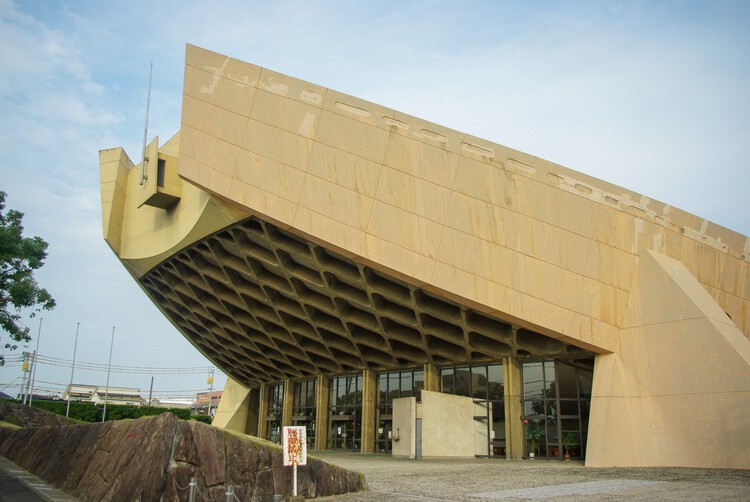
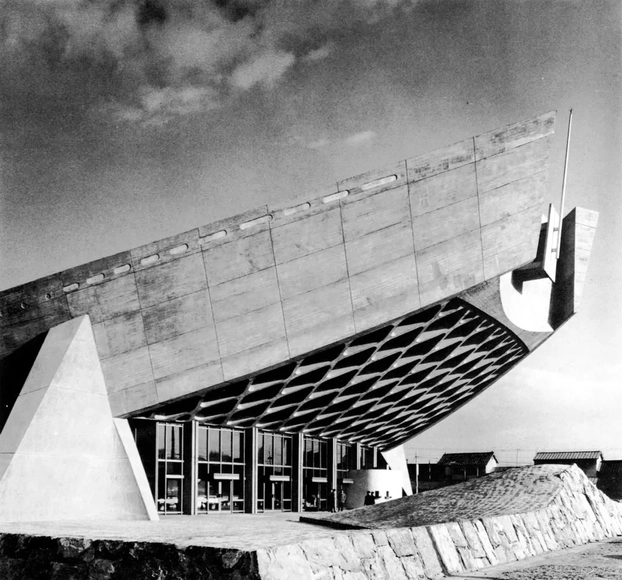
In February 2023, the governor of Kagawa Prefecture, Japan, announced the planned demolition of the Kagawa Prefectural Gymnasium, designed by Pritzker Prize-winning architect Kenzo Tange. Discussion surrounding its fate dates back to its permanent closure in 2014, after a roof leak caused structural problems in the ceiling boards. Since then, several organizations have worked to save the building, including a petition by the World Monuments Fund and an effort by a promotional council to nominate it as a UNESCO World Cultural Heritage site in 2021. Despite these initiatives, on August 7, 2025, the Kagawa Prefectural Government officially announced a public competitive bidding process to select a contractor for the demolition, something the Former Kagawa Prefectural Gymnasium Regeneration Committee is determined to prevent.

Citizen-Led Campaign Proposes New Use for Kenzo Tange's Kagawa Gymnasium, Facing Demolition - Image 1 of 4Citizen-Led Campaign Proposes New Use for Kenzo Tange's Kagawa Gymnasium, Facing Demolition - Image 2 of 4Citizen-Led Campaign Proposes New Use for Kenzo Tange's Kagawa Gymnasium, Facing Demolition - Image 3 of 4Citizen-Led Campaign Proposes New Use for Kenzo Tange's Kagawa Gymnasium, Facing Demolition - Image 4 of 4Citizen-Led Campaign Proposes New Use for Kenzo Tange's Kagawa Gymnasium, Facing Demolition - More Images+ 1

The Gym-Bar Hybrid: Interiors That Integrate Sports and Healthy Habits Through Architecture

Subscriber Access | 

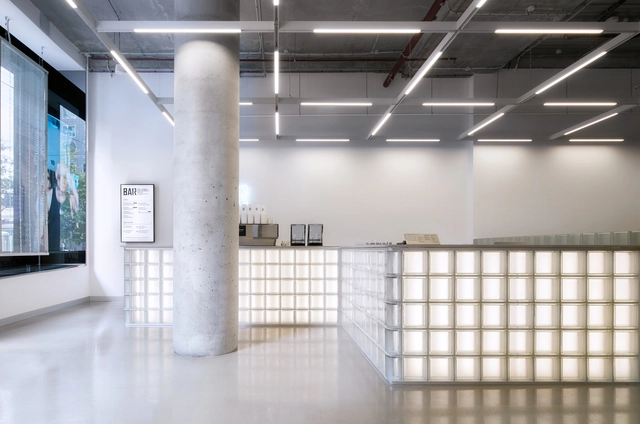
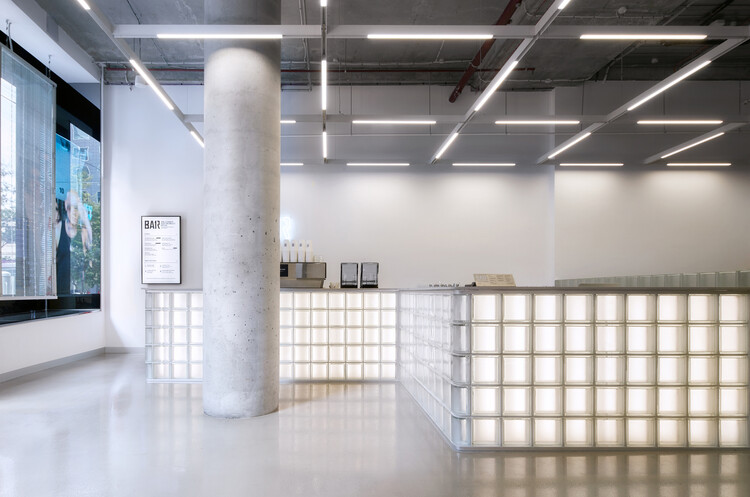
From the interior design of sports facilities to wellness spaces, contemporary architecture continues to experiment with incorporating different uses, installations, and materialities that make it possible to reach broader audiences, generate new spatial experiences, and enhance the simultaneous development of various activities. While each sport requires its own type of architecture, such as climbing training, for example, architecture and design professionals are striving to create atmospheres where exercise becomes more than just a physical experience, but also a psychological one, connecting mind and body through a state of physical renewal, relaxation, and sociability.

The Gym-Bar Hybrid: Interiors That Integrate Sports and Healthy Habits Through Architecture - Image 1 of 4The Gym-Bar Hybrid: Interiors That Integrate Sports and Healthy Habits Through Architecture - Image 2 of 4The Gym-Bar Hybrid: Interiors That Integrate Sports and Healthy Habits Through Architecture - Image 3 of 4The Gym-Bar Hybrid: Interiors That Integrate Sports and Healthy Habits Through Architecture - Image 4 of 4The Gym-Bar Hybrid: Interiors That Integrate Sports and Healthy Habits Through Architecture - More Images+ 14

Spaces for Wellness: Integrating Fitness into Everyday Environments

As cities continue to grow and daily realities shift rapidly, people are turning to new and evolving ways to maintain their well-being. While promoting active lifestyles has long been a focus for many planners and architects, through pedestrian- and bike-friendly cities, parks, and fitness or sports centers, recent times have shown that these publicly valued facilities are not always accessible. A clear solution has emerged in recent years, accelerated by the global pandemic in 2020. Both homes and workplaces have begun to adapt their interior spaces, incorporating designated areas and equipment to support physical activity and provide opportunities for movement during the day.

Spaces for Wellness: Integrating Fitness into Everyday Environments - Image 1 of 4Spaces for Wellness: Integrating Fitness into Everyday Environments - Image 2 of 4Spaces for Wellness: Integrating Fitness into Everyday Environments - Image 3 of 4Spaces for Wellness: Integrating Fitness into Everyday Environments - Image 4 of 4Spaces for Wellness: Integrating Fitness into Everyday Environments - More Images+ 12

The Evolution of Modernism in Asian Architecture: Key Figures and Landmark Projects

Modernism in architecture emerged at the beginning of the twentieth century, fueled by advancements in science and engineering and a deliberate departure from historical styles. It championed a focus on social equity, urban development, efficiency, and functional design, marking a significant shift in architectural philosophy. Originating primarily in Europe and the United States, modernism captivated the global imagination with its innovative redefinition of space and architecture. Its spread to Asia was facilitated by cross-cultural exchanges—East Asian architects who studied under prominent modernists and European architects working in East Asia through international collaborations or colonial-era influences.

The Evolution of Modernism in Asian Architecture: Key Figures and Landmark Projects - Image 1 of 4The Evolution of Modernism in Asian Architecture: Key Figures and Landmark Projects - Image 2 of 4The Evolution of Modernism in Asian Architecture: Key Figures and Landmark Projects - Image 3 of 4The Evolution of Modernism in Asian Architecture: Key Figures and Landmark Projects - Image 4 of 4The Evolution of Modernism in Asian Architecture: Key Figures and Landmark Projects - More Images+ 34

1 Month to go: Paris Renovates Iconic Training Venues for 2024 Olympics

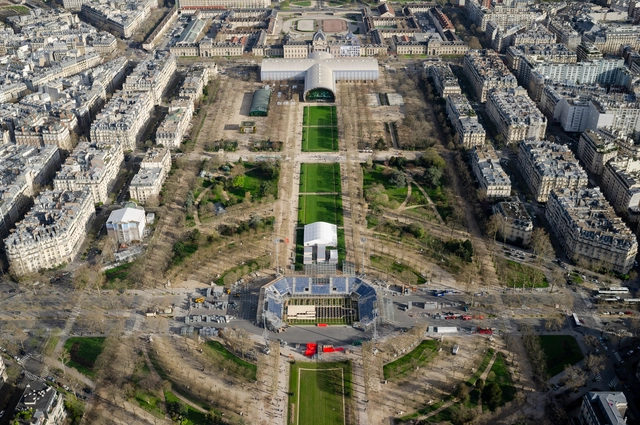
With just one month to go until the XXXIII Olympic Games in Paris, the city is in a final push to ensure that the landscape and infrastructure are ready for the world’s largest sporting event. Set to start on July 26 and continue until August 11, 2024, the Paris City Council has approved numerous initiatives to transform the city. Aiming for a greener, healthier, and more mobile Paris, the city has undergone massive changes to showcase its modern advancements and rethink the structure of the Olympic Games.

1 Month to go: Paris Renovates Iconic Training Venues for 2024 Olympics - Image 1 of 41 Month to go: Paris Renovates Iconic Training Venues for 2024 Olympics - Image 2 of 41 Month to go: Paris Renovates Iconic Training Venues for 2024 Olympics - Image 3 of 41 Month to go: Paris Renovates Iconic Training Venues for 2024 Olympics - Image 4 of 41 Month to go: Paris Renovates Iconic Training Venues for 2024 Olympics - More Images+ 10

Major Lessons of Contemporary School Design: 37 Learning Spaces from Around the World

Subscriber Access | 

The role of a school is to prepare children for life. But with life-changing faster than ever, schools need to change just as quickly. Recent additions to school curriculums reflect the complexities of modern life, with environmental crises, societal injustices, and the dangers of social media now major parts of the syllabus.

Although it’s often said that long-term change begins at ground-level, change is never easy, wherever it starts. For example, a curriculum that responds to environmental issues is said to cause growing instances of eco-anxiety in children, one of a number of causes of another crisis, in children’s mental health.

Major Lessons of Contemporary School Design: 37 Learning Spaces from Around the World - Image 1 of 4Major Lessons of Contemporary School Design: 37 Learning Spaces from Around the World - Image 2 of 4Major Lessons of Contemporary School Design: 37 Learning Spaces from Around the World - Image 3 of 4Major Lessons of Contemporary School Design: 37 Learning Spaces from Around the World - Image 4 of 4Major Lessons of Contemporary School Design: 37 Learning Spaces from Around the World - More Images+ 33

How to Design Sports Arenas

Subscriber Access | 

Sports arenas hold significant relevance in society as they serve as vital meeting places for sports and cultural activities. They play a role in enhancing overall well-being, encouraging an active lifestyle, and fostering social inclusion. Within these projects, architects assume the responsibility of designing spaces that seamlessly accommodate athletes and the community. Moreover, architects must actively engage with the surroundings to create a harmonious dialogue and establish a distinct identity for the arena.

How to Design Sports Arenas - Image 1 of 4How to Design Sports Arenas - Image 2 of 4How to Design Sports Arenas - Image 3 of 4How to Design Sports Arenas - Image 4 of 4How to Design Sports Arenas - More Images+ 9

Kenzo Tange’s famous Kagawa National Gymnasium in Japan Set to be Demolished

Local governor Toyohito Ikeda of Takamatsu, in Japan, announced that the famous Kagawa Gymnasium will be demolished. Built between 1961 and 1964 by the Pritzker Prize winner Kenzo Tange, the structure is a landmark of the modernist post-war era in Japan. This news has sparked the creation of a petition in an effort to save this 47-year-old monument.

Kenzo Tange’s famous Kagawa National Gymnasium in Japan Set to be Demolished - Image 1 of 4Kenzo Tange’s famous Kagawa National Gymnasium in Japan Set to be Demolished - Image 2 of 4Kenzo Tange’s famous Kagawa National Gymnasium in Japan Set to be Demolished - Image 5 of 4Kenzo Tange’s famous Kagawa National Gymnasium in Japan Set to be Demolished - Image 3 of 4Kenzo Tange’s famous Kagawa National Gymnasium in Japan Set to be Demolished - More Images+ 1

Tips for Home Gym Design: Fostering Physical and Mental Well-Being in Interiors

 | Sponsored Content

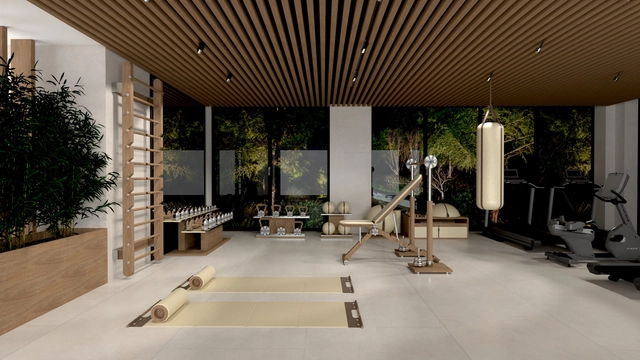
The World Health Organization defines health as “a state of complete physical, mental and social well-being.” If one or more of these aspects are compromised, quality of life and happiness can be severely affected. In recent years, and particularly during the COVID-19 pandemic, this has proved to be especially challenging. Commuting restrictions forced many to stay indoors and businesses to pause in-person operations, aiming to prevent the virus from spreading but inevitably sacrificing psychological, emotional, and even physical health in the process. As a result, people’s lifestyles shifted to find new ways to address their well-being, including adapting their living spaces accordingly. Home gyms, for example, became a popular initiative.

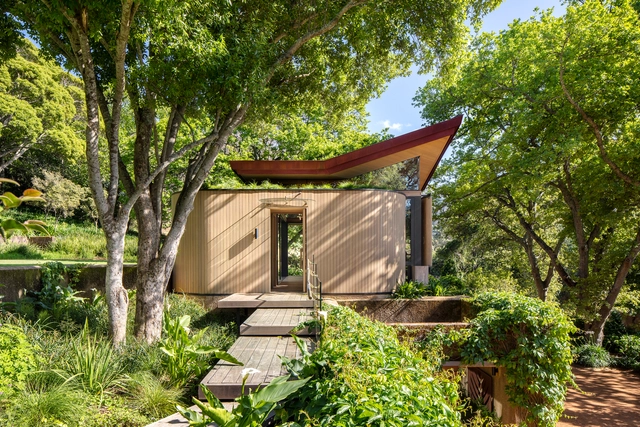
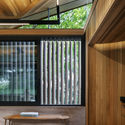
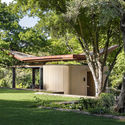
Private Gymnasium Pavilion & Guest Unit / Malan Vorster Architecture Interior Design

Private Gymnasium Pavilion & Guest Unit / Malan Vorster Architecture Interior Design - Interior Photography, Houses, BeamPrivate Gymnasium Pavilion & Guest Unit / Malan Vorster Architecture Interior Design - Interior Photography, Houses, BeamPrivate Gymnasium Pavilion & Guest Unit / Malan Vorster Architecture Interior Design - Interior Photography, Houses, Beam, LightingPrivate Gymnasium Pavilion & Guest Unit / Malan Vorster Architecture Interior Design - Exterior Photography, Houses, GardenPrivate Gymnasium Pavilion & Guest Unit / Malan Vorster Architecture Interior Design - More Images+ 21

Chimneys, Overhangs and Anchors: The Architecture of Climbing Gyms

Subscriber Access | 

Climbers embrace their own type of architecture. Between barn doors, mantels and multi-pitch routes, rock climbing and bouldering take on a range of surfaces, materials and structures, whether outside or indoors. Today, more recreational centers and sports facilities are including climbing walls as the sport grows in popularity. As spaces to build strength and unwind, climbing gyms are built as their own interior worlds to explore. 

Chimneys, Overhangs and Anchors: The Architecture of Climbing Gyms - Image 1 of 4Chimneys, Overhangs and Anchors: The Architecture of Climbing Gyms - Image 2 of 4Chimneys, Overhangs and Anchors: The Architecture of Climbing Gyms - Image 3 of 4Chimneys, Overhangs and Anchors: The Architecture of Climbing Gyms - Image 4 of 4Chimneys, Overhangs and Anchors: The Architecture of Climbing Gyms - More Images+ 12

Kaohsiung American School Athletic Complex / MAYU architects+

Kaohsiung American School Athletic Complex / MAYU architects+ - Exterior Photography, Schools , Facade, Fence
© Yu-Chen Tsao

Kaohsiung American School Athletic Complex / MAYU architects+ - Schools Kaohsiung American School Athletic Complex / MAYU architects+ - Interior Photography, Schools Kaohsiung American School Athletic Complex / MAYU architects+ - Schools Kaohsiung American School Athletic Complex / MAYU architects+ - Schools Kaohsiung American School Athletic Complex / MAYU architects+ - More Images+ 27

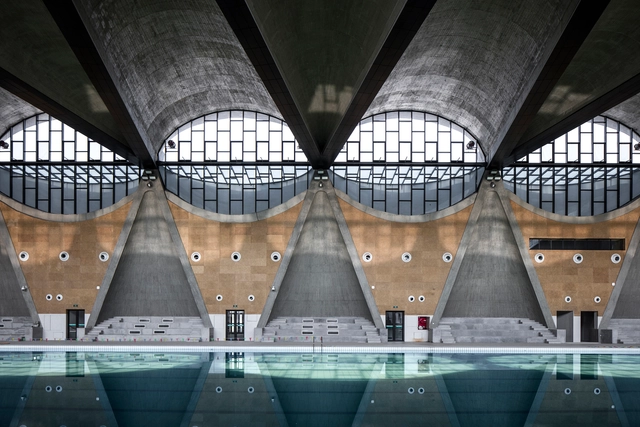
Gymnasium of New Campus of Tianjin University / Atelier Li Xinggang

Gymnasium of New Campus of Tianjin University / Atelier Li Xinggang - Gymnasium, Arch, Arcade, Facade, LightingGymnasium of New Campus of Tianjin University / Atelier Li Xinggang - Gymnasium, Facade, Beam, Arch, ColumnGymnasium of New Campus of Tianjin University / Atelier Li Xinggang - Gymnasium, Facade, Column, Stairs, ArchGymnasium of New Campus of Tianjin University / Atelier Li Xinggang - Gymnasium, Beam, ArchGymnasium of New Campus of Tianjin University / Atelier Li Xinggang - More Images+ 24

Nankai Qu, China
  • Area Area of this architecture project Area:  18362
  • Year Completion year of this architecture project Year:  2015