Gregori Civera

BROWSE ALL FROM THIS PHOTOGRAPHER HERE

From Ecologies to Everyday Life: Reflecting on Architectural Exhibitions in 2025

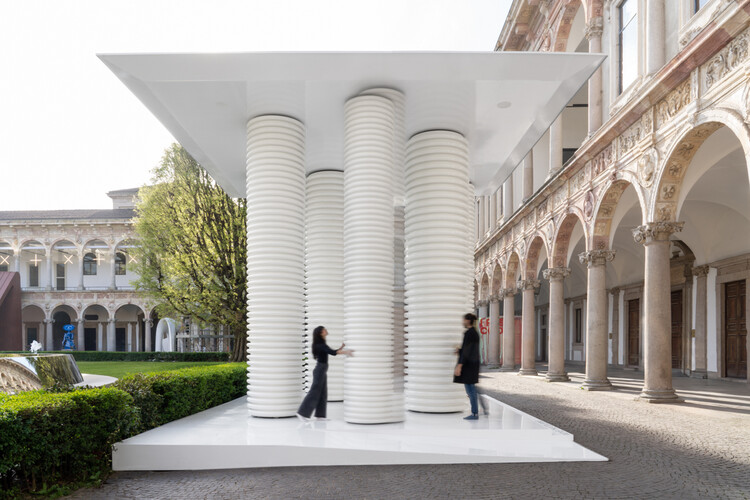
This past year marked a period of introspection for architecture. As 2025 unfolded, the discipline, confronted with evolving environmental and social realities, entered a broader turning point in how it understands its role and how users engage with it. Throughout the year, exhibitions shifted focus away from buildings as isolated objects toward a broader understanding of relationships between ecology, equity, everyday life, and collective imaginaries. Across institutions and cities, they operated less as showcases and more as discursive platforms: places where architecture was not only presented, but also imagined, questioned, and collectively redefined.

While exhibitions have long functioned as sites of discourse, politics, and community, this role became more explicit in 2025. As Carlo Ratti noted in an ArchDaily interview during the pre-opening of the Venice Architecture Biennale 2025, exhibitions today can "hybridize the way that people come together," an ambition that echoed across cities and institutions as exhibitions evolved into spaces for debate, experimentation, and collective reflection. Exhibitions are places where architects and designers meet, where conversations unfold openly with the public, and where ideas emerge through spontaneous exchanges among passersby. Exhibitions became spaces where architectural discourse extended beyond professional circles, opening conversations to broader publics through everyday encounters, shared experiences, and informal exchanges.

From Ecologies to Everyday Life: Reflecting on Architectural Exhibitions in 2025 - More Images+ 35

Beyond Universal Models: The Turn Toward Situated Architecture

Subscriber Access | 

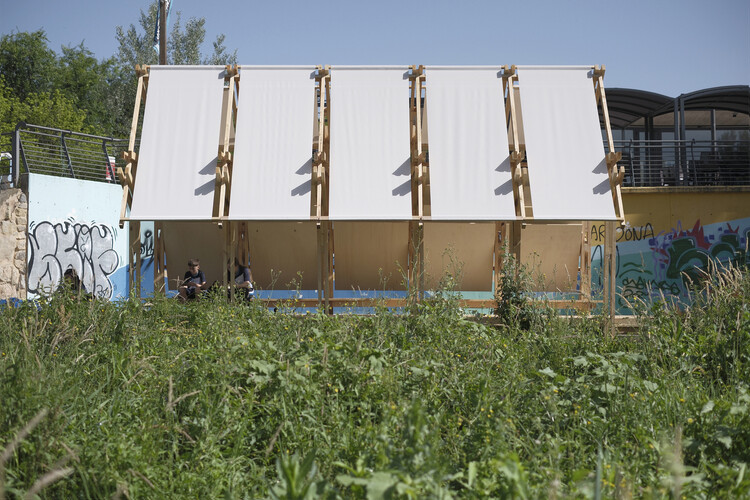
Specificity has re-emerged as a central language in architectural discourse. In an increasingly globalized field, where projects often follow familiar models regardless of context, architects are now turning toward approaches rooted in the particularities of each site. This renewed attention to context reflects broader social, climatic, and political pressures: cities are facing extreme heat, ecological challenges, shifting demographics, and new forms of collective life that demand responses grounded in their immediate conditions.

Situated architecture describes this shift. It refers to design approaches in which form, program, and materiality emerge from the specific environment that produces them: its microclimates, cultural structures, and everyday rituals. Rather than beginning with universal templates, these practices start with observation, prototyping, and direct engagement with local dynamics. This logic is visible in the climatic and material experiments of TAKK in Spain, such as Portable Garden and 10k House, which operate as lightweight prototypes tuned to thermal and ecological gradients; in Studio Ossidiana's Art Pavilion M, shaped by layered soils and ecological cycles in the Netherlands; in Izaskun Chinchilla's reinterpretations of vernacular objects and her later experiments with 100 Sillas and 3 Salones Urbanos; in the narrative-driven domestic spaces explored by Common Accounts; and in Raumlabor's urban interventions that respond directly to the specificities of post-industrial Berlin.

Beyond Universal Models: The Turn Toward Situated Architecture - More Images+ 56

The City as a Laboratory of Processes: A Decade of Urban Experimentation with Concéntrico

Subscriber Access | 

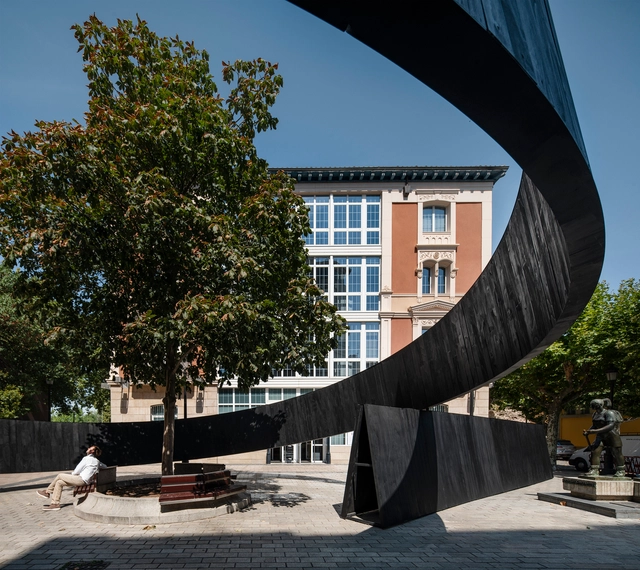
As cities continue to develop, we are seeing ever more well-planned, thoroughly executed, and tightly regulated approaches to shaping urban centres and their surrounding spaces—for better and for worse. As codes, restrictions, and guidelines improve and tighten, urban environments become safer, more balanced, and less prone to surprise. Yet the flip side is that highly managed districts can drift toward over-order and sanitisation, shedding the messy, accretive character that once produced alleyways, residual spaces, and unexpected sequences of movement—conditions often born from ongoing community improvisation in the grey zones of regulation.

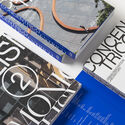
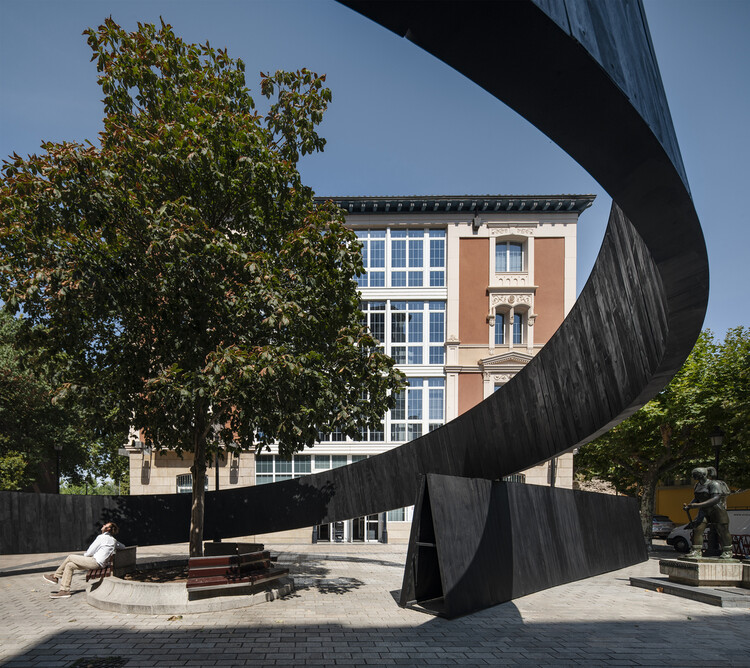
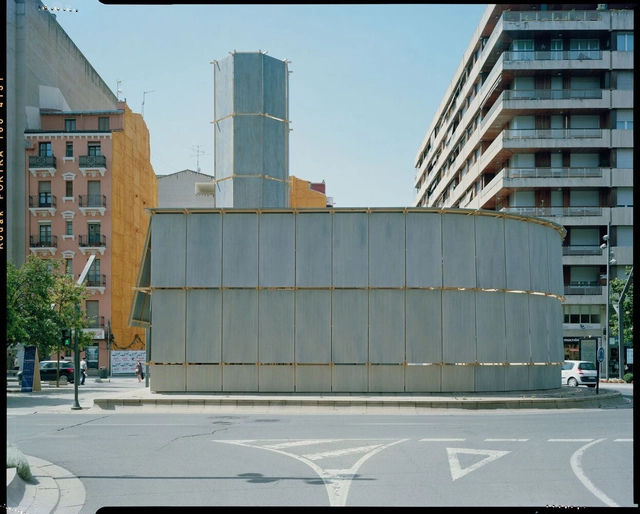
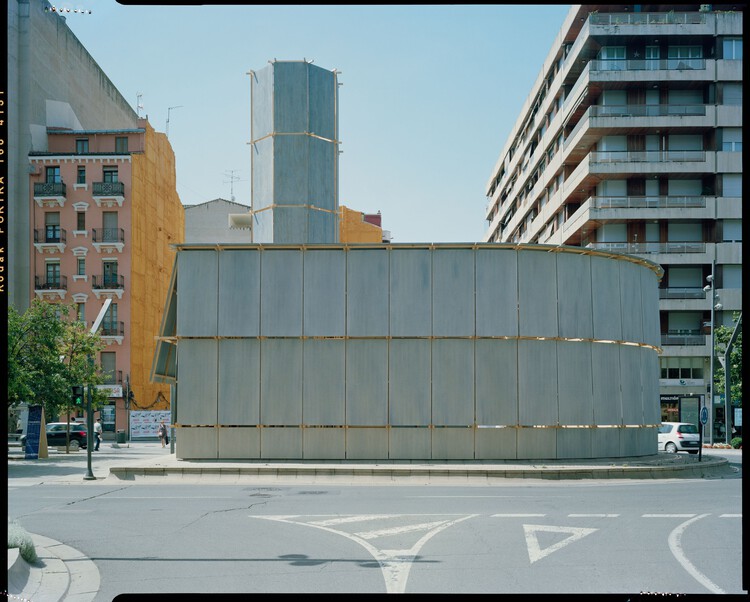
In response, a growing number of initiatives around the world are proposing short-term urban installations that test alternate futures for the city. These works aim to provoke dialogue between what the city is and what it could offer its communities through thoughtful, context-specific spatial practices. One notable example is Concéntrico, the international festival in Logroño, Spain, conceived as an urban innovation laboratory. Marking its tenth edition, the festival is about to publish Concéntrico: Urban Innovation Laboratory, a book that surveys a decade of urban design and collective transformation shaped through successive editions of the festival. Its launch is paired with an international tour designed to share a decade of insights on collective transformation and design.

The City as a Laboratory of Processes: A Decade of Urban Experimentation with Concéntrico - More Images+ 32

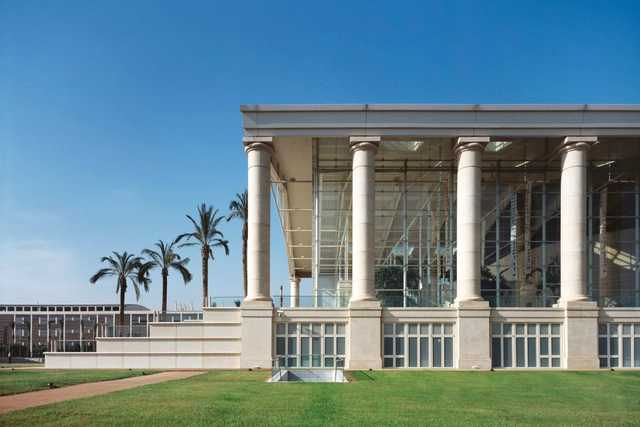
Centre de Congrès Rabat / Bofill Taller de Arquitectura

Centre de Congrès Rabat / Bofill Taller de Arquitectura - More Images+ 17

Round About Baths / Leopold Banchini Architects

Round About Baths / Leopold Banchini Architects - More Images+ 12

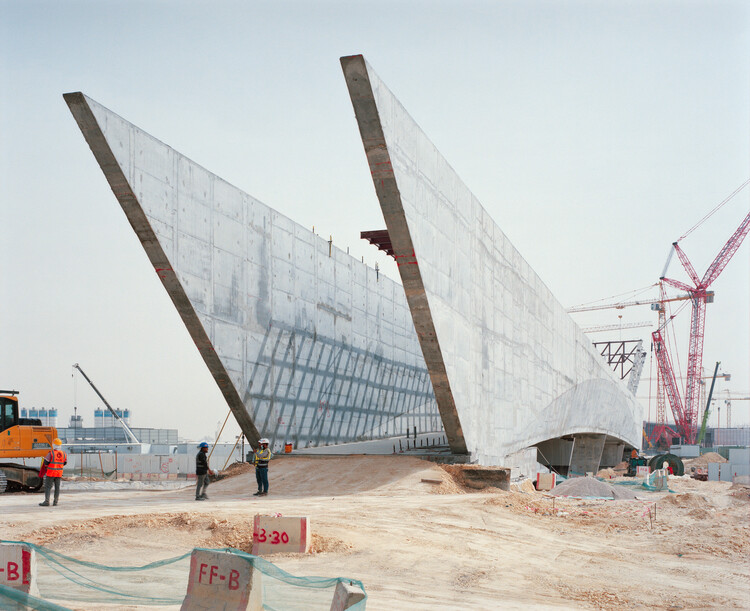
Bofill Taller de Arquitectura Reveals Construction Images of the Royal Arts Complex in Riyadh

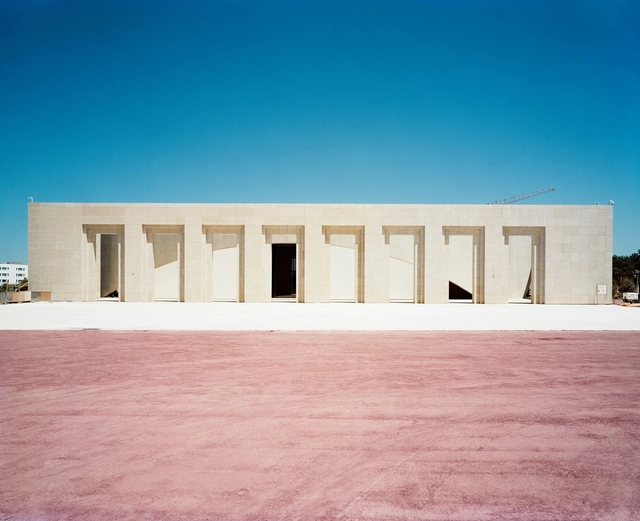
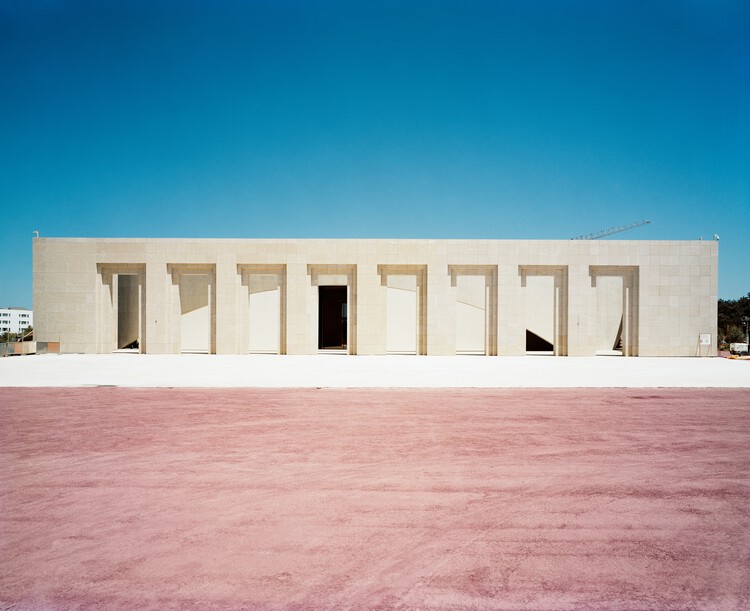
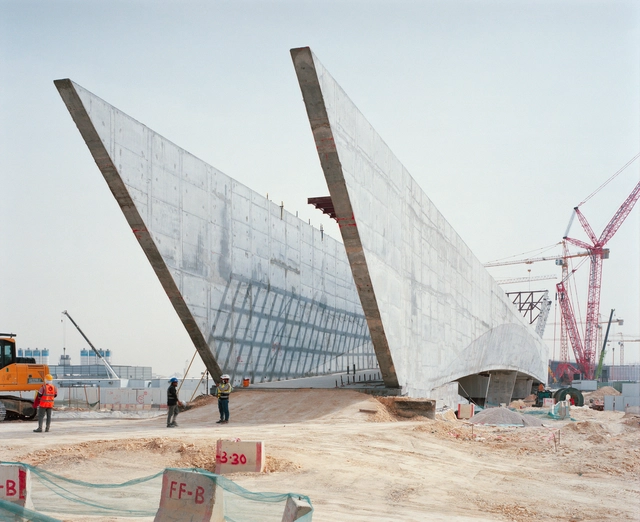
Barcelona-based architecture studio Bofill Taller de Arquitectura was commissioned to design the Royal Arts Complex (RAC) by the Royal Commission for Riyadh City in 2019. Currently under construction, the 320,000-square-meter building complex comprises thirteen structures, each contributing to the promotion of artistic expression. The project is located within King Salman Park, a 13.3-square-kilometer park being developed on the site of Riyadh's former airport. The broader development includes mixed-use projects to transform the area into a major recreational district. The overall masterplan also features a stadium by Populous, planned for the FIFA 2034 World Cup.

Bofill Taller de Arquitectura Reveals Construction Images of the Royal Arts Complex in Riyadh - More Images+ 18

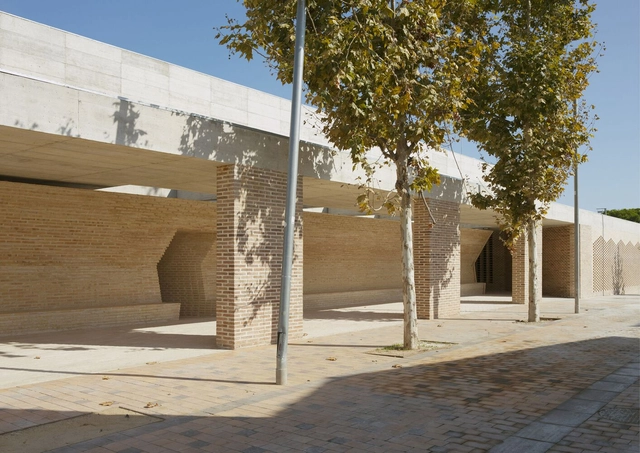
Cap Cotet Health Center / BAAS

Cap Cotet Health Center / BAAS - More Images+ 13

Premià de Dalt, Spain
  • Architects: BAAS Arquitectura
  • Area Area of this architecture project Area:  1353
  • Year Completion year of this architecture project Year:  2022

Ricardo Bofill Passes Away at 82

Ricardo Bofill, the Spanish architect founder of Taller de Arquitectura (RBTA), designer of the iconic Walden 7 and more than 1,000 projects in forty countries, has passed away at 82 in Barcelona on Friday, January 14, as officially announced by his own firm through a statement.

Ricardo Bofill Passes Away at 82 - More Images+ 10

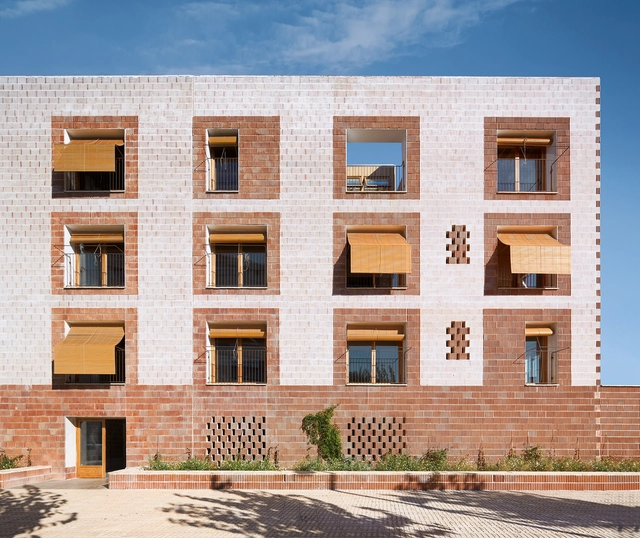
Museo Oliva Artés / BAAS Arquitectura

Museo Oliva Artés / BAAS Arquitectura - Exterior Photography, Renovation, Facade
© Gregori Civera

Museo Oliva Artés / BAAS Arquitectura - More Images+ 28

Barcelona, Spain
  • Architects: BAAS Arquitectura
  • Area Area of this architecture project Area:  1456
  • Year Completion year of this architecture project Year:  2020

Spotlight: Ricardo Bofill

Ricardo Bofill (born 5 December 1939), a graduate of the Barcelona University School of Architecture and the School of Geneva, and the founder of interdisciplinary firm Taller de Arquitectura, is renowned for his extensive body of work and ever-changing design aesthetic. His career has spanned over 50 years, encompassing more than 1000 buildings in cities ranging from Lisbon and Boston to Tokyo and St. Petersburg. His architectural approach has evolved over the decades and has permeated dozens of countries worldwide.

Spotlight: Ricardo Bofill - More Images+ 11

Modern Morocco: Building a New Vernacular

Modern Morocco: Building a New Vernacular - More Images+ 7

Modern Moroccan architecture is reinterpreting vernacular traditions. Taking its name from the Arabic al-maġhrib, or the “place the sun sets; the west”, the kingdom is a sovereign state home to numerous examples of Islamic design, as well as detailed art and ornamentation found within geometric patterns, friezes and open courtyards.

7 Architects Who Weren't Afraid to Use Color

Subscriber Access | 

7 Architects Who Weren't Afraid to Use Color - More Images+ 17

Some architects love color, some are unmoved by it, some hate it, and some love to dismiss it as too whimsical or non-serious for architecture. In an essay on the subject, Timothy Brittain-Catlin mentions the “innate puritanism among clients of architecture,” architects and their “embarrassment of confronting color,” and how “Modernism tried to ‘educate out’ bright colors.” So, while the debate on color in architecture is far from being a new one, it is not finished, and probably never will be.

In today’s world where the exhausted stereotype of the no-nonsense architect clad in black still persists, and while we quietly mull over the strange pull of the Cosmic Latte, there are some architects who haven’t been afraid of using broad swathes of color in their work at all. Read on for a list of 7 such exemplary architects both from the past and the present.

15 Eye-Popping Projects That Don't Apologize For Using Color: Photos of the Week

Subscriber Access | 

This week, colorful projects are here to steal the show. Few architects have dared to use color in their works, however, when done so the results can be incredible. Here is a selection of 15 images from prominent photographers such as Gregori Civera, Julien Lanoo and Subliminal Image that show us the huge potential of color.

15 Eye-Popping Projects That Don't Apologize For Using Color: Photos of the Week - More Images+ 11

10 ArchDaily Projects That You Can Book Through Airbnb

ArchDaily and Airbnb were both founded in 2008, but for two very different reasons. Since then, ArchDaily has amassed a vast database of tens of thousands of buildings, located in cities and countries all around the world. Meanwhile, Airbnb has revolutionized the way in which we explore these countries, and use these buildings, even if just for one night.

While architecture lovers have occasionally been offered very limited experiences through Airbnb, such as a one-night stay on the Great Wall of China, or an architectural tour of the 2020 Tokyo Olympic Stadium courtesy of Kengo Kuma, it transpires that Airbnb’s listings contain some notable architectural gems available for regular booking.

10 ArchDaily Projects That You Can Book Through Airbnb - More Images+ 47

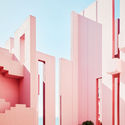
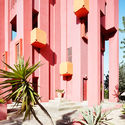
Ricardo Bofill's Red Wall Through The Lens of Gregori Civera

Subscriber Access | 

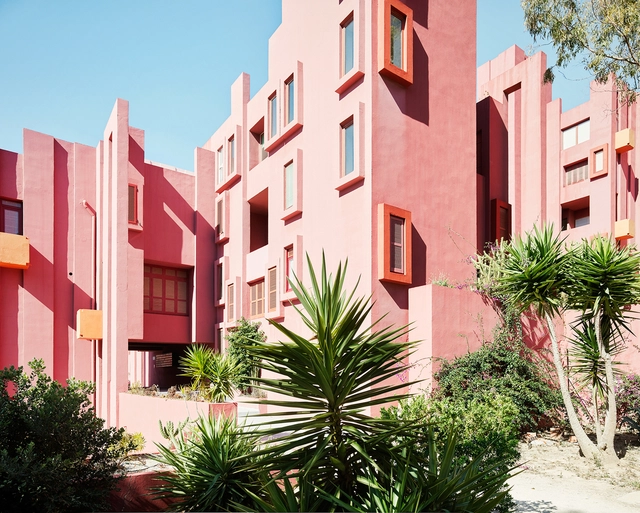
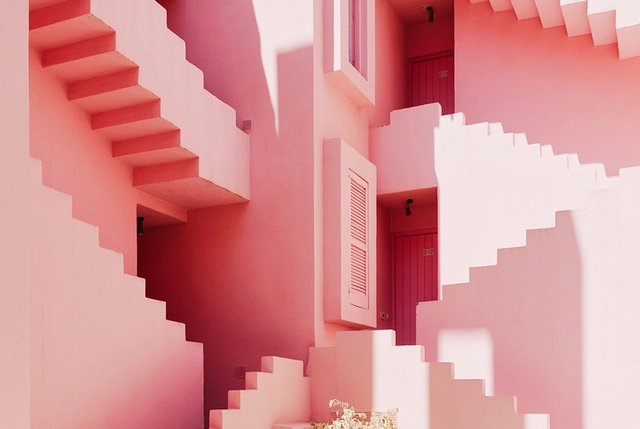
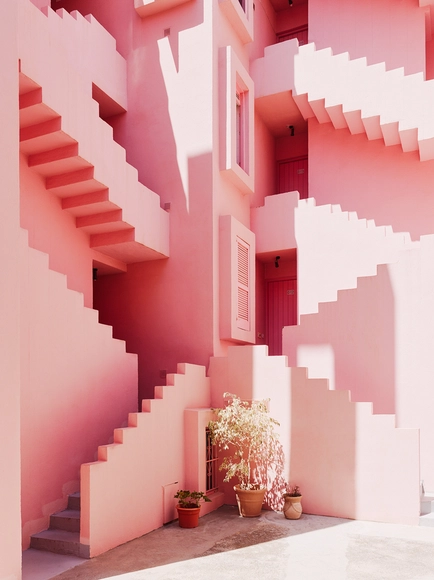
Photographer Gregori Civera worked in collaboration with Pablo Bofill to photograph the magnificent work of his father Ricardo Bofill. The Red Wall, La Muralla Roja is a housing project located within the La Manzanera development in Spain's Calpe. The building makes clear references to the popular architecture of the Arab Mediterranean Area, a result of the architects' inspiration by the Mediterranean tradition of the casbah.

In this photoset, Civera manages to capture the vivid colors that give abundant life to the project since 1972, exaggerating the contrast between the arid landscapes of the area and its color. In addition, the softness of the chromatic range and chosen angles manage to diminish the impact of the hard forms and imposing composition, allowing the viewer to contemplate the everyday world of this set of houses.

Ricardo Bofill's Red Wall Through The Lens of Gregori Civera - More Images+ 13

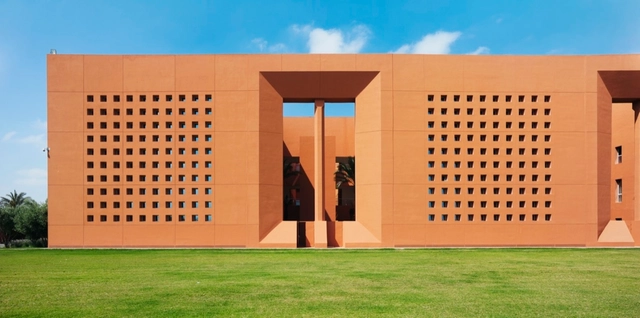
Université Mohammed VI Polytechnique / Bofill Taller de Arquitectura

Université  Mohammed VI Polytechnique / Bofill Taller de Arquitectura - More Images+ 25

Ben Guerir, Morocco

14 Shades of Red: Projects to Fall in Love With on Valentine's Day

Subscriber Access | 

Happy Valentine's Day!

We've affectionately rounded up 14 projects that use the power of the color most associated to love, passion, joy, sexuality and intensity: red