1. ArchDaily
  2. Glass roof system

Glass roof system: The Latest Architecture and News

Architectural Glass 101: Transparent Trends in 2024

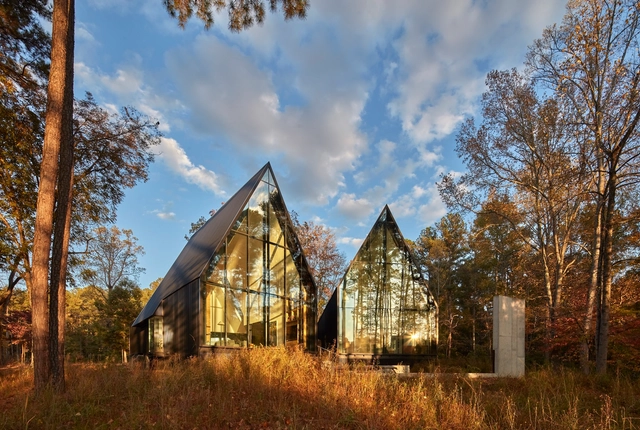
In the 21st century, Glass has become a cornerstone material for architecture. Once limited to apertures and openings, Glass now dominates entire facades, especially in high-rise buildings where transparent cladding material is preferred to maximize views. The technological advancements in Glass have been remarkable, transitioning from single-pane panels, such as those used in Bauhaus' iron window frames, to today's triple-pane systems with specialized gas infills, such as argon, designed to address Glass's long-standing thermal limitations.
Architectural Glass 101: Transparent Trends in 2024 - Image 1 of 4Architectural Glass 101: Transparent Trends in 2024 - Image 2 of 4Architectural Glass 101: Transparent Trends in 2024 - Image 3 of 4Architectural Glass 101: Transparent Trends in 2024 - Image 4 of 4Architectural Glass 101: Transparent Trends in 2024 - More Images+ 11

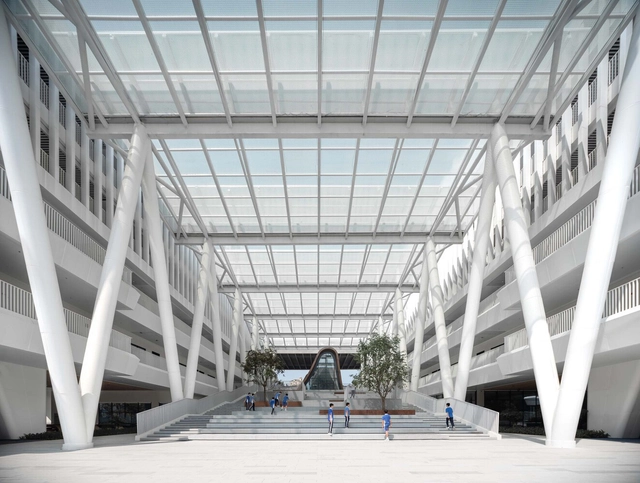
How to Improve Internal and External Environments with Glass Ceilings

As a highly transparent material that stands up to all but the most extreme of weather conditions, is easily formed into any size or shape, and, once formed, will last for thousands of years, glass is still one of the most innovative and crucial materials used in architecture. Although contemporary building practices allow us to form huge, glittering skyscrapers of glass that rise hundreds of meters into the air, the ancient material’s original purpose – to welcome light into weathertight and secure interiors – remains its most important more than a thousand years on.

As important as glass is to almost every typology of architecture in the form of windows, when it comes to the roof of a building, the use of glass is not so simple. We’ve understood the power and danger of combining light and glass ever since we saw a magnifying glass used to concentrate the heat of sunlight into incredibly high temperatures in children’s cartoons. Under a glass roof, the solar gain can make for uncomfortable internal environments without the correct protective precautions.

How to Improve Internal and External Environments with Glass Ceilings - Image 1 of 4How to Improve Internal and External Environments with Glass Ceilings - Image 2 of 4How to Improve Internal and External Environments with Glass Ceilings - Image 3 of 4How to Improve Internal and External Environments with Glass Ceilings - Image 4 of 4How to Improve Internal and External Environments with Glass Ceilings - More Images+ 10

Greenhouse Technology in Architecture: Building Bright Spaces for the Future

 | Sponsored Content

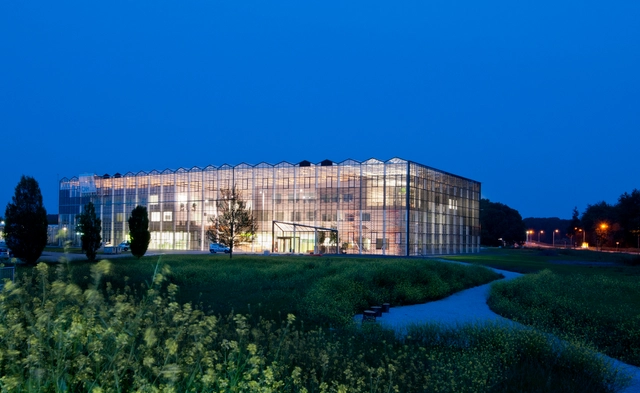
Greenhouses are elegant and ingenious structures that incorporate simplicity in design while creating light-filled spaces that shape indoor climates. With walls and roofs composed mainly of transparent or translucent materials, these structures harness solar energy to create a controlled environment. As advances in materials and environmental management progress, they can seamlessly be integrated into architectural designs, offering innovative solutions that blend functionality with aesthetics. Beyond their original role in plant cultivation, they have evolved into projects that emphasize sustainability, education, and conservation. At their core, they offer experiences of exploration and discovery, showcasing the intricate relationship between sunlight, plants, and indoor environments.