Australian artist, director, and BAFTA-nominated producer Liam Young creates imaginary worlds as a way of thinking through the futures we fear, desire, and are already making. As a creator and designer of atmospheres, he proposes speculative landscapes reflecting the possibilities of a world to come, whether ideal or truthfully unsettling. In his worldbuilding practice across the film, television, and video game industries, fiction becomes a tool for navigating the environmental urgencies of the present. He is considered a "futurist" working across design strategies, technological scenarios, and collective imaginations, grounded in his academic research yet reaching a wider audience in exhibitions such as "In Other Worlds" at the Barbican Centre in London and "Age of Nature" at the Danish Architecture Center in Copenhagen. In February 2026, he was interviewed by Marc-Christoph Wagner for Louisiana Channel, where he shares his visions of our future: from architecture consolidating as a boutique industry to the need for a new kind of planetary punk at the scale of the climate crisis.
Future of Architecture: The Latest Architecture and News
"My Solutions Are Not Polite:" Liam Young on Architecture in the Age of Polycrisis in Louisiana Channel Interview



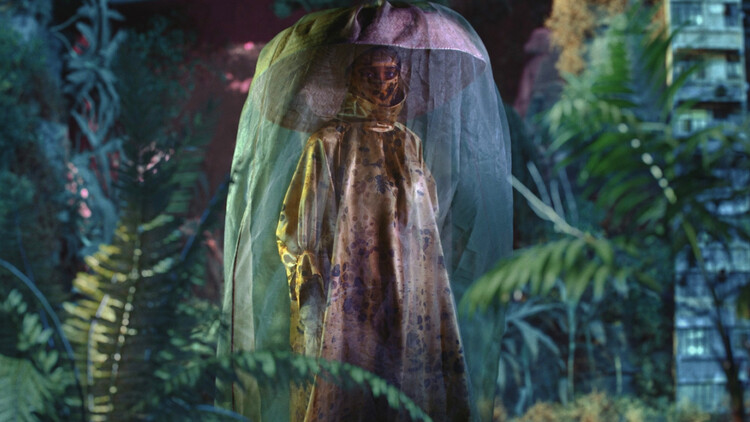
The Death of Dry Powder? Why Ready-Mixed Finishes Are Taking Over

In an industry defined by engineering tolerances and performance certainty, interior finishing still relies on a process that introduces variability into every project. Even experienced applicators often depend on judgement-based mixing—estimating water ratios and adjusting by feel until the material appears workable. While skill reduces variability, it does not eliminate it. The result is inherent inconsistency that transfers directly onto the finished surface.
EDGE Architecture Festival Budapest 2026

The second edition of EDGE Architecture Festival Budapest (EDGE Fest), organised by Építészfórum, will take place on 18-19 June 2026 in Budapest at Dürer Kert and the industrial venues of Hengermalom.
Beyond the Image: Rethinking Architecture in the Age of AI

© Ulises (@ulises.studio)
Artificial intelligence is becoming an undeniable presence in our daily lives. It teaches, generates content, and disrupts the fragile boundaries—both visual and imaginative—that once governed our interactions on social media. On platforms like Instagram, we witness a flood of imagery where every kind of speculative exercise is freely shared, recalibrating our understanding of the relationship between architecture and image. Amid this transformation, entire professions find themselves on uncertain ground, as AI begins to challenge areas once defined by human expertise.
Yet beneath this apparent abundance lies the opaque core of closed-source AI: an algorithmic black box that systematically conceals the origins of the data it consumes. As a result, its outputs are inevitably prone to factual distortions, anachronisms, and subtle or overt biases. This same machinery can hollow out the significance behind the languages and stylistic signatures of canonical architects—manifest, for instance, in AI-generated visions speculating how famed designers, living or dead, might have reimagined the Eiffel Tower. We shared one such image to observe and better understand how people—especially architects—respond to AI's current possibilities and limitations, and the ways it mimics architectural intent. The response was quite fascinating, revealing a mix of curiosity, concern, and critical reflection.
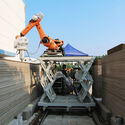
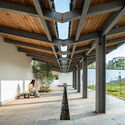
Built to (Not) Last: How Reversible Architecture Is Redefining the Way We Build
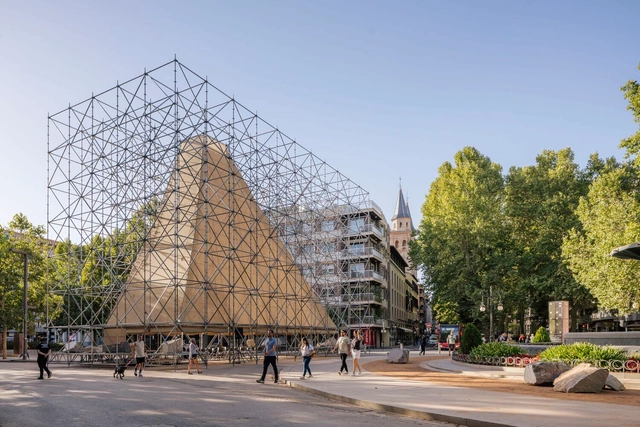
What if we imagined buildings as living systems, designed for assembly and disassembly with minimal impact? A form of open, modular, and adaptable architecture designed to evolve with its surroundings, responding to seasonal changes and on-demand needs instead of remaining static. At first glance, the idea seems paradoxical, as many buildings were constructed to last, designed to endure, resist the effects of time, and avoid demolition. Because of this, reversing or undoing could be seen as a setback. But what if that way of thinking no longer fits every scenario?
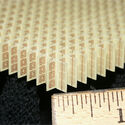
What are Metamaterials? Innovations in Architecture from Acoustic Invisibility to Seismic Protection
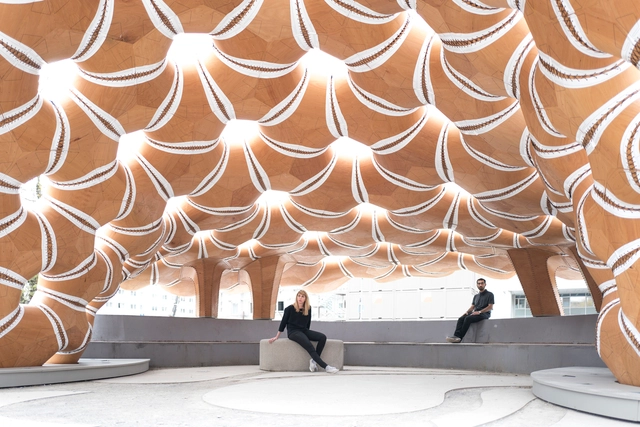
The future of the architecture industry holds countless possibilities, as research in the domain progresses. One innovation is the ability for structures to be rendered acoustically invisible, absorb earthquake energy, or harvest electricity from the sounds around them. Qualities of this nature can help redefine the functionality and sustainability of buildings. Architects and scientists are at the forefront of this creation. What makes this possible are metamaterials that could offer alternative methods of designing good buildings.