Studies show that public investment in integrated and safe cycling networks promotes urban transformation, providing more humanity, health and quality of life in urban spaces. While cities in the Netherlands and the Nordic countries have already incorporated bicycles into daily life, with a significant portion of the population using the means of transport for daily commutes, much of the world is still seeking a model to reduce congestion and increase its use. According to the Institute for Transportation and Development Policy (ITDP), investing in non-motorized transport allows congestion reduction, improves air quality, physical and mental health of residents, and local trade and brand visibility, once that cyclists tend to pay more attention to local commerce and take up less space than cars.
But along the cycle lanes and cycle paths it is essential to provide suitable places so that bicycles can be parked at the end of the trails. While bike stands are enclosed spaces, usually with some kind of surveillance and additional infrastructure, paracycles are the structures that allow to securely support and lock the bike. They can integrate in the urban furniture of a city, next to benches, plates, lamps and informative totems.
Architects' general ignorance about the needs and requirements of people with special needs is worrisome. Beyond complying with mandatory regulations (different in each country), the quality of life for different-abled people depends on specific and daily factors that go beyond a railing or a ramp, and are often left in the hands of professionals who have never dealt with such issues.
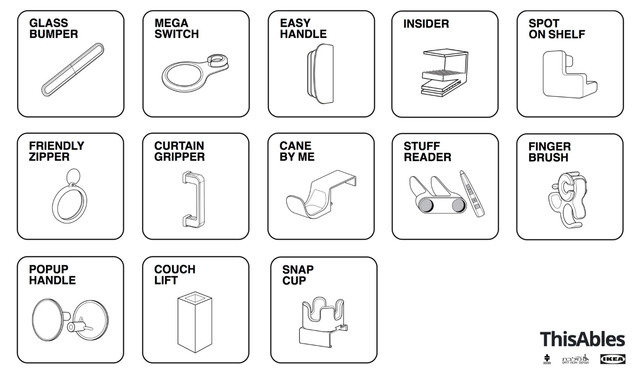
This Ables, a project developed by IKEA and the non-profit organizations Milbat and Access Israel, provides an excellent resource for how to create an equitable design in the smallest and simplest of details. From door handles that are can be opened with a forearm to a couch lift that enables users to sit down and get up easily, these 13 products are available to the general public on ThisAbles.com. Some products can even be 3D-printed independently.
See the video below for more details of the project.
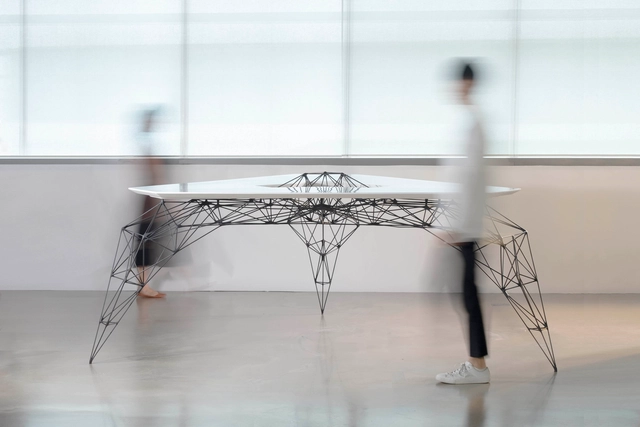
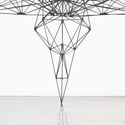
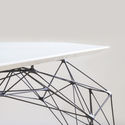
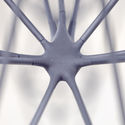
A sturdy featherweight table? Sounds... contrary to reason. But this contradiction was the very impetus for the design. Created for a research center that’s pushing the boundaries of design and manufacturing using technology and science, the designers--AIRLab, in collaboration with DManD-- sought to dematerialise the typical structure of a table, creating a sense of instability with the visual counterpoint of a solid surface.
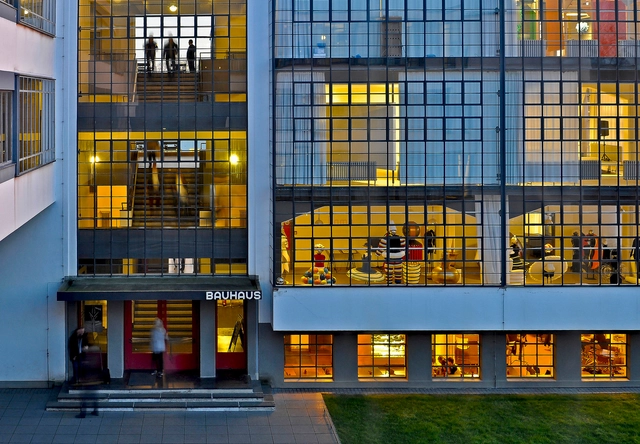
Celebrate Bauhaus 100 through the world's number one visual storytelling platform, Instagram. An essential tool for designers, Instagram is a constantly growing digital database of market sharing and stimulation. Social media has changed not only how we gather precedents and market our designs, but also our designs themselves. "Instagram Culture" drives designers to create more shareable moments. As we continue to seek these dynamic encounters, let us not forget our forefathers of user experience design and the Bauhaus school.
Los Angeles-based startup Fernish has raised $30 million to transform the $100 billion dollar furniture industry and rethink how people live today. The platform-based furniture subscription service allows users to subscribe to an entire room or specific pieces, and they can provide a range of curated designer collections. With trends around mobility and ownership, Fernish was designed for the 25 million young professionals renting their homes and planning to move within the next 12 months.
Interior spaces are a constellation of multiple elements framed by a building’s architecture. Furniture, in particular, plays a key role in defining a space, affecting the uses, comfort level, and feel of the space. Creating a coherent design that maximizes function and activates a living space requires furniture pieces that are not only aesthetically pleasing to begin but are also timeless - creating a dialogue between furniture and architecture.
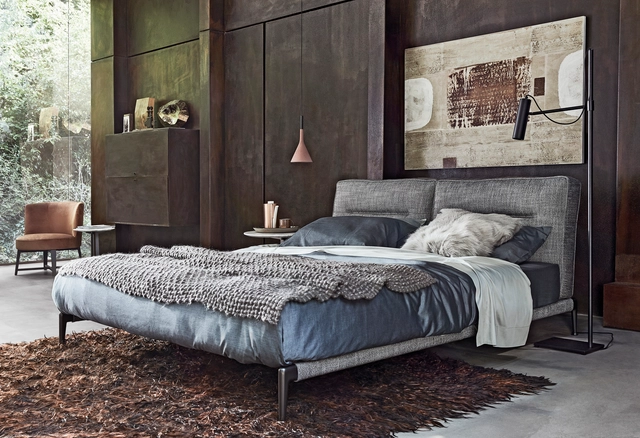
A furniture piece can be described as an extension of architecture, creating a direct connection between structure and inhabitants. The piece's geometries must mimic or complement the proportions and shapes incorporated into the architecture while accommodating the physical needs of the individual. A notable Italian furniture design company, Flexform, has utilized many of these design principles in the company’s portfolio of contemporary style furniture. Originally the handmade crafts of the Galimberti brothers in 1959, ‘Flexform di Galimberti’s’ early success led the company to expand and grow - allowing many of timeless pieces to be incorporated into the fabric of international architecture.
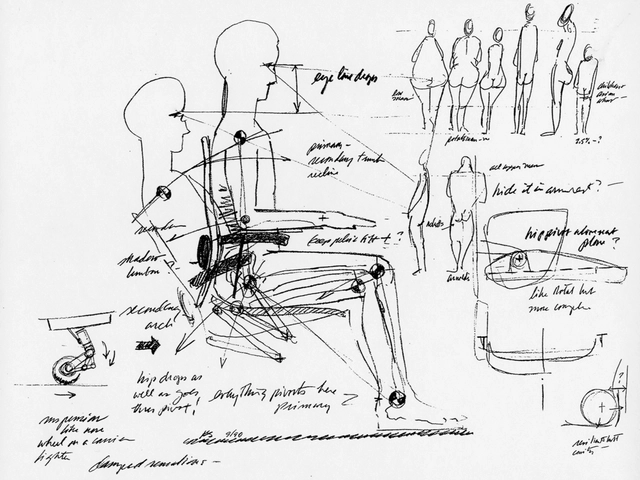
Sketches by Bill Stumpf, that show his desire to design a chair that works for all kinds of bodies. Image Courtesy of Herman Miller
It's common sense: a good design is based on people and what they really need. As architects, are we deepening enough to give the correct answers to the requirements we face in each project?
Herman Miller is a great example of this understanding. Founded in 1905 by Dirk Jan De Pree, the American company produces equipment and furnishings for offices and housing, including a high level of research to understand the human body and the way we inhabit our daily spaces. These investigations, supported by usability testing and multidisciplinary work, results in a large number of furniture pieces and spatial designs that are now used by people around the world.
We had the opportunity to visit their headquarters in Zeeland, Michigan to understand how these studies have been carried out for several decades.
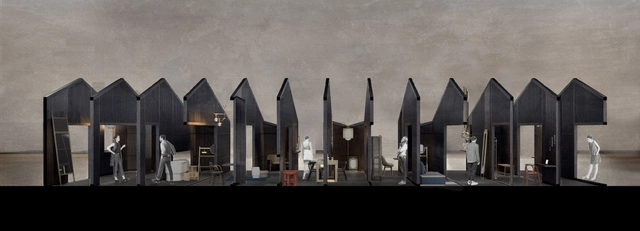
Shanghai/London-based firm Neri&Hu has published details of their “Unfolding Village” installation, set to take center stage at the StockholmFurniture & Light Fair 2019. The exhibition, taking place in February, will see Neri&Hu depart from the traditional convention of furniture fairs, often purely focused on product design, and instead actively engage with pressing social issues unique to their base country of China.
Having recently studied the issue of disappearing villages and village cultures in China, the designers were alarmed by the impact of such a disappearance on community, family, and cultural roots. With many products centered on the ideas of nostalgia, dwelling, and “the individual’s relationship within a collective,” the firm created the “Unfolding Village” exhibition to capture the essence of traditional Chinese villages.
https://www.archdaily.com/909620/unfolding-village-exhibition-celebrates-vanishing-cultures-of-gossip-and-eavesdroppingNiall Patrick Walsh
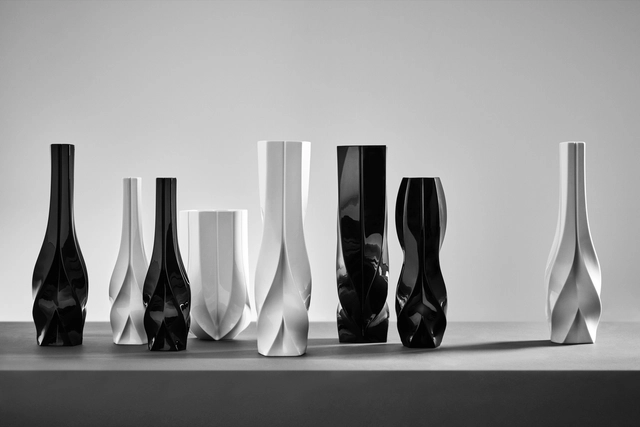
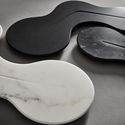
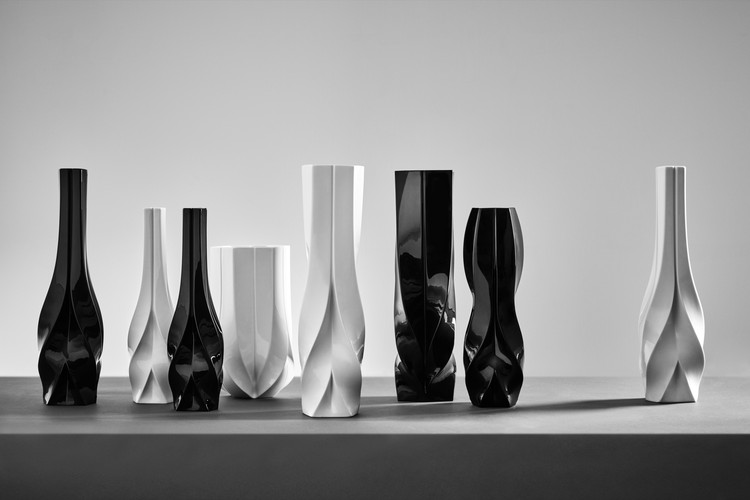
Zaha Hadid Design has released images of its latest collection set to be featured at the Maison et Objet 2019 in Paris later this month. The collection, embodying Zaha Hadid’s inventive process, features a Swirl bowl in crystal glass, and a monochromatic marble collection from the Cell range.
The Maison et Objet festival is described as the international authority for home décor, interior design, architecture, and lifestyle culture, with its bi-annual Paris trade fair taking place from January 18th to 22nd 2019.
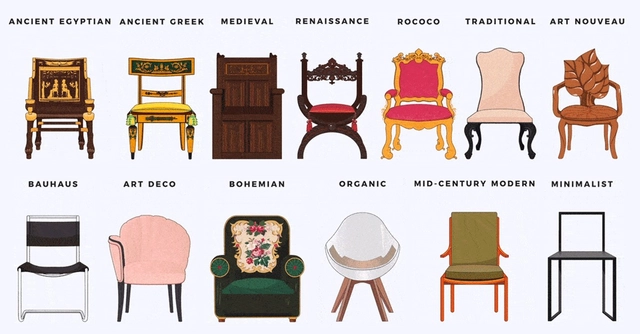
Evidence suggests that furniture was used as far back as the Neolithic period and daily life without it is unimaginable. So how has furniture changed through the ages? From the exclusive and luxury furniture of Ancient Egypt, to the functional and streamlined design of the Bauhaus – these animations created by Angie's List take you on a fascinating journey through the evolution of furniture design.
https://www.archdaily.com/901164/see-how-the-design-of-chairs-beds-and-sofas-have-evolved-through-historyAngie's List
A table and a bench. A coffee table and a mirror? Perhaps it’s a stool and a cutting board.
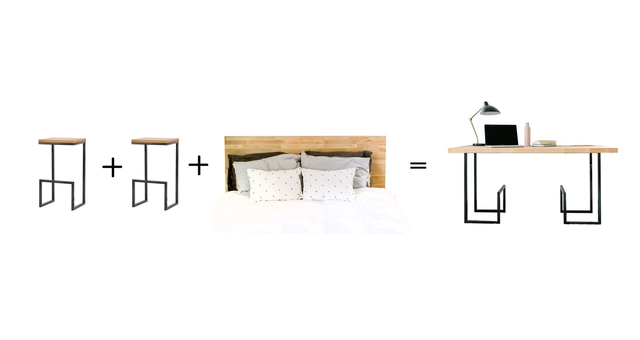
This is not a furniture identity crisis, it’s Varia, a six-piece, mix-and-match furniture collection that can create over 25 pieces of furniture, saving money, space, and time. The creators, Jamie and Laura Kickstarted their project after Jamie found herself constantly moving from one place to another, and in need of versatile material instead of having old, unnecessary furniture pieces. With just a couple of lightweight metal frames and solid hardwood accessories, the collection is ideal for compact urban living and can be transformed into different furniture pieces in no time.
In brief, this is Varia, and it is pretty much anything you want it to be.
Varia's Kickstarter ends on August 31, support Jamie and Laura's project here.
For those with $145,000 hidden down the side of their sofa, Zaha Hadid Architects has designed and released Lapella Chair, continuing their “investigations in structure and fabrication-aware tectonics by reinterpreting the iconic 1963 lounge chair by Hans J. Wegner."
Created from Italian marble, Lapella retains the proportions, scale, and recline of the original chair while introducing “contemporary stone tooling and carbon fiber composites.”
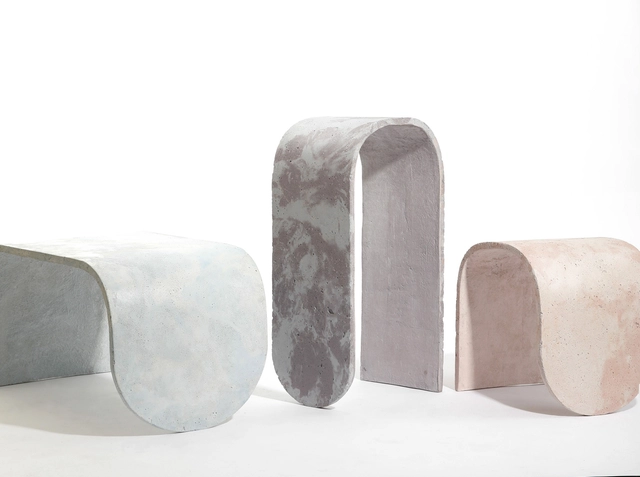
Architects and designers are turning into their very own version of Midas, everything they touch turns into concrete. With products like concrete coffee machines, concrete garden gnomes, and even concrete jewelry, designers are finding remarkable ways of experimenting with the material, proving that concrete is a lot more than just a bulky, building component.
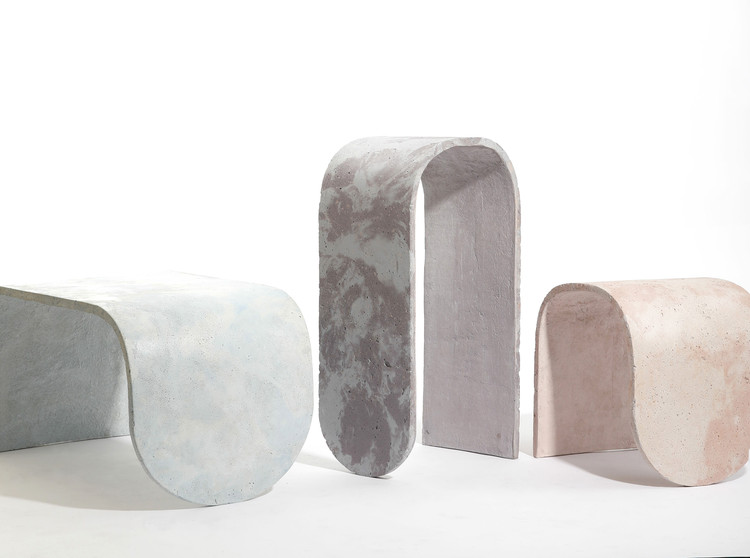
Los Angeles based architect-designer J.Byron-H, known for his playfulness with material and unexpected forms, have experimented with concrete and glass-fiber and created contemporary, light-weight pieces of furniture, inspired by skateboards and architectural brutalism.
Indoors frame how we grow - how we dwell - how we live. They are an inseparable part to a human life and furniture form a very crucial component of how this experience grows on us.
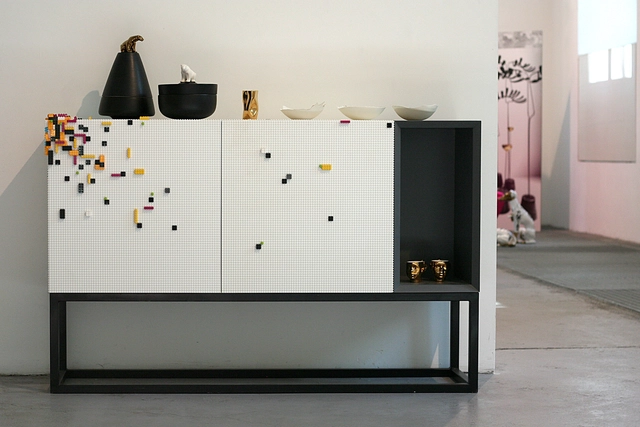
For all those Brickheads out there, interior designing has just reached another Lego-filled level. Created by an Italian team of designers, Stüda has made the dream of Lego compatible furniture a reality. Their modular furniture comes in an array of colors textured in studs that are capable of holding the infamous bricks and can be customized to your heart’s content.
Videos
What’s best for the left-over spaces from our criss-crossing cities infrastructures?
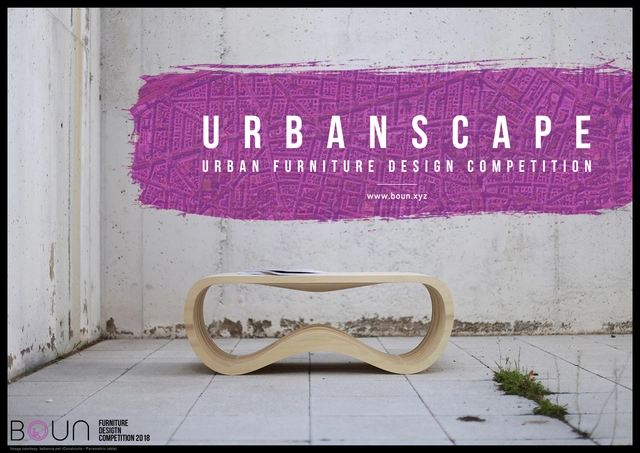
BOUN Serves as a unit block for UNI in the field of furniture design. It will be a platform for experimentation and conceptual exchange of ideas for furniture designs happening at various levels. The program intends to bring out some extraordinary design ideas and designers across the globe to help them in realizing their great Ideas.











.jpg?1547730450 "Courtesy of Neri&Hu")
.jpg?1547730380 "Courtesy of Neri&Hu")
.jpg?1547730372 "Courtesy of Neri&Hu")
.jpg?1547730466 "Courtesy of Neri&Hu")