1. ArchDaily
  2. Food Security

Food Security: The Latest Architecture and News

An Ancestral Legacy with Modern Concerns: The Story Behind the Waru Waru Agricultural Fields in Peru

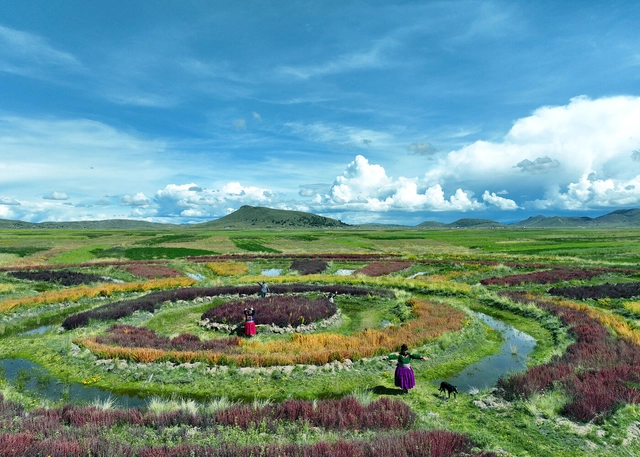
Offering a path toward resilience and food security in the alluvial plains of Lake Titicaca, the Waru Waru agricultural fields are spread across the Peruvian highlands and constitute an ancient agricultural system. Connecting an ancestral legacy with modern concerns about water and food security, climate resilience, and sustainable land management, these agricultural systems open the debate about efficient water management and the importance of agricultural biodiversity. At the same time, they are part of the sense of identity and pride of the local Aymara community, consolidating cultural knowledge that is passed down and preserved across generations.
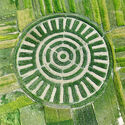
An Ancestral Legacy with Modern Concerns: The Story Behind the Waru Waru Agricultural Fields in Peru - Image 1 of 4An Ancestral Legacy with Modern Concerns: The Story Behind the Waru Waru Agricultural Fields in Peru - Image 2 of 4An Ancestral Legacy with Modern Concerns: The Story Behind the Waru Waru Agricultural Fields in Peru - Image 3 of 4An Ancestral Legacy with Modern Concerns: The Story Behind the Waru Waru Agricultural Fields in Peru - Image 4 of 4An Ancestral Legacy with Modern Concerns: The Story Behind the Waru Waru Agricultural Fields in Peru - More Images+ 1

Slow Architecture as an Ethical Practice of Design and Construction

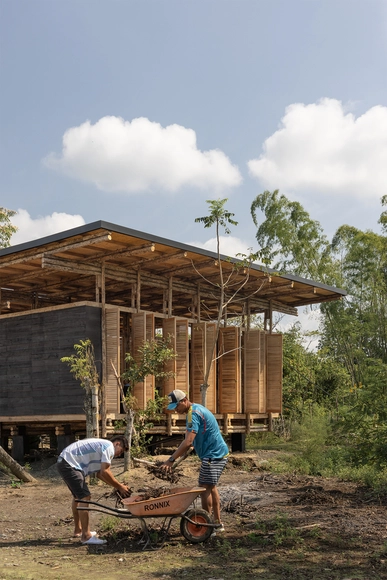
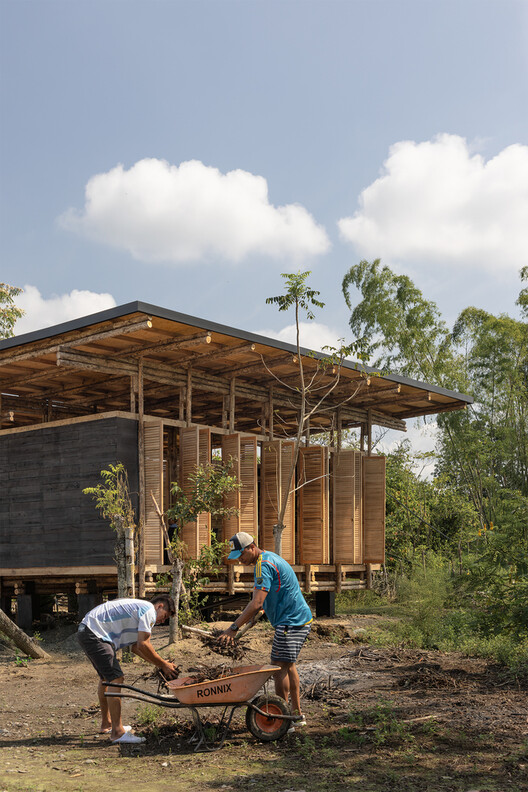
At the Bruder Klaus Field Chapel, designed by Peter Zumthor, the construction process involved the direct participation of residents from the small Swiss village of Mechernich. Using an internal formwork made of vertically placed wooden logs, concrete was prepared in small batches and poured manually, day after day, forming layers marked by subtle variations in the mix and application. At the end of the process, the wooden structure was reduced to ashes, leaving the chapel's interior impregnated with traces of fire and revealing a dark, tactile surface. The result was a quiet and deeply meaningful space, where collective action, time, and material transformation became part of the architecture. Centered on locally available resources and manual techniques, this construction method highlights how the choice of materials and building system can shape the experience of a space, reveal the time invested, and embed the culture of a place into the very matter of architecture. In doing so, it offers an example of how construction itself can become a regenerative act, restoring meaning, connecting communities, and honoring material cycles.

Slow Architecture as an Ethical Practice of Design and Construction - Image 1 of 4Slow Architecture as an Ethical Practice of Design and Construction - Image 2 of 4Slow Architecture as an Ethical Practice of Design and Construction - Image 3 of 4Slow Architecture as an Ethical Practice of Design and Construction - Image 4 of 4Slow Architecture as an Ethical Practice of Design and Construction - More Images+ 6