1. ArchDaily
  2. Fondazione Querini Stampalia

Fondazione Querini Stampalia: The Latest Architecture and News

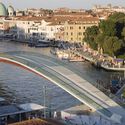
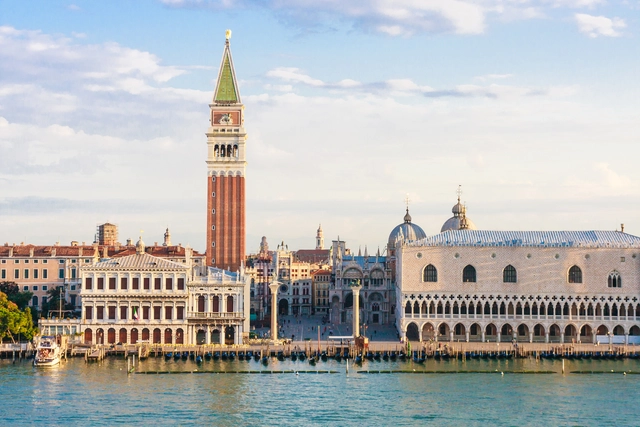
Venice Architecture City Guide: 15 Historical and Contemporary Attractions to Discover in Italy’s City of Canals

Built on a cluster of 118 small islands in the shallow Venetian Lagoon, the city of Venice, Italy, has captivated the imagination of architects and tourists alike. The area has been inhabited since ancient times, becoming a major financial and maritime power during the Middle Ages and Renaissance, as proven through the rich architecture that characterizes the city to this day. With influences from the Byzantine, Gothic, and Renaissance styles, the city represents a palimpsest of architectural narratives, overlapping and influencing each other. In recent years, Venice has become a major attraction for architects drawn to the La Biennale di Venezia, the most important Architectural Exhibition featuring national pavilions, exhibitions, and events to explore new concepts and architectural innovations.

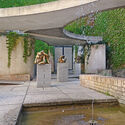
Beyond the Biennale, Venice itself is an open-air museum for architecture lovers. While the city is best known for its historical buildings, Modernist and contemporary interventions add a new layer of interest, with many contemporary architects working with the historical fabric, like OMA's intervention and rehabilitation of Fondaco dei Tedeschi, or David Chipperfield's renovation of Procuratie Vecchie, one of the buildings that define Piazza San Marco. In addition to what the city has to offer, the site of the Venice Biennale is also marked by interventions by famous architects such as Carlo Scarpa, Sverre Fehn, and Alvar Aalto, made permanent due to their outstanding qualities.
Venice Architecture City Guide: 15 Historical and Contemporary Attractions to Discover in Italy’s City of Canals - Image 1 of 4Venice Architecture City Guide: 15 Historical and Contemporary Attractions to Discover in Italy’s City of Canals - Image 2 of 4Venice Architecture City Guide: 15 Historical and Contemporary Attractions to Discover in Italy’s City of Canals - Image 3 of 4Venice Architecture City Guide: 15 Historical and Contemporary Attractions to Discover in Italy’s City of Canals - Image 4 of 4Venice Architecture City Guide: 15 Historical and Contemporary Attractions to Discover in Italy’s City of Canals - More Images+ 11

DoorScape Entrance Architecture Contest: Exploring the Space Beyond the Threshold

 | Sponsored Content

The role of a building’s entrance area is critical in a world where first impressions are everything. It anticipates what is to come, marks the starting point to an architectural journey and sets the tone for the rest of the interior. As a practical “passageway” between different places, an entrance connects and unites, but at the same time separates, protects and provides safety for both homeowners and visitors. Thus, every aspect conveys specific formal features to serve that purpose; from the position of the door, to the shape of the threshold, to the structure of the ceiling.

Ando, Botta & Glancey on the Dream of Venice, Photographed by Riccardo De Cal

Subscriber Access | 
Ando, Botta & Glancey on the Dream of Venice, Photographed by Riccardo De Cal - Image 5 of 4
© Riccardo De Cal

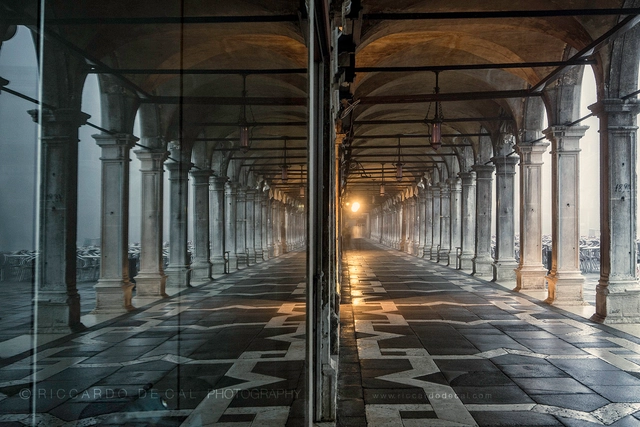
Dream of Venice Architecture, the second in a series by Bella Figura Publications, has brought together a collection of contemporary architects and architectural writers to share their personal experiences of La Serenissima: the great Italian city of Venice. "Water runs through her veins," Editor JoAnn Locktov writes. "Bridges, palaces, churches – every structure is a testament to the resiliency of imagination."

Riccardo De Cal: Into the Labyrinth — architetture veneziane

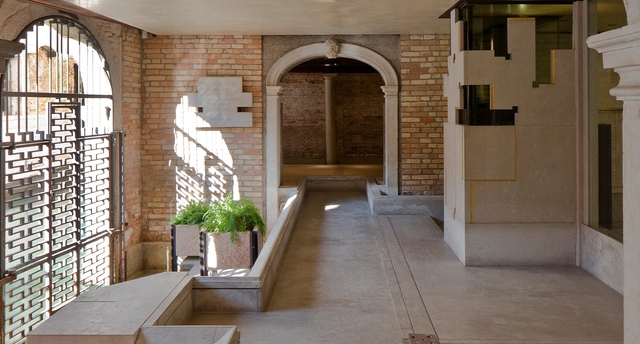
Riccardo De Cal presents his exhibition Into the Labyrinth at Fondazione Querini Stampalia in Venice, Italy. The exhibition will include 20 photographs, primarily selected from De Cal's new publication Dream of Venice Architecture. Inspired by novelist Jorge Luis Borges's statement that the maze, "is a building built to confuse people," De Cal has created an interior environment of metal armatures, audio recordings and photography. Designed by Melissa Siben, the exhibit is a modern three-dimensional representation of the labyrinthine structure of the city of Venice.