1. ArchDaily
  2. field research

field research: The Latest Architecture and News

Expanding Practice: Architecture Think Tanks at the Intersection of Research and Design

In architecture, most practices revolve around delivering projects to clients. Offices are shaped by deadlines, budgets, and clear briefs. While this structure produces buildings, it rarely leaves space for architects to question broader issues — about how we live, how cities are changing, or what the future demands of design. But alongside this production-focused system, a quieter movement has emerged: studios, collectives, and foundations that prioritize research, experimentation, and reflection. These are the architecture think tanks — spaces designed not to build immediately, but to think first.

The idea of a think tank is not new. Traditionally found in politics, economics, or science, think tanks bring together experts to study complex problems and propose solutions. In architecture, their rise reveals a tension at the heart of the discipline. If architecture is to remain socially and environmentally relevant, can it continue to rely only on client-driven practice? Or must it carve out space for slower, deeper inquiry?

Expanding Practice: Architecture Think Tanks at the Intersection of Research and Design - Image 1 of 4Expanding Practice: Architecture Think Tanks at the Intersection of Research and Design - Image 2 of 4Expanding Practice: Architecture Think Tanks at the Intersection of Research and Design - Image 3 of 4Expanding Practice: Architecture Think Tanks at the Intersection of Research and Design - Image 4 of 4Expanding Practice: Architecture Think Tanks at the Intersection of Research and Design - More Images+ 48

Architectural Association Visiting School Chiloé Archipelago

Marking almost 200 years since Darwin's Voyage of the Beagle, we will journey to the Chiloé Archipelago in northern Patagonia and re-explore this remote area through fieldwork, relishing the opportunity to investigate an outdoor laboratory.

Antarctic Base McMurdo Station Receives Sustainable New Master Plan

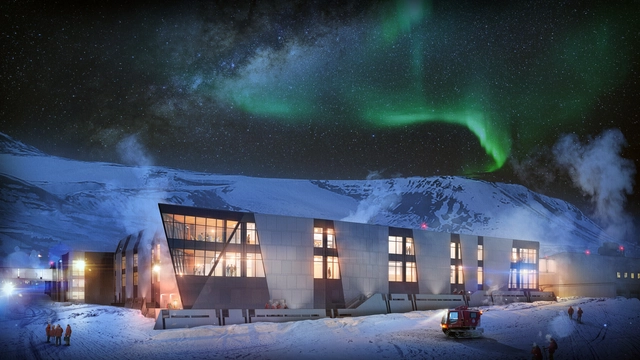
McMurdo Station, the American Antarctic base, was never meant to be a permanent settlement when it was built in 1956, yet today it is home to 250 people full-time in addition to approximately 1,000 summer workers each year. Consisting now of over 100 buildings spread across 164 acres, the settlement acts as a logistical base for field science but is dysfunctional for the scientists and researchers who live and work there and inefficient in terms of meeting the demands of Antarctica’s harsh climate. OZ Architecture has recently unveiled a new master plan for McMurdo that aims to turn the station into a model of American leadership in science, engineering, sustainability, and architecture, condensing the current sprawl into a 300,000 square foot campus composed of 6 buildings.

Antarctic Base McMurdo Station Receives Sustainable New Master Plan - Image 1 of 4Antarctic Base McMurdo Station Receives Sustainable New Master Plan - Image 2 of 4Antarctic Base McMurdo Station Receives Sustainable New Master Plan - Image 3 of 4Antarctic Base McMurdo Station Receives Sustainable New Master Plan - Image 4 of 4Antarctic Base McMurdo Station Receives Sustainable New Master Plan - More Images+ 9