1. ArchDaily
  2. Enric Miralles

Enric Miralles: The Latest Architecture and News

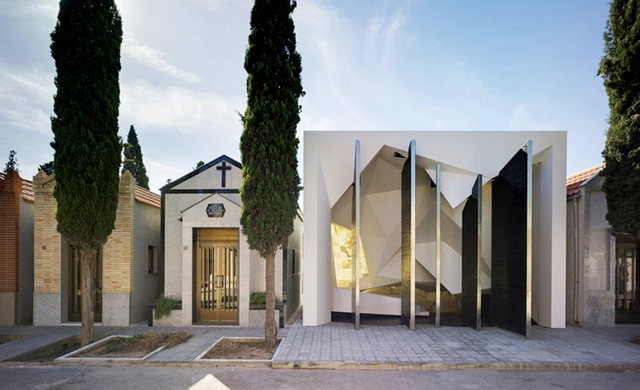
Cities of the Dead: 10 Projects Exploring Burial Architecture

Subscriber Access | 

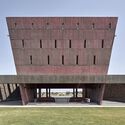
Death is a certainty, but its architecture has never been stable. Every period and culture has invented a different way of placing the dead in the world (close or far, visible or screened, monumental or almost anonymous), and those choices have always carried social and political weight. Cemeteries are where that weight becomes legible in space, turning belief and regulation into boundaries, paths, and names.

In that sense, a cemetery behaves like a piece of city-making. It needs access, limits, and an internal order that can grow without losing clarity. It depends on ground and water management as much as on symbolism, and on administration as much as on form. But its real architectural problem is how to make a large, evolving territory readable while preserving the intimacy of a visit. Names must be locatable; routes must remain legible; trees grow, paths shift, stones weather, records accumulate. What looks fixed is, in practice, a living system designed to be used and revisited, long after the first grief has passed.
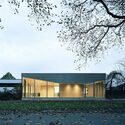
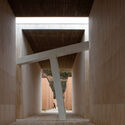
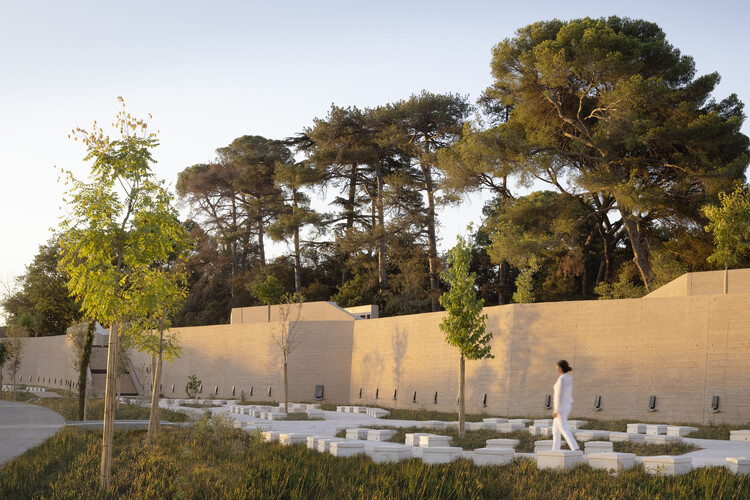
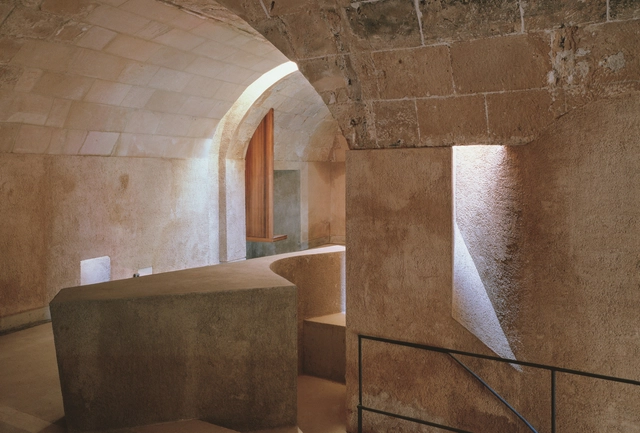
Cities of the Dead: 10 Projects Exploring Burial Architecture - Image 1 of 4Cities of the Dead: 10 Projects Exploring Burial Architecture - Image 2 of 4Cities of the Dead: 10 Projects Exploring Burial Architecture - Image 3 of 4Cities of the Dead: 10 Projects Exploring Burial Architecture - Image 4 of 4Cities of the Dead: 10 Projects Exploring Burial Architecture - More Images+ 14

“Our Projects Are like Detective Stories”: In Conversation with Eva Prats and Ricardo Flores

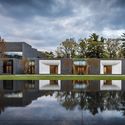
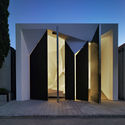
Eva Prats and Ricardo Flores started their Barcelona-based practice, Flores & Prats Arquitectes in 1998 after both worked at the office of Enric Miralles. They overlapped for about one year there, from 1993 to 1994. After her nine-year stint with Miralles, Eva won the EUROPAN III International Housing Competition with a friend. The success that led to a real commission and was going to be built, served as the springboard for starting their independent practice. Shortly thereafter they won another competition. Ricardo joined Eva after working for five years with Miralles. By then they were a couple for three years and decided to start working together. Today they practice out of the same sprawling apartment where Eva’s original studio rented a room along with several other young architects and designers. Even though the office now occupies the entire space—the architects told me they typically employ ten, no more than twelve people—they keep traces and memories of the former “dwellers” alive. Curiously, Eva and Ricardo implement the same strategy in their architectural projects as well.
“Our Projects Are like Detective Stories”: In Conversation with Eva Prats and Ricardo Flores - Image 1 of 4“Our Projects Are like Detective Stories”: In Conversation with Eva Prats and Ricardo Flores - Image 2 of 4“Our Projects Are like Detective Stories”: In Conversation with Eva Prats and Ricardo Flores - Image 3 of 4“Our Projects Are like Detective Stories”: In Conversation with Eva Prats and Ricardo Flores - Image 4 of 4“Our Projects Are like Detective Stories”: In Conversation with Eva Prats and Ricardo Flores - More Images+ 8

A New Book Chronicles the Turbulent History of Architectural Complexity

The marquee-busting title says it all: Joseph Giovannini’s Architecture Unbound is an ambitious attempt to explore the wilder shores of design and explain how and why maverick architects have dared greatly. It’s also a wide-ranging introduction to artists who laid the groundwork for architectural innovation a century ago; to the philosophers and theorists who mapped new ways of thinking, and to the complexities of chaos theory, parametric and software programs that have shaped exceptional buildings over the past few decades.

A New Book Chronicles the Turbulent History of Architectural Complexity - Image 1 of 4A New Book Chronicles the Turbulent History of Architectural Complexity - Image 2 of 4A New Book Chronicles the Turbulent History of Architectural Complexity - Image 3 of 4A New Book Chronicles the Turbulent History of Architectural Complexity - Image 4 of 4A New Book Chronicles the Turbulent History of Architectural Complexity - More Images+ 4

Parliaments of the World: Designing the Architecture of Government

Subscriber Access | 

The architecture of governments has long been tied to shared ideals. Built to reflect regional aspirations and communal organizations, parliaments are a unique type of design for legislative bodies. Generally speaking, they include various kinds of deliberative, consultative, and judicial assemblies. Exploring new ideas on the design of government buildings, parliaments are being reimagined to reflect contemporary life.

Parliaments of the World: Designing the Architecture of Government - Image 1 of 4Parliaments of the World: Designing the Architecture of Government - Image 2 of 4Parliaments of the World: Designing the Architecture of Government - Image 3 of 4Parliaments of the World: Designing the Architecture of Government - Image 4 of 4Parliaments of the World: Designing the Architecture of Government - More Images+ 7

Miralles Tagliabue EMBT Presents The Design Process of ‘Plateau Central’ Masterplan at the 2021 Venice Architecture Biennale

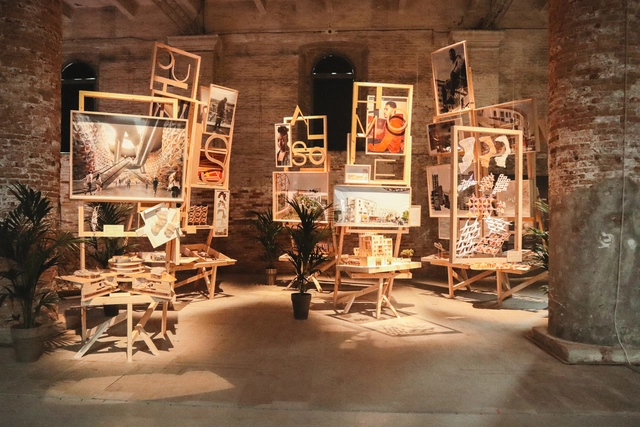
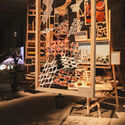
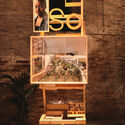
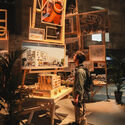
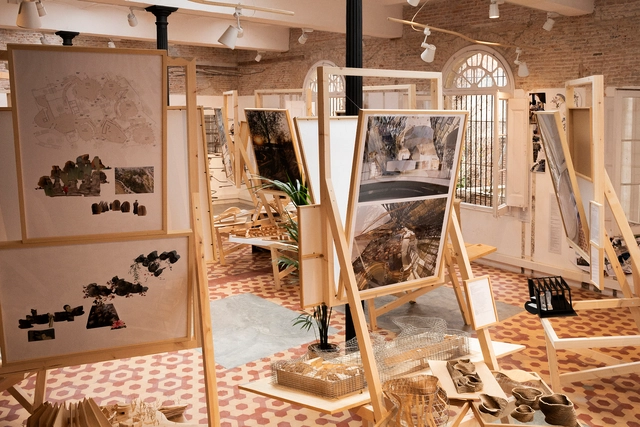
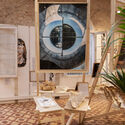
Benedetta Tagliabue - Miralles Tagliabue EMBT participates in the 17th International Venice Architecture Biennale with an installation detailing the design thinking behind Plateau Central Masterplan at Clichy-Montfermeil, Paris. Entitled Living within a Market - Outside space is also Home, the exhibition showcases a series of models, drawings, prototypes and collages which illustrate the principles of community building and social integration that underline the project. The installation also brings to Venice a display structure designed by Enric Miralles in 1996, reproduced for the first time this year for the Miralles series of exhibitions in Barcelona.

Miralles Tagliabue EMBT Presents The Design Process of ‘Plateau Central’ Masterplan at the 2021 Venice Architecture Biennale - Image 4 of 4Miralles Tagliabue EMBT Presents The Design Process of ‘Plateau Central’ Masterplan at the 2021 Venice Architecture Biennale - Image 6 of 4Miralles Tagliabue EMBT Presents The Design Process of ‘Plateau Central’ Masterplan at the 2021 Venice Architecture Biennale - Image 5 of 4Miralles Tagliabue EMBT Presents The Design Process of ‘Plateau Central’ Masterplan at the 2021 Venice Architecture Biennale - Image 3 of 4Miralles Tagliabue EMBT Presents The Design Process of ‘Plateau Central’ Masterplan at the 2021 Venice Architecture Biennale - More Images+ 16

MIRALLES Series of Exhibitions and Events Celebrates the Work of the Distinguished Architect

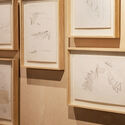
The Fundació Enric Miralles has launched MIRALLES, a series of exhibitions and events celebrating the work of the influential Catalan architect, whose passing marked twenty years in 2020. Curated by Benedetta Tagliabue and Joan Roig i Duran, the program will unfold over the course of this year in different emblematic venues in Barcelona. The first three exhibitions of the circuit inaugurated this month showcase the multiple facets of Enric Miralles through archival materials ranging from drawings and collages to photography and models, exploring his legacy in architecture and artistic creation.

MIRALLES Series of Exhibitions and Events Celebrates the Work of the Distinguished Architect - Image 1 of 4MIRALLES Series of Exhibitions and Events Celebrates the Work of the Distinguished Architect - Image 2 of 4MIRALLES Series of Exhibitions and Events Celebrates the Work of the Distinguished Architect - Image 3 of 4MIRALLES Series of Exhibitions and Events Celebrates the Work of the Distinguished Architect - Image 4 of 4MIRALLES Series of Exhibitions and Events Celebrates the Work of the Distinguished Architect - More Images+ 44

Architecture of the Afterlife: Crypts, Tombs and Mausoleums

Subscriber Access | 

Mortality defines both architecture and human experience. Throughout time, funerary structures have been designed across societies and civilizations to ground personal and shared beliefs. The idea of the afterlife shapes how these buildings are made, from symbolic monuments to vast tombs and crypts. Now a new range of modern architecture has been designed for remembrance and reflection.

Architecture of the Afterlife: Crypts, Tombs and Mausoleums - Image 1 of 4Architecture of the Afterlife: Crypts, Tombs and Mausoleums - Image 2 of 4Architecture of the Afterlife: Crypts, Tombs and Mausoleums - Image 3 of 4Architecture of the Afterlife: Crypts, Tombs and Mausoleums - Image 4 of 4Architecture of the Afterlife: Crypts, Tombs and Mausoleums - More Images+ 10

Heathcote Examines The Architecture Of Scottish Independence

Scotland have voted against independence.

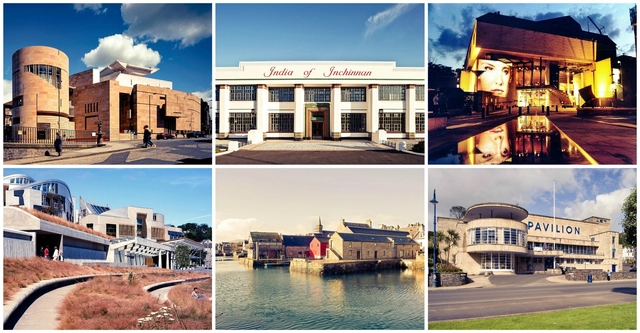
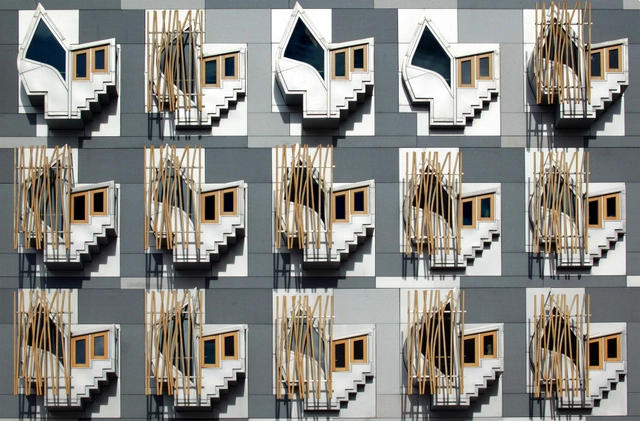
Arguably there are only two architects in history that have become almost completely synonymous with one particular city - Charles Rennie Mackintosh for Glasgow and Antoní Gaudi for Barcelona. Indeed, a Catalonian architect, Enric Miralles, designed the Scottish Parliament Building in Holyrood, Edinburgh. The fact that both of these cities are part of large enclaves who are seeking, or have sought, independence is perhaps just a coincidence. Architecture, often used as a symbol for the identity of nationhood, will certainly be part of a wider dialogue about the Union of the United Kingdom following yesterday's referendum.

Material Inspiration: 10 Projects Inspired by Concrete

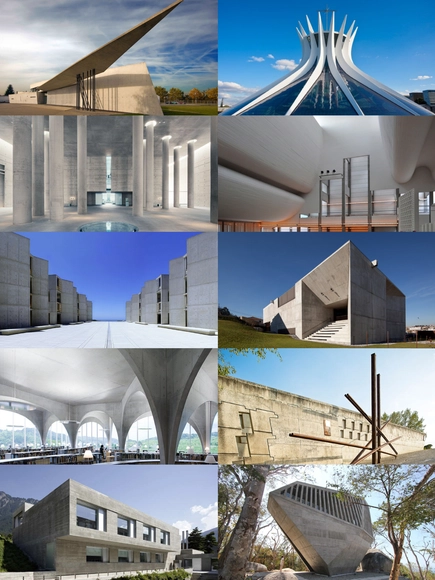
To celebrate the launch of ArchDaily Materials, our new product catalog, we've rounded up 10 awesome projects from around the world that were inspired by one material: concrete. Check out the projects after the break...

Ceramica Cumella: Shaping Ideas

Subscriber Access | 
Ceramica Cumella: Shaping Ideas - Image 13 of 4
Aichi Expo, Japan © Ceramica Cumella

From September 29th to December 8th, the exhibition dedicated to the work of Toni Cumella will be open. His works in ceramic have been utilised by architects such as Enric Miralles, Alejandro Zaera-Polo, or Jean Nouvel. These collaborations made his material became part of the image of Barcelona, being part of the construction of La Sagrada Familia, and the restoration of Casa Batlló and Parc Güell.

Focusing on the 4 main fabrication processes in use at Ceramica Cumella – extruding, casting, pressing and revolving – Shaping Ideas presents the work of Toni Cumella and the application of his ceramics in some of contemporary architecture’s most significant projects.