

-
Architects: Walters & Cohen Architects
- Area: 940 m²
- Year: 2023
-
Manufacturers: St Skoleinventar, Tecomak




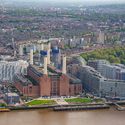
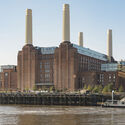
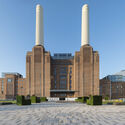
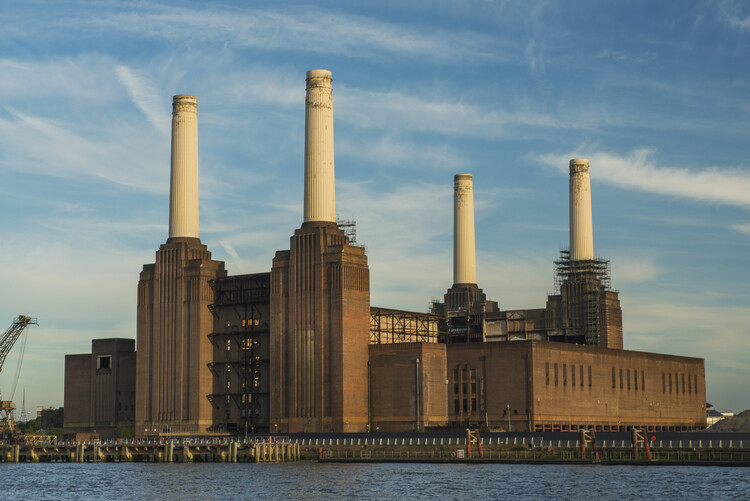
Battersea Power Station is a former coal-fired power station located on the south bank of the River Thames in London, originally designed by architects J. Theo Halliday and Giles Gilbert Scott. Notable for its appearance on the cover of Pink Floyd's 1977 studio album Animals and in Alfred Hitchcock's 1936 film Sabotage, the station is one of the world's largest brick buildings and is known for its Art Deco interior fittings and décor. Recognized today as part of modern industrial heritage, the site's transformation into a commercial development began in 2012, with the adaptive reuse guided by a masterplan designed by Rafael Viñoly. On February 16, Battersea Power Station announced the appointment of the strategic urban design practice Studio Egret West to evolve the original masterplan for the remaining 16 acres of the 42-acre riverside neighbourhood in the southwest London.


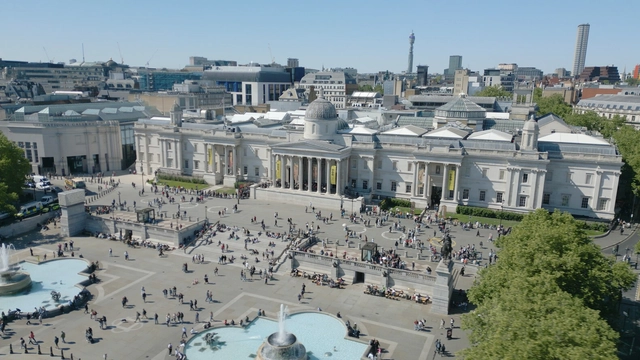
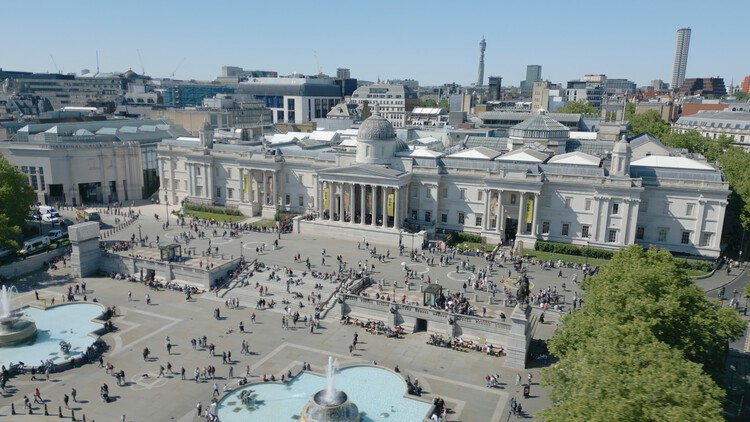
The National Gallery in London has announced six shortlisted teams for the design of a major expansion that will extend the museum into the St. Vincent House site, marking what officials describe as the most significant transformation in its 200-year history. The competition, launched in September 2025, received 65 submissions from international practices. Shortlisted proposals will shape a new wing intended to accommodate the Gallery's growing collection, welcome increasing visitor numbers, and redefine the public realm between Leicester Square and Trafalgar Square. The teams moving forward include Farshid Moussavi Architecture with Piercy & Company, Foster + Partners, Kengo Kuma and Associates with BDP and MICA, Renzo Piano Building Workshop with William Matthews Associates and Adamson Associates, Selldorf Architects with Purcell, and Studio Seilern Architects with Donald Insall Associates, Vista Building Safety, and Ralph Appelbaum Associates. The selected architect and wider technical design team are expected to be appointed by April 2026.
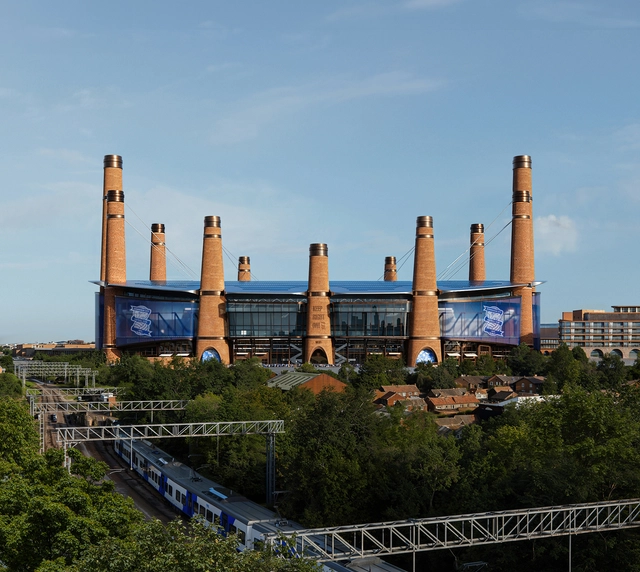
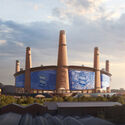
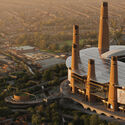
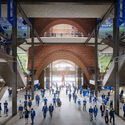
Heatherwick Studio and MANICA Architecture have released the design for Birmingham City Football Club's new stadium, set to anchor the forthcoming Birmingham Sports Quarter in East Birmingham, England. The 62,000-seat venue, planned for Bordesley Green, forms part of a wider redevelopment strategy and coincides with the club's 150th anniversary. Developed through a competition led by filmmaker Steven Knight, the project aims to introduce a multifunctional sports and cultural venue integrated into its urban context.

Vernacular architecture is often referred to as harboring lessons for creating low-energy buildings and the fight against climate change. Yet, as weather patterns are changing, there are cases where traditional building techniques are themselves becoming at risk. As well as changes in temperature, different regions have faced becoming wetter or drier, experiencing increased risk of droughts, flooding, storms, and changes to local flora. The painted houses of Tiébélé in Burkina Faso, recognized as a UNESCO World Heritage Site, are one example.
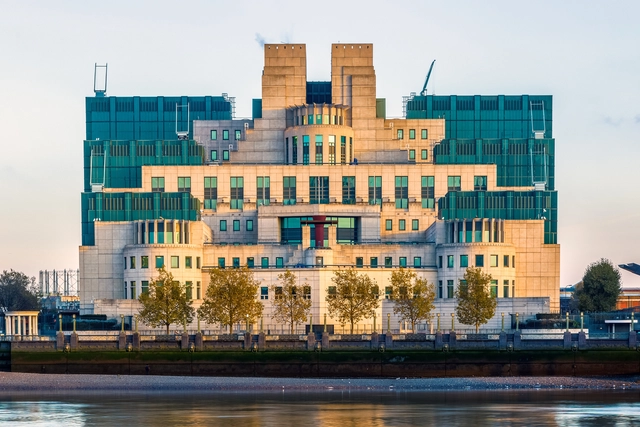
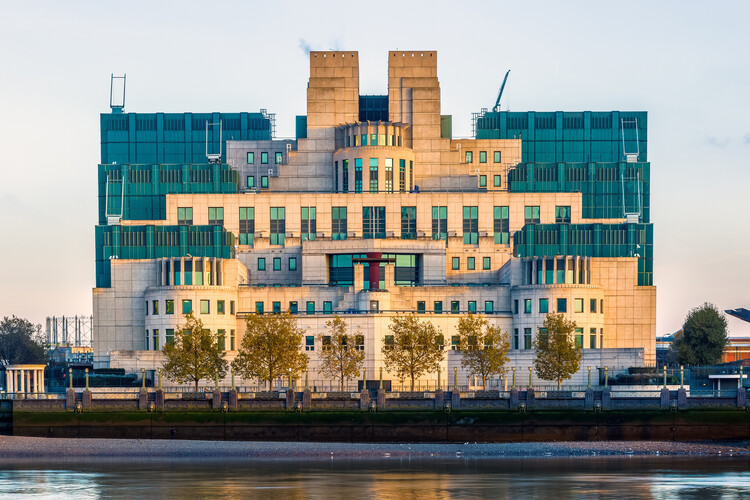
Farrells, the London-based architecture and urban design practice, announced earlier today the death of its founder, architect Sir Terry Farrell. The firm highlighted Farrell's commitment to questioning architectural convention and his advocacy for more responsible, contextual, and community-driven approaches to urban development, seeking creative alternatives to wholesale demolition and rebuild. His death follows that of his early collaborator Nicholas Grimshaw, with whom he founded the Farrell/Grimshaw Partnership in 1965. Together they produced functionalist, modern buildings defined by their structural clarity, before Farrell established his independent voice as one of the leading figures of British Post-Modernism, designing some of the movement's most recognisable works, including London's MI6 Building and the TV-am studios in Camden.
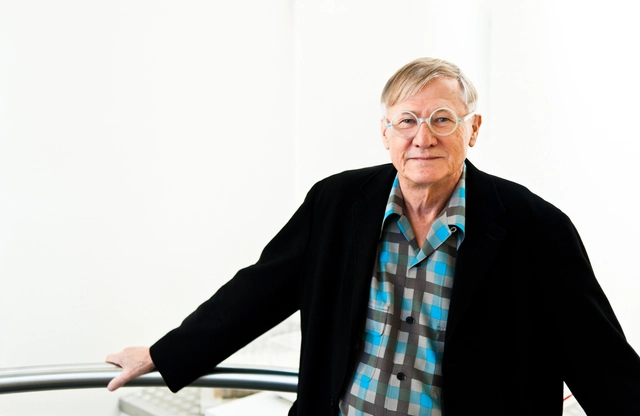
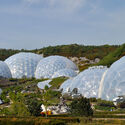
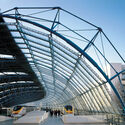
Sir Nicholas Grimshaw, the British architect known for advancing high-tech architecture and for founding the practice Grimshaw, has died at the age of 85. Over a career spanning more than five decades, he delivered public and infrastructure projects that emphasized structural clarity, advanced engineering, and utility. His major works include Waterloo International, the original Eurostar terminal in London; the Eden Project in Cornwall; the Financial Times Printworks; and major transport hubs around the world. Knighted in 2002 for his services to architecture, he helped define an era of British and international design. He served as President of the Royal Academy of Arts from 2004 to 2011 and was awarded the Royal Institute of British Architects' Royal Gold Medal in 2019.

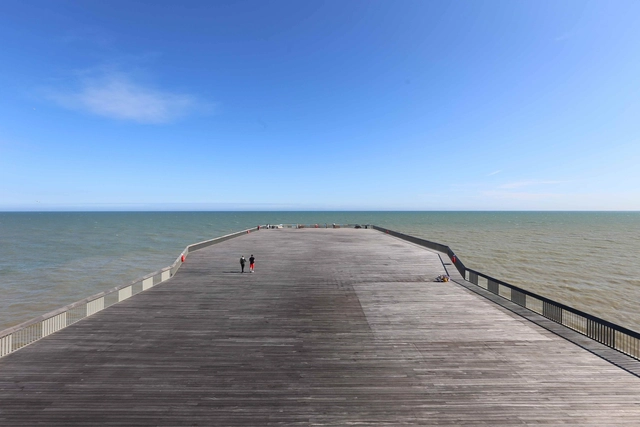
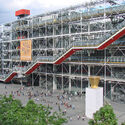
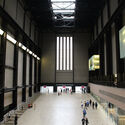
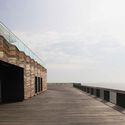
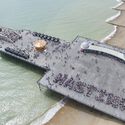
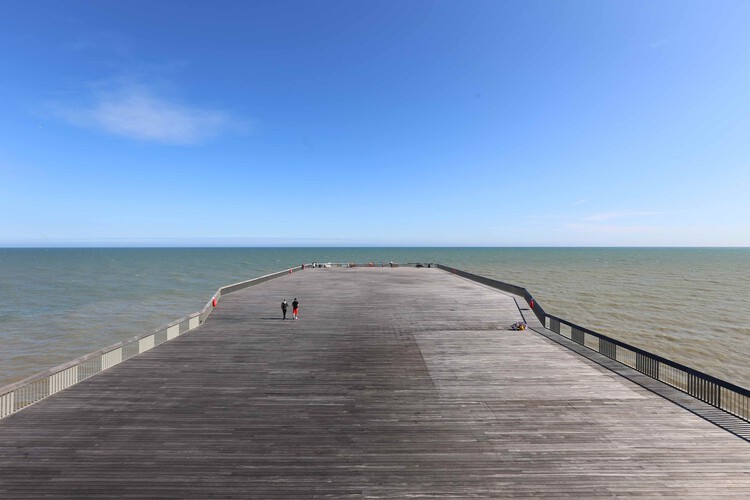
Whether for design competitions or architectural awards, buildings are often judged for what they offer–the programmed functions, the form, or the visual delight. In a minority of cases, it is the absence or the reduction of intervention that made a project successful. In 1971, a high-profile architectural competition in Paris was won by a proposal that only utilized half the available site, giving the rest as an urban space to the city. In London, a proposal to convert a disused power station with minimal additions, leaving large spaces untouched, won a design competition in 1994. The Stirling Prize, the UK's most prestigious architectural award, in 2017 was won by a proposal that was little more than an empty platform. These examples of cultural buildings from Northwestern Europe illustrate how the absence of intervention can provide more.
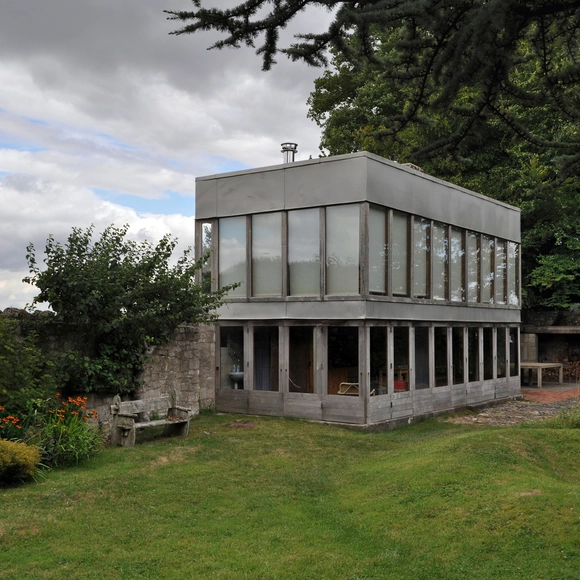
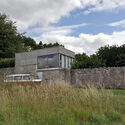
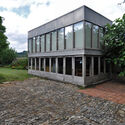
Nestled near the ruins of Fonthill Abbey in the English countryside, Upper Lawn Pavilion — also known as the Solar Pavilion — is a modest yet profound architectural experiment by Alison and Peter Smithson. Built between 1959 and 1962 as a weekend retreat and laboratory for ideas, the pavilion embodies their ethos of economy, material honesty, and respect for context, reflecting the pioneering spirit of New Brutalism.
Upper Lawn's thoughtful interplay between the new and the existing is particularly compelling. Built on the remains of an 18th-century English farmhouse, the pavilion repurposes thick masonry walls from the original structure, incorporating elements such as the well, trees, and lawn into its design. Using prefabricated materials like timber, glass, and aluminum, the Smithsons constructed a light-filled space that harmonizes with its surroundings, embodying their principle of "as found architecture" — a concept rooted in honoring and adapting to preexisting conditions rather than imposing on them.
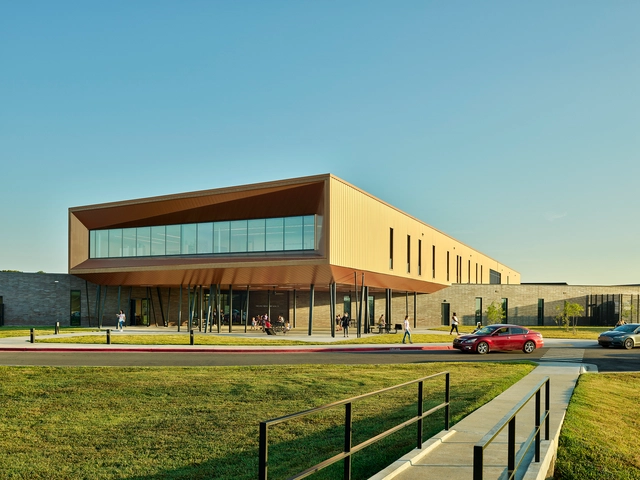
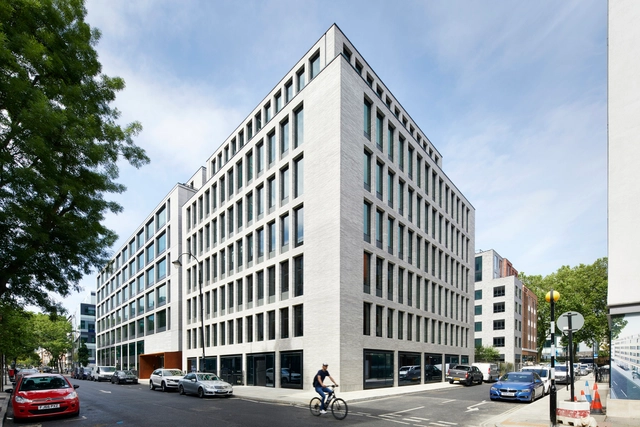
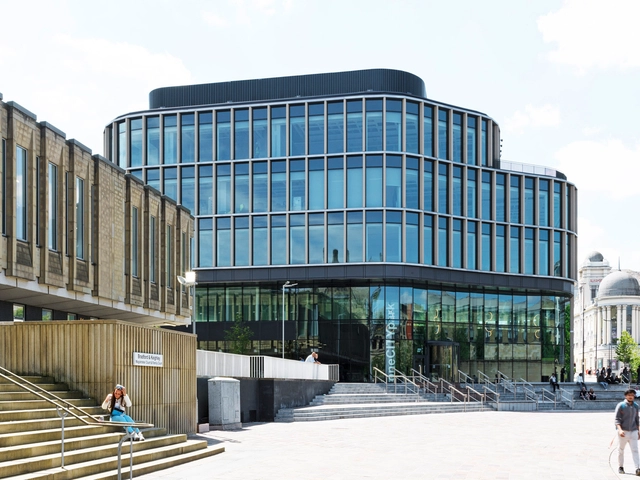
Contemporary architecture evolves in tandem with the materials and construction techniques available in each region. In addition to the architectural trends of the moment or historical ideas that may inspire creativity, understanding how materials are used, cared for, and maintained, as well as their technical and aesthetic properties, is crucial to the concepts envisioned by many architects. Each material carries its own inherent logic. In fact, architect Louis Kahn suggested that the way materials interact can lead to unavoidable combinations of structure, walls, and assembly in buildings. Rieder products exemplify this by offering modular, flexible solutions that help buildings seamlessly adapt to urban environments, enhancing both interior and exterior spaces while maintaining cost-effectiveness.