1. ArchDaily
  2. Dwelling Space

Dwelling Space: The Latest Architecture and News

Lina Ghotmeh — Architecture Envisions a Landscape-Inspired Desert Dwelling in AlUla, Saudi Arabia

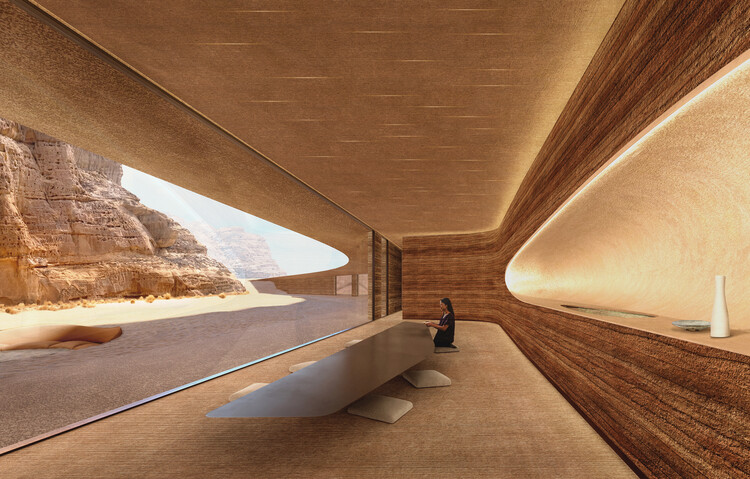
Lina Ghotmeh — Architecture recently revealed images of the AlUla Immersive Living project, a proposed dwelling envisioned to emerge from the desert landscape of Saudi Arabia. Its form is shaped by the site's light and wind, rooted in climate, and positioned between rock and dune. The design follows the concept of a shelter belonging as much to the desert as to its inhabitants, and behaving as a "living landscape." The structure is conceived with thick rammed-earth walls, contrasted by open platforms that frame the sky. It is presented as a statement of architecture intended "not to dominate but to host," providing refuge without severing connections, reflecting Lina Ghotmeh's position at the intersection of context, craft, and care.
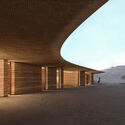
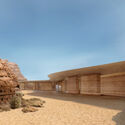
Lina Ghotmeh — Architecture Envisions a Landscape-Inspired Desert Dwelling in AlUla, Saudi Arabia - Image 1 of 4Lina Ghotmeh — Architecture Envisions a Landscape-Inspired Desert Dwelling in AlUla, Saudi Arabia - Image 2 of 4Lina Ghotmeh — Architecture Envisions a Landscape-Inspired Desert Dwelling in AlUla, Saudi Arabia - Image 3 of 4Lina Ghotmeh — Architecture Envisions a Landscape-Inspired Desert Dwelling in AlUla, Saudi Arabia - Image 4 of 4Lina Ghotmeh — Architecture Envisions a Landscape-Inspired Desert Dwelling in AlUla, Saudi Arabia - More Images+ 29

ADUs Are Not Enough for California

This article was originally published on Common Edge.

ADUs or accessory dwelling unit, a word mostly used by architects, is "a smaller, independent residential unit located on the same lot as a stand-alone single-family home" according to the American Planning Association. They can be converted spaces of existing houses, additions, or new stand-alone structures. In this piece, author Walter explores the recent policies in California that seek to reduce the shortage of housing.

Evolution of the House Plan in Europe: from the Industrial Revolution to the Interwar Period

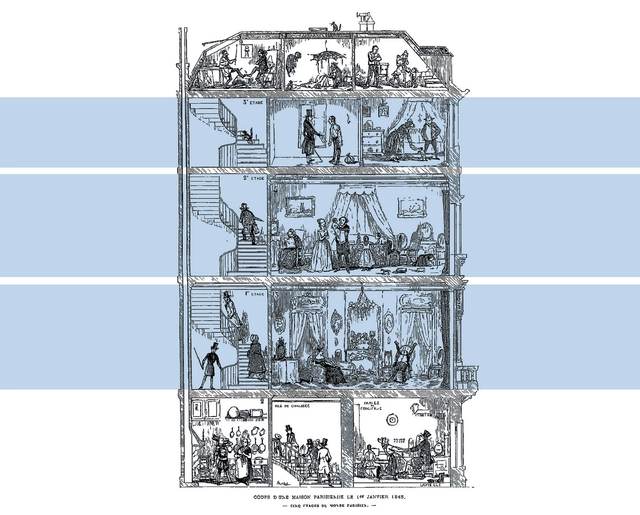
The introduction of new techniques and materials, along with innovations in indoor plumbing systems, resulting from the industrial revolution, paved the way for vertical living. Investigating specifically a period of time where a flux of population was driven to cities, and social class divisions were being questioned, this article looks back at the evolution of the house plan in Europe between 1760 and 1939.

Tackling the transformation of the housing unit during the industrial revolution all the way to the interwar period, this feature highlights four prominent examples that rethought traditional layouts and responded to the challenges of their time. Still influential today, the mentioned models, restored for use, happen to be part of the 21st-century urban fabric. Located in London, Paris, Amsterdam, and Moscow, the plans showcase the ever-changing interior wellbeing standards, directly linked to a broader metamorphosis, equalizing and providing for growing urban populations. Discover the evolution of living units from the Back to Back Houses to the Garden Cities of England; the Haussmannien Block, a Vertical Living for a Modern Bourgeoisie; the Extension of Amsterdam, from Alcove Housing to Social Housing Blocks; and the Transition Type House in Russia.

Evolution of the House Plan in Europe: from the Industrial Revolution to the Interwar Period  - Image 1 of 4Evolution of the House Plan in Europe: from the Industrial Revolution to the Interwar Period  - Image 2 of 4Evolution of the House Plan in Europe: from the Industrial Revolution to the Interwar Period  - Image 3 of 4Evolution of the House Plan in Europe: from the Industrial Revolution to the Interwar Period  - Image 4 of 4Evolution of the House Plan in Europe: from the Industrial Revolution to the Interwar Period  - More Images+ 16