1. ArchDaily
  2. DISSING + WEITLING architecture

DISSING + WEITLING architecture: The Latest Architecture and News

Copenhagen Architecture City Guide: 44 Projects Defining the Capital of Human-Scale Design

Subscriber Access | 

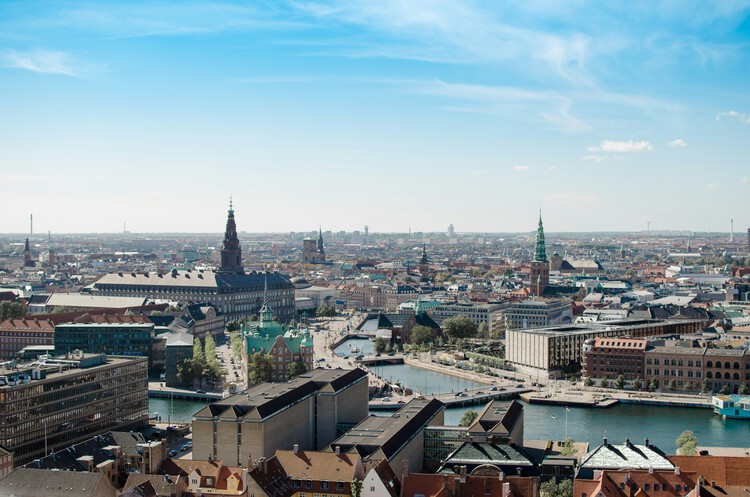
Copenhagen is long famous as the global capital of human-scale design and livability. Today, the city has widened its focus and is an active space where mid-century Scandinavian modernism meets the modern demands of climate adaptability, material circularity, radical conservation, and neighborhood density. During the first-ever Copenhagen Architecture Biennial, in 2025, the city transformed into a global platform for dialogue under the theme "Slow Down," exploring how architecture can respond to global pressures by rethinking the pace of change. And this year's 13th edition of the 3daysofdesign Festival will explore the theme of "Make This Moment Matter", encouraging the global design community to step away from digital noise and mass production to focus on the present.
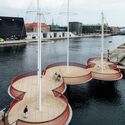
Copenhagen Architecture City Guide: 44 Projects Defining the Capital of Human-Scale Design - Image 1 of 4Copenhagen Architecture City Guide: 44 Projects Defining the Capital of Human-Scale Design - Image 2 of 4Copenhagen Architecture City Guide: 44 Projects Defining the Capital of Human-Scale Design - Image 3 of 4Copenhagen Architecture City Guide: 44 Projects Defining the Capital of Human-Scale Design - Image 4 of 4Copenhagen Architecture City Guide: 44 Projects Defining the Capital of Human-Scale Design - More Images+ 43

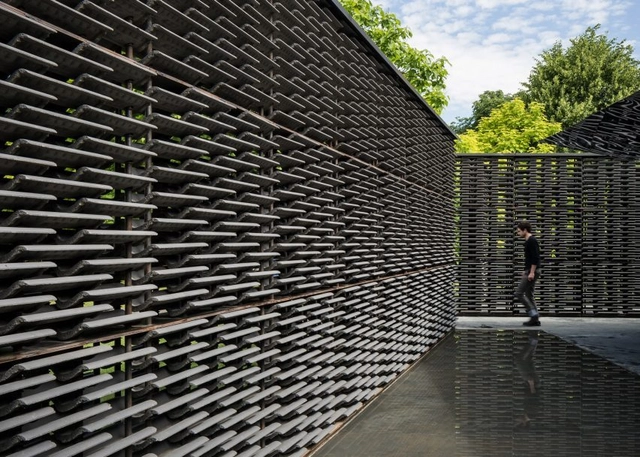
Frida Escobedo, Designer of the Serpentine Pavilion, Among 2019 RIBA International Fellows

The Royal Institute of British Architects (RIBA) unveiled the seven laureates of the 2019 International Fellowships, a "lifetime honor allows recipients to use the initials Int FRIBA after their name," recognizes the contributions that architects across the world outside of the UK have made in the field of architecture. Previously awarded to architects such as Jeanne Gang and Phillip Cox, the annual Fellowship emphasizes not only the impact of architects' work in their respective homelands but also their global influence.

A juror's committee, consisting of Ben Derbyshire, RIBA President; Lady Patty Hopkins, a 1994 RIBA Gold Medalist; Bob Shiel, a professor at the Bartlett School of Architecture; Wasfi Kani, a 2018 Honorary Fellow; and Pat Woodward RIBA, of Matthew Lloyd Architects, awarded the 2019 Fellows. The fellowships will be presented in London in February 2019.

Frida Escobedo, Designer of the Serpentine Pavilion, Among 2019 RIBA International Fellows - Image 1 of 4Frida Escobedo, Designer of the Serpentine Pavilion, Among 2019 RIBA International Fellows - Image 2 of 4Frida Escobedo, Designer of the Serpentine Pavilion, Among 2019 RIBA International Fellows - Image 3 of 4Frida Escobedo, Designer of the Serpentine Pavilion, Among 2019 RIBA International Fellows - Image 4 of 4Frida Escobedo, Designer of the Serpentine Pavilion, Among 2019 RIBA International Fellows - Image 5 of 4Frida Escobedo, Designer of the Serpentine Pavilion, Among 2019 RIBA International Fellows - Image 6 of 4Frida Escobedo, Designer of the Serpentine Pavilion, Among 2019 RIBA International Fellows - Image 7 of 4Frida Escobedo, Designer of the Serpentine Pavilion, Among 2019 RIBA International Fellows - More Images+ 3

DISSING+WEITLING Wins Competition for Scenic Pedestrian Bridge in China

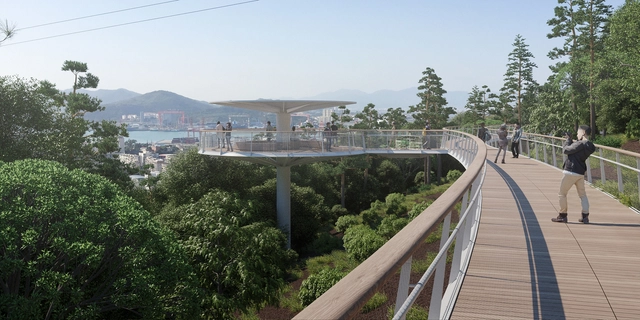
Nearly a year after opening its "Xiamen Bicycle Skyway," DISSING+WEITLING Architecture has won another major infrastructure project in the Chinese city. The winning design, "Xiamen Footpaths," is set to be a 21-kilometer network of paths and bridges creating a large-scale network connecting the surrounding nature and the budding metropolis of Xiamen.

Much like DISSING+WEITLING's "Bicycle Snake" did for bicycles in Copenhagen, the "Xiamen Footpaths" will improve the traveling conditions and city experience for pedestrians in the bustling city of Xiamen.

Video: The Bicycle Snake / Dissing+Weitling

Subscriber Access | 

The Louisiana Channel recently paid a visit to one of the world's most bike-friendly cities to view what is dubbed "Copenhagen's new architectonic landmark," Dissing+Weitling Architecture's "The Bicycle Snake." "Strikingly slender" and boasting a simple orange track, the Bicycle Snake is a 230 meter bridge dedicated entirely to bikes. The steel bridge tries not to "be more that it actually is," unlike many other landmarks, connecting bicyclists to two main parts of the city by elevating them up to seven meters above the sea.

How to Design Elevated Cycling Structures that Actually Work

Subscriber Access | 

There's no doubt about it - cycling in cities is a big deal these days. But, while cycle lanes and bike-sharing schemes are all well and good for our cities, the cycling revolution hasn't yet brought us many examples of beautifully designed infrastructure to gawp at. This article, originally printed on The Dirt as "Do Elevated Cycletracks Solve Problems or Just Create More?" discusses two seemingly similar examples of high profile cycling infrastructure, examining why one is a success and the other a non-starter.

This year, two designs – one proposed and one built – for elevated cycletracks, which create bicycle highways above street level, have gained considerable media attention. They highlight questions at the heart of urban design: Should cities blend or separate transportation options? How can cities best mitigate the hazards created when cars, bikes, mass transit, and pedestrians mix? How can cities create low-cost transportation networks in increasingly dense urban cores?