1. ArchDaily
  2. Design Tool

Design Tool: The Latest Architecture and News

The Plan and the Prompt: How AI Is Rewiring Design and Practice

Subscriber Access | 

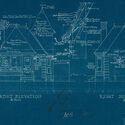
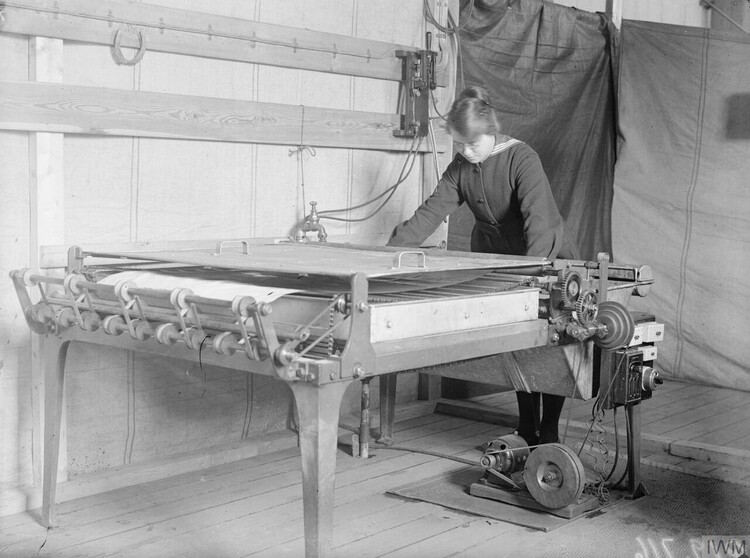
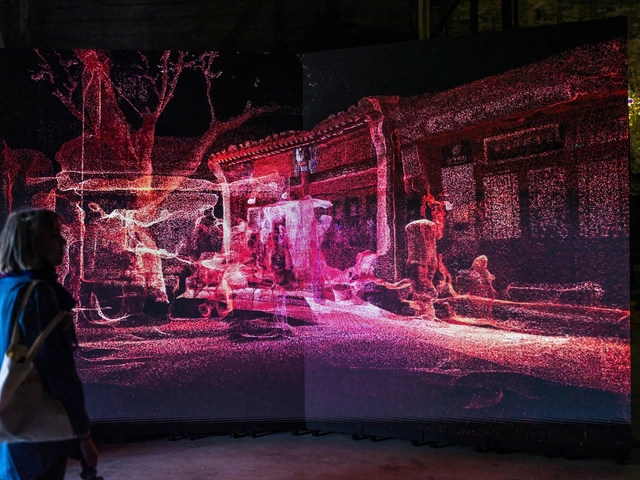
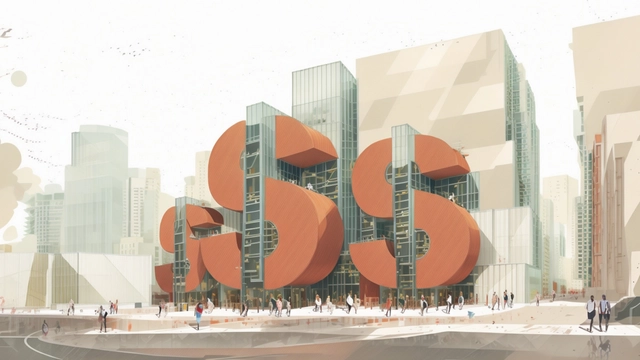
Architecture's design process has always been shaped by the tools at hand. We once drew with pen and ink on fragile sheets, copied by blueprint and guarded against smudges and tears; then Mylar arrived, making revisions and preservation easier and nudging drawings toward a leaner, more deliberate economy of lines. Computer-aided drafting followed, speeding coordination and changing how we think about scale and precision. Today, AI adds another layer—gathering information in seconds and spinning images on command—promising new efficiencies while raising fresh questions about authorship and craft. What we make, and how we make it, has evolved with each tool; the history of our methods is the history of our ideas.

Beginning in the post-war era, Mylar (developed in the 1950s) eased drawing reproduction and hastened the shift from blueprint to whiteprint processes. Before Mylar, simply preserving drawings—keeping an idea intact, legible, and undamaged—was a significant task. Post-war design priorities often leaned toward efficiency, simplicity, and an industrial minimalism aligned with reconstruction needs. The tools reinforced this: architectural work remained predominantly hand-drawn, where every line took time to lay down and even more time to erase. That labour sharpened the economy of drawing; each stroke had to earn its place.


The Plan and the Prompt: How AI Is Rewiring Design and Practice - Image 1 of 4The Plan and the Prompt: How AI Is Rewiring Design and Practice - Image 2 of 4The Plan and the Prompt: How AI Is Rewiring Design and Practice - Image 3 of 4The Plan and the Prompt: How AI Is Rewiring Design and Practice - Image 4 of 4The Plan and the Prompt: How AI Is Rewiring Design and Practice - More Images+ 10

Architecture in the Age of Platforms: What Role Does Software Play in Practice Today?

Subscriber Access | 

How many software tools and platforms are involved today in developing a contemporary project? From designing a single-family house to a public library, relying on just one or two programs is no longer common. Instead, multiple tools combine, overlap, and interact throughout various stages, including analysis, design, rendering, coordination, and construction. This widespread use of software in the virtual world reflects not only the technical complexity of today's practice but also a more subtle yet equally significant shift: software has become less a specific tool and more an environment that accompanies and even challenges the process.

Can Early-Stage Design Flaws Be Fixed Before They Kill Profits?

 | Sponsored Content

Often admired for its simplicity and ability to clearly communicate via scribbles on an espresso martini-stained napkin, the napkin sketch is perhaps one of the most recognized forms of creative leadership in the industry. Not only is it iconic, but this type of early-stage, iterative sketch helps to set project direction in a fast, easy, and effective way. However, the work that follows to translate that sketch into design (and ultimately win work) often robs firms of a profitable early-stage design phase.

How Gendo's Generative AI Platform is Transforming Architectural Visualizations

The introduction of AI generative tools represents one of the most significant technological revolutions in the field of architecture and design. While there is concern about this changing the working landscape for professionals in the field, a significant number of practices are embracing the new technology. Architectural visualizations represent one of the main areas where these changes take effect. However, the array of AI tools accessible to non-specialist users rarely allows for true control over the design process, often offering general interpretations of scripts. This can be helpful during early conceptual design phases but loses its appeal soon after. Gendo, a new browser-based app, aims to change this, offering the possibility to not only generate visualizations in seconds but also to edit and customize them, even introducing real-life products in the design. Until August 3, readers of ArchDaily can register and use the code ARCHDAILY50 to get 50% off any plan.

How Gendo's Generative AI Platform is Transforming Architectural Visualizations - Image 1 of 4How Gendo's Generative AI Platform is Transforming Architectural Visualizations - Image 2 of 4How Gendo's Generative AI Platform is Transforming Architectural Visualizations - Image 3 of 4How Gendo's Generative AI Platform is Transforming Architectural Visualizations - Image 4 of 4How Gendo's Generative AI Platform is Transforming Architectural Visualizations - More Images+ 30

Rayon: A Design Software Revolutionizing Collaboration for Efficient Project Development

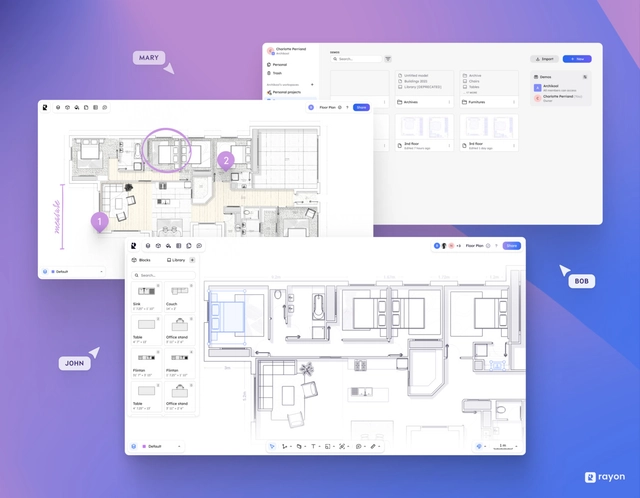
Rayon, an innovative online design tool that aims to create a new collaborative approach to developing "mundane buildings" within the city, has been selected as part of ArchDaily's 2023 Best New Practices. Founded in 2021 by Bastien Dolla and Stanislas Chaillou, it is a collaborative design software that brings together professionals in the architecture, engineering, and construction (AEC) industries. The software company believes that there is a “culture of the ordinary” in architecture. This culture represents an ecosystem of buildings that may seem unremarkable or aren't impressive landmarks in the city. However, these buildings and their construction professionals make up 90% of the urban fabric and contribute to the design culture that collectively gives identity to the city. The founders believe previous software generations have neglected this culture and propose Rayon as a novel tool to fill that gap by enhancing collaboration and user ergonomics.

How to Support Fast Growing Small Cities? UN-Habitat's Participatory Incremental Urban Planning Tool

The Un-Habitat or the United Nations agency for human settlements and sustainable urban development, whose primary focus is to deal with the challenges of rapid urbanization, has been developing innovative approaches in the urban design field, centered on the active participation of the community. ArchDaily has teamed up with UN-Habitat to bring you weekly news, article, and interviews that highlight this work, with content straight from the source, developed by our editors.

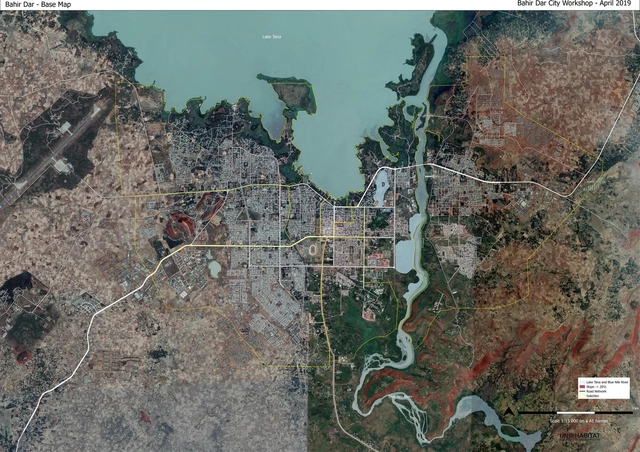
In order to support local governments in developing countries to implement the New Urban Agenda and the Sustainable Development Goals, UN-Habitat has created the Participatory Incremental Urban Planning Toolbox, “a step-by-step methodology to assess, design, operationalize and implement urban planning processes”. The guideline proposes a timeline of phases, blocks, and activities, helping city leaders, stakeholders, and the community to have a comprehensive and strategic overview of the whole strategy.

How to Support Fast Growing Small Cities? UN-Habitat's Participatory Incremental Urban Planning Tool - Image 1 of 4How to Support Fast Growing Small Cities? UN-Habitat's Participatory Incremental Urban Planning Tool - Image 2 of 4How to Support Fast Growing Small Cities? UN-Habitat's Participatory Incremental Urban Planning Tool - Image 3 of 4How to Support Fast Growing Small Cities? UN-Habitat's Participatory Incremental Urban Planning Tool - Image 4 of 4How to Support Fast Growing Small Cities? UN-Habitat's Participatory Incremental Urban Planning Tool - More Images+ 18

Morpholio Unveils AR Sketchwalk, an Augmented Reality Tool to Immerse Users in Design

Morpholio has unveiled AR Sketchwalk, a new augmented reality tool geared towards helping architects bridge the gap between model and reality. Released today, AR Sketchwalk allows designers to use augmented reality to dive into their sketches to give both their clients and themselves a truer sense of the space.