1. ArchDaily
  2. Demonstrations

Demonstrations: The Latest Architecture and News

Forum, Depot, Maze: Toward a Plural Ecology of Museums

Subscriber Access | 

This article is part of our new Opinion section, a format for argument-driven essays on critical questions shaping our field.

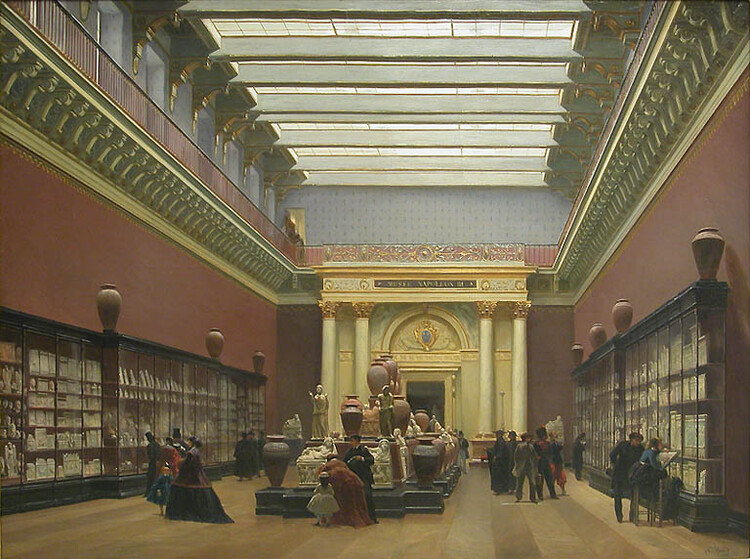
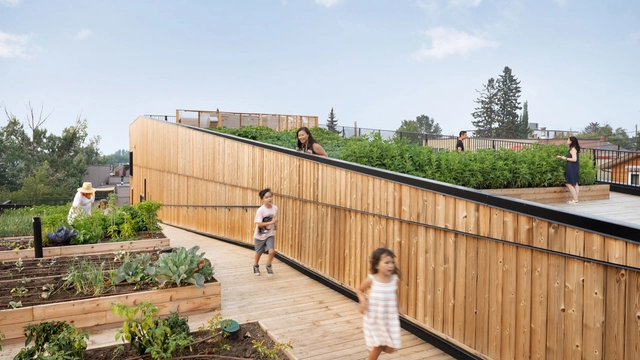
Traditionally, a museum visit is a calendared occasion with a clearly scripted sequence. Arrival is ceremonially marked—by grand stairs or thresholds, by ticketing and information desks, by an audio guide and a concise institutional preface about mission and history. That deliberate "special occasion" quality extends from how museums were long conceived: deliberately exceptional, tightly curated, and organized around a specific narrative arc. In this model, the museum assumes an authoritative voice—its knowledge deep, vetted, and to be respected rather than contested—while architecture and choreography reinforce a rather singular way of entering, learning, and remembering.
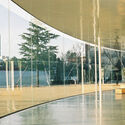

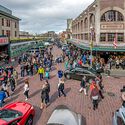
Forum, Depot, Maze: Toward a Plural Ecology of Museums - Image 1 of 4Forum, Depot, Maze: Toward a Plural Ecology of Museums - Image 2 of 4Forum, Depot, Maze: Toward a Plural Ecology of Museums - Image 3 of 4Forum, Depot, Maze: Toward a Plural Ecology of Museums - Image 4 of 4Forum, Depot, Maze: Toward a Plural Ecology of Museums - More Images+ 17

The Role of Urban Spaces in Shaping Movements: 7 Sites of Resistance and Protest Across the USA

Subscriber Access | 

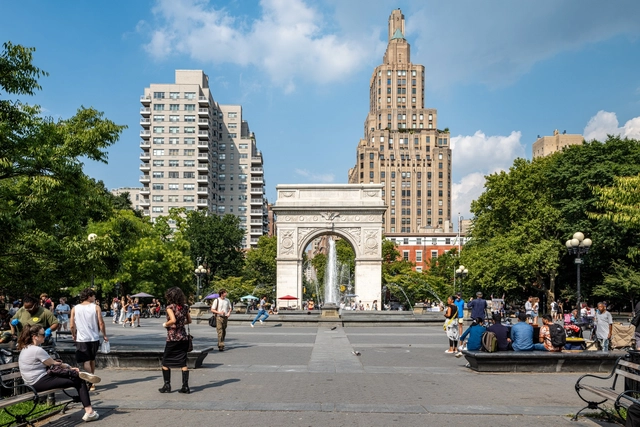
Protests, civil disobedience, and dissent are not only a defining part of our shared history since the colonial era, they also continue to the present day on campuses, at political conventions, and elsewhere. In this context, some historic marches, sit-ins, and other actions are enshrined in our collective narrative, while others have faded from memory; however, the cultural landscapes that served as stages where these events occurred still exist. These places are the focus of Landslide 2024: Demonstration Grounds and a portal for re-engaging with the stories of little-known or even forgotten events that were pivotal in USA history. The thirteen different sites across the country, represented in the new report and digital exhibition from The Cultural Landscape Foundation (TCLF), touch on events that shaped individuals and sparked movements.

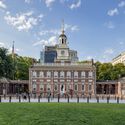
The Role of Urban Spaces in Shaping Movements: 7 Sites of Resistance and Protest Across the USA - Image 1 of 4The Role of Urban Spaces in Shaping Movements: 7 Sites of Resistance and Protest Across the USA - Image 2 of 4The Role of Urban Spaces in Shaping Movements: 7 Sites of Resistance and Protest Across the USA - Image 3 of 4The Role of Urban Spaces in Shaping Movements: 7 Sites of Resistance and Protest Across the USA - Image 4 of 4The Role of Urban Spaces in Shaping Movements: 7 Sites of Resistance and Protest Across the USA - More Images+ 14

Cultivating Spaces: Where Architecture Meets the Farm-to-Table Movement

Subscriber Access | 

The farm-to-table movement represents a profound shift in how food is grown, distributed, and consumed. Rooted in sustainability and the support of local economies, it prioritizes fresh, locally sourced ingredients and fosters direct relationships between producers and consumers. While the concept focuses on food, the spaces where these connections occur are equally important in shaping the experience, highlighting the critical role of architecture.

Cultivating Spaces: Where Architecture Meets the Farm-to-Table Movement - Image 1 of 4Cultivating Spaces: Where Architecture Meets the Farm-to-Table Movement - Image 5 of 4Cultivating Spaces: Where Architecture Meets the Farm-to-Table Movement - Image 2 of 4Cultivating Spaces: Where Architecture Meets the Farm-to-Table Movement - Image 3 of 4Cultivating Spaces: Where Architecture Meets the Farm-to-Table Movement - More Images+ 60

Places of Protest in Africa: Public Spaces for Engaging & Fostering Democracy

Subscriber Access | 

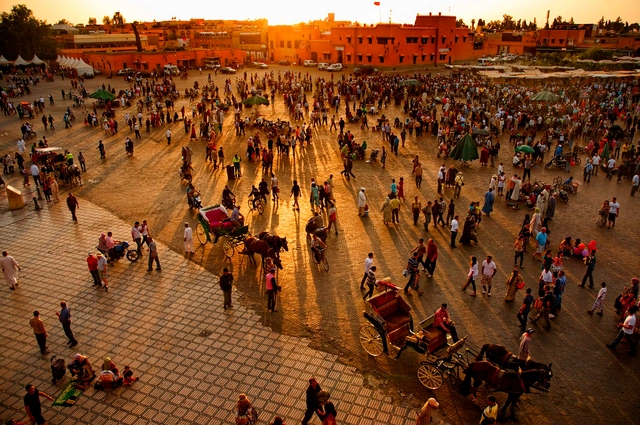
Protest has always been a powerful tool for creating change, and public spaces provide a platform for social engagement in societies. As part of the International Day of Democracy, we examine Africa, its series of emerging protests in the past year, and how citizens in various countries question political justice, demand better living standards from their government, and interrogate their nation’s sovereignty. With demonstrations ranging from organized large-scale marches to smaller spontaneous outbursts, residents of these countries have explored public spaces in symbolic and significant ways to amplify their voices. These spaces include public squares with cultural and historical meaning, sites of political buildings, or makeshift protest areas such as roads and open areas. Through this, African cities show how people make these spaces their own and how the power of their conglomeration cannot be ignored in unwrapping the democratic essence of public spaces.

Places of Protest in Africa: Public Spaces for Engaging & Fostering Democracy - Image 1 of 4Places of Protest in Africa: Public Spaces for Engaging & Fostering Democracy - Image 2 of 4Places of Protest in Africa: Public Spaces for Engaging & Fostering Democracy - Image 3 of 4Places of Protest in Africa: Public Spaces for Engaging & Fostering Democracy - Image 4 of 4Places of Protest in Africa: Public Spaces for Engaging & Fostering Democracy - More Images+ 6

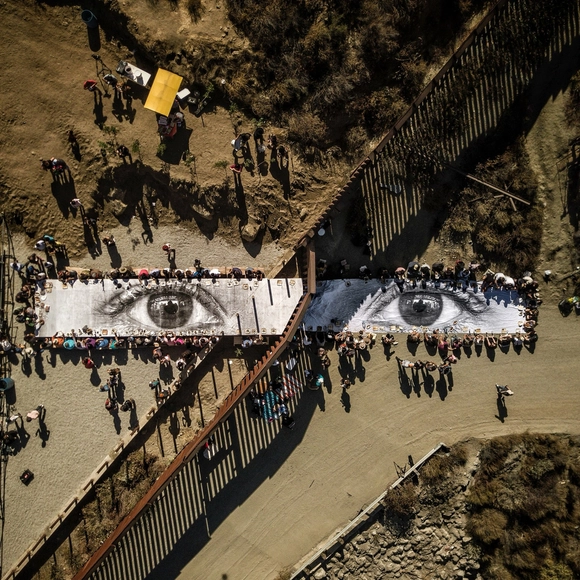
Humans Living Together: Demonstrations, Festivities and Conflicts Seen From Above

Humans Living Together: Demonstrations, Festivities and Conflicts Seen From Above - Image 7 of 4Humans Living Together: Demonstrations, Festivities and Conflicts Seen From Above - Image 8 of 4Humans Living Together: Demonstrations, Festivities and Conflicts Seen From Above - Image 9 of 4Humans Living Together: Demonstrations, Festivities and Conflicts Seen From Above - Image 11 of 4Humans Living Together: Demonstrations, Festivities and Conflicts Seen From Above - More Images+ 9

The world's population is expected to reach 9.7 billion in 2050, an increase of 2 billion persons in the next 30 years.

As the world's population continues to increase, new challenges are expected to arise in addition to the aggravating issues already faced today. How will we live together? The theme of the Venice Biennale of Architecture, postponed to 2021, intends to instigate discussions and proposals concerning the role of architecture in times of increasing political differences, intolerance, and growing economic inequality.