
-
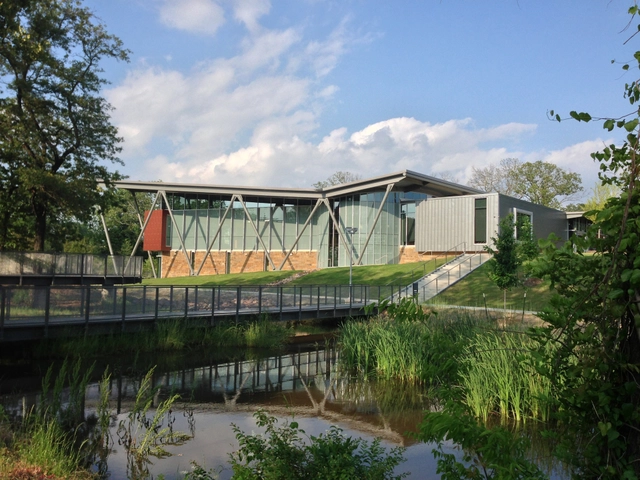
Architects: Polk Stanley Wilcox Architects
- Area: 38500 ft²
- Year: 2013



If the architectural volte face of the late 1960s heralded the genesis of postmodernism, deconstruction, and a golden age of theory, it came at an equally destructive cost. Escaping the totalizing regime of modernism demanded from architects more than the promise of new ideas; it required the falsification of modernist axioms and the wholesale annihilation of its spiritual eidos. In this critical moment of death and rebirth, some pieces of the modern project survived only by hiding under the cloak of the technological progress, while others—like modern city planning—persisted only because there was no way to turn back the clock.
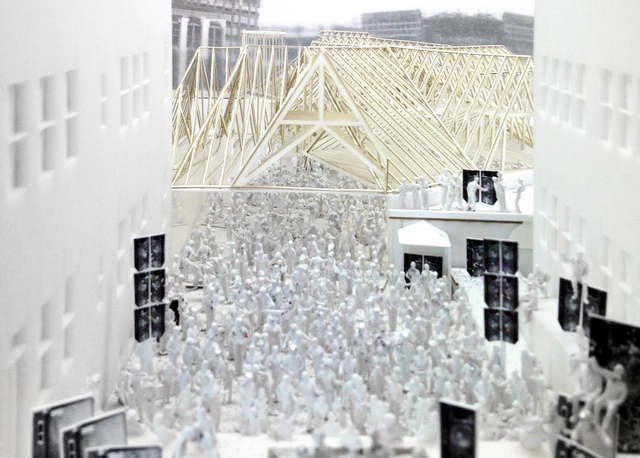
Despite Andrés Jaque of Office of Political Innovation emerging as the winner of the 2015 MoMA PS1 Young Architects Program (YAP), his competitors put up quite a fight. One of this year's five shortlisted proposals, Erin Besler's Roof Deck breathes life into arguably the most overlooked aspect of architecture - the roof - by injecting it with an active public program and making it a vessel for summer celebration.
Read on after the break for more on Besler's proposal.
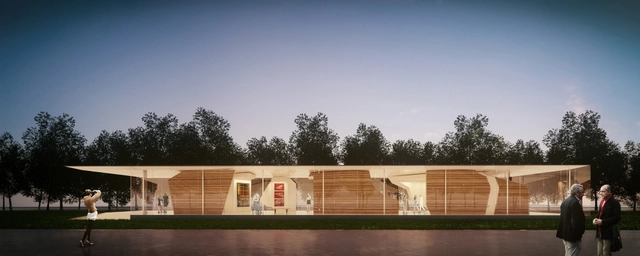
This active multi-use pavilion by Bence Pap and Parsa Khalili took second prize in the OUE Artling ArchiPavilion Design Competition in Singapore. Designed around the principles of continuity and flexibility, the Artling Pavilion provides an adaptable space that accommodates evolving programs and ensures constant adherence to the occupants' needs.
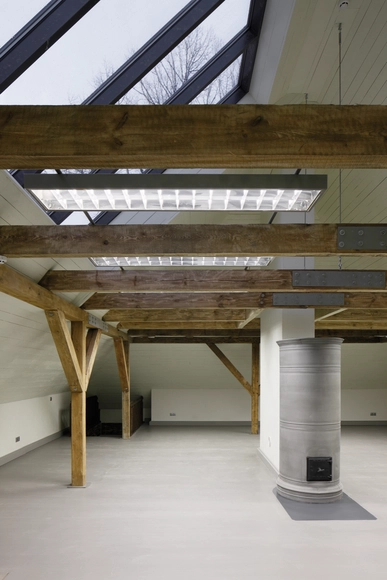
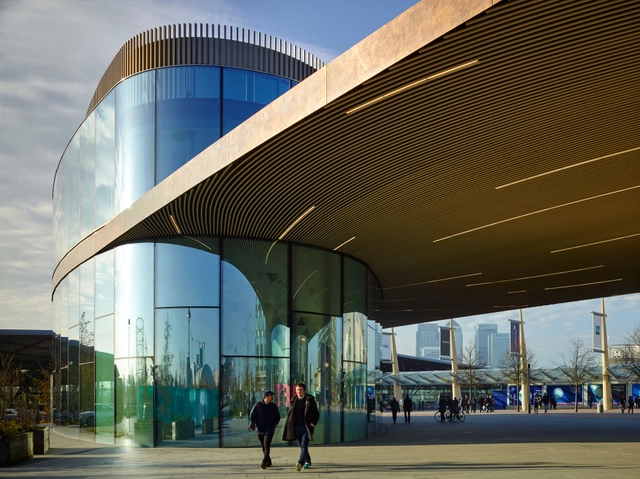

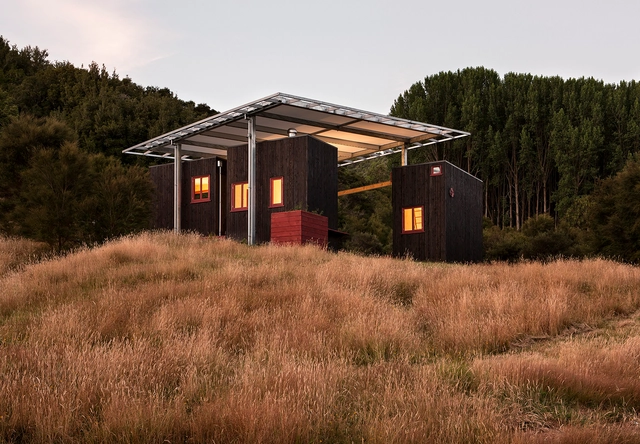
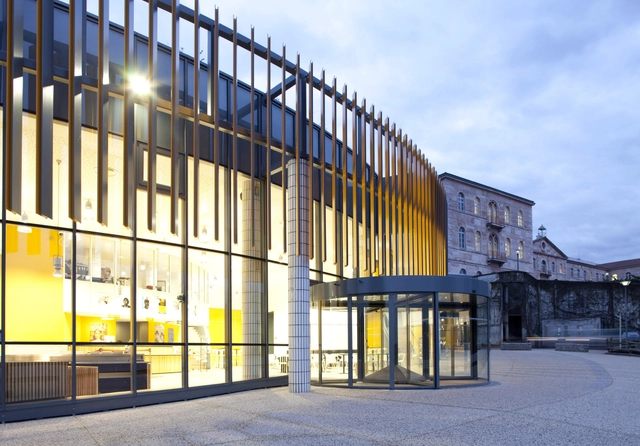
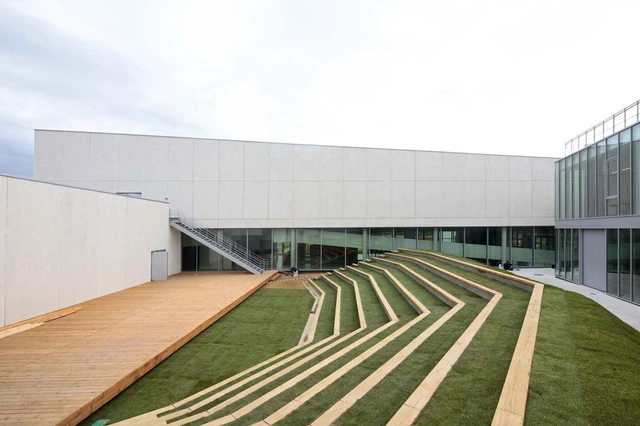
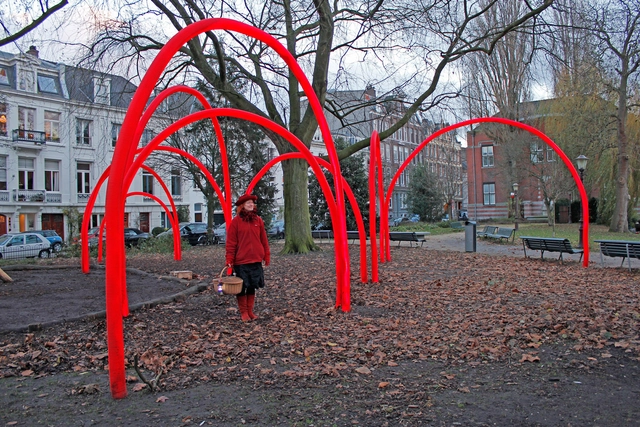
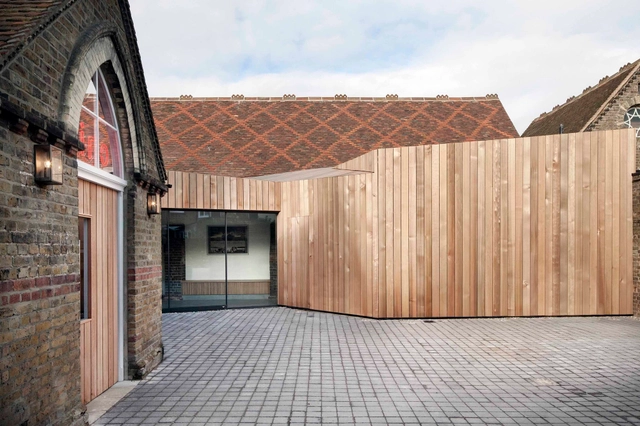
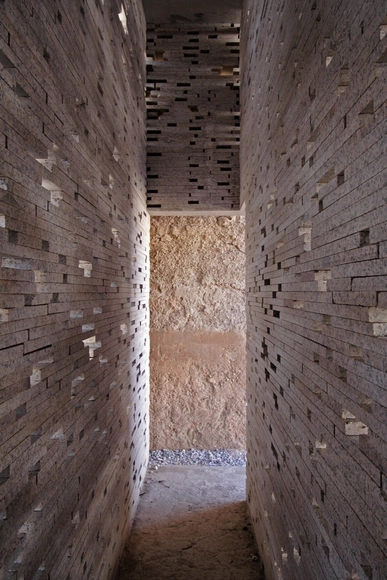
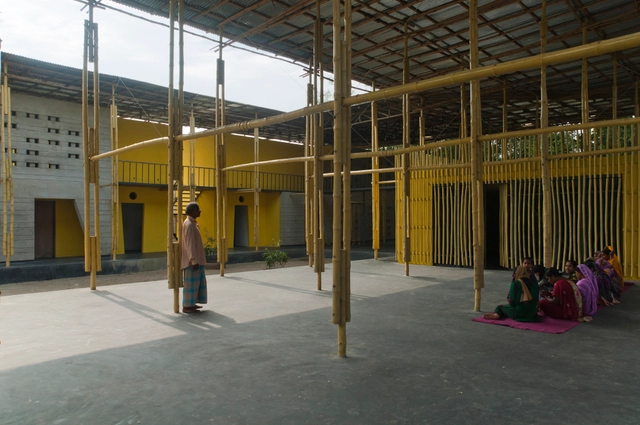
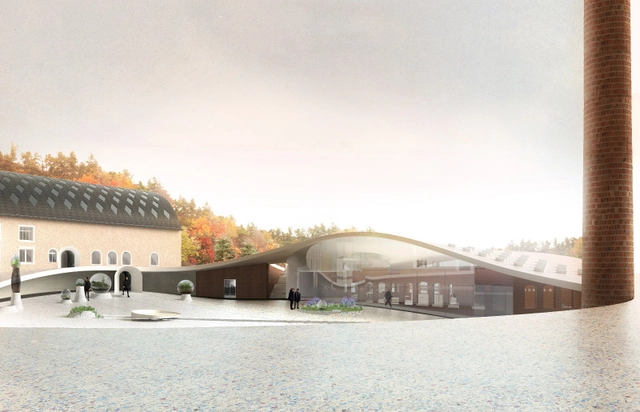
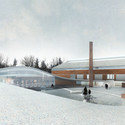
SO-IL, in collaboration with FREAKS freearchitects, has been selected as the first-prize winner of a competition to reinvent the historic Site Verrier in France. Located in the Northern Vosges Natural Park, the updated plan addresses three elements of the site's industrial past while providing a dynamic space for cultural interaction and historic exploration of Site Verrier's glass factory days.

This sculptural memorial by SO/AP Architectes, located at the center of what was the Warsaw Ghetto, commemorates the history and memories of the Polish nation by uniting its oppressive and heroic pasts in one form. Simultaneously representing the Jewish and non-Jewish population, the serpentine structure symbolizes the entirety of the Polish people to strengthen their identity as one collective community.