1. ArchDaily
  2. Cultural Architecture

Cultural Architecture: The Latest Architecture and News

Best Articles of 2025: Plural Practices, Environmental Responses, and an Architecture of Care

Across recent years, architectural discourse has been shaped by the emergence of new voices, rediscovered territories, and a growing commitment to shared forms of knowledge. These concerns remain fully present in 2025 as ongoing debates that continue to gain density and nuance. Questions of who produces architecture, from which contexts, and under what conditions remain central, increasingly informed by practices that operate collectively, across disciplines, and beyond singular authorship.

This continuity is reflected in how architecture is understood less as a finished object and more as an ongoing process embedded in social, cultural, and environmental systems. Discussions around agency, participation, and knowledge production persist, alongside sustained attention to rural, peripheral, and historically marginalized contexts. Rather than privileging a single scale or geography, architecture is approached as a practice that moves between territories, acknowledging the unequal conditions that shape how spaces are designed, built, maintained, and inhabited.

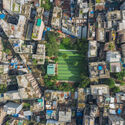
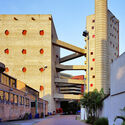
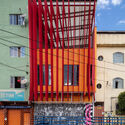
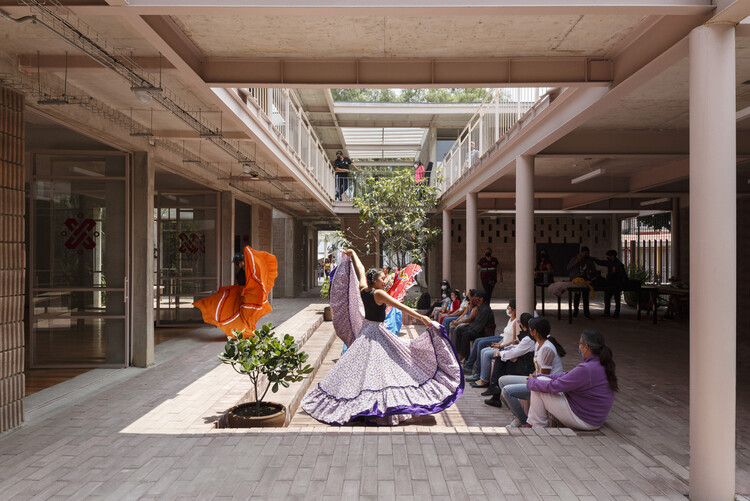
Best Articles of 2025: Plural Practices, Environmental Responses, and an Architecture of Care - Image 1 of 4Best Articles of 2025: Plural Practices, Environmental Responses, and an Architecture of Care - Image 2 of 4Best Articles of 2025: Plural Practices, Environmental Responses, and an Architecture of Care - Image 3 of 4Best Articles of 2025: Plural Practices, Environmental Responses, and an Architecture of Care - Image 4 of 4Best Articles of 2025: Plural Practices, Environmental Responses, and an Architecture of Care - More Images+ 31

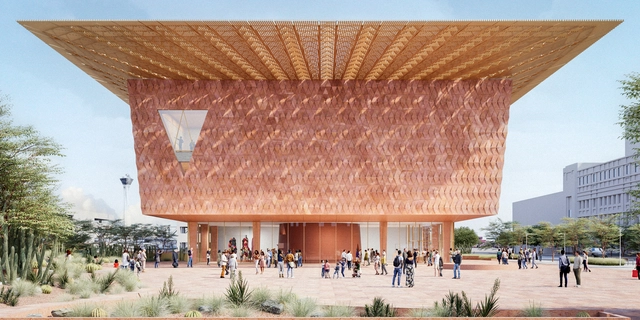
Kéré Architecture and SOM Unveil New Images of the Future Las Vegas Museum of Art

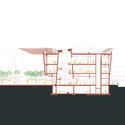
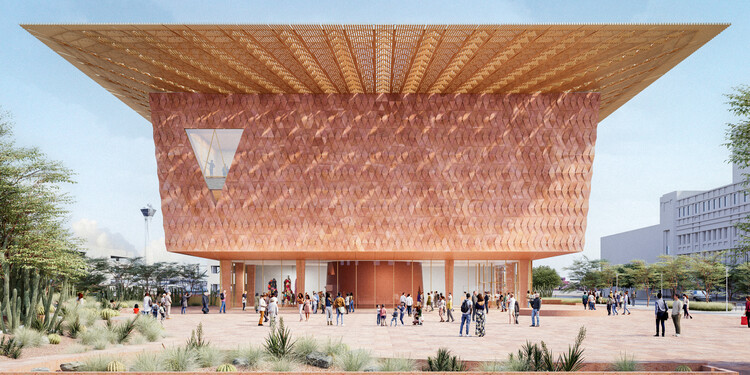
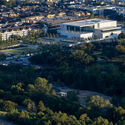
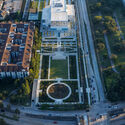
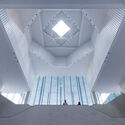
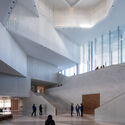
The future Las Vegas Museum of Art (LVMA) will be the city's first stand-alone museum, designed by Pritzker Prize-winning architect Francis Kéré. In fall 2024, the City of Las Vegas granted LVMA two acres of land in Symphony Park, neighboring the city's downtown arts district, as part of a public-private partnership. The project is intended to serve the city's more than 2.4 million year-round residents, including nearly 300,000 students living within a 10-mile radius of the park, as well as tens of millions of visitors from around the globe. The 60,000-square-foot building was designed by Kéré Architecture, which teamed up with Skidmore, Owings & Merrill (SOM) to provide Las Vegas with "a gathering place for community and a beacon for the cultural world," and is scheduled to open in 2029.

Kéré Architecture and SOM Unveil New Images of the Future Las Vegas Museum of Art - Image 1 of 4Kéré Architecture and SOM Unveil New Images of the Future Las Vegas Museum of Art - Image 2 of 4Kéré Architecture and SOM Unveil New Images of the Future Las Vegas Museum of Art - Image 3 of 4Kéré Architecture and SOM Unveil New Images of the Future Las Vegas Museum of Art - Image 4 of 4Kéré Architecture and SOM Unveil New Images of the Future Las Vegas Museum of Art - More Images+ 1

ArchDaily Curator’s Picks 2025: A Look Back at 12 Key Project Reviews

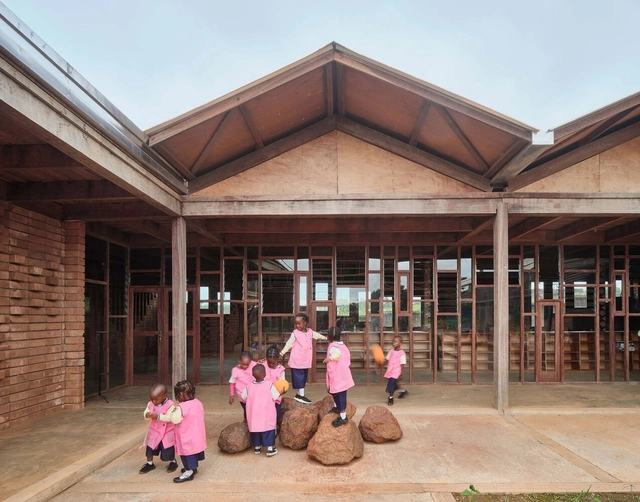
For the past couple of years, the project curators at ArchDaily have been revisiting architectural works they believe deserve a deeper look. Through an Instagram post called "Project Review", the curators describe what they consider to be the work's main attribute(s). Delving into the project's stories and the elements that make them truly inspiring, they underline what might otherwise be overlooked initiatives and study them closely, with attention to locality and context. The result is an array of diverse works, often from rural or suburban areas that have a public function or historic significance.

While a couple of houses are listed, the majority of the reviews veer towards cultural centers, libraries, workspaces, or commercial settings. Another thing to note is the fact that many of these works ended up coming in from Asia, with a few key projects from rural China. The picks are quite diverse in materiality and design language; however, they all suggest innovative architectural solutions and captivating narratives.

ArchDaily Curator’s Picks 2025: A Look Back at 12 Key Project Reviews - Image 1 of 4ArchDaily Curator’s Picks 2025: A Look Back at 12 Key Project Reviews - Image 2 of 4ArchDaily Curator’s Picks 2025: A Look Back at 12 Key Project Reviews - Image 3 of 4ArchDaily Curator’s Picks 2025: A Look Back at 12 Key Project Reviews - Image 4 of 4ArchDaily Curator’s Picks 2025: A Look Back at 12 Key Project Reviews - More Images+ 12

Foster + Partners’ Zayed National Museum Opens to the Public in Abu Dhabi

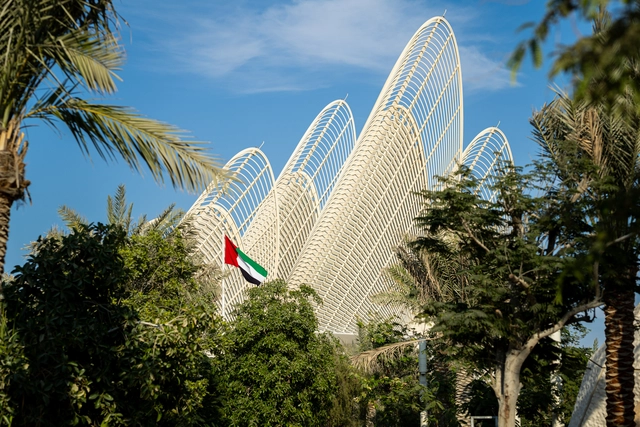
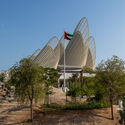
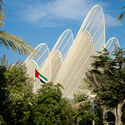
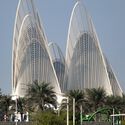
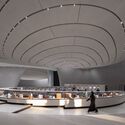
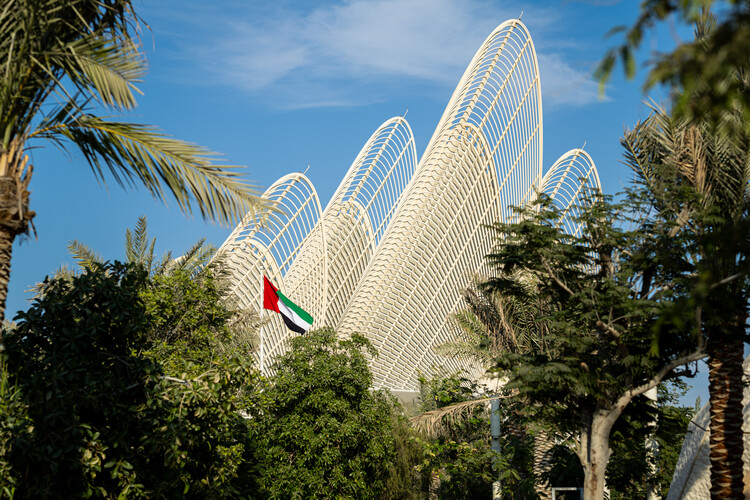
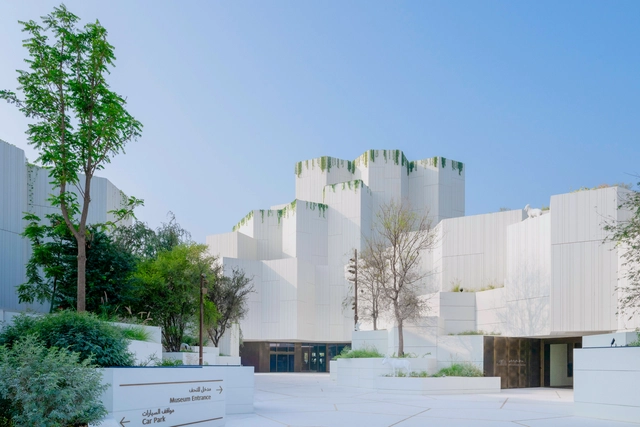
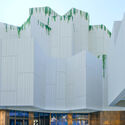
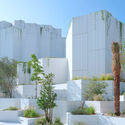
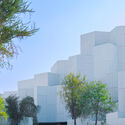
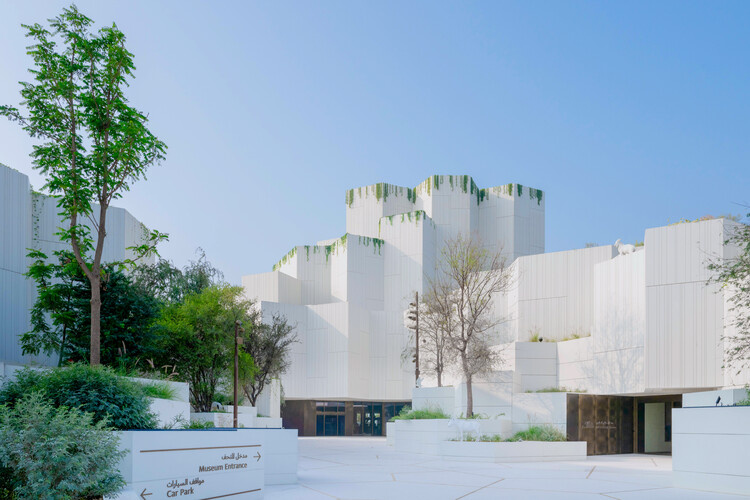
Zayed National Museum, the national museum of the United Arab Emirates and a major anchor of Abu Dhabi's Saadiyat Cultural District, has opened to the public. The project was awarded to Foster + Partners following a 2007 design competition, with construction commencing the following year. Its inauguration marks a significant moment in the UAE's cultural development, coinciding with a year that saw the opening of teamLab Phenomena Abu Dhabi and the Natural History Museum Abu Dhabi, as well as the reopening of Al Ain Museum, broadening the region's institutional landscape.

Foster + Partners’ Zayed National Museum Opens to the Public in Abu Dhabi - Image 1 of 4Foster + Partners’ Zayed National Museum Opens to the Public in Abu Dhabi - Featured ImageFoster + Partners’ Zayed National Museum Opens to the Public in Abu Dhabi - Image 2 of 4Foster + Partners’ Zayed National Museum Opens to the Public in Abu Dhabi - Image 10 of 4Foster + Partners’ Zayed National Museum Opens to the Public in Abu Dhabi - More Images+ 11

Kéré Architecture Reveals Public Library Design in Rio de Janeiro Celebrating Afro-Brazilian Heritage

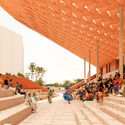
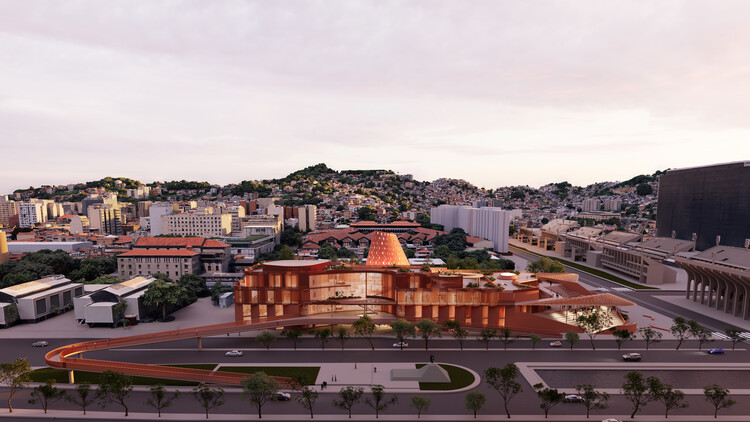
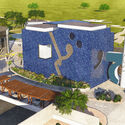
Kéré Architecture has unveiled its proposal for the 40,000-square-meter Biblioteca dos Saberes (House of Wisdom) in Rio de Janeiro's Cidade Nova neighborhood. Designed by Francis Kéré, Mariona Maeso Deitg, and Juan Carlos Zapata, the cultural complex is commissioned by the Rio de Janeiro City Hall and planned for a site near Valongo Wharf and the Little Africa area. The design was presented to members of the community on November 20, the National Day of Zumbi and Black Consciousness in Brazil. Important features include a perforated façade for sun protection, roof gardens, landscaped terraces, shaded courtyards, open-air areas, a canopied amphitheater, and a pedestrian bridge connecting the building to the nearby monument to Zumbi dos Palmares.

Kéré Architecture Reveals Public Library Design in Rio de Janeiro Celebrating Afro-Brazilian Heritage - Image 1 of 4Kéré Architecture Reveals Public Library Design in Rio de Janeiro Celebrating Afro-Brazilian Heritage - Image 2 of 4Kéré Architecture Reveals Public Library Design in Rio de Janeiro Celebrating Afro-Brazilian Heritage - Image 3 of 4Kéré Architecture Reveals Public Library Design in Rio de Janeiro Celebrating Afro-Brazilian Heritage - Image 4 of 4Kéré Architecture Reveals Public Library Design in Rio de Janeiro Celebrating Afro-Brazilian Heritage - More Images+ 5

Mecanoo’s Natural History Museum Opens in Abu Dhabi’s Saadiyat Cultural District

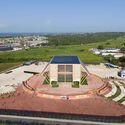
Back in April 2022, Abu Dhabi unveiled the first images of a new Natural History Museum designed by the Dutch practice Mecanoo. Three years later, on November 22, 2025, the museum opened its doors to the public, presenting 13.8 billion years of science and discovery with a special focus on the Arabian region. Covering more than 35,000 sqm, the design is intended to resonate with natural rock formations. Geometry acts as the unifying theme, with pentagonal shapes referencing cellular structures. Water and vegetation, symbols of life in the desert, also play an important role in the design. Located in Abu Dhabi's Saadiyat Cultural District, the building houses rare meteorites, dinosaur fossils, and reconstructions of the region's prehistoric landscapes, combining natural history, storytelling, and immersive environments. Through interactive exhibitions, special events, and community-science programmes, the museum seeks to encourage audiences of all ages to engage with the natural world.
Mecanoo’s Natural History Museum Opens in Abu Dhabi’s Saadiyat Cultural District - Image 1 of 4Mecanoo’s Natural History Museum Opens in Abu Dhabi’s Saadiyat Cultural District - Image 2 of 4Mecanoo’s Natural History Museum Opens in Abu Dhabi’s Saadiyat Cultural District - Image 3 of 4Mecanoo’s Natural History Museum Opens in Abu Dhabi’s Saadiyat Cultural District - Image 4 of 4Mecanoo’s Natural History Museum Opens in Abu Dhabi’s Saadiyat Cultural District - More Images+ 8

Qatar Foundation Launches New Museum Dedicated to M. F. Husain in Doha’s Education City
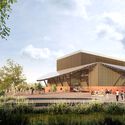
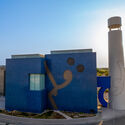
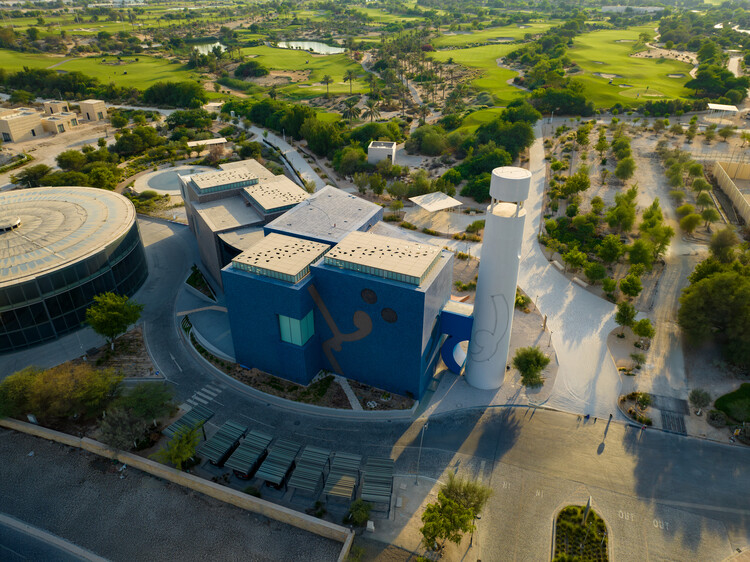
On November 28, 2025, Qatar Foundation will launch Lawh Wa Qalam: M. F. Husain Museum, a new addition to Qatar's cultural landscape dedicated to the life and work of artist Maqbool Fida Husain. The museum will be the world's first institution to trace Husain's artistic journey from the 1950s to his death in 2011, offering an immersive experience in a building drafted by the artist himself. The permanent exhibition will include paintings, films, tapestry, photography, poetry, and installations, presented through multimedia storytelling. Covering more than 3,000 square meters, the museum aims to foster creativity and dialogue, serving as a new space for learning and exploration within Qatar Foundation's Education City in Doha. The initiative adds to a campus that houses educational and research institutions designed by architects such as Arata Isozaki, Rem Koolhaas, and Antoine Predock, as well as firms like Legorreta + Legorreta and Mangera Yvars Architects.

Qatar Foundation Launches New Museum Dedicated to M. F. Husain in Doha’s Education City - Image 1 of 4Qatar Foundation Launches New Museum Dedicated to M. F. Husain in Doha’s Education City - Image 2 of 4Qatar Foundation Launches New Museum Dedicated to M. F. Husain in Doha’s Education City - Image 3 of 4Qatar Foundation Launches New Museum Dedicated to M. F. Husain in Doha’s Education City - Image 4 of 4Qatar Foundation Launches New Museum Dedicated to M. F. Husain in Doha’s Education City - More Images+ 1

First Ismaili Center in the U.S., Designed by Farshid Moussavi Architecture, Opens in Houston

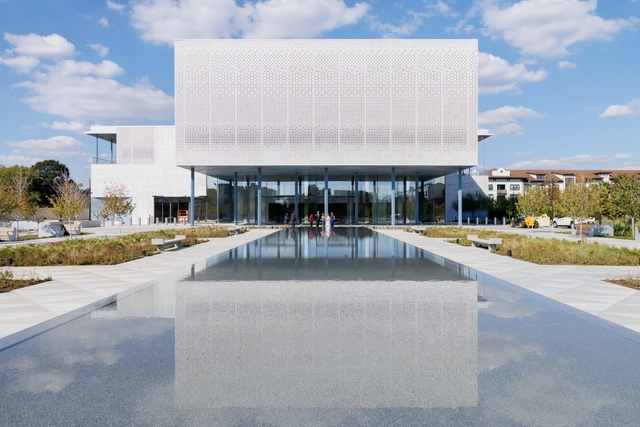
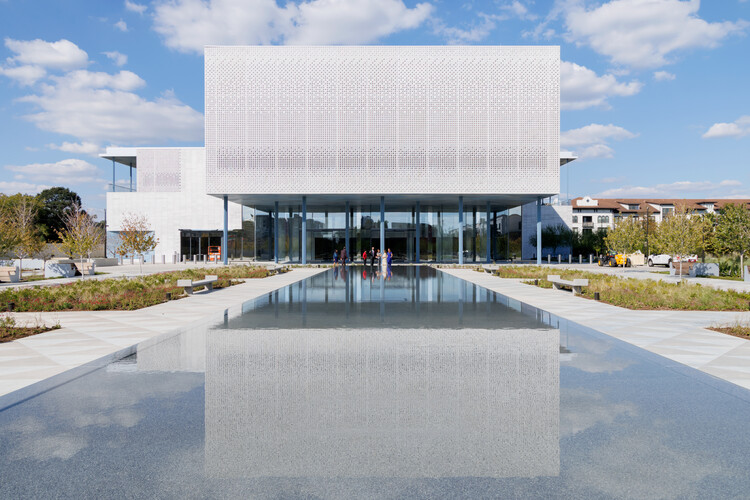
The Ismaili Center in Houston, the first of its kind in the United States, was inaugurated on November 6, 2025, by Mayor John Whitmire. Designed by Farshid Moussavi Architecture and Nelson Byrd Woltz Landscape Architects, the 11-acre site overlooking Buffalo Bayou Park establishes a new architectural and cultural landmark within Houston's urban and social landscape. Located at the intersection of Allen Parkway and Montrose Boulevard, the Center builds upon a vision first outlined by His Highness Prince Karim Aga Khan IV in 2006 and later developed under the direction of his successor. Joining six existing Ismaili Centers worldwide, in London, Vancouver, Lisbon, Dubai, Dushanbe, and Toronto, the Houston Center aims to continue a global tradition of fostering intercultural dialogue and civic engagement.

First Ismaili Center in the U.S., Designed by Farshid Moussavi Architecture, Opens in Houston - Image 1 of 4First Ismaili Center in the U.S., Designed by Farshid Moussavi Architecture, Opens in Houston - Image 2 of 4First Ismaili Center in the U.S., Designed by Farshid Moussavi Architecture, Opens in Houston - Image 3 of 4First Ismaili Center in the U.S., Designed by Farshid Moussavi Architecture, Opens in Houston - Image 4 of 4First Ismaili Center in the U.S., Designed by Farshid Moussavi Architecture, Opens in Houston - More Images+ 17

Architecture of Wine: 15 Contemporary Wineries Around the World

Subscriber Access | 

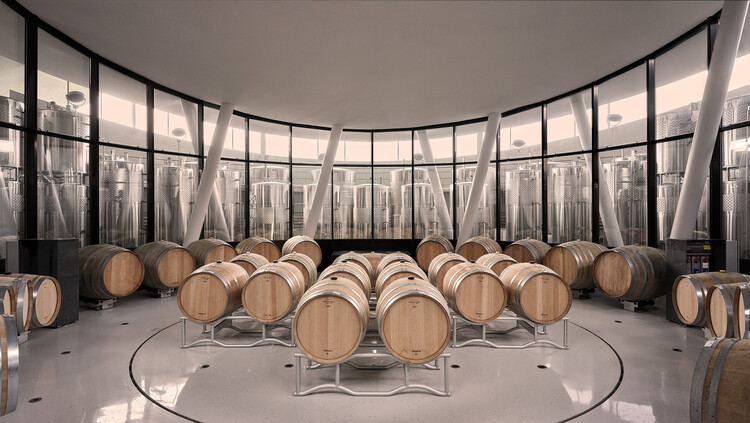
Wine production has long been tied to place, climate, and culture, and in recent decades, architecture has become a central part of this relationship. Wineries are no longer understood only as functional facilities for fermentation, storage, and distribution, but also as spaces where landscape, materiality, and visitor experience intersect. From subterranean cellars hidden beneath fields to sculptural landmarks rising in rural territories, these buildings shape the identity of winemaking regions while offering visitors a carefully choreographed encounter with the process of production.

At the intersection of agriculture, tourism, and culture, wineries present architects with unique opportunities to merge technical requirements with a spatial narrative. They must respond to environmental conditions, manage temperature and humidity with precision, and integrate with delicate ecosystems, while also providing spaces for tasting, gathering, and celebration. As a result, the typology has given rise to a wide range of architectural solutions. Some are rooted in tradition and local craft, others are exploring advanced technologies and contemporary forms.

Architecture of Wine: 15 Contemporary Wineries Around the World - Image 1 of 4Architecture of Wine: 15 Contemporary Wineries Around the World - Image 2 of 4Architecture of Wine: 15 Contemporary Wineries Around the World - Image 3 of 4Architecture of Wine: 15 Contemporary Wineries Around the World - Image 4 of 4Architecture of Wine: 15 Contemporary Wineries Around the World - More Images+ 45

Democratizing Access to Culture: The Past, Present, and Future of Cultural Centers

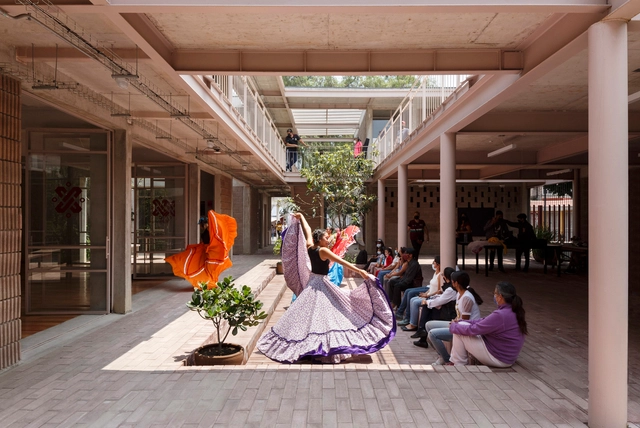
The cultural center is an architectural typology that has fascinated architects and urban planners for decades. Whether due to its multifaceted program, its often emblematic scale, or its potential to transform the urban context in which it is inserted, it is a building type that carries strong symbolic and conceptual value. The wide circulation of international references—many designed by renowned architects—reinforces the aura of prestige associated with this program, frequently seen as a privileged ground for formal and conceptual experimentation. Not by chance, cultural center designs are among the most recurring themes in competitions, exhibitions, and academic studios.

Yet behind this contemporary fascination lies a complex history in which the notion of space dedicated to culture has been redefined over time, gradually taking the form we recognize today. This ongoing evolution invites us to reflect not only on the historical path of these spaces but also on the possibilities that will shape their future.

Democratizing Access to Culture: The Past, Present, and Future of Cultural Centers - Image 1 of 4Democratizing Access to Culture: The Past, Present, and Future of Cultural Centers - Image 2 of 4Democratizing Access to Culture: The Past, Present, and Future of Cultural Centers - Image 3 of 4Democratizing Access to Culture: The Past, Present, and Future of Cultural Centers - Image 4 of 4Democratizing Access to Culture: The Past, Present, and Future of Cultural Centers - More Images+ 8

Architecture as Soft Power: Cultural Diplomacy and Its Role in Shaping Architectural Production

Cultural diplomacy refers to the use of cultural expression and creative exchange to foster understanding and build relationships between nations. In this context, architecture has long played a distinctive role. Beyond its functional and aesthetic dimensions, it serves as a medium of communication, a language through which countries express identity, values, and ambition on the global stage.

Architecture operates as a form of soft power — persuasive rather than coercive — enabling nations to project influence through material presence. From modernist embassies in the post-war era to monumental pavilions at world expositions, governments and institutions have recognized the built environment's potential to shape perception. By commissioning prominent architects and adopting specific design languages, countries have used architecture to signal modernity, tradition, innovation, or stability.

Architecture as Soft Power: Cultural Diplomacy and Its Role in Shaping Architectural Production - Image 1 of 4Architecture as Soft Power: Cultural Diplomacy and Its Role in Shaping Architectural Production - Image 2 of 4Architecture as Soft Power: Cultural Diplomacy and Its Role in Shaping Architectural Production - Image 3 of 4Architecture as Soft Power: Cultural Diplomacy and Its Role in Shaping Architectural Production - Image 4 of 4Architecture as Soft Power: Cultural Diplomacy and Its Role in Shaping Architectural Production - More Images+ 20

Architectural Rebuilding as Cultural Memory: The Paradox of Ever-Fresh Heritage

Architecture—one of the few cultural artifacts made to be publicly lived with, preserved, and often capable of standing for centuries—contributes significantly to the cultural identity of places and people. Historically, buildings have expressed institutional attitudes, influence, and power; they are clear demonstrations of culture. Yet longevity complicates preservation: when a structure is rebuilt, repaired, or entirely reassembled, in what sense is it still the same building?

There's the classic Ship of Theseus puzzle from Plutarch. if a ship's planks are replaced one by one over time, is it still the same ship? Thomas Hobbes adds a twist—if the original planks are reassembled elsewhere, which ship is "the original"? The paradox tests what grounds identity: material fabric, continuous use and history, or shared recognition. In architecture and conservation, it reframes preservation as a choice among keeping matter, maintaining form and function, or sustaining the stories and practices that give a place meaning.

Architectural Rebuilding as Cultural Memory: The Paradox of Ever-Fresh Heritage - Image 1 of 4Architectural Rebuilding as Cultural Memory: The Paradox of Ever-Fresh Heritage - Image 2 of 4Architectural Rebuilding as Cultural Memory: The Paradox of Ever-Fresh Heritage - Image 3 of 4Architectural Rebuilding as Cultural Memory: The Paradox of Ever-Fresh Heritage - Image 4 of 4Architectural Rebuilding as Cultural Memory: The Paradox of Ever-Fresh Heritage - More Images+ 17

Scroll & Stroll: How Social Media Is Rewriting Architectural Cultural Tourism

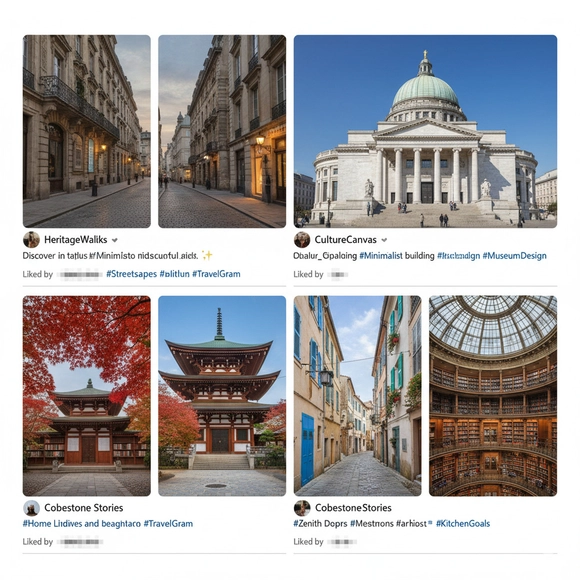
Historically—like other cultural forms—architecture has been documented, shared, and promoted primarily through print. Books, journals, and magazines carried the discipline's arguments and images, and because architectural practice relies so heavily on visual communication, printed journals created a bridge between academic publications and commercial magazines. Through the postwar decades, beautifully produced volumes curated a collective point of view, signaling what the field broadly considered discussion-worthy or exemplary.

Across major cultural centers, a handful of publications shaped this discourse: Their perspectives were typically sophisticated, professional, and carefully edited—distilling an unruly global output into a small constellation of remarkable projects. The system arguably privileged certain practices and geographies, but it also amplified architecture for wider audiences. Buildings began to lodge in public imagination; cultural travel—journeys taken expressly to experience architecture—moved from rarity toward ritual.

Scroll & Stroll: How Social Media Is Rewriting Architectural Cultural Tourism - Image 1 of 4Scroll & Stroll: How Social Media Is Rewriting Architectural Cultural Tourism - Image 2 of 4Scroll & Stroll: How Social Media Is Rewriting Architectural Cultural Tourism - Image 3 of 4Scroll & Stroll: How Social Media Is Rewriting Architectural Cultural Tourism - Image 4 of 4Scroll & Stroll: How Social Media Is Rewriting Architectural Cultural Tourism - More Images+ 4

Bridging Past and Future: Uzbekistan’s Expanding Cultural Landscape

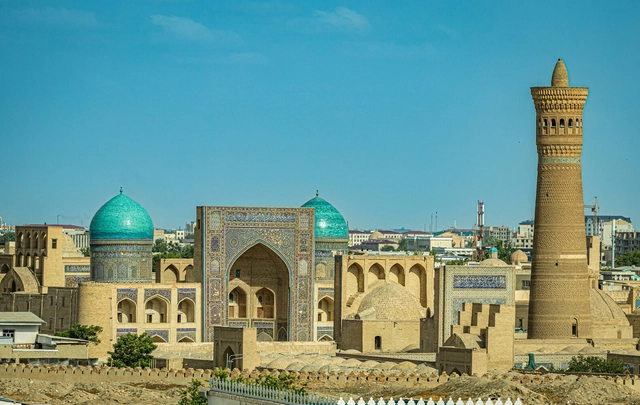
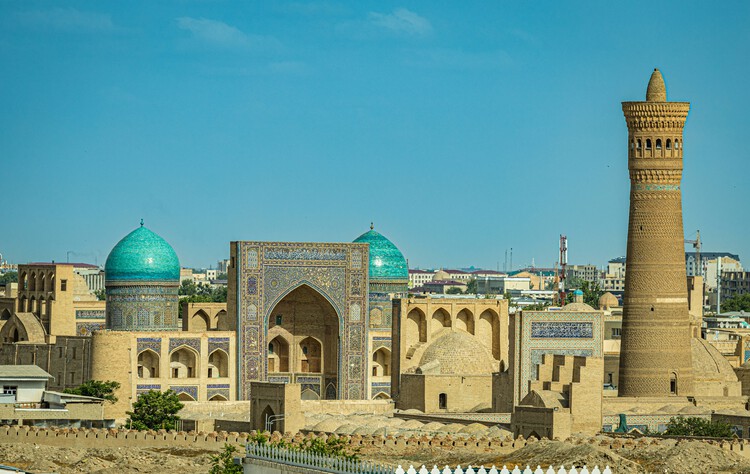
Uzbekistan's architectural and artistic heritage reflects a layered history shaped by centuries of cultural exchange along the Silk Road. From the monumental ensembles of Samarkand and Bukhara to the scientific and educational institutions of the Timurid era, architecture has long been a vessel of identity and knowledge across the region. In the twentieth century, Tashkent emerged as a new urban laboratory, where modernist ideals met local craft traditions and environmental pragmatism. The city's reconstruction following the 1966 earthquake became a defining moment, fusing Soviet urbanism with regional aesthetics to produce a distinctly Central Asian expression of modernity, one that translated cultural continuity into concrete, glass, and light.

Bridging Past and Future: Uzbekistan’s Expanding Cultural Landscape - Image 1 of 4Bridging Past and Future: Uzbekistan’s Expanding Cultural Landscape - Image 2 of 4Bridging Past and Future: Uzbekistan’s Expanding Cultural Landscape - Image 3 of 4Bridging Past and Future: Uzbekistan’s Expanding Cultural Landscape - Image 4 of 4Bridging Past and Future: Uzbekistan’s Expanding Cultural Landscape - More Images+ 4

12 Cultural Spaces That Owe Their Power to Adaptive Reuse

Subscriber Access | 

When approaching the design of cultural spaces such as museums, performance venues, or places of research and study, architecture and design professionals often have to assemble pieces of a uniquely challenging puzzle in order to make the structure resonate with a variety of visitors and occupants. Hitting the right chord can be difficult, especially when trying to combine forms into a whole that pays respect to a building's intended use while being timeless in its universality.

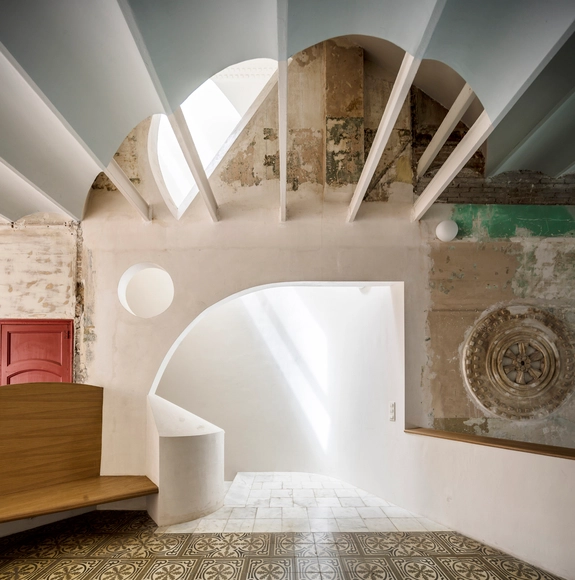
One way of making sure a sense of culture is omnipresent: adaptive reuse. The practice of breathing life into historic structures has been on the rise in recent years and is particularly well-suited to creating spaces that address and embody contemporary issues while connecting their inhabitants to the past. But it's not just a sense of updated heritage that makes them stand out; adaptive reuse buildings can fight urban sprawl and unsustainable building practices simply by way of existing.

12 Cultural Spaces That Owe Their Power to Adaptive Reuse - Image 1 of 412 Cultural Spaces That Owe Their Power to Adaptive Reuse - Image 2 of 412 Cultural Spaces That Owe Their Power to Adaptive Reuse - Image 3 of 412 Cultural Spaces That Owe Their Power to Adaptive Reuse - Image 4 of 412 Cultural Spaces That Owe Their Power to Adaptive Reuse - More Images+ 10

The Architecture of Culture Today: ArchDaily’s October Editorial Focus

Culture is the set of knowledge and practices people use to express themselves and make sense of the world collectively. As Brazilian philosopher Marilena Chauí reminds us, the word derives from the Latin colere, which means "to take care of." In that sense, agriculture means taking care of the soil, while religious cults are the care of the gods. At its core, culture is the creation of symbolic universes, expressed through different languages, including architecture, that weave connections across time. It safeguards the memories of the past while opening new possibilities for the future.

This month, ArchDaily explores The Architecture of Culture Today, asking a central question: How does architecture shape the way culture is produced, consumed, and experienced? This theme examines how architecture both shapes and responds to cultural life — from the permanence of museums, theaters, and libraries to the ephemerality of pavilions, installations, and virtual platforms. It considers the architect's role in curation, scenography, and exhibition design, as well as the portrayal of cultural spaces in film and digital representations.

The Architecture of Culture Today: ArchDaily’s October Editorial Focus - Image 1 of 4The Architecture of Culture Today: ArchDaily’s October Editorial Focus - Image 2 of 4The Architecture of Culture Today: ArchDaily’s October Editorial Focus - Image 3 of 4The Architecture of Culture Today: ArchDaily’s October Editorial Focus - Image 4 of 4The Architecture of Culture Today: ArchDaily’s October Editorial Focus - More Images+ 6

Adjaye Associates Unveil First Phase of Barbados National Performing Arts Centre

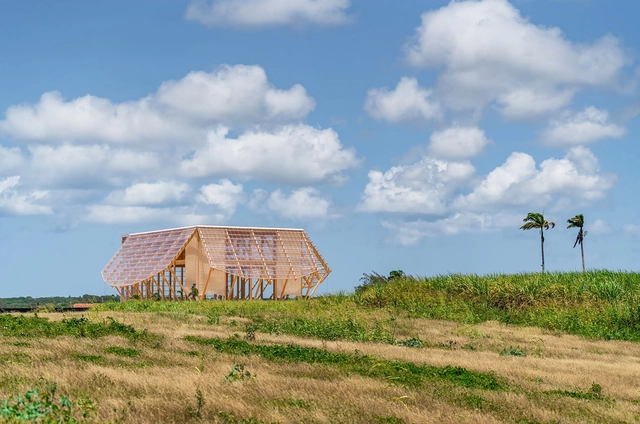
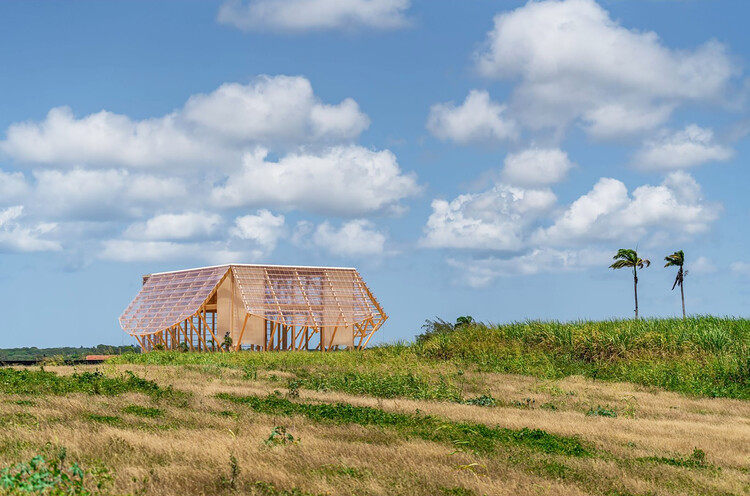
The first phase of the Barbados National Performing Arts Centre, designed by Adjaye Associates, has officially opened in Bridgetown, marking the commencement of a significant cultural initiative. Originally conceived as a temporary pavilion for Carifesta XV, the timber structure serves as both a functional venue for performances and the foundation for the forthcoming 85,000-square-foot permanent complex, slated for completion in 2026. Developed in collaboration with structural engineer StructureCraft, the project features mass timber construction, low-carbon design strategies, and adaptive reuse of components. This approach provides Barbadians with a "meanwhile use" venue while laying the groundwork for a future national hub within the Barbados Heritage District.

Adjaye Associates Unveil First Phase of Barbados National Performing Arts Centre - Image 1 of 4Adjaye Associates Unveil First Phase of Barbados National Performing Arts Centre - Image 2 of 4Adjaye Associates Unveil First Phase of Barbados National Performing Arts Centre - Image 3 of 4Adjaye Associates Unveil First Phase of Barbados National Performing Arts Centre - Image 4 of 4Adjaye Associates Unveil First Phase of Barbados National Performing Arts Centre - More Images+ 15

The Project as Argument: What is Architectural Thinking?

Architecture is shaped not only by buildings, but by the ideas that make them possible. Before the constraints of capital, regulation, and procurement, there is a moment when architecture is allowed to think aloud. The first confrontation with this fertile moment usually takes place in academia, in the thesis. It is not merely a requirement for graduation, but a space of speculative freedom where architecture formulates hypotheses, builds arguments, and tests positions.

For many, it is also the first opportunity to think beyond the structure of academic programs — a first chance to explore something more personal, unresolved, or even unreasonable. While often seen as an endpoint, the thesis is better understood as a beginning: the first engagement with architecture as a form of reasoning, where the project is not yet a response, but a question.

The Project as Argument: What is Architectural Thinking? - Image 1 of 4The Project as Argument: What is Architectural Thinking? - Image 2 of 4The Project as Argument: What is Architectural Thinking? - Image 3 of 4The Project as Argument: What is Architectural Thinking? - Image 4 of 4The Project as Argument: What is Architectural Thinking? - More Images+ 27