1. ArchDaily
  2. Cross-Cultural Collaborations

Cross-Cultural Collaborations: The Latest Architecture and News

First Look at Lina Ghotmeh's Design for Qatar’s First Permanent National Pavilion at Venice Biennale’s Giardini

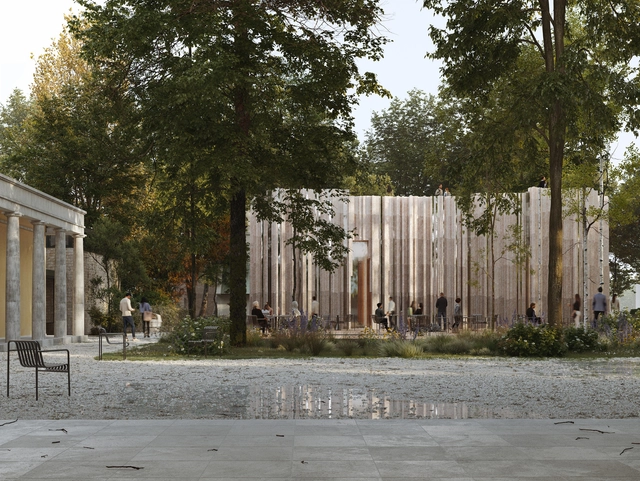
Qatar has announced that architect Lina Ghotmeh, founder and principal of the Paris-based studio Lina Ghotmeh — Architecture, has been selected to design its permanent national pavilion in the Giardini della Biennale, the historic venue of La Biennale di Venezia since 1895. The new building will be on a site adjacent to the Book Pavilion and commissioned by H.E. Sheikha Al Mayassa on behalf of the State of Qatar. With this addition, Qatar becomes one of only 31 countries with a permanent pavilion in the Giardini, joining a select group of nations with dedicated exhibition spaces. Only two new national pavilions have been inaugurated there in the past 50 years: Australia in 1988 and the Republic of Korea in 1996. Lina Ghotmeh's new Qatar Pavilion will serve as a lasting platform for showcasing the country's artistic and architectural contributions, with rotating exhibitions presented during each edition of the Biennale.

First Look at Lina Ghotmeh's Design for Qatar’s First Permanent National Pavilion at Venice Biennale’s Giardini - Image 1 of 4First Look at Lina Ghotmeh's Design for Qatar’s First Permanent National Pavilion at Venice Biennale’s Giardini - Image 2 of 4First Look at Lina Ghotmeh's Design for Qatar’s First Permanent National Pavilion at Venice Biennale’s Giardini - Image 7 of 4First Look at Lina Ghotmeh's Design for Qatar’s First Permanent National Pavilion at Venice Biennale’s Giardini - Image 5 of 4First Look at Lina Ghotmeh's Design for Qatar’s First Permanent National Pavilion at Venice Biennale’s Giardini - More Images+ 4

The Evolution of Modernism in Asian Architecture: Key Figures and Landmark Projects

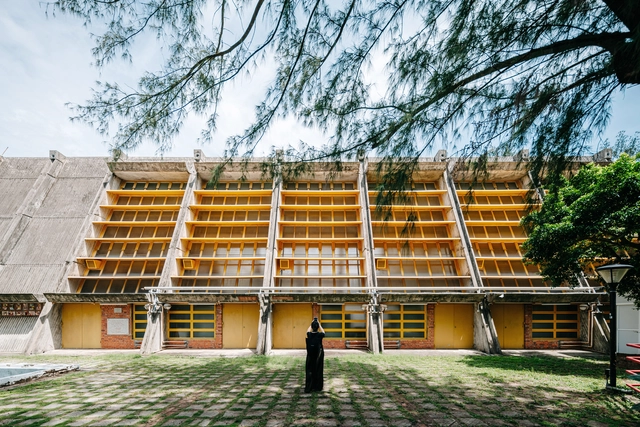
Modernism in architecture emerged at the beginning of the twentieth century, fueled by advancements in science and engineering and a deliberate departure from historical styles. It championed a focus on social equity, urban development, efficiency, and functional design, marking a significant shift in architectural philosophy. Originating primarily in Europe and the United States, modernism captivated the global imagination with its innovative redefinition of space and architecture. Its spread to Asia was facilitated by cross-cultural exchanges—East Asian architects who studied under prominent modernists and European architects working in East Asia through international collaborations or colonial-era influences.

The Evolution of Modernism in Asian Architecture: Key Figures and Landmark Projects - Image 1 of 4The Evolution of Modernism in Asian Architecture: Key Figures and Landmark Projects - Image 2 of 4The Evolution of Modernism in Asian Architecture: Key Figures and Landmark Projects - Image 3 of 4The Evolution of Modernism in Asian Architecture: Key Figures and Landmark Projects - Image 4 of 4The Evolution of Modernism in Asian Architecture: Key Figures and Landmark Projects - More Images+ 34

Cross-Cultural Collaboration: A Tool for Imagining Africa's Future

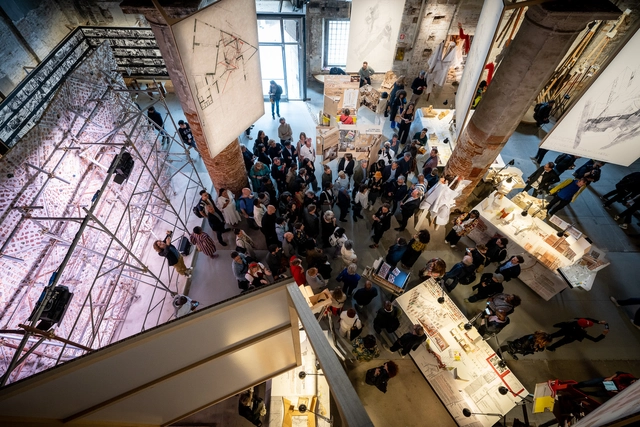
As Venice Architecture Biennale presents its 18th edition titled "The Laboratory of the Future", it centers on Africa as a place of exploration that will offer a template for solutions to the world. According to its curator Lesley Lokko, the Biennale explores entrenched concepts such as climate, land rights, decolonization, and cultures. It challenges us to question how Africa's history can be a radical tool for imagination and reminds us of Stephen Covey's statement: “Live out of your imagination, not just your history.” The biennale's title is probably the most ambitious question in years. It forces us to revisit all boundaries of the continent's historical societies, explore the influence of imposed colonial borders on them, and examine the dual identities they gave birth to. We must consider how these identities can be instruments of creativity, and, more importantly, recognize that every African society has a unique point of view. This viewpoint yearns for cross-cultural collaboration as a powerful tool for imagination.

Cross-Cultural Collaboration: A Tool for Imagining Africa's Future - Image 1 of 4Cross-Cultural Collaboration: A Tool for Imagining Africa's Future - Image 2 of 4Cross-Cultural Collaboration: A Tool for Imagining Africa's Future - Featured ImageCross-Cultural Collaboration: A Tool for Imagining Africa's Future - Image 3 of 4Cross-Cultural Collaboration: A Tool for Imagining Africa's Future - More Images+ 2