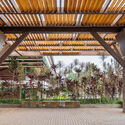
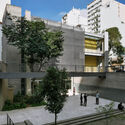
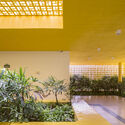
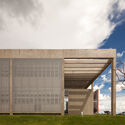
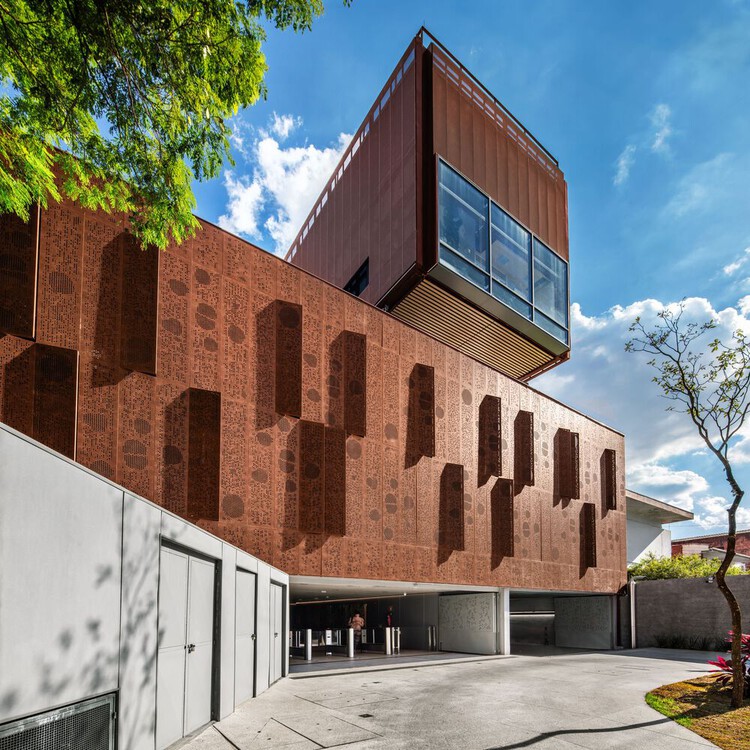
In 1961, when conceiving the Faculty of Architecture and Urbanism of the University of São Paulo, in São Paulo, Vilanova Artigas and Carlos Cascaldi established a paradigm that continues to resonate throughout Brazilian university architecture: the building as a continuous territory, articulated by ramps, courtyards, and open spans, where the experience of learning extends beyond the classroom. The idea emerged at a moment of transformation in Brazilian higher education, which, over the following decades, would expand from serving a relatively restricted audience to reaching a much broader and more diverse population. If Brazil had approximately 226,218 undergraduate enrollments in 1960, by 2023 that number had approached 10 million.