Australian artist, director, and BAFTA-nominated producer Liam Young creates imaginary worlds as a way of thinking through the futures we fear, desire, and are already making. As a creator and designer of atmospheres, he proposes speculative landscapes reflecting the possibilities of a world to come, whether ideal or truthfully unsettling. In his worldbuilding practice across the film, television, and video game industries, fiction becomes a tool for navigating the environmental urgencies of the present. He is considered a "futurist" working across design strategies, technological scenarios, and collective imaginations, grounded in his academic research yet reaching a wider audience in exhibitions such as "In Other Worlds" at the Barbican Centre in London and "Age of Nature" at the Danish Architecture Center in Copenhagen. In February 2026, he was interviewed by Marc-Christoph Wagner for Louisiana Channel, where he shares his visions of our future: from architecture consolidating as a boutique industry to the need for a new kind of planetary punk at the scale of the climate crisis.
Crisis: The Latest Architecture and News
"My Solutions Are Not Polite:" Liam Young on Architecture in the Age of Polycrisis in Louisiana Channel Interview




MASS: A Non-Profit Model for Architecture in Service of Society

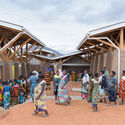
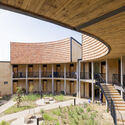
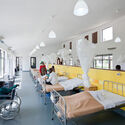
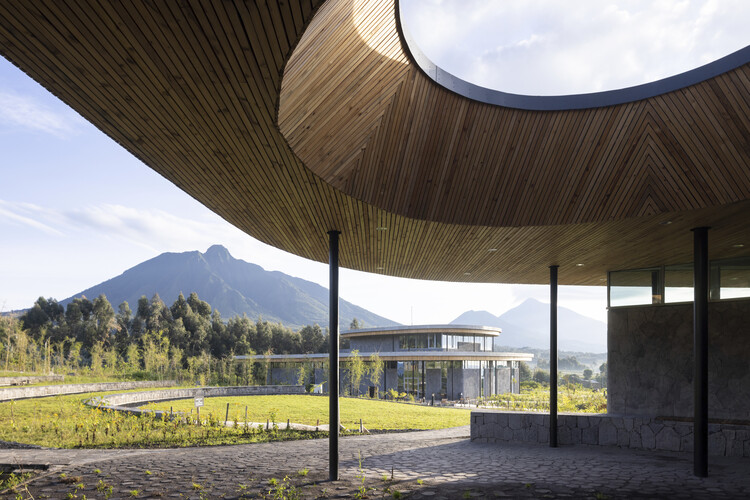
At the time of writing, an article by Martyn Evans asked 'Is Architecture in Crisis?' In the same year, Reinier de Graaf published the book 'Architecture Against Architecture,' where he set out fourteen problems with the profession and discipline. The question of a crisis in architecture is a perennial one. Referring to architecture as a profession, it rears its head especially when economic downturns are expected or in full swing. Simultaneously, there are ongoing questions regarding the effectiveness of architecture at dealing with the pressing matters of the globe and society—housing, climate change, and human development. One venture that attempts to address these questions is MASS, established in Rwanda not long after the 2008 financial crisis. The clue is in the name, which stands for Model of Architecture Serving Society. MASS was created as a different way of practicing architecture.

The Intelligens Biennale Gathers the Data, But Fails to Synthesize It

This article introduces our new Opinion section, a format for argument-driven essays on critical questions shaping our field.
The Venice Architecture Biennale has always been larger than itself. Never content with merely being an exhibition, it has always carried ambitions that expand beyond the grounds of Arsenale and Giardini. Rem Koolhaas's Fundamentals sought to deconstruct architecture into a universal grammar; Alejandro Aravena's Reporting from the Front reframed it as a tool for social justice on the ground; Lesley Lokko's The Laboratory of the Future set out to decolonize and decarbonize the architectural canon.
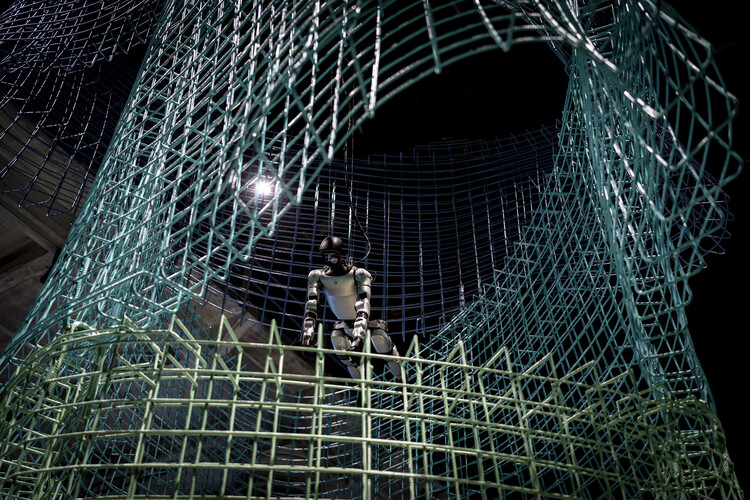
How SCI-Arc Prepares Architects to Thrive in Constant Change

Architecture is being reshaped by artificial intelligence, climate change, and shifting social structures. At SCI-Arc, students learn to face these challenges head-on, using design to shape a rapidly changing world.
This fall, SCI-Arc's upper-level Vertical Studios bring the world into the studio. Each is led by a practicing architect working at the forefront of the field—from experimental fabrication to urban and environmental design. Drawing on real projects and professional experience, faculty challenge students to engage with the realities of the present and to design with precision, empathy, and imagination.
World’s Most Liveable Cities in 2025: Discover the Cities With the Top Quality of Life
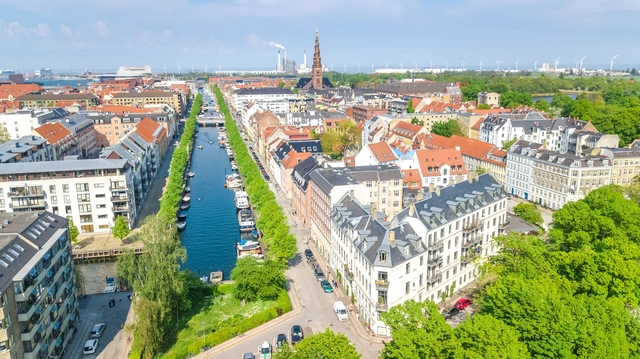
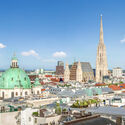
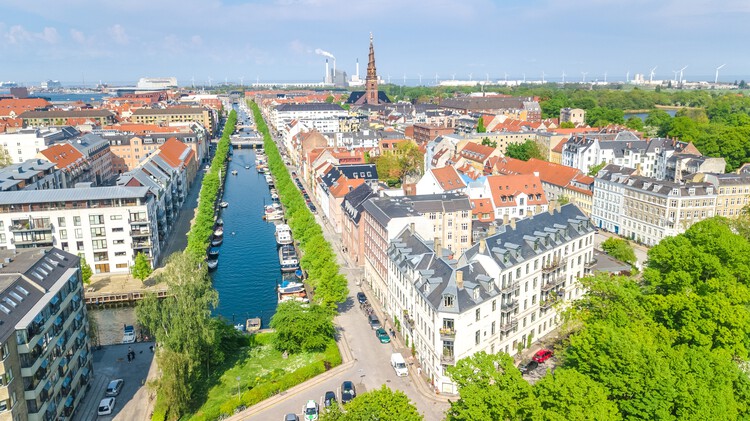
The Economist Intelligence Unit (EIU) has released its Global Liveability Index for 2025, assessing 173 cities worldwide across five categories: stability, healthcare, culture and environment, education, and infrastructure. This year, Copenhagen has taken the top position, ending Vienna's three-year run as the world's most liveable city. The Danish capital earned high scores in stability, education, and infrastructure, narrowly surpassing Vienna, which saw a decline in its stability rating following recent security incidents. The average global liveability score for 2025 remains steady at 76.1 out of 100, unchanged from 2024. While year-on-year improvements were recorded in healthcare, education, and infrastructure, these were offset by a continued decline in stability, driven by rising geopolitical tensions, civil unrest, and increased security threats in several regions.
“Before Architecture, There Is Land”: In Conversation With Lynn Chamoun, Elias Tamer, Shereen Doummar, and Edouard Souhaid, Curators of the Lebanese Pavilion
The Lebanese Pavilion at the Venice Architecture Biennale 2025 explores the land as a site of memory, intelligence, and resistance. Titled The Land Remembers, the exhibition is presented by the Collective for Architecture Lebanon, composed of Lynn Chamoun, Elias Tamer, Shereen Doummar, and Edouard Souhaid, and takes the form of a fictional public institution: the Ministry of Land Intelligens. The pavilion addresses the ongoing ecological crisis in Lebanon through an architectural lens, framing ecocide as both an environmental and social injustice. Positioned within this year's curatorial framework Intelligens: Natural. Artificial. Collective. the project calls for a reevaluation of how architecture engages with damaged landscapes. In this interview with ArchDaily editors during the Biennale, the curators explain how the project impels a rethinking of architecture's foundational commitment to the land.


Our Cities Aren’t Dead Yet!
This article was originally published on Common Edge.
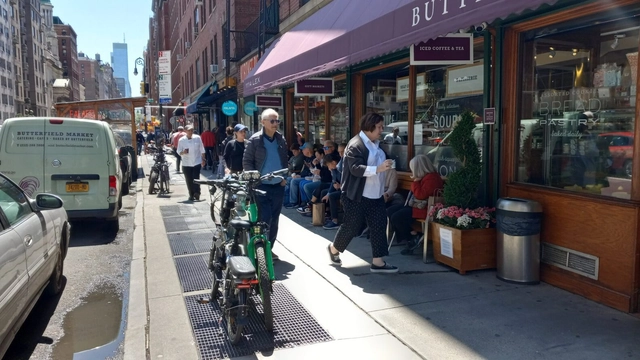
It has been a bull market for downbeat urban reporting since the pandemic arrived in town. And it isn’t hard to see why. In 2020, central U.S. cities went from “comeback” success stories to ghost towns; transit lost nearly all ridership; tens of thousands of stores and restaurants shuttered; and many of the affluent decamped to the suburbs and distant Zoom towns.

Mobility, Managerial Competencies and the Future of Architectural Practice in The 2020's
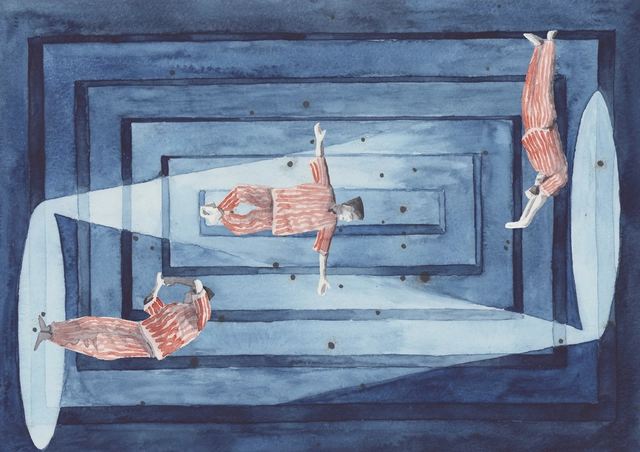
As the world slowly adjusts to the "new normal," so too does the architecture industry. Data related to market size and workloads shows that the profession continued to grow even after the pandemic struck. Other statistics show how architects are starting to be hit by the present crisis – such as the fall in full-time work and rising unemployment. While these statistics could take one down a road of despair (or enthusiasm), there is more to the numbers: Mobility, digital and managerial competencies are framing the profession in the 2020's. Not only as data for the sector to approach the market and retain talent but also as strategies in the face of crises and technologies to come.
PAU’s Vishaan Chakrabarti on How Progressives Ruin Cities in Uncertain Things Podcast
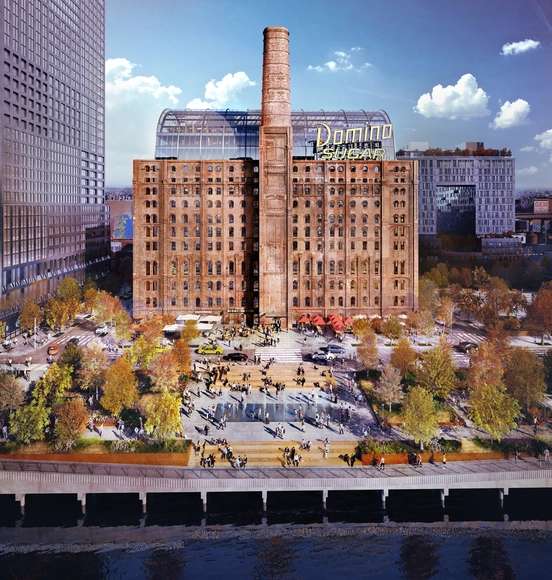
Adaam James Levin-Areddy and Vanessa M. Quirk, the hosts and producers of the Uncertain Things podcast, interview people from diverse backgrounds and a wide range of expertise to ask the question: “now what? What is happening and how did we get here?”. In this episode, they talk with urbanist, architect, and professor Vishaan Chakrabarti, founder of Practice for Architecture and Urbanism, to seek to understand how the cities got so expensive. Together they delve into the affordability crisis, the detrimental effect of progress, and what we need to do to have better cities.





How Private Equity Is Making the Housing Crisis Even Worse
This article was originally published on Common Edge.
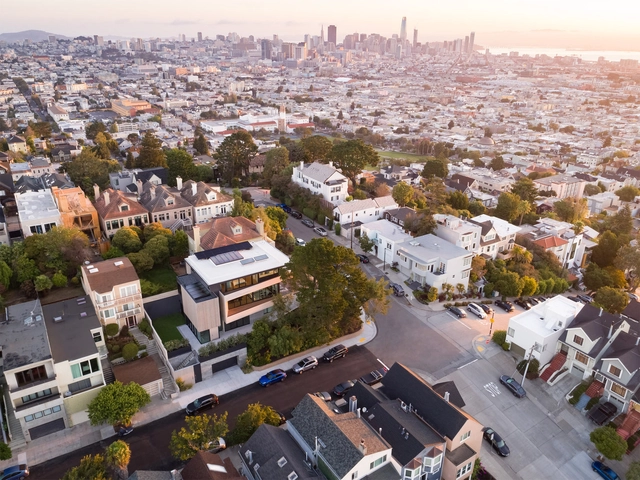
America’s housing crisis is a longstanding problem. But recent reports of private hedge funds buying up detached houses and townhouses is likely to make an already difficult situation even worse. When hedge funds purchase such properties, those homes are not likely to come back on the real estate market. They are gone for now—and probably for the long term.
Architectural Responses to Humanitarian Crises Beyond Designing Buildings
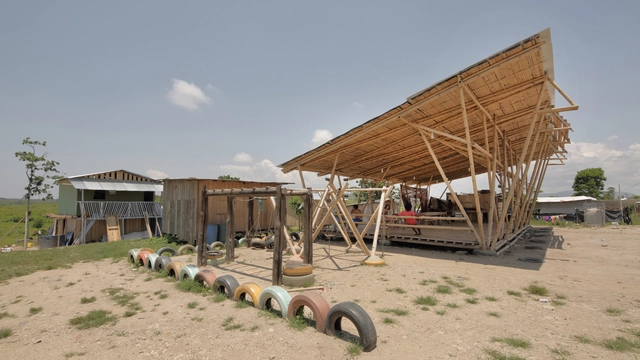
Following decades of ongoing socio-cultural and economic crises across the globe, the design community has realized that it is time to “design like they give a damn”. And with that, they embraced a movement that saw architects and designers use their acquired skills to develop design-based solutions to humanitarian crises, ranging from building modular housing and mapping landscapes, to developing mobile applications and documentaries, all from an altruistic standpoint. But since pro bono work is not yet ingrained in the ethos of architecture, how have architects broken out of the traditional model of “corporate” architecture and established a way to ensure ethical responsibility for human welfare?

Closing Film - Shelter Without Shelter (World Premiere)
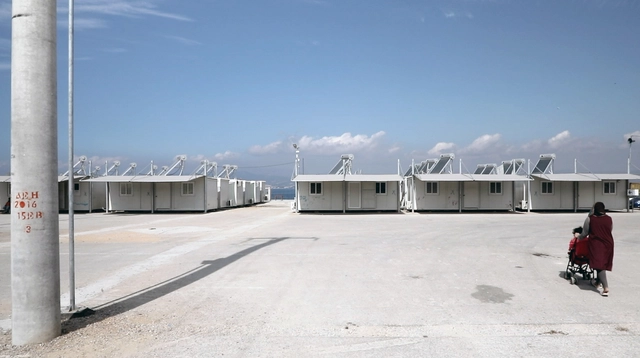
The Architecture Film Festival London, in its 2021 edition, addresses a variety of topics related to contemporary architecture. In particular, the role of housing—from the history of housing estates to the current global housing crisis—is a prominent theme.
Opening Film - PUSH(2019) + Guests and Q&A
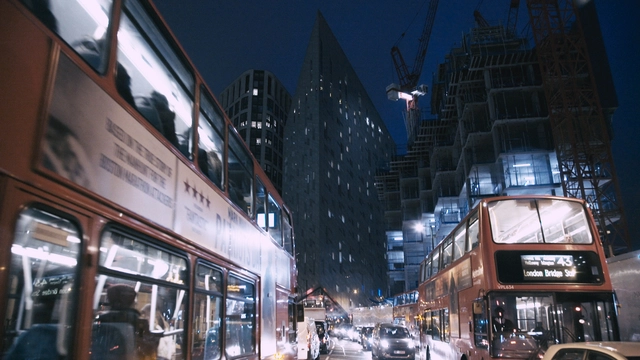
The Architecture Film Festival London, in its 2021 edition, addresses a variety of topics related to contemporary architecture. In particular, the role of housing—from the history of housing estates to the current global housing crisis. Thus, this critical topic will provide the basis for the festival’s opening film, PUSH (2019), directed by Fredrik Gertten.
How Are Construction Materials Produced and How Does This Contribute to the Climate Crisis? Our Readers Answered
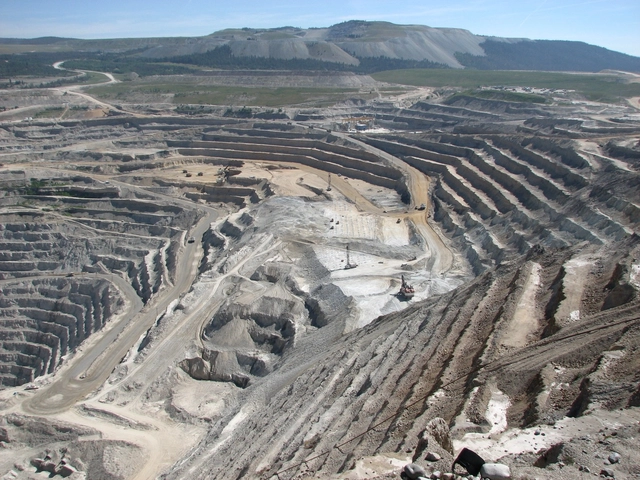
How does architecture contribute to the current climate crisis?
We invited our readers to weigh in on this issue and were overwhelmed by the number of responses that we got. After reading through and compiling the replies from industry professionals, architectural students, and architecture aficionados, we were struck by a common theme: there are few resources when it comes to researching how materials and products used in construction are sourced and produced.
Humankind: After Covid-19

Our entire civilisation is facing one of our most challenging times since WWII.
The results caused by the COVID-19 outbreak are unimaginable and unpredictable yet, but we are already feeling the drastic effects. Richard Kozul-Wright, Director of the UNCTAD, estimates an impact that will cost the world economy around $1 trillion, expecting the worst scenario than the financial collapse in 2008.
Emergency Architecture: Designers Respond to Crisis
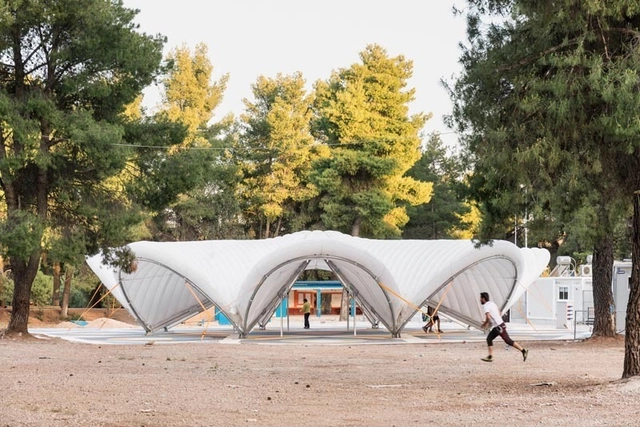
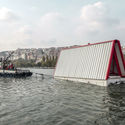
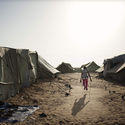
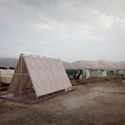
The COVID-19 pandemic has shown yet again how designers are needed to reimagine emergency shelters. With an estimated 900 million people around the world to remain at home because of the virus, there are also a number of hospitals without the necessary beds to treat infected patients. At the same time, the need for emergency shelters is tied to many types of crisis, not just this virus or a pandemic.

Can Architecture Solve Our Crises?
It is not your responsibility to finish the work [of perfecting the world], but you are not free to desist from it either.” —Rabbi Tarfon
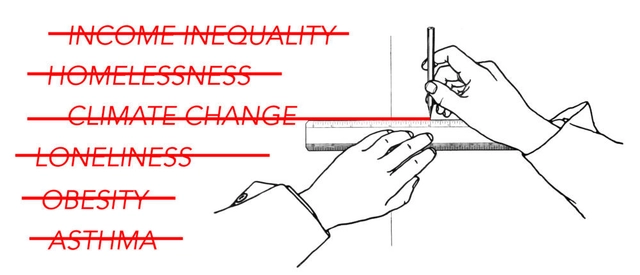
On a recent flight, a gentleman sitting next to me noticed, aloud, that I was reading a book about architecture. Daring to engage in a conversation with more than two hours of flight time left, I confessed that I not only read about, but also practice architecture. His next question, with the earnest tone of a newly minted grandfather, was whether architects were “solving the housing crisis.”
Architects and Our Right to Fail
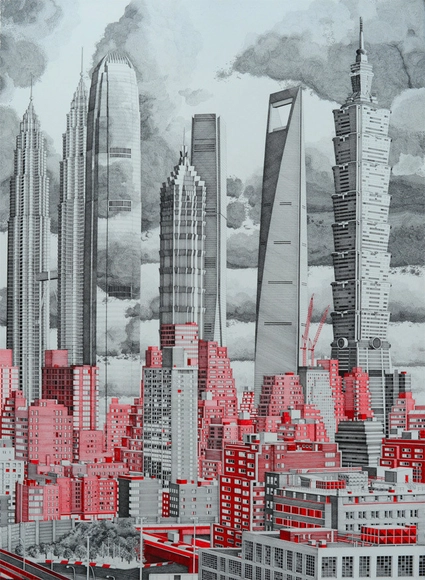
The architecture world is a very different place compared to what it was ten years ago - a fact that is all too obvious for today's young architects, who bore the brunt of the financial crisis. But how can recent graduates harness such rapid change to make a positive impact? This article written by ArchDaily en Español's Nicolás Valencia explores the impact of the financial crisis on architecture in the Global South and in particular in the Spanish-speaking world, finding that it may be the inalienable right of the architect "to give yourself room to fail or to quit."
For some years now, three figures have been floating around that are worrisome to Chilean architects and architectural students: every year 48 architectural schools enroll 3,500 students and give degrees to another 1,400 in a completely saturated market. The future appears bleak, the professional internships are depressing, and among those who already have degrees, we're all too familiar with the exploitative offices that not only offer their employees zero contracts (or health insurance of any kind, all the while praying that nobody gets injured) but also make them work much more than they agreed to with paltry salaries and labor unions that have seen better days. Meanwhile at the universities, talking about money in studios, or about flesh and blood clients, has become a taboo subject. “Students, don't let money tarnish the beauty of the discipline” they tell you. Of course, not only does it not get tarnished, but we've gotten to the point where many don't even know how much to charge for a plan drawing, let alone for an actual project.