1. ArchDaily
  2. Creative Spaces

Creative Spaces: The Latest Architecture and News

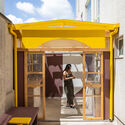
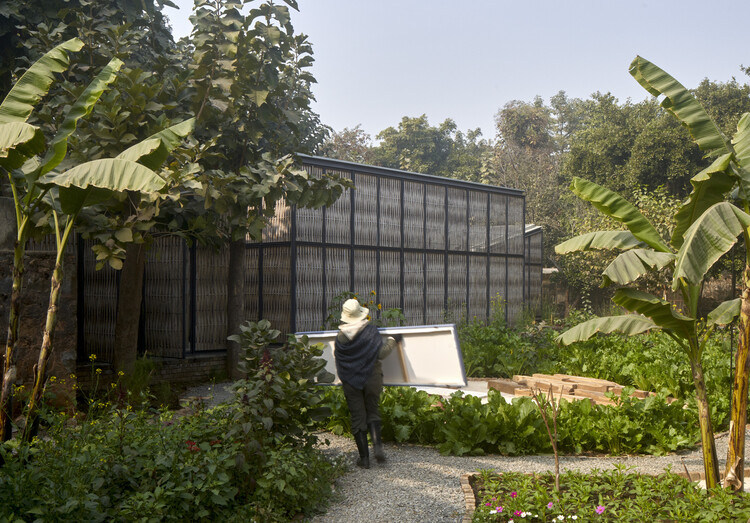
Integrating Creative Spaces: Designing Art Studio Additions at Home

Subscriber Access | 

The home carries multiple identities as shelter, sanctuary, workplace, and stage for daily rituals. In recent years, its role has expanded in unprecedented ways. The pandemic, notably, coerced the home to act as a site of extraordinary adaptability to absorb functions once delegated to schools, offices, gyms, and studios. This transformation has shifted how we imagine domestic life, urging us to think of the home not simply as a backdrop for activity but as a dynamic framework for living, producing, and creating. Within this expanded understanding, artists find themselves asking a renewed question: how can the home allow the flexibility needed for creative practice?

Integrating Creative Spaces: Designing Art Studio Additions at Home - Image 1 of 4Integrating Creative Spaces: Designing Art Studio Additions at Home - Image 2 of 4Integrating Creative Spaces: Designing Art Studio Additions at Home - Image 3 of 4Integrating Creative Spaces: Designing Art Studio Additions at Home - Image 4 of 4Integrating Creative Spaces: Designing Art Studio Additions at Home - More Images+ 48

How to Adapt Static Structures for New Demands ? Lessons from SoHo in New York City and Wong Chuk Hang in Hong Kong

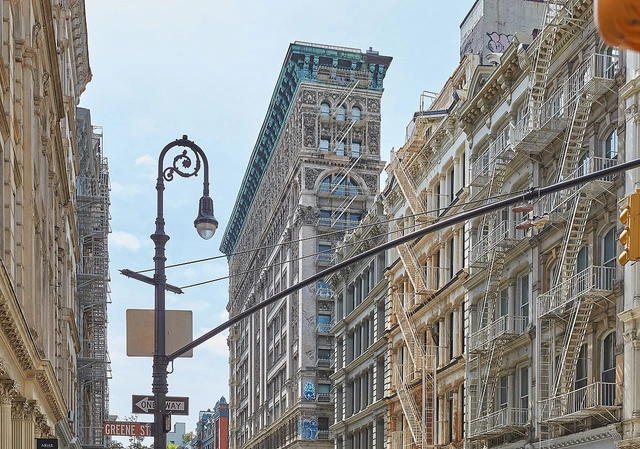
How have architecture and building design adapted to unforeseen future uses? As cities evolve, their needs for buildings inevitably change. Buildings may transition between cultural, commercial, industrial, and office functions depending on a city's identity and economic activity. In a world that is becoming increasingly dynamic and fast-paced, it's essential to consider the challenges static structures face when required to meet new demands. Cities have repurposed these static structures in ways not anticipated during their original design, with many successes in repurposing industrial buildings. Unlike structures designed with flexibility in mind, most manufacturing facilities were not initially intended for multiple uses. Yet, how have cities, communities, and occupants used these spaces, and what are the challenges of transforming a building’s existing uses?

How to Adapt Static Structures for New Demands ? Lessons from SoHo in New York City and Wong Chuk Hang in Hong Kong - Image 1 of 4How to Adapt Static Structures for New Demands ? Lessons from SoHo in New York City and Wong Chuk Hang in Hong Kong - Image 2 of 4How to Adapt Static Structures for New Demands ? Lessons from SoHo in New York City and Wong Chuk Hang in Hong Kong - Image 3 of 4How to Adapt Static Structures for New Demands ? Lessons from SoHo in New York City and Wong Chuk Hang in Hong Kong - Image 4 of 4How to Adapt Static Structures for New Demands ? Lessons from SoHo in New York City and Wong Chuk Hang in Hong Kong - More Images+ 1

Powerhouse Company Wins Competition for a Diverse Urban Ensemble in Amsterdam, Netherlands

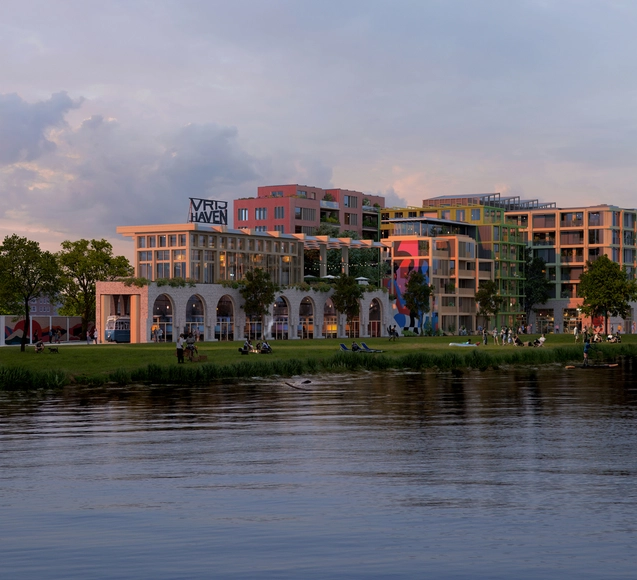
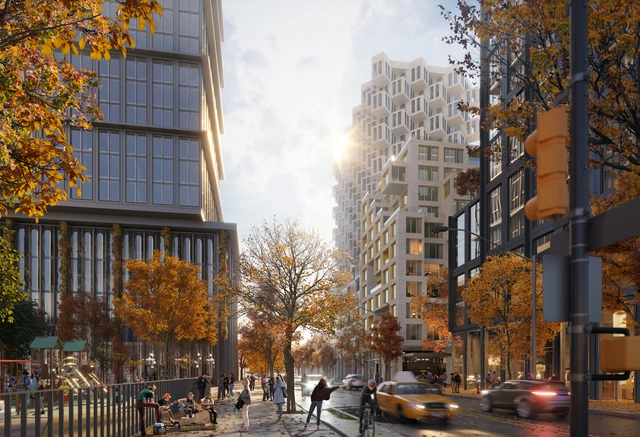
Powerhouse Company, together with Studio Donna van Milligen Bielke & Ard de Vries Architecten, Team V Architecture, Joppe Kusters, and DELVA Landscape Architecture | Urbanism, has won the competition to design a creative urban district in Havenstraat, a well-known fringe area in Amsterdam. Set in a location defined by disused industrial remnants, historic trams, and informal greenery, the area shows its potential in offering space for experimentation, opening itself to local businesses, creatives, and makers to refine its character.

Powerhouse Company Wins Competition for a Diverse Urban Ensemble in Amsterdam, Netherlands - Image 1 of 4Powerhouse Company Wins Competition for a Diverse Urban Ensemble in Amsterdam, Netherlands - Image 2 of 4Powerhouse Company Wins Competition for a Diverse Urban Ensemble in Amsterdam, Netherlands - Image 3 of 4Powerhouse Company Wins Competition for a Diverse Urban Ensemble in Amsterdam, Netherlands - Image 4 of 4Powerhouse Company Wins Competition for a Diverse Urban Ensemble in Amsterdam, Netherlands - More Images+ 7

Form Follows Fun: The New Paradigm

Subscriber Access | 

If street culture is the glue that holds together an urban environment, what happens when its denizens no longer need to go outside? This is one of the fundamental questions faced by architects today, decades after the New Urbanist movement first popularized, or rather brought back, the concept of mixed-use streetscapes—and more than sixty years since Jane Jacobs famously championed walkable streets as essential to building vibrant urban communities.

Long gone, of course, are the days when city streets were our only outlet or option for access to retail and other services. Now, the internet gives us all that and more: remote shopping, banking, education, and even healthcare. Meanwhile, social media has transformed the way we communicate with friends and neighbors. All of which is to say: we no longer need to go out for social interaction or to procure services, we choose to.

Form Follows Fun: The New Paradigm - Image 1 of 4Form Follows Fun: The New Paradigm - Image 2 of 4Form Follows Fun: The New Paradigm - Image 3 of 4Form Follows Fun: The New Paradigm - Image 4 of 4Form Follows Fun: The New Paradigm - More Images+ 4