1. ArchDaily
  2. Contemplating the void

Contemplating the void: The Latest Architecture and News

Overprovision: Exploring Purposefully Wasteful Spaces in Residential Design

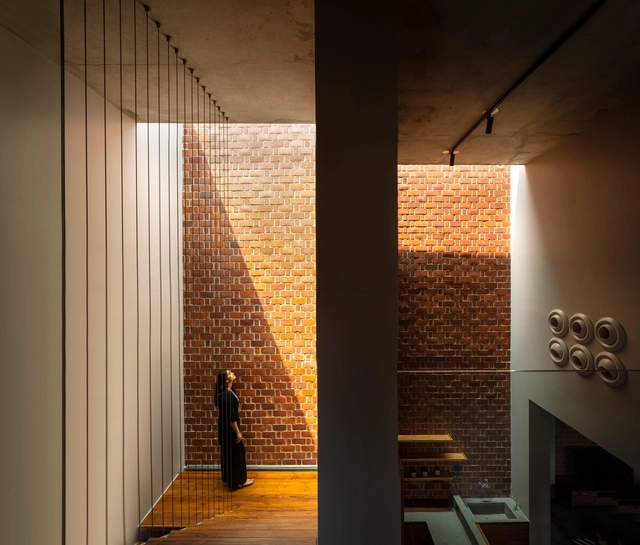
Overprovision can be seen as an architecture strategy through the lens of resilience—making spaces adaptable to changes, reinterpretations, and future needs. However, could overprovision also offer a productive lens for rethinking spatial design? Are there parallels in architectural theory or practice that align with this concept, as explored by notable figures in the discourse on space?

This question becomes particularly relevant in residential design, especially in regions like Hong Kong or Tokyo, where the demand to maximize space is a cultural and practical norm. Designers are frequently tasked with "making use of every inch" for storage or function, reflecting a tendency among residents to accumulate belongings disproportionate to their living spaces. 

Overprovision: Exploring Purposefully Wasteful Spaces in Residential Design - Image 1 of 4Overprovision: Exploring Purposefully Wasteful Spaces in Residential Design - Image 2 of 4Overprovision: Exploring Purposefully Wasteful Spaces in Residential Design - Image 3 of 4Overprovision: Exploring Purposefully Wasteful Spaces in Residential Design - Image 4 of 4Overprovision: Exploring Purposefully Wasteful Spaces in Residential Design - More Images+ 12

Contemplating the Void Artwork Auction

Subscriber Access | 
Contemplating the Void Artwork Auction - Featured Image

During 2009 the Guggenheim Museum celebrated its 50th anniversary. The museum commissioned nearly 200 artists, architects and designers to imagine their dream interventions on the most significative space of Frank Lloyd Wright’s building, the central void.

Contemplating the void: Iwamoto Scott

Subscriber Access | 
Contemplating the void: Iwamoto Scott - Image 8 of 4
© Iwamoto Scott Architecture

As promised, more projects for the Guggenheim’s Contemplating the Void.

This time we feature Iwamoto Scott‘s proposal.

LIGHTCONE uses fiber-optic lines to turn the void into a light channel with different purposes: