1. ArchDaily
  2. Connectors

Connectors: The Latest Architecture and News

Movement, Innovation, and Memory: The Bizkaia Bridge Between Engineering and Heritage

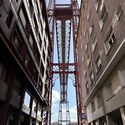
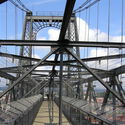
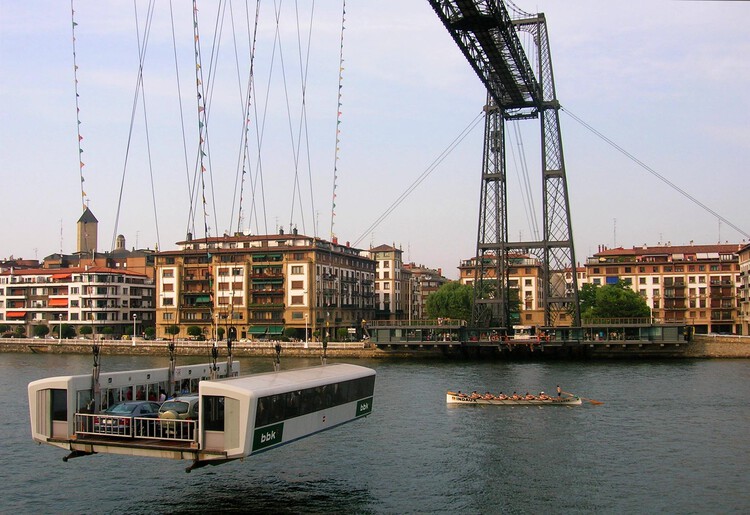
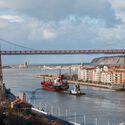
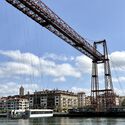
What role do transportation infrastructures play in shaping the culture and economy of societies? How do they bridge cultural, ideological, and geographic divides while transforming the lives of the communities they serve? One of the most remarkable iron structures of the European Industrial Revolution stands west of Bilbao, spanning the Nervión River at the mouth of the Ibaizabal Estuary. It is the Bizkaia Bridge, which combines nineteenth-century ironworking traditions with the innovative use of lightweight alternating-twist steel cables. Recognized as the world's first transporter bridge, it became a model for similar structures built throughout Europe, Africa, and the Americas.

Constructed to connect the opposite banks of the Nervión estuary, it was the first bridge in the world to allow ships, passengers, and vehicles to cross simultaneously by means of a suspended gondola. This innovative system improved communication between two small seaside resort towns while allowing uninterrupted navigation through one of Europe's busiest inland ports.
Movement, Innovation, and Memory: The Bizkaia Bridge Between Engineering and Heritage - Image 1 of 4Movement, Innovation, and Memory: The Bizkaia Bridge Between Engineering and Heritage - Image 2 of 4Movement, Innovation, and Memory: The Bizkaia Bridge Between Engineering and Heritage - Image 3 of 4Movement, Innovation, and Memory: The Bizkaia Bridge Between Engineering and Heritage - Image 4 of 4Movement, Innovation, and Memory: The Bizkaia Bridge Between Engineering and Heritage - More Images+ 3

Transforming Urban Spaces: How to Reintegrate Large-Scale Infrastructure Projects?

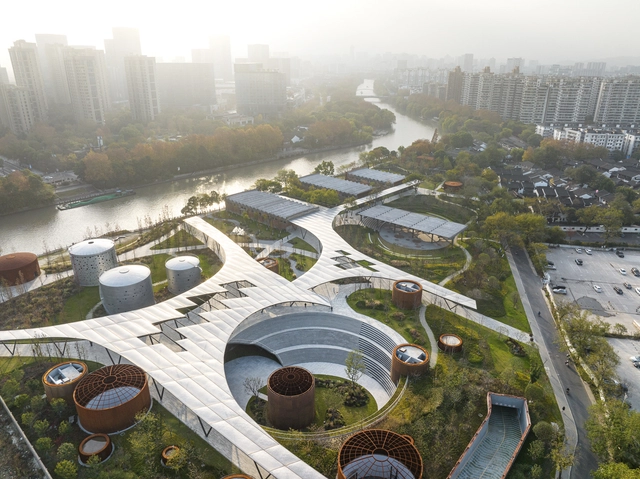
Large-scale infrastructure projects often aim to connect distant locations within urban areas, facilitating quicker transportation, logistics, and commercial activities along their routes. However, while these projects link distant destinations, their substantial physical presence can significantly affect local communities. This may result in the disconnection and disengagement of previously connected neighborhoods, the disruption of public spaces, and generally negative outdoor experiences caused by noise, pollution, and lack of attention and maintenance to these infrastructures.

Nevertheless, several successful built environment projects have re-integrated contentious infrastructure into the community through thoughtful design of outdoor spaces, with Paris' Coulée verte René-Dumont being one of the first examples and New York's High Line being one of the most prominent examples. The High Line demonstrates how well-conceived outdoor projects can address the alienation caused by extensive infrastructure, foster community reconnection, serve as cultural and economic hubs, and even spur further economic redevelopment, as in Hudson Yards.

Transforming Urban Spaces: How to Reintegrate Large-Scale Infrastructure Projects? - Image 1 of 4Transforming Urban Spaces: How to Reintegrate Large-Scale Infrastructure Projects? - Image 5 of 4Transforming Urban Spaces: How to Reintegrate Large-Scale Infrastructure Projects? - Image 4 of 4Transforming Urban Spaces: How to Reintegrate Large-Scale Infrastructure Projects? - Image 2 of 4Transforming Urban Spaces: How to Reintegrate Large-Scale Infrastructure Projects? - More Images+ 24

How to Join Wooden Elements: 6 Tips to Build Safe and Strong Structures

Subscriber Access | 

Wood is a very easy-to-work material, allowing professional and amateur builders to manufacture simple objects and structures without major problems. However, when thinking about larger-scale housing or buildings, it's important to take certain precautions that ensure good quality and good construction behavior. To this end, it's essential to evaluate every project and analyze which connection system best suits its structural and aesthetic needs.

We spoke with the experts of Simpson Strong Tie, a leading company in structural connectors, anchors, and fastening systems, to learn more about these topics. Here are six important lessons and tips for building safer and more resistant wooden houses and buildings.