1. ArchDaily
  2. Concrete Interiors

Concrete Interiors: The Latest Architecture and News

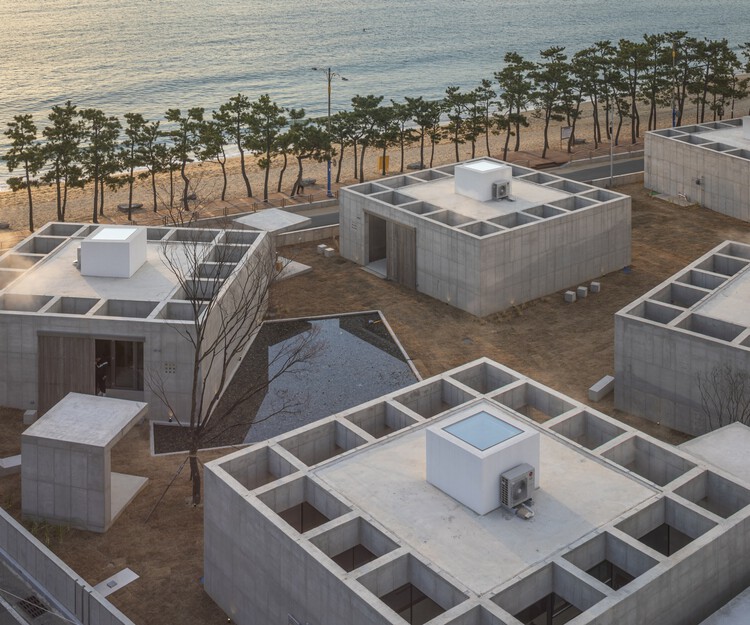
Elemental Shores in the Asia-Pacific: Concrete Recasts the Beach House

Subscriber Access | 

Living by the beach has long been a defining aspiration—drawn by the promise of tempered nature, privacy, and immediate access to the water. Historically, beach houses tended to be rustic and pared back: partly because servicing remote sites and delivering materials was difficult, and partly because their charm lay in being closer to the elements—simpler, rougher, more direct.

Accordingly, many early beach houses were built in timber. Wood offered clear advantages: it was lightweight, adaptable, quick to work with, and could be erected with minimal heavy machinery. While timber weathers and fares poorly in salt-laden humidity, exterior-grade lumber carries a raw, natural character that reinforced the appeal of the beach-house ideal.

Elemental Shores in the Asia-Pacific: Concrete Recasts the Beach House - Image 1 of 4Elemental Shores in the Asia-Pacific: Concrete Recasts the Beach House - Image 2 of 4Elemental Shores in the Asia-Pacific: Concrete Recasts the Beach House - Image 3 of 4Elemental Shores in the Asia-Pacific: Concrete Recasts the Beach House - Image 4 of 4Elemental Shores in the Asia-Pacific: Concrete Recasts the Beach House - More Images+ 32

Raw Interiors: 35 Projects that Use Exposed Wood and Concrete

Subscriber Access | 

Interior design has been characterized by infinite alternatives in coatings, finishes, and furniture to achieve unique and unrepeatable spaces. Designers are constantly coming up with innovative solutions and materials specifically created for a distinctive spatial perception. However, there is also a trend that seeks the warmth of the interior spaces by exposing the raw building materials as they are. The richness of materials such as wood and concrete gives that feeling of durability and low maintenance that, combined with an attention-to-detail design, makes spaces look warm yet stay true in essence. See below for 35 examples of interior spaces where concrete and wood appear in their almost purest state.
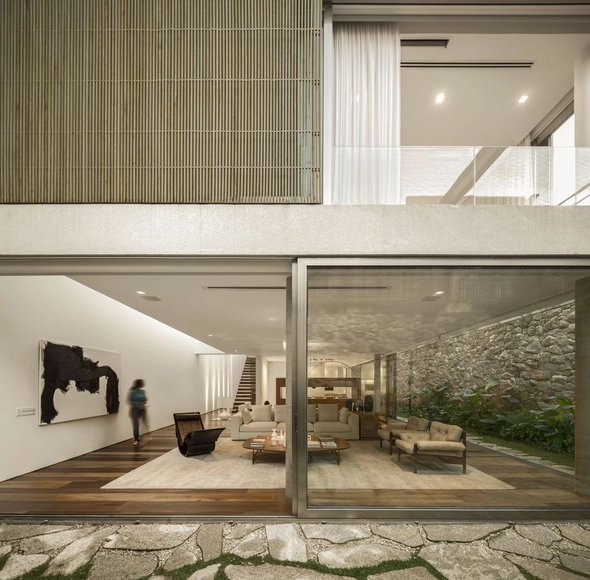
Raw Interiors: 35 Projects that Use Exposed Wood and Concrete - Image 1 of 4Raw Interiors: 35 Projects that Use Exposed Wood and Concrete - Image 2 of 4Raw Interiors: 35 Projects that Use Exposed Wood and Concrete - Image 3 of 4Raw Interiors: 35 Projects that Use Exposed Wood and Concrete - Image 4 of 4Raw Interiors: 35 Projects that Use Exposed Wood and Concrete - More Images+ 32

More Than Gray: 15 Projects That Explore Red Pigmented Concrete

Subscriber Access | 

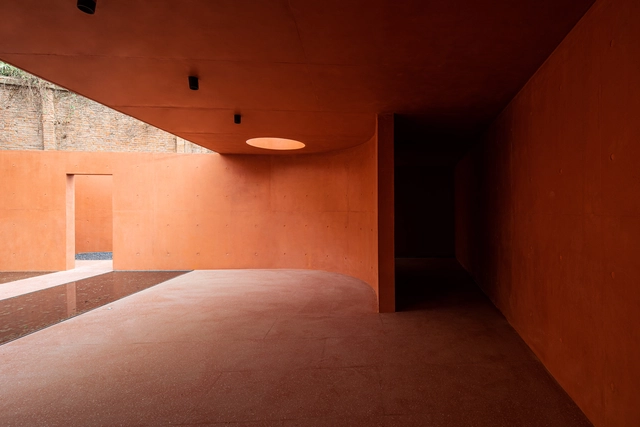
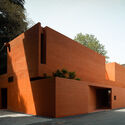
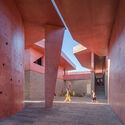
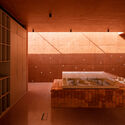
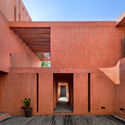
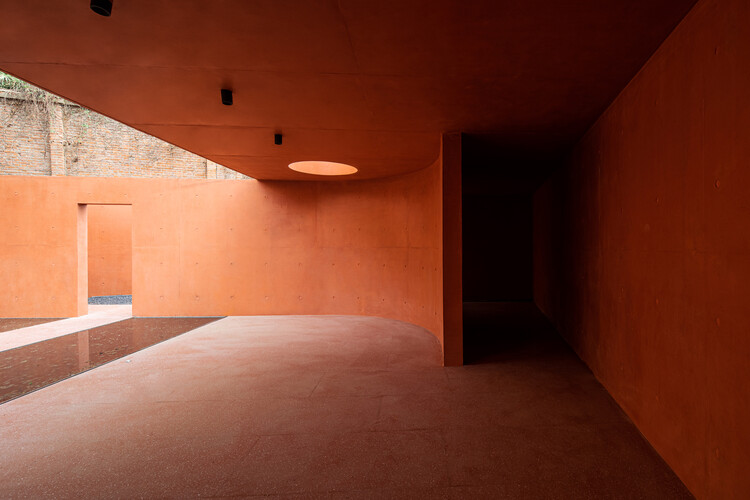
Concrete is often seen as the material of modernity, defined by its structural strength, raw finish, and unmistakable gray tone. It became the default palette of 20th-century architecture, a symbol of functionality and permanence. Yet, concrete is not bound to this chromatic identity. Its color is a byproduct of the cement, aggregates, and chemical composition used in its mix, and it can be intentionally altered through pigmentation. Among the many hues explored, red stands out — not only for its visual intensity, but for its ability to root buildings in place, evoke cultural references, and imbue architecture with a material presence that feels both elemental and expressive.

Pigmenting concrete involves the addition of mineral-based colorants — usually iron oxides — during the mixing process. Unlike paints or coatings applied to the surface, these pigments are integrated directly into the concrete mass, ensuring the color permeates the material and remains stable over time. Red pigments in particular are often derived from iron oxide (Fe₂O₃), a naturally occurring compound found in clay, hematite, and other iron-rich minerals. Their deep, earthy hue connects contemporary construction with ancient techniques — from Roman pozzolana mortars to the red earth buildings of West Africa and South America.

More Than Gray: 15 Projects That Explore Red Pigmented Concrete - Image 1 of 4More Than Gray: 15 Projects That Explore Red Pigmented Concrete - Image 2 of 4More Than Gray: 15 Projects That Explore Red Pigmented Concrete - Image 3 of 4More Than Gray: 15 Projects That Explore Red Pigmented Concrete - Image 4 of 4More Than Gray: 15 Projects That Explore Red Pigmented Concrete - More Images+ 27

An Abstract Chapel in Portugal and a Museum in Iran: 10 Unbuilt Projects Featuring Concrete Designs

Subscriber Access | 

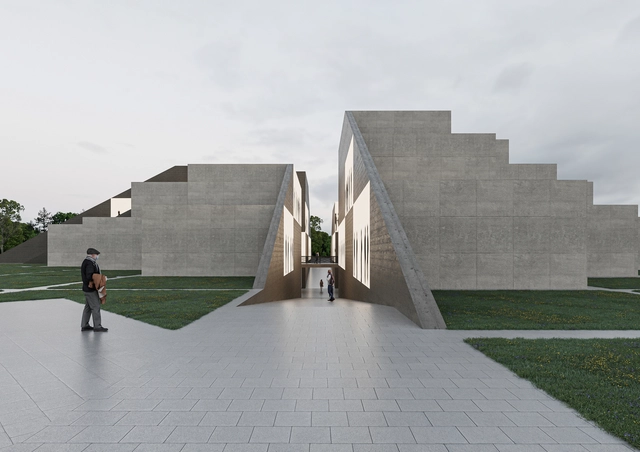
A cornerstone of architectural innovation for centuries, concrete has transformed the structural capabilities of buildings worldwide. As one of the more versatile and durable building materials, concrete has aided architects and engineers in pushing the traditional boundaries of design. Today, it is the most widely used construction material on the planet. According to the Guardian, concrete is also a “lifestyle concept,” using its “gritty, urban” aesthetic to shape the imagination of all our architectures at every scale.

Casting Furniture with Upcycled Plastics and Urban Debris: Los Colados Project

Subscriber Access | 

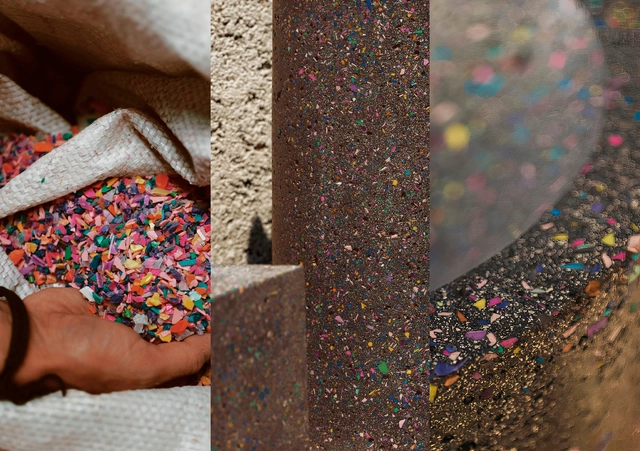
For decades, our society and the development of our built environment have been strongly associated with intensive extractive processes. While these methods were fundamental to the growth of urban areas, they also laid the groundwork for significant challenges that contemporary generations face today. Nowadays, construction debris accumulates on the peripheries of our cities, and plastic waste floats in the oceans.

In this context, and similarly to the idea expressed by Alvar Aalto, who stated that "modern architecture does not imply the use of new materials, but rather employing existing materials more humanely," it is crucial to reconsider how we manage our resources and waste. This shift in direction provides us with new opportunities to address the challenges that the ongoing climate crisis has brought. In response, various actions are now being taken, using materials such as food waste, recycled wood, and plastic debris, among others, exploring innovations in a context where raw materials are becoming increasingly scarce.

Polished Concrete Floors: 25 Projects that Combine Aesthetics, Durability, and Ease of Execution

In addition to their aesthetic appeal, the use of raw materials can save resources by bypassing the use of additional coatings and processes. This type of solution was most commonly used in utility buildings, such as infrastructure, factories, and warehouses. Exposed concrete floors, for example, were primarily found in industrial spaces, parking lots, and gas stations. However, they are increasingly being used in structures of different programs due to their appearance, durability, resistance, and vast possibilities for finishes. But what are the main factors to be aware of when using a concrete floor for a project?

Polished Concrete Floors: 25 Projects that Combine Aesthetics, Durability, and Ease of Execution - Image 1 of 4Polished Concrete Floors: 25 Projects that Combine Aesthetics, Durability, and Ease of Execution - Image 2 of 4Polished Concrete Floors: 25 Projects that Combine Aesthetics, Durability, and Ease of Execution - Image 3 of 4Polished Concrete Floors: 25 Projects that Combine Aesthetics, Durability, and Ease of Execution - Image 4 of 4Polished Concrete Floors: 25 Projects that Combine Aesthetics, Durability, and Ease of Execution - More Images+ 24

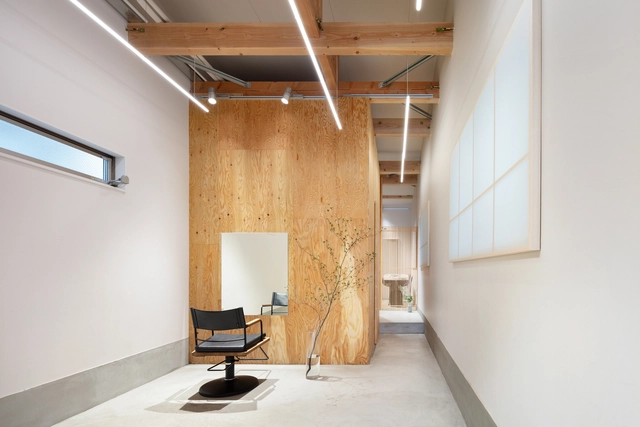
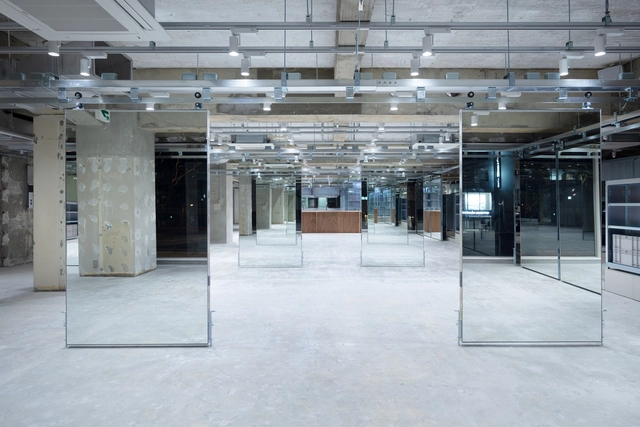
Japanese Beauty Salon Standards: 20 Projects that Blend Form with Function

More than ever; today a trip to a hair or beauty salon has become a much-needed escape time. It promises an ultimately uplifting and relaxing experience with an aesthetically pleasing result. However, this affair, like many others, depends on a catered physical setting; a space that’s efficient design can make or break one’s leisurely time. Many spatial considerations have to be taken while setting up a successful and functional beauty shop, and there are no better examples to consider than the quaint Japanese beauty salons. 

Japanese Beauty Salon Standards: 20 Projects that Blend Form with Function - Image 1 of 4Japanese Beauty Salon Standards: 20 Projects that Blend Form with Function - Image 2 of 4Japanese Beauty Salon Standards: 20 Projects that Blend Form with Function - Image 3 of 4Japanese Beauty Salon Standards: 20 Projects that Blend Form with Function - Image 4 of 4Japanese Beauty Salon Standards: 20 Projects that Blend Form with Function - More Images+ 18

C House / Studio Arthur Casas

C House / Studio Arthur Casas - Interior Photography, House InteriorsC House / Studio Arthur Casas - Interior Photography, House InteriorsC House / Studio Arthur Casas - Exterior Photography, House Interiors, GardenC House / Studio Arthur Casas - Interior Photography, House Interiors, Table, ChairC House / Studio Arthur Casas - More Images+ 24

  • Area Area of this architecture project Area:  425
  • Year Completion year of this architecture project Year:  2013
  • Manufacturers Brands with products used in this architecture project
    Manufacturers:  Valcucine, Aricanduva Caixilhos, Arthur Decor, Asia Pedras, Deca, +11

LIM・loji Hair Salon / Schemata Architects

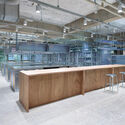
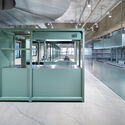
LIM・loji Hair Salon / Schemata Architects - Interior Photography, Retail Interiors, Table, ChairLIM・loji Hair Salon / Schemata Architects - Interior Photography, Retail Interiors, ChairLIM・loji Hair Salon / Schemata Architects - Interior Photography, Retail Interiors, Kitchen, BeamLIM・loji Hair Salon / Schemata Architects - Interior Photography, Retail Interiors, KitchenLIM・loji Hair Salon / Schemata Architects - More Images+ 17

Plain Ties / Matharoo Associates

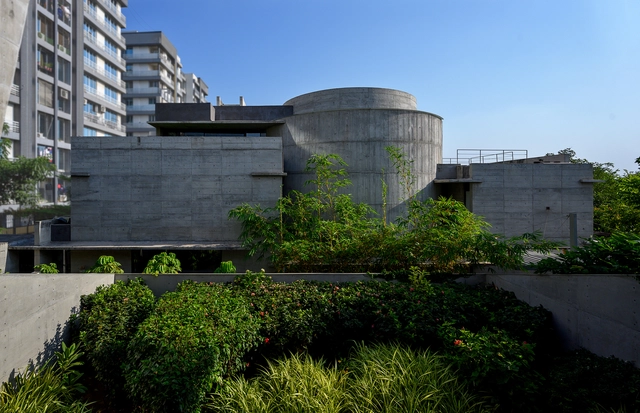
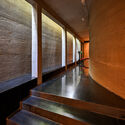
Plain Ties / Matharoo Associates - Interior Photography, House Interiors, Table, ChairPlain Ties / Matharoo Associates - Interior Photography, House Interiors, StairsPlain Ties / Matharoo Associates - Interior Photography, House Interiors, Chair, TablePlain Ties / Matharoo Associates - Exterior Photography, House Interiors, FacadePlain Ties / Matharoo Associates - More Images+ 11

Barbosa House / CB ARQUITECTURA

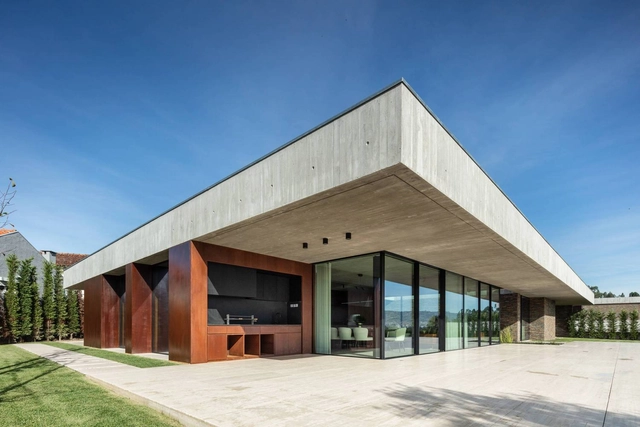
Barbosa House / CB ARQUITECTURA - Exterior Photography, Houses, FacadeBarbosa House / CB ARQUITECTURA - Exterior Photography, HousesBarbosa House / CB ARQUITECTURA - Interior Photography, HousesBarbosa House / CB ARQUITECTURA - Exterior Photography, Houses, FacadeBarbosa House / CB ARQUITECTURA - More Images+ 26

Sermonde, Portugal
  • Architects: CB ARQUITECTURA
  • Area Area of this architecture project Area:  840
  • Year Completion year of this architecture project Year:  2020

House in Restelo / Pedro Domingos Arquitectos

House in Restelo / Pedro Domingos Arquitectos - Interior Photography, Houses, BathroomHouse in Restelo / Pedro Domingos Arquitectos - Exterior Photography, HousesHouse in Restelo / Pedro Domingos Arquitectos - Interior Photography, HousesHouse in Restelo / Pedro Domingos Arquitectos - Interior Photography, Houses, FacadeHouse in Restelo / Pedro Domingos Arquitectos - More Images+ 47

Lisboa, Portugal
  • Area Area of this architecture project Area:  400
  • Year Completion year of this architecture project Year:  2018
  • Manufacturers Brands with products used in this architecture project
    Manufacturers:  AEG, 2GM, BRUMA, Berker, Betãolis, +2

Most Beautiful House / Leo Romano

Most Beautiful House / Leo Romano - Interior Photography, House Interiors, Table, ChairMost Beautiful House / Leo Romano - Exterior Photography, House Interiors, GardenMost Beautiful House / Leo Romano - Exterior Photography, House Interiors, GardenMost Beautiful House / Leo Romano - Exterior Photography, House Interiors, Garden, Stairs, HandrailMost Beautiful House / Leo Romano - More Images+ 26

Tree House / Studio Guilherme Torres

Tree House / Studio Guilherme Torres - Exterior Photography, HousesTree House / Studio Guilherme Torres - Exterior Photography, Houses, Garden, StairsTree House / Studio Guilherme Torres - Interior Photography, Houses, Facade, TableTree House / Studio Guilherme Torres - Interior Photography, Houses, FacadeTree House / Studio Guilherme Torres - More Images+ 54

Curitiba, Brazil

Cork Trees House / TRAMA arquitetos

Cork Trees House / TRAMA arquitetos - Exterior Photography, House InteriorsCork Trees House / TRAMA arquitetos - Interior Photography, House Interiors, TableCork Trees House / TRAMA arquitetos - Interior Photography, House InteriorsCork Trees House / TRAMA arquitetos - Interior Photography, House Interiors, Bathroom, BathtubCork Trees House / TRAMA arquitetos - More Images+ 34

Q04L63 House / mf+arquitetos

Q04L63 House / mf+arquitetos - Interior Photography, House Interiors, Table, ChairQ04L63 House / mf+arquitetos - Interior Photography, House Interiors, Column, BeamQ04L63 House / mf+arquitetos - Exterior Photography, House Interiors, GardenQ04L63 House / mf+arquitetos - Interior Photography, House Interiors, LightingQ04L63 House / mf+arquitetos - More Images+ 26

  • Architects: mf+arquitetos
  • Area Area of this architecture project Area:  282
  • Year Completion year of this architecture project Year:  2020
  • Manufacturers Brands with products used in this architecture project
    Manufacturers:  Casa de Cora, Cia Luz, Danilo Sbindio, Deca, Design brasil, +6

Lagos House / MAPA

Lagos House / MAPA - Interior Photography, Houses, Kitchen, Door, CountertopLagos House / MAPA - Interior Photography, Houses, Facade, Beam, TableLagos House / MAPA - Interior Photography, HousesLagos House / MAPA - Interior Photography, Houses, Kitchen, Countertop, ChairLagos House / MAPA - More Images+ 30

Ciudad de la Costa, Uruguay
  • Architects: MAPA
  • Year Completion year of this architecture project Year:  2019
  • Manufacturers Brands with products used in this architecture project
    Manufacturers:  Alufran, Bosch, Dura, Laviere Vitacca, MOAA, +1

Setúbal House / João Tiago Aguiar Arquitectos

Setúbal House / João Tiago Aguiar Arquitectos - Exterior Photography, House Interiors, Facade, DoorSetúbal House / João Tiago Aguiar Arquitectos - Interior Photography, House Interiors, Bedroom, BedSetúbal House / João Tiago Aguiar Arquitectos - Interior Photography, House Interiors, BathroomSetúbal House / João Tiago Aguiar Arquitectos - Interior Photography, House Interiors, KitchenSetúbal House / João Tiago Aguiar Arquitectos - More Images+ 23

  • Architects: João Tiago Aguiar Arquitectos
  • Area Area of this architecture project Area:  453
  • Year Completion year of this architecture project Year:  2016
  • Manufacturers Brands with products used in this architecture project
    Manufacturers:  AutoDesk, CLIMAR, CIN, Efapel, GLS2 CARPINTARIA, +2