1. ArchDaily
  2. Computers

Computers: The Latest Architecture and News

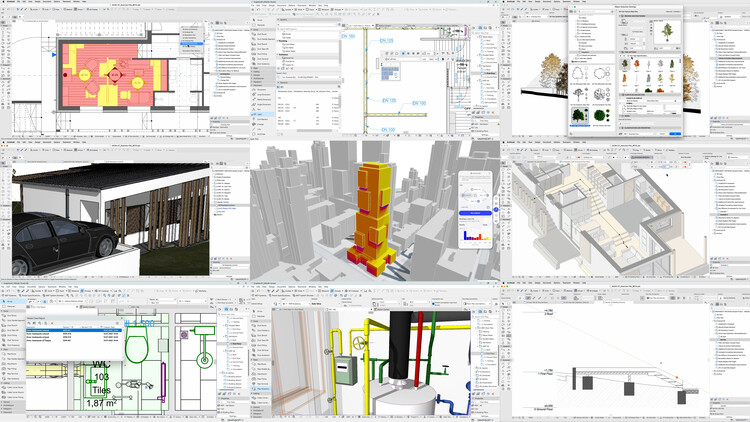
How Will BIM 2.0, AI Assistance, and Integrated Workflows Shape the Architect’s Design Experience?

 | Sponsored Content

When architects are still students, a moment often marks a turning point: their first encounter with software. It's not just about learning a tool but discovering a space where ideas transcend physical models, taking shape in a digital environment and beginning a relationship many will carry throughout their careers. What happens next? Software keeps evolving, and with it, the design experience. In recent years, this evolution has accelerated—machine learning, AI, prompts, and integrated workflows have moved from the periphery to the core of design practice, becoming part of the shared language between software and users. As these tools take hold, a key question emerges: How will this reshape our experience of designing architecture in the future?
How Will BIM 2.0, AI Assistance, and Integrated Workflows Shape the Architect’s Design Experience? - Image 1 of 4How Will BIM 2.0, AI Assistance, and Integrated Workflows Shape the Architect’s Design Experience? - Image 2 of 4How Will BIM 2.0, AI Assistance, and Integrated Workflows Shape the Architect’s Design Experience? - Image 3 of 4How Will BIM 2.0, AI Assistance, and Integrated Workflows Shape the Architect’s Design Experience? - Image 4 of 4How Will BIM 2.0, AI Assistance, and Integrated Workflows Shape the Architect’s Design Experience? - More Images+ 13

Evolution of Data Center Design: Modular Construction, Sustainable Architecture and Eclectic Form

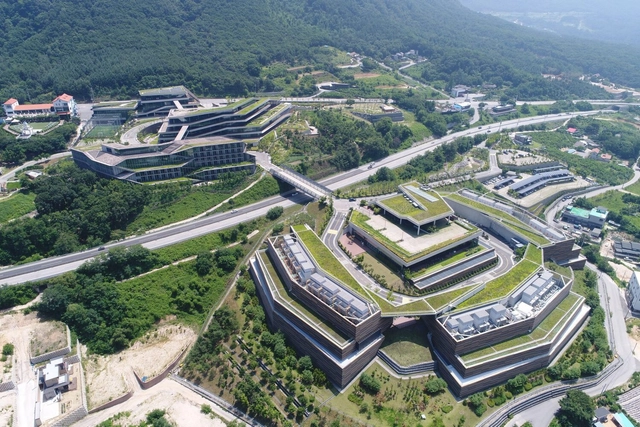
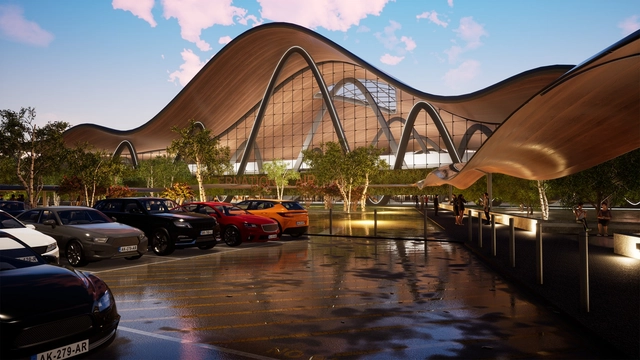
As the AI fervor continues to reshape how people see the world, 2025 looms as yet another year in the march toward technological advancement. While some worry about the dominance of technology in society, architects are shifting their attention to the foundations of a digital future: data centers. The design of data centers challenges designers to reconcile the demands of technological functionality with the principles of architectural excellence. As the dependence on cloud computing, IoT ecosystems, and big data analytics deepens, data center architecture demands more attention. As data consumption skyrockets, data center consumption rates match the demand. These structures were once relegated to nondescript industrial zones, but are now becoming integral components of urban and suburban environments. While some community members are upset about the encroachment of data centers in their localities, others see them as indicators of economic development.

Evolution of Data Center Design: Modular Construction, Sustainable Architecture and Eclectic Form - Image 1 of 4Evolution of Data Center Design: Modular Construction, Sustainable Architecture and Eclectic Form - Image 2 of 4Evolution of Data Center Design: Modular Construction, Sustainable Architecture and Eclectic Form - Image 3 of 4Evolution of Data Center Design: Modular Construction, Sustainable Architecture and Eclectic Form - Image 4 of 4Evolution of Data Center Design: Modular Construction, Sustainable Architecture and Eclectic Form - More Images+ 4

AD Classics: Möbius House / UNStudio

  • Architects: UNStudio
  • Area Area of this architecture project Area:  520
  • Year Completion year of this architecture project Year:  1998

In 1993 a young professional couple from Amsterdam set out to build a private house unlike any other. They wanted to create something that “would be recognized as a reference in terms of renewal of the architectural language.” They reached out to several architects, including Rem Koolhaas, but finally decided to entrust the commission to Dutch architect Ben van Berkel after he studied the site and came up with a vision for the project, relating it to the couple’s lifestyle.

Located in Het Gooi, its design took over 5 years, going through several iterations, but always coming back to its core inspiration: the Möbius loop. The shape, defined as a single-sided surface with no boundaries, was the key to a new architectural language that aimed to weave together all the individual activities of each family member, allowing the functional program to be integrated within the dynamic structure. By 1998, when the house was completed, it became widely published and internationally recognized. It also became a sort of manifesto for its architect, as it uses an organizational principle to inform the final image.

AD Classics: Möbius House / UNStudio - Interior Photography, Houses, TableAD Classics: Möbius House / UNStudio - Interior Photography, Houses, Facade, HandrailAD Classics: Möbius House / UNStudio - Interior Photography, Houses, Facade, ColumnAD Classics: Möbius House / UNStudio - Interior Photography, Houses, Stairs, Facade, HandrailAD Classics: Möbius House / UNStudio - More Images+ 17

BIM and the Future of Architecture: Accelerating Design Processes with Archicad 27

 | Sponsored Content

Architecture is a unique field that combines equally constant aesthetic and functional needs, while immersed in dynamic technological environments. At this juncture, design processes and buildings are becoming increasingly intricate, requiring architects to manage projects efficiently while fostering multidisciplinary and multi-level collaboration throughout workflows. Additionally, the new technologies and tools we employ in the process must evolve at the same pace —sometimes even faster— by embracing aspects such as sustainability and efficiency, all while keeping an eye on the future.

The tools available in the multidisciplinary architectural environment have evolved significantly quickly. Both students and experienced architects have now nearly completely transitioned from manual methods to computer-aided drafting software. Today, we find ourselves immersed in the era of architecture driven by technologies such as Building Information Modeling (BIM), artificial intelligence, and digital processes. At the same time, the fundamentals of BIM and its historical background trace back to the early days of computing, research, and new technologies, which sparked a rapid evolution within the AEC industry and among its professionals.

Architecture of the Cloud: The Data Center Footprint

In the contemporary context, as has been said a multitude of times, we seem to be living in what is classified as a digital age. A worldwide pandemic has enhanced the popularity of digital avenues to communicate — such as Microsoft Teams and Zoom, and the multiplatform messaging app WhatsApp is reported to have over 2 billion active users. From an environmental standpoint, we see the migration of businesses to the “cloud” heralded as a sustainability win. In simplified terms and to pick out a specific example, companies can refrain from storing data on external hard drives, opting instead to store their data on online file hosting services.

Architecture of the Cloud: The Data Center Footprint - Image 1 of 4Architecture of the Cloud: The Data Center Footprint - Image 2 of 4Architecture of the Cloud: The Data Center Footprint - Image 3 of 4Architecture of the Cloud: The Data Center Footprint - Image 4 of 4Architecture of the Cloud: The Data Center Footprint - More Images+ 3

Map design and Built Environments in Video Games: Exploring The World of VALORANT

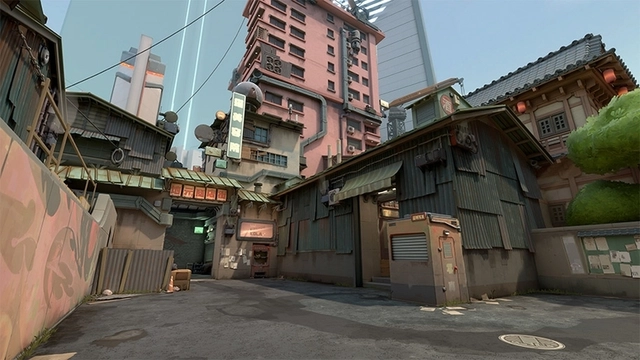
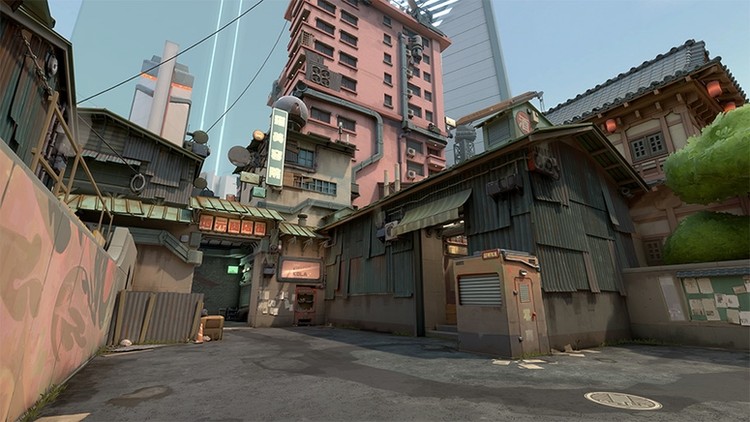
Map design and the significance of built environments continue to be inherently integral to gameplay within the realm of virtual worlds and video games, specifically in the genre of first-person shooters, and Riot Games’ VALORANT is no exception to this. Defying former expectations of its predecessors within the tactical shooter genre, Riot continually endeavors to make fundamental changes to decades of old formulas that have been implemented in practice all these years.

Map design and Built Environments in Video Games: Exploring The World of VALORANT - Image 1 of 4Map design and Built Environments in Video Games: Exploring The World of VALORANT - Image 2 of 4Map design and Built Environments in Video Games: Exploring The World of VALORANT - Image 3 of 4Map design and Built Environments in Video Games: Exploring The World of VALORANT - Image 4 of 4Map design and Built Environments in Video Games: Exploring The World of VALORANT - More Images+ 23

Twinmotion Joins Unreal Engine Suite to Help Visualization Professionals Better Communicate Their Designs

Subscriber Access | 

American video game and software development company Epic Games today welcomes Twinmotion as the latest offering to help visualization professionals in the architecture, construction, urban planning, and landscaping industries better communicate their designs. Powered by Unreal Engine 4, Twinmotion delivers real-time, final-quality rendering through a simple and intuitive interface, with the ability to quickly produce a variety of presentation options including images, panoramas, videos, and virtual reality content.

Which Computer Is the Best for Architects and Architecture Students?

Buying “the perfect computer” comes with equal parts indecision and excitement—we put in hours of research, weigh brands, compare specs, read product reviews, and ask around for advice and suggestions. For the uninitiated, it often means wading through lots of technical jargon. i7? Intel? SSD? Quad-core? For others, it may mean being spoilt for choice and finding it difficult to shortlist options. Architect, writer, and entrepreneur Eric Reinholdt’s latest video on his YouTube channel 30X40 Design Workshop tackles the tricky subject of choosing the right computer for architecture, breaking the topic down into 6 simple steps.