Coffee or Tea: Third Places, Kiosks, and the Retail Architecture of Duration

Subscriber Access | 

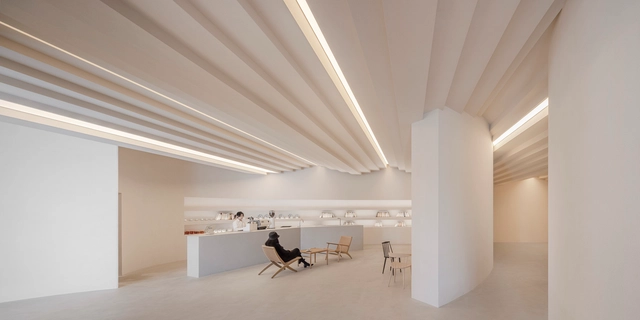
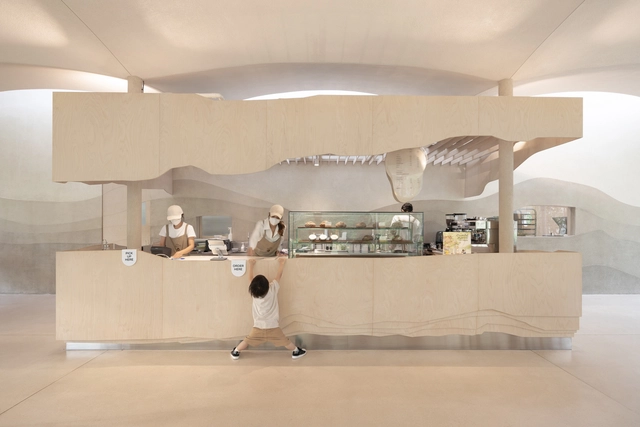
"Coffee or tea?" is one of those phrases that follows you across contexts: asked on airplanes, after a meal, in hotel lounges, and in meeting rooms. It sounds like a small question—mere preference, a quick fork in the service script. Yet it also carries a quiet cultural inheritance. Tea arrives with the long history of ritual and domestic pacing, tied to older geographies of trade and everyday etiquette. Coffee arrives with a different lineage of circulation, later industrialized into the modern café and its public-facing rituals. In both cases, the drink is never only a drink; it is a practiced relationship to time and space.

Hospitality as Heritage Catalyst: 5 Adaptive Reuse Strategies Across Diverse Latitudes

Subscriber Access | 

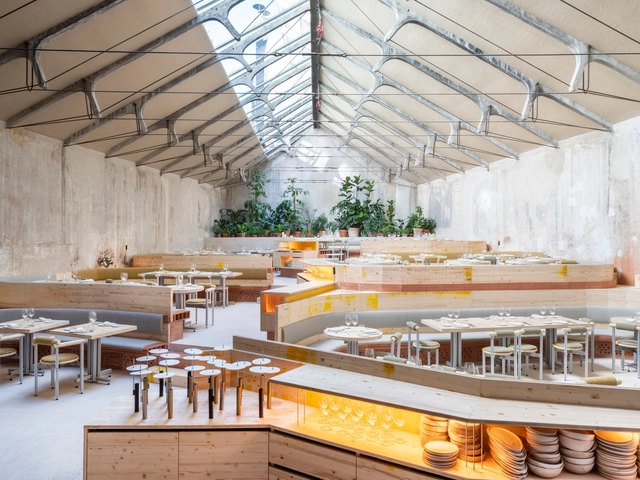
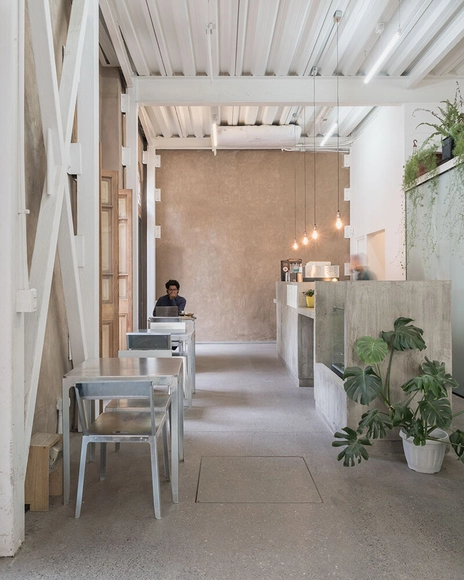
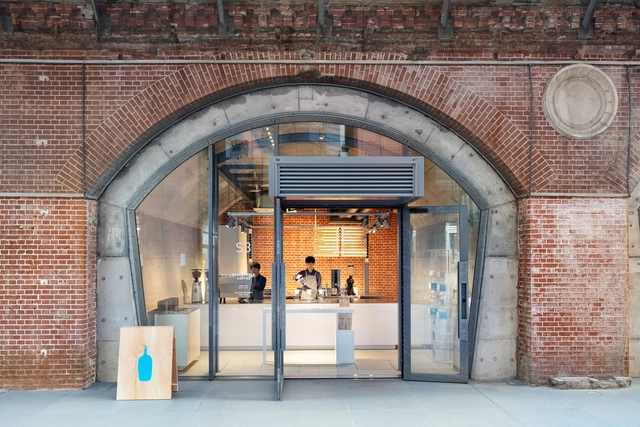
Hospitality-driven programs, specifically coffee shops and social hubs, are partly defined by their role as "third places": social anchors that bridge the gap between private and public life. Unlike residential or commercial office programs that require rigid partitioning for privacy and utility, they rely on expansive, open-plan environments. This allows for an architectural strategy of minimal intervention, allowing the structural envelope to remain intact. By avoiding the subdivision of space, architects maintain uninterrupted sightlines to original masonry, timber frames, or decorative ceilings, ensuring the building's historical narrative remains the protagonist. Simultaneously, the commercial activity provides the necessary maintenance and public engagement to ensure the site's continued existence.

Everyday Heritage: 10 Vietnamese Coffee Shops Reviving Small-Scale Traditional Buildings

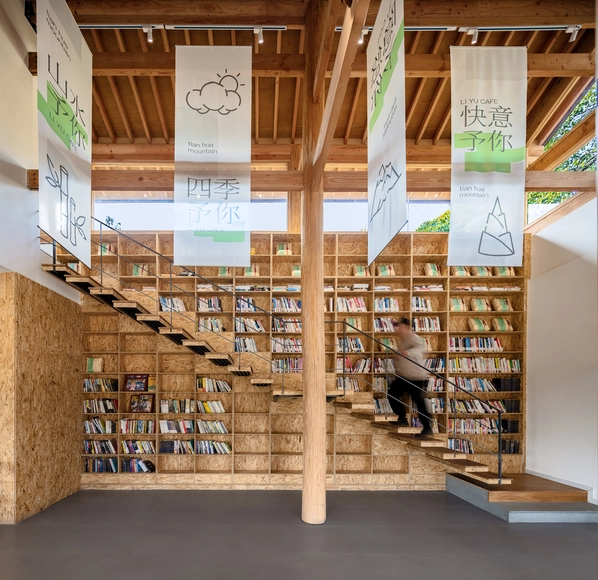
To fully know a city's architectural heritage, one must look beyond its designated sites and iconic buildings. For many, understanding a city's urban fabric and what makes it tick also means discovering the smaller-scale, locally appreciated, conserved buildings and popular gathering spaces. This is especially true when considering bustling Vietnamese cities, with their peculiar architectural characteristics, which can only be appreciated when learning about their many inspirations and historic layers, combining traditional Vietnamese motifs, modernism, local materiality, and climatic design solutions, but mostly by learning about the site constraints that are addressed through the implementation of the narrow tube houses and low-rise buildings.

The Gym-Bar Hybrid: Interiors That Integrate Sports and Healthy Habits Through Architecture

Subscriber Access | 

From the interior design of sports facilities to wellness spaces, contemporary architecture continues to experiment with incorporating different uses, installations, and materialities that make it possible to reach broader audiences, generate new spatial experiences, and enhance the simultaneous development of various activities. While each sport requires its own type of architecture, such as climbing training, for example, architecture and design professionals are striving to create atmospheres where exercise becomes more than just a physical experience, but also a psychological one, connecting mind and body through a state of physical renewal, relaxation, and sociability.

Spaces for Browsing: Balancing Commerce and Community in the Design of Bookstores

Subscriber Access | 

The contemporary bookstore is a paradoxical space. It is commercial, but rarely commercialized; public, but often privately owned; small in scale, but expansive in impact. As adjacent architectural typologies evolve under the pressures of digital consumption, economic precarity, and changing social habits, the bookstore has not dimensioned, but adapted to the twenty first century. It is not a site for private or institutional literary exchange, but a spatial hybrid that accommodates ritual, rest, performance, and socialization.

Museum and Gallery Cafés: 10 Examples That Enhance the Cultural Experience

Subscriber Access | 

Cafés in museums and galleries do more than provide convenience — they have become an essential part of today’s cultural experience. As Claire Bishop explains in her idea of the “expanded aesthetic experience,” cultural spaces now include hybrid environments that encourage new ways of engaging, socializing, and reflecting. In this context, cafés are not just places to rest; they extend the visit on both sensory and symbolic levels, offering moments of interaction and contemplation in carefully designed settings. By blending architecture, art, and hospitality, they help create immersive and welcoming atmospheres — a concept already hinted at by Brian O’Doherty, who viewed exhibition spaces as an integral part of the artwork itself.

Bars, Cafés, and Shops in Madrid: The Role of Design in Creating Urban Tourism Highlights

Subscriber Access | 

The post-pandemic world has undergone transformations in various aspects, including urban tourism and new modes of travel. With the rise of remote and freelance work, many people now have the freedom to move between cities without needing to establish a permanent residence. This has turned bars, restaurants, and cafés into more than just spaces for consumption: they are now temporary offices and, in many cases, settings for a variety of activities.

The Rise of Prosumer Coffee Experience: Designing Beyond Traditional Interiors

Subscriber Access | 

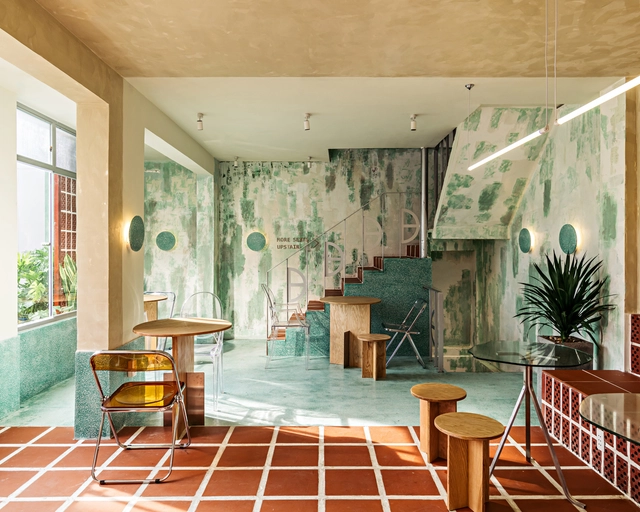
Coffee culture continues to thrive in the contemporary world, with a noticeable shift from the dominance of chains & franchise stores to a growing market for prosumer coffee. As more and more coffee consumers become prosumers, individuals who both produce and consume, they are turning coffee-making into a hobby, even a ritual, and are expecting coffee shops to keep up. Consumers are becoming more knowledgeable, paying close attention to the source and type of beans, brewing methods, and equipment. They also appreciate the design of coffee machinery, not just for its functionality but for its aesthetics, efficiency, and space management. This surge in interest, especially in Asia, has led to changes in coffee shops' operations. Many individual coffee shops, responding to the rise in consumer spending power and interests, are motivated to focus on creating unique, immersive experiences for an ever-growing marketable audience.

ArchDaily Curator's Picks 2023: Global Projects our Curators Highlighted Through the Year

The ArchDaily projects library is managed by our curators who constantly seek to populate our stream with the most interesting global works, showcasing evolving focuses and criteria. While we usually share our reader’s top 100 favorites, this year, we also decided to initiate our editor’s picks on the ArchDaily Instagram account, where our curators highlight some projects that include interesting themes and unique traits. 

Coffee Shop Design: Creating Rich and Well-Balanced Interiors

Subscriber Access | 

At 23.5 degrees north and 23.5 degrees south of the equator respectively, sit the Tropics of Cancer and Capricorn. The 3,000-mile-wide band between them that wraps around the Earth is affectionately known as the ‘bean belt’. The tropical and sub-tropical climatic conditions inside the belt, as well as the high percentage of land over 1,000 meters above sea level, create the perfect conditions for the coffee plant to thrive.

The Return of the Office Cafeteria Means More Social Workplaces

Subscriber Access | 

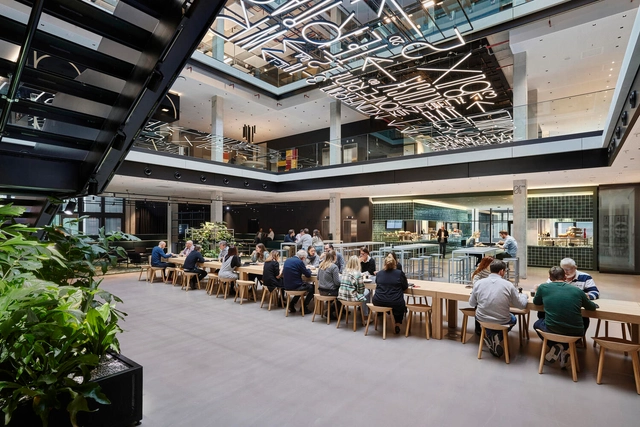
The atmospheric sadness of a typical office ‘kitchen’ – and by kitchen I mean an old kettle, two rusty spoons (both missing) and three flimsy chairs around a one-person table – can be the root of much employee unrest. But when the alternatives mean either walking through the city smog or hunching over a desk with a Tupperware sandwich, dropping crumbs on the keyboard, there isn’t much choice.

Oficina Bravo: A Guide to Coffee and Ice Cream Shops in Santiago de Chile

Sebastián Bravo leads Oficina Bravo, an architectural practice founded in Santiago de Chile that has been developing projects with a clear strategy: to contribute to the city by efficiently using architectural, economic, and constructive resources through renovation and remodeling. Among their projects are spaces that openly interact with the immediate context, including works of patrimonial, administrative, and residential value such as Casa Compañía and Zagreb Office, as well as a large series of gastronomic and commercial spaces such as Felix Café and Apolo Helados.

Breathing New Life into Coffee Shop Culture: A Focus on Multi-Functional Café Spaces

Subscriber Access | 

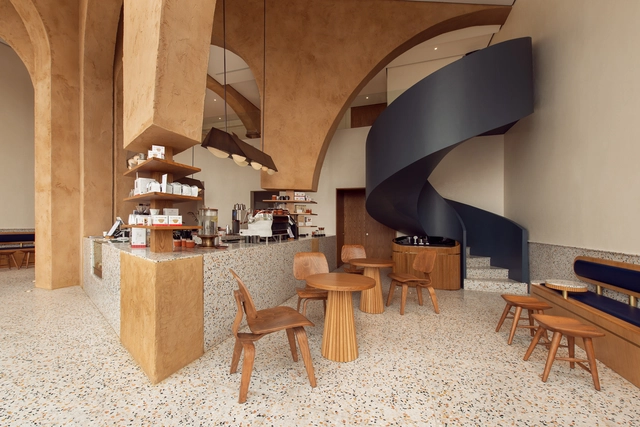
Throughout the years, coffee shops and cafés alike have become so much more than just a place to acquire a delicious brew. Since the first coffee shops were established, they have been used as social places to congregate and meeting points for the public. Alongside the development of coffee shops came the ‘coffee culture’, a set of traditions and rules regarding the way cafes are used, and the way these delicious brews are enjoyed. 

Den Da Coffee Shop / KSOUL Studio

The Saigon storyline continues with this new store as it carries on Den Da to the new chapter. The interior design concept focuses on the old Saigon images as the core value to bring fresh air to the customers.

Beans and Beams: 17 Projects that Explore the Design Elements of Coffee Shops

Subscriber Access | 

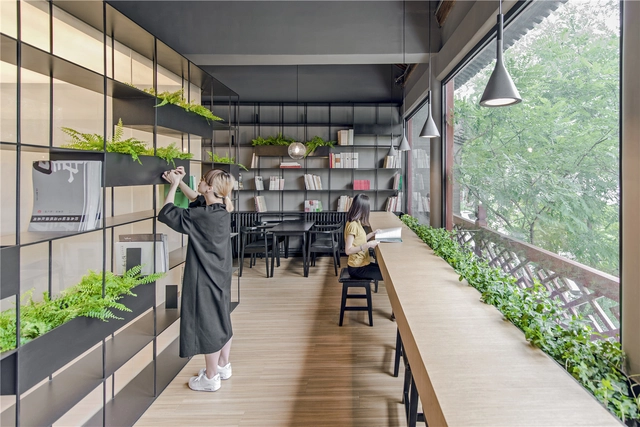
Coffee shops have always been popular gathering spaces among coffee lovers, but with the rise of remote working, especially post-pandemic, they have become a hotspot for remote workers and students as well. One of the many reasons why they are such a popular hangout spot, other than the fact that they serve one of the most globally-adored drinks, is because of their well-designed interior spaces that promote comfort, relaxation, and productivity simultaneously. After all, it's always been said that architects and coffee go hand in hand. In this interior focus, we explore how different design elements shape the user experience of a coffee shop, and look at how architects have employed them through 17 examples.

Small Cafe Designs: 30 Aspirational Examples in Plan & Section

Subscriber Access | 

The interior design of a coffee shop can make-or-break an establishment. With an inviting design, you can transform drinking a simple cup of coffee into a wonderful experience. However, when you only have a few square meters and various machines and properties to distribute, finding an efficient configuration is not easy.

Hybrid Houses: 15 Projects that Explore the Variations of the Home Office

Subscriber Access | 

It's not uncommon to see housing complexes integrate commercial spaces at the ground level, but the challenge of mediating between the private and public realm on a smaller scale, especially with the rise of the home office, has forced architects to explore all aspects of the structure, from the topography it sits on, to the direction of light and wind, to the design and organization the domestic space. This interior focus explores different design solutions that show how architects and interior designers transformed their projects from a living space into a mixed-use typology, taking into account privacy, flexibility, functionality, and predefined spatial requirements.

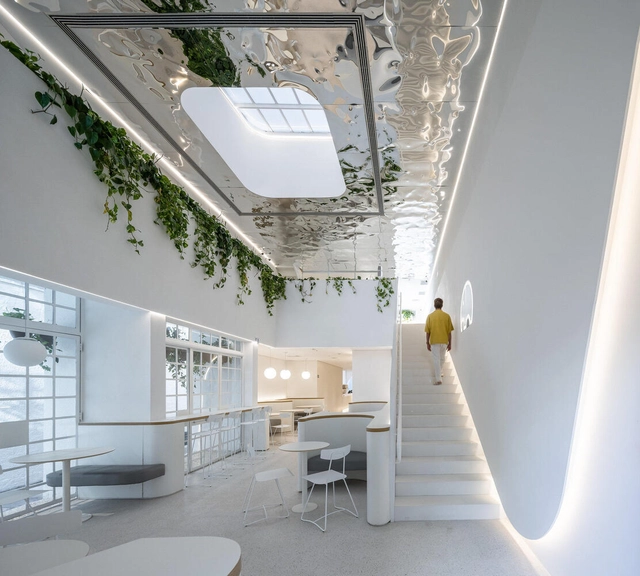
CREAMCHIC / LABOTORY

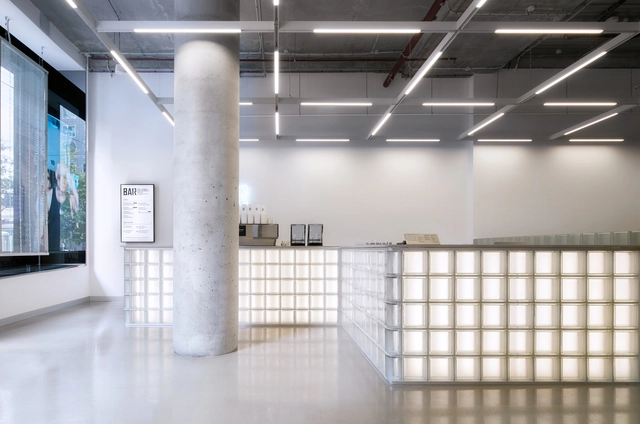
Viscosity indicates the nature of friction within a fluid when it tries to change shape. It tried to express the contrast of materiality felt by the brand name of CreamChic in a three-dimensional manner in space.