1. ArchDaily
  2. Civic Engagement

Civic Engagement: The Latest Architecture and News

Design as Repair: How Architecture Is Advancing Environmental Justice

Subscriber Access | 

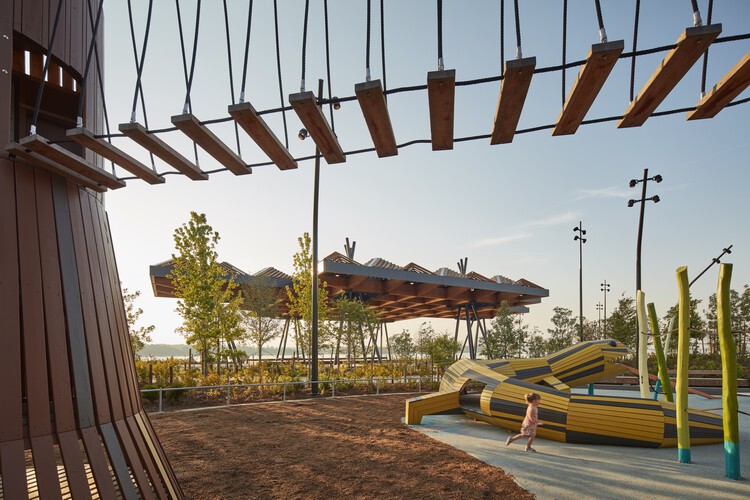
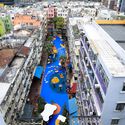
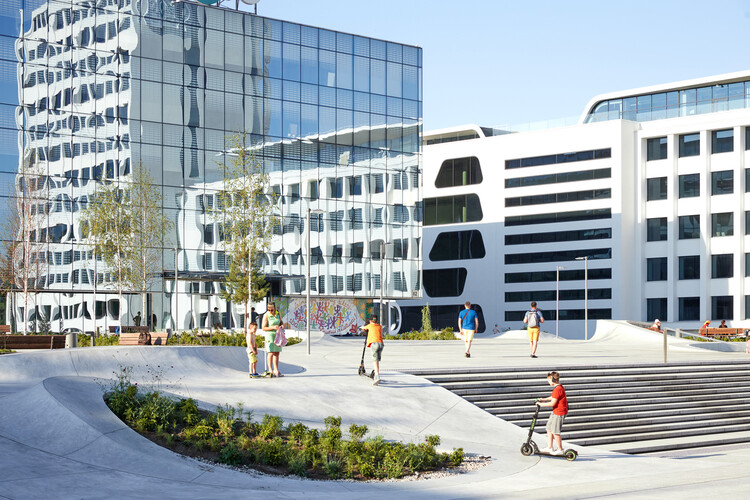
Environmental justice confronts a simple but uncomfortable truth: the benefits and burdens of the environment are not shared equally. Marginalized communities bear a disproportionate share of polluted air, unsafe water, toxic land uses, extreme heat, and the accelerating risks of climate change in cities around the world. These are the consequential products of decades of policy decisions, investment patterns, exclusionary planning practices, and planning choices that have consistently favored certain communities over others.

In cities and landscapes alike, these injustices are written into the physical fabric of places, even revealing extreme differences in environmental conditions between neighborhoods and districts. Dense neighborhoods with little tree canopy, for example, absorb and hold heat, exposing residents to higher rates of heat-related illness. Highways, industrial corridors, ports, and waste facilities cluster near low-income neighborhoods and communities of color, shaping conditions of health, air and soil quality, and long-term safety.

Design as Repair: How Architecture Is Advancing Environmental Justice - Image 1 of 4Design as Repair: How Architecture Is Advancing Environmental Justice - Image 2 of 4Design as Repair: How Architecture Is Advancing Environmental Justice - Image 3 of 4Design as Repair: How Architecture Is Advancing Environmental Justice - Image 4 of 4Design as Repair: How Architecture Is Advancing Environmental Justice - More Images+ 35

Curatorial Work as City-Making: Design Trust’s Marisa Yiu on Exhibitions and Spatial Agency

Subscriber Access | 

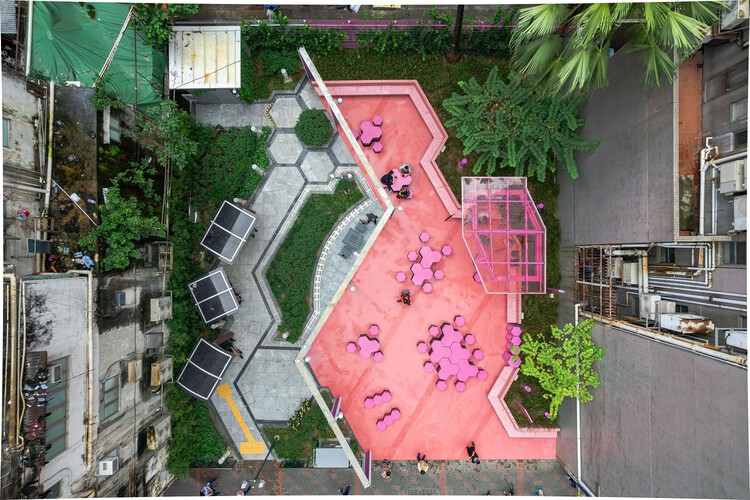
In Hong Kong, where architecture is often driven by real estate logic, infrastructure, and accelerated development, the space for bodily-scaled civic experimentation can be surprisingly narrow. This is where Design Trust has become distinctive. As a grant-making and project-enabling platform, it supports spatial interventions that sit between architecture, research, and public programming—work that is often too modest, collective, or uncertain to fit conventional client–architect pipelines.

At the center of this work is Marisa Yiu, whose leadership positions Design Trust as both an enabler and a cultural actor. Through initiatives such as Micro-Parks Hong Kong, alongside exhibitions and public programs, the organization treats discourse and prototyping as forms of spatial agency, linking designers, communities, institutions, and policy conversations while foregrounding questions of stewardship, maintenance, and the "afterlife" of public space.

Curatorial Work as City-Making: Design Trust’s Marisa Yiu on Exhibitions and Spatial Agency - Image 1 of 4Curatorial Work as City-Making: Design Trust’s Marisa Yiu on Exhibitions and Spatial Agency - Image 2 of 4Curatorial Work as City-Making: Design Trust’s Marisa Yiu on Exhibitions and Spatial Agency - Image 3 of 4Curatorial Work as City-Making: Design Trust’s Marisa Yiu on Exhibitions and Spatial Agency - Image 4 of 4Curatorial Work as City-Making: Design Trust’s Marisa Yiu on Exhibitions and Spatial Agency - More Images+ 19

Dispatched: Architecture of the American Post Office and the Privatization of Civic Space

Post offices stand among the most enduring monuments of civic life in the United States. Across towns and city centers, they carry the shifting architectural ambitions of the nineteenth and twentieth centuries, from Greek Revival formality to Beaux-Arts monumentality and Art Deco ornament. Architects and federal planners would give these buildings a clear public role and a powerful physical presence. Stone façades, monumental halls, and crafted interiors projected stability, trust, and permanence. The post office placed the federal government directly into the everyday landscape of American life.

Dispatched: Architecture of the American Post Office and the Privatization of Civic Space - Image 4 of 4Dispatched: Architecture of the American Post Office and the Privatization of Civic Space - Image 6 of 4Dispatched: Architecture of the American Post Office and the Privatization of Civic Space - Image 7 of 4Dispatched: Architecture of the American Post Office and the Privatization of Civic Space - Featured ImageDispatched: Architecture of the American Post Office and the Privatization of Civic Space - More Images+ 10

The Long Table as a Spatial Protocol: Designing Conditions for Gathering and Pause

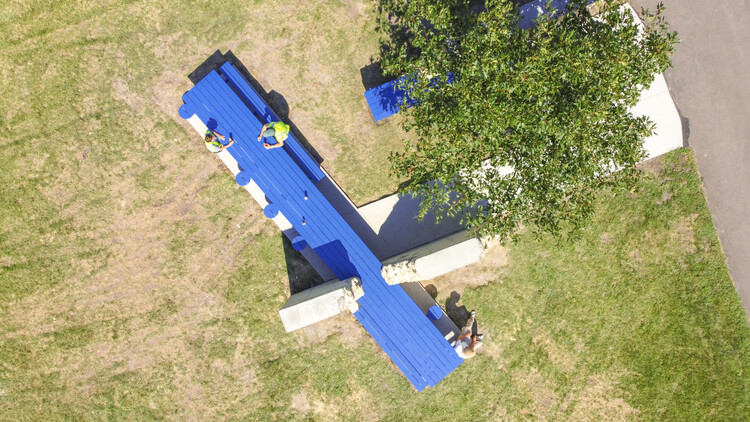
A long table can sit almost anywhere and still do the same work. It can stretch beneath a market canopy, run along a school dining hall, or occupy the center of a shared living room, and it immediately changes the room's temperature.

That is why the long table is less an object than a spatial instrument. It does not guarantee a connection, and it rarely looks "inclusive" by default. Instead, it sets conditions: a shared edge, a common rhythm of arrival, a field of mutual visibility, or a rule that turns eating into a scene with others. Food studies describe this practice as commensality, the act of eating together and the social order it can create, reinforce, or contest. But what matters here is not a specific dimension or the table's function, but the way a long surface holds difference, conversation, and silence; intimacy and distance; the decision to join and the right to hesitate.

The Long Table as a Spatial Protocol: Designing Conditions for Gathering and Pause - Image 1 of 4The Long Table as a Spatial Protocol: Designing Conditions for Gathering and Pause - Image 2 of 4The Long Table as a Spatial Protocol: Designing Conditions for Gathering and Pause - Image 3 of 4The Long Table as a Spatial Protocol: Designing Conditions for Gathering and Pause - Image 4 of 4The Long Table as a Spatial Protocol: Designing Conditions for Gathering and Pause - More Images+ 22

Recasting Cultural Infrastructure: On AAU Anastas’s Aga Khan Award–Winning Wonder Cabinet

Subscriber Access | 

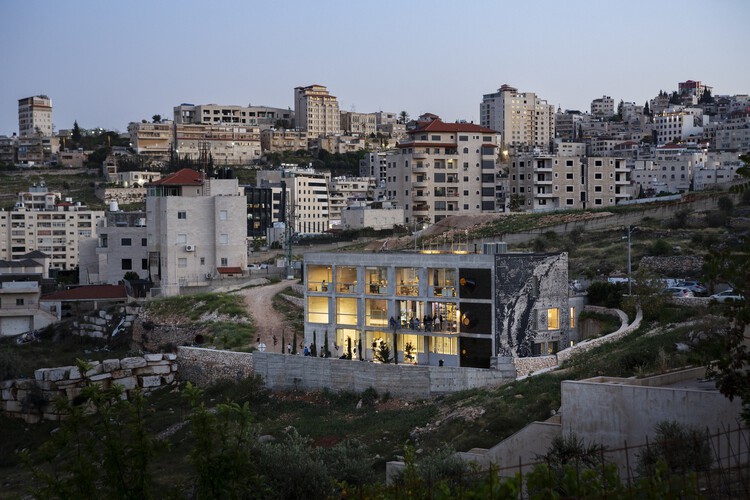
Among the 2025 Aga Khan Award winners is AAU Anastas and their project, Wonder Cabinet in Palestine, whose central aim is to serve as a haven for culture and creativity and a bridge between design and production. Beyond this meaningful project, AAU Anastas—working from offices in Bethlehem, Palestine, and Paris, France—has built a broad portfolio since 2015. Notable works include Dar Al Majous, a restoration in Bethlehem that challenges the boundary between domestic and public realms; the Tulkarm Courthouse (2015), one of their first projects that redefined civicness and social gathering on a prominent corner site in Tulkarm; and The Flat Vault, a commercial intervention that adds a juxtaposed stone vault to an existing monastery shop associated with a church built in the 12th century by the Crusaders.

Among these compelling works, Wonder Cabinet likely drew the jury's attention not only for its refined execution and layered spatial complexity, but also for how it operates as a socially generative platform—dissolving the boundary between social infrastructure and architecture. Conceived to support culture, creativity, design, and production, the building aspires to host architects, designers, chefs, artisans, and sound and visual artists, among others. In no small way, it advances the spirit articulated by the 2025 judges, who characterized this cycle as a year of fostering resilience and optimism through design, by demonstrating how architecture can catalyze community and enterprise simultaneously.

Recasting Cultural Infrastructure: On AAU Anastas’s Aga Khan Award–Winning Wonder Cabinet - Image 5 of 4Recasting Cultural Infrastructure: On AAU Anastas’s Aga Khan Award–Winning Wonder Cabinet - Image 2 of 4Recasting Cultural Infrastructure: On AAU Anastas’s Aga Khan Award–Winning Wonder Cabinet - Image 21 of 4Recasting Cultural Infrastructure: On AAU Anastas’s Aga Khan Award–Winning Wonder Cabinet - Image 3 of 4Recasting Cultural Infrastructure: On AAU Anastas’s Aga Khan Award–Winning Wonder Cabinet - More Images+ 17

The Story of Miyashita Park: Resistance, Partnership, and Publicness

Subscriber Access | 

Urban renewal is inherently fraught—financially complex, politically exposed, stakeholder-dense, and almost guaranteed to leave someone dissatisfied. Precisely for these reasons, many cities default to inertia rather than risk the upheaval that comes with reworking entrenched urban fabrics, their residences, and their dynamics; once the "sleeping bear" is prodded, unexpected complications tend to multiply.

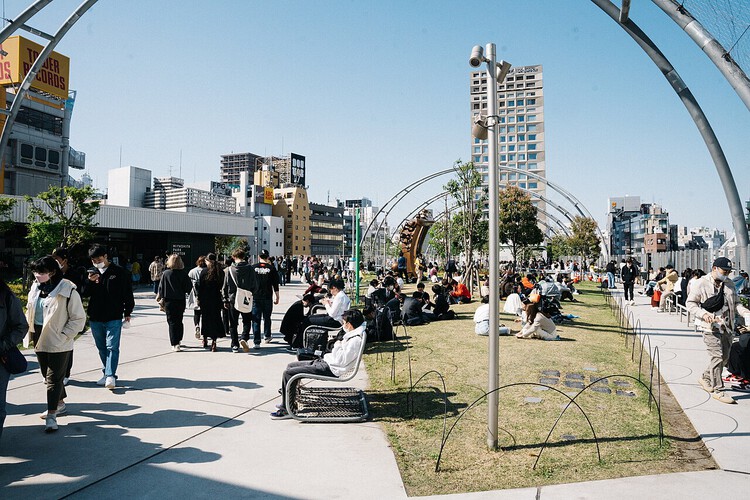
Miyashita Park (Miyashita Kōen), located in Shibuya, Tokyo, crystallizes this dilemma. Its current form—a layered, mixed-use complex balancing commercial activity with a publicly accessible park—emerged from years of negotiation, critique, and recalibration. The result is a distinctive example of a public-private partnership that seeks to align urban amenity, everyday leisure, and economic viability, producing a new piece of city that hosts public life while underwriting its own upkeep.

The Story of Miyashita Park: Resistance, Partnership, and Publicness - Image 1 of 4The Story of Miyashita Park: Resistance, Partnership, and Publicness - Image 2 of 4The Story of Miyashita Park: Resistance, Partnership, and Publicness - Image 3 of 4The Story of Miyashita Park: Resistance, Partnership, and Publicness - Image 4 of 4The Story of Miyashita Park: Resistance, Partnership, and Publicness - More Images+ 24

The Corporate City: Three Models of Company Town Design

Subscriber Access | 

For over a century and a half, corporations have periodically taken on the role of city builders. Neighborhoods or even entire settlements that exist at the intersection of commerce and civic life, "company towns" are recurring urban types. The corporate city has long reshaped itself to match the spirit of each era, whether through the pastoral idealism of industrial England or the cinematic optimism of mid-century America. In its latest guise, the mixed-income campus district, architecture becomes a language of belonging, branding, and quiet persuasion.

The Corporate City: Three Models of Company Town Design - Image 1 of 4The Corporate City: Three Models of Company Town Design - Image 2 of 4The Corporate City: Three Models of Company Town Design - Image 3 of 4The Corporate City: Three Models of Company Town Design - Image 4 of 4The Corporate City: Three Models of Company Town Design - More Images+ 3

The City as a Laboratory of Processes: A Decade of Urban Experimentation with Concéntrico

Subscriber Access | 

As cities continue to develop, we are seeing ever more well-planned, thoroughly executed, and tightly regulated approaches to shaping urban centres and their surrounding spaces—for better and for worse. As codes, restrictions, and guidelines improve and tighten, urban environments become safer, more balanced, and less prone to surprise. Yet the flip side is that highly managed districts can drift toward over-order and sanitisation, shedding the messy, accretive character that once produced alleyways, residual spaces, and unexpected sequences of movement—conditions often born from ongoing community improvisation in the grey zones of regulation.

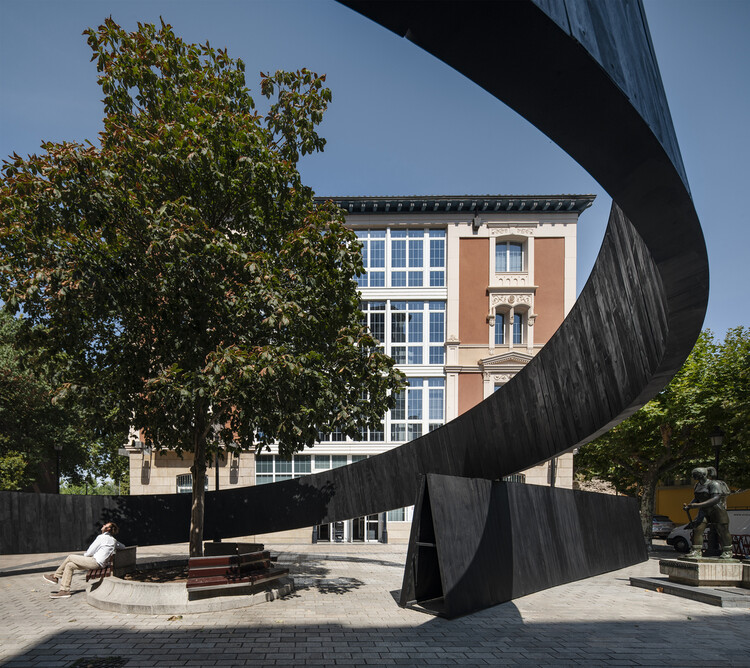
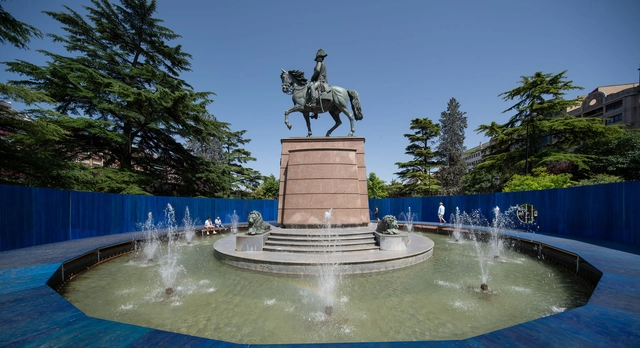
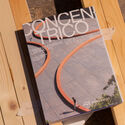
In response, a growing number of initiatives around the world are proposing short-term urban installations that test alternate futures for the city. These works aim to provoke dialogue between what the city is and what it could offer its communities through thoughtful, context-specific spatial practices. One notable example is Concéntrico, the international festival in Logroño, Spain, conceived as an urban innovation laboratory. Marking its tenth edition, the festival is about to publish Concéntrico: Urban Innovation Laboratory, a book that surveys a decade of urban design and collective transformation shaped through successive editions of the festival. Its launch is paired with an international tour designed to share a decade of insights on collective transformation and design.

The City as a Laboratory of Processes: A Decade of Urban Experimentation with Concéntrico - Image 1 of 4The City as a Laboratory of Processes: A Decade of Urban Experimentation with Concéntrico - Image 2 of 4The City as a Laboratory of Processes: A Decade of Urban Experimentation with Concéntrico - Image 3 of 4The City as a Laboratory of Processes: A Decade of Urban Experimentation with Concéntrico - Image 4 of 4The City as a Laboratory of Processes: A Decade of Urban Experimentation with Concéntrico - More Images+ 32

Concéntrico 2025: The Politics of Urban Presence

Subscriber Access | 

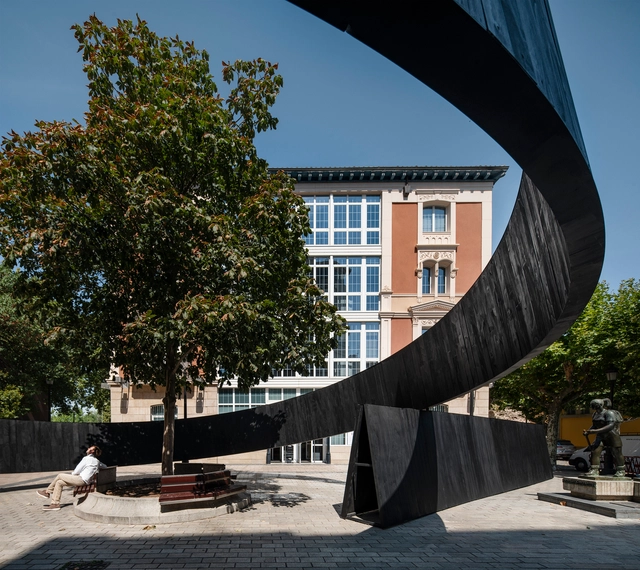
Every June, the Spanish city of Logroño transforms into a space of architectural dialogue, opening its streets, plazas, riverbanks, and traffic islands to temporary structures that redefine how cities are inhabited. For ten editions, Concéntrico has worked not as a specialized fair or an architecture biennale, but as a portable museum — a curatorial gesture that brings a dispersed collection of contemporary architecture into public space. Set in a city suspended between arid plains and distant mountains, far from the circuits of capital cities and cultural institutions, Concéntrico presents itself as a temporary promise. It's a reminder that even cities that are often overlooked can host architecture that is current, diverse, and speculative. In this sense, the festival is less about celebration and more about activation.
But beyond its curatorial logic, Concéntrico operates as a political structure. In the ancient sense of polis, it invites citizens, architects, and institutions to reassess what public space can be. The interventions offer speculative proposals for urban life that reveal what is missing, what is possible, and what should be questioned. A temporary pool over a fountain, a bathhouse in a roundabout, or a shared meal on a major avenue are not just spatial gestures — they are political statements, asking how urban infrastructure might be redirected from control to care, from efficiency to encounter. In that way, the festival becomes not just a reflection of the city, but an instrument for its transformation.

Concéntrico 2025: The Politics of Urban Presence - Image 1 of 4Concéntrico 2025: The Politics of Urban Presence - Image 2 of 4Concéntrico 2025: The Politics of Urban Presence - Image 3 of 4Concéntrico 2025: The Politics of Urban Presence - Image 4 of 4Concéntrico 2025: The Politics of Urban Presence - More Images+ 58

Reconsidering Brutalist Renovations: A Transformation of the Boston City Hall for the Public

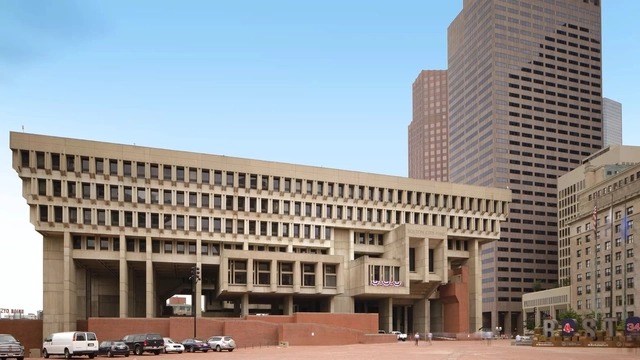
Boston City Hall, one of the most debated examples of Brutalist architecture in the United States, has significantly transformed since its conception. Designed by Kallmann, McKinnell, and Knowles and completed in 1968, the fortress-like concrete exterior and geometric austerity have long divided public opinion. Critics, including a former mayor, called for its demolition for decades arguing that its imposing design was inhospitable, inefficient, and most importantly, not beautiful. However, rather than tearing it down, Boston has chosen to renovate and revitalize the structure, demonstrating that contested Brutalist architectural styles can be adapted for a more sustainable future.

Reconsidering Brutalist Renovations: A Transformation of the Boston City Hall for the Public - Image 1 of 4Reconsidering Brutalist Renovations: A Transformation of the Boston City Hall for the Public - Image 2 of 4Reconsidering Brutalist Renovations: A Transformation of the Boston City Hall for the Public - Image 3 of 4Reconsidering Brutalist Renovations: A Transformation of the Boston City Hall for the Public - Image 5 of 4Reconsidering Brutalist Renovations: A Transformation of the Boston City Hall for the Public - More Images+ 4

The Role of Urban Spaces in Shaping Movements: 7 Sites of Resistance and Protest Across the USA

Subscriber Access | 

Protests, civil disobedience, and dissent are not only a defining part of our shared history since the colonial era, they also continue to the present day on campuses, at political conventions, and elsewhere. In this context, some historic marches, sit-ins, and other actions are enshrined in our collective narrative, while others have faded from memory; however, the cultural landscapes that served as stages where these events occurred still exist. These places are the focus of Landslide 2024: Demonstration Grounds and a portal for re-engaging with the stories of little-known or even forgotten events that were pivotal in USA history. The thirteen different sites across the country, represented in the new report and digital exhibition from The Cultural Landscape Foundation (TCLF), touch on events that shaped individuals and sparked movements.

The Role of Urban Spaces in Shaping Movements: 7 Sites of Resistance and Protest Across the USA - Image 1 of 4The Role of Urban Spaces in Shaping Movements: 7 Sites of Resistance and Protest Across the USA - Image 2 of 4The Role of Urban Spaces in Shaping Movements: 7 Sites of Resistance and Protest Across the USA - Image 3 of 4The Role of Urban Spaces in Shaping Movements: 7 Sites of Resistance and Protest Across the USA - Image 4 of 4The Role of Urban Spaces in Shaping Movements: 7 Sites of Resistance and Protest Across the USA - More Images+ 14

Moody Nolan Designs Athletic Facility at the Obama Presidential Center in Chicago

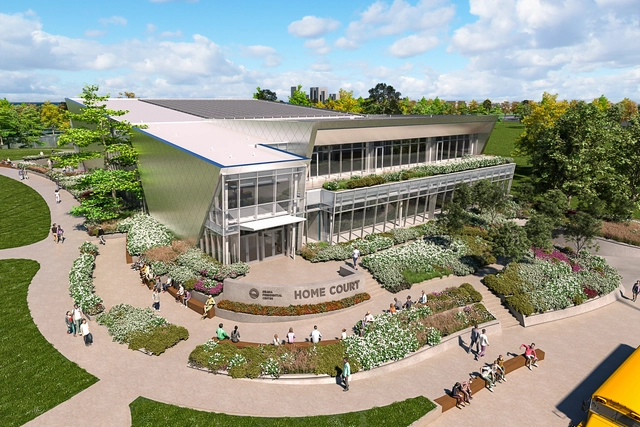
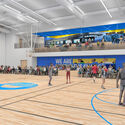
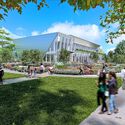
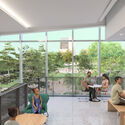
The Obama Foundation has released details about the design of a new athletic, program and event facility to take shape at the Obama Presidential Center located on the South Side of Chicago, Illinois. Designed by Moody Nolan, the facility titled Home Court will offer the largest gathering space on the campus, serving as a place for community engagement as well as health and wellness activities. The venue is scheduled to become the first space within the Obama Presidential Center campus to open in late 2025.

Moody Nolan Designs Athletic Facility at the Obama Presidential Center in Chicago - Image 1 of 4Moody Nolan Designs Athletic Facility at the Obama Presidential Center in Chicago - Image 2 of 4Moody Nolan Designs Athletic Facility at the Obama Presidential Center in Chicago - Image 3 of 4Moody Nolan Designs Athletic Facility at the Obama Presidential Center in Chicago - Image 4 of 4Moody Nolan Designs Athletic Facility at the Obama Presidential Center in Chicago - More Images+ 9

“An Unrivaled Architect for the People”, Carol Ross Barney Receives the 2023 AIA Gold Medal

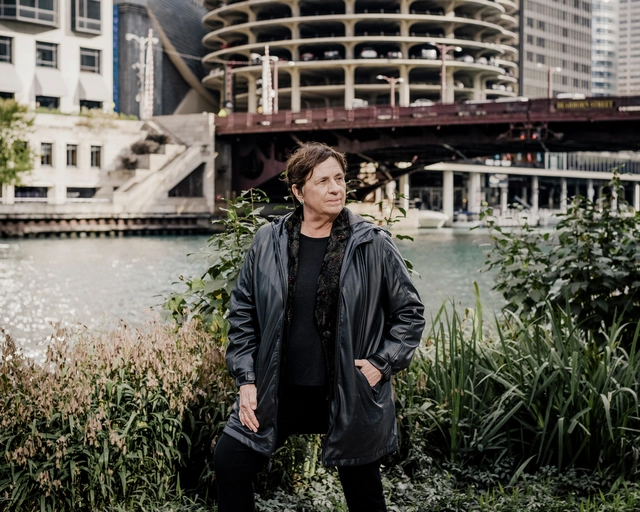
The American Institute of Architects (AIA) has named Carol Ross Barney, FAIA, as the recipient of the 2023 AIA Gold Medal, the institution’s highest annual honor. The award recognizes and applauds Carol Ross Barney’s focus on design excellence, social responsibility, and generosity. Through her transformative projects, she has endeavored to make the world a better place and, according to the jury, made “an indelible mark on the profession.”

“An Unrivaled Architect for the People”, Carol Ross Barney Receives the 2023 AIA Gold Medal - Image 1 of 4“An Unrivaled Architect for the People”, Carol Ross Barney Receives the 2023 AIA Gold Medal - Image 2 of 4“An Unrivaled Architect for the People”, Carol Ross Barney Receives the 2023 AIA Gold Medal - Image 3 of 4“An Unrivaled Architect for the People”, Carol Ross Barney Receives the 2023 AIA Gold Medal - Image 4 of 4“An Unrivaled Architect for the People”, Carol Ross Barney Receives the 2023 AIA Gold Medal - More Images+ 2

What is Urban Gamification?

Subscriber Access | 

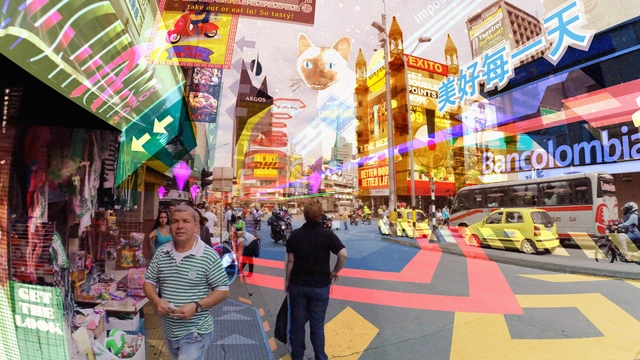
Everyone’s experience of a city is unique. Whether one is visiting a place for the first time or has lived there all their life, their experiences are shaped by their personal interactions with the built environment. Buildings, landscapes, and streets come together to offer an opportunity for sensory stimulation, however, most of them are unable to provide inspiration. While a city’s infrastructure accounts for livability, equal importance isn’t given to enjoyability. Play and games embedded in the city’s fabric can help improve user engagement with urban spaces.

How to Foster Civic Engagement in the Age of Twitter

Subscriber Access | 

Too often community engagement can be seen as an afterthought, carried out in a dull and unengaging way. But does it always have to be this way? In this article from ArchitectureBoston’s Spring 2016 Issue, originally titled “Bring on the joy: Civic engagement strategies in the age of Twitter,” Russell Preston makes a case for more dynamic public engagement, citing several examples where “engagement is actually the process” rather than just a “required step to a planning process.

In New England, changing zoning is more difficult than sending someone to the moon. In the spring of 2015, Dan Bacon, planning director for Scarborough, Maine, asked for help implementing a better zoning code for Higgins Beach, a picturesque community of largely seasonal residents. Outdated regulations were putting its historic character in jeopardy. Different tactics were needed to successfully change the zoning before the next season of construction.

The hard task was helping the residents understand that they controlled future development with their own regulations. Change like this takes trust, and my team did not have months to build that trust. The best tactic? Become locals. We decided to live in the neighborhood, and in June of 2015, we rented a cottage with a large living room to host a multiday planning charette. Every meeting, presentation, and workshop was held in that cottage.