Traditional building solutions tend to work well in their respective contexts, as they have withstood hundreds of years of testing and improvements, and use techniques and materials available locally. Although globalization and the democratization of access to technology have brought more comfort and new opportunities to humanity, it has also led to the homogenization of solutions in the construction sector and a dependence on global supply chains for construction materials and components. This has also caused a rupture in how knowledge is passed on to new generations and, eventually, the disappearance of traditions.
In particular, the topic of passive cooling solutions for buildings is currently having a resurgence, with an effort to recover ancient techniques used throughout history in locations that have always had to deal with hot climates. This is even more evident due to the high energy costs imposed by artificial cooling, the global warming scenario, and mainly because, among the projections of population growth, a significant portion of megacities will be located in the predominantly hot climates of Africa and Asia. When we think about the future, is it possible to be inspired by the past and apply ancient cooling techniques to contemporary buildings?
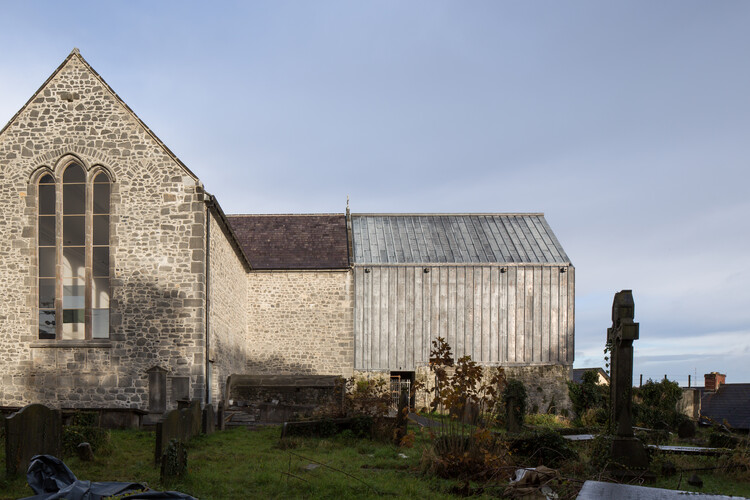
The conversion of disused religious temples through cultural programs constitutes one of the most compelling adaptive reuse strategies in contemporary urban planning. This functional compatibility seems to be rooted in the specific characteristics of churches: their central naves offer large-scale, clear floor plans and monumental cross-sections that easily accommodate the volumetric requirements of museums, theaters, or community hubs. Furthermore, the acoustic properties inherent to their vaulted ceilings, combined with intentional natural lighting filtered through stained glass windows or domes, create the spatial conditions for activities ranging from the performing arts to the exhibition of cultural artifacts. By assuming a public and cultural role, these buildings not only avoid demolition or physical abandonment but also preserve their status as urban and identity landmarks within the city fabric, revitalizing their immediate surroundings without altering their historical significance.
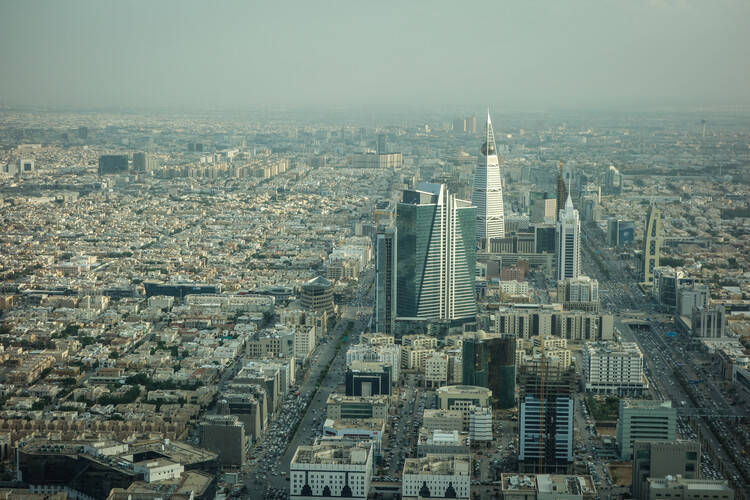
Once a Najdi settlement defined by mudbrick walls and courtyard houses, Riyadh has undergone one of the most radical urban transformations of the 20th and 21st centuries. The discovery of oil reserves, the consolidation of political power, and the rapid expansion of infrastructure reshaped the city from a regional capital into a sprawling metropolis almost within a single generation. As a result, Riyadh's urban fabric is marked by discontinuities, fragments of vernacular architecture coexist with mid-century institutional modernism, and a rapidly evolving contemporary skyline.
In recent decades, this layered condition has been further intensified by large-scale development strategies and cultural investment programs that position architecture as a tool for redefining national identity. International practices have played a decisive role in shaping key institutions, infrastructures, and landmarks, while local studios increasingly contribute projects that reinterpret climate, materiality, and social space within a contemporary framework.
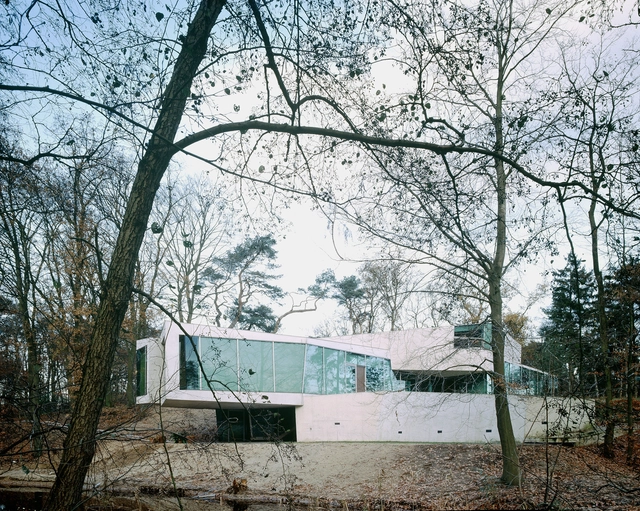
In 1993 a young professional couple with two toddlers and a large suburban lot in Naarden, a town less than half an hour's drive southeast of Amsterdam, approached Ben van Berkel to design an unusual house. They envisioned it as progressive and innovative in every way possible. More than that, they wanted a kind of building that "would be recognized as a reference in terms of renewal of the architectural language." Before settling on the architect, they spoke to several candidates, including Rem Koolhaas. They chose van Berkel who five years earlier, together with his then-wife Caroline Bos co-founded their eponymous practice, because as he told me, "I went to the site and studied it carefully and already had ideas about what I called the four quadrants of the landscape. I knew what kind of house it would be. I could see clearly where different rooms would go, how they would be shaped, and how they would relate to each other." The couple couldn't resist. Yet, there would be no rush on the project which took five years to complete, most time was invested in its design, going through many iterations and refinements, all based on the Möbius loop.
For most people, modern living requires spending most of the day in interior spaces - in fact, according to a report by the Environmental Protection Agency, the average person spends around 90% of their life indoors. As a result, this implies missing out on health benefits associated with sunlight exposure, such as vitamin D absorption, regulation of circadian rhythms, higher energy levels and even improved mood. Thus, one option is to increase the amount of time we spend outdoors. But because most daily functions are carried out inside buildings, it is crucial to incorporate and prioritize natural lighting in interiors.
In 1993 a young professional couple from Amsterdam set out to build a private house unlike any other. They wanted to create something that “would be recognized as a reference in terms of renewal of the architectural language.” They reached out to several architects, including Rem Koolhaas, but finally decided to entrust the commission to Dutch architect Ben van Berkel after he studied the site and came up with a vision for the project, relating it to the couple’s lifestyle.
Located in Het Gooi, its design took over 5 years, going through several iterations, but always coming back to its core inspiration: the Möbius loop. The shape, defined as a single-sided surface with no boundaries, was the key to a new architectural language that aimed to weave together all the individual activities of each family member, allowing the functional program to be integrated within the dynamic structure. By 1998, when the house was completed, it became widely published and internationally recognized. It also became a sort of manifesto for its architect, as it uses an organizational principle to inform the final image.
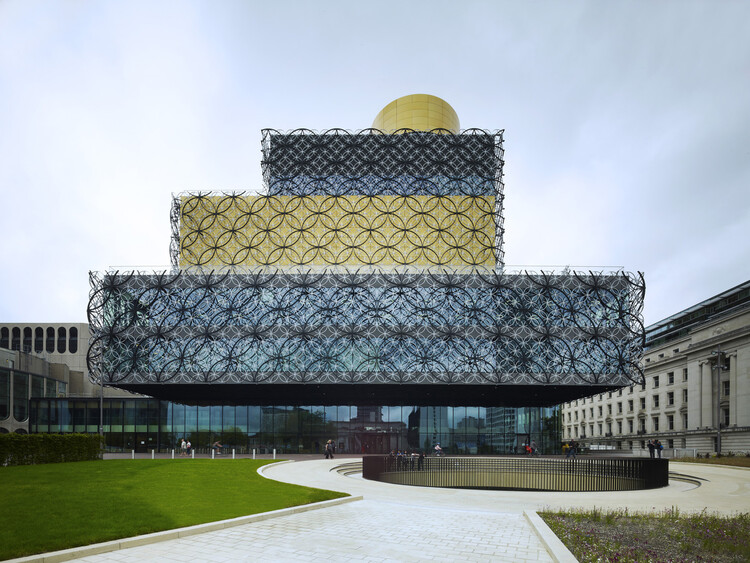
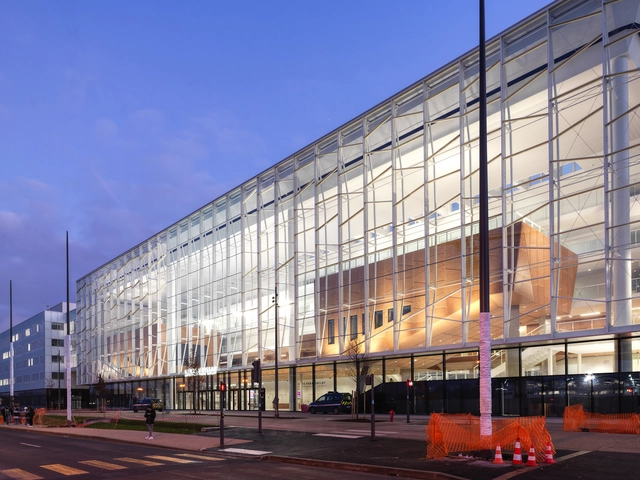
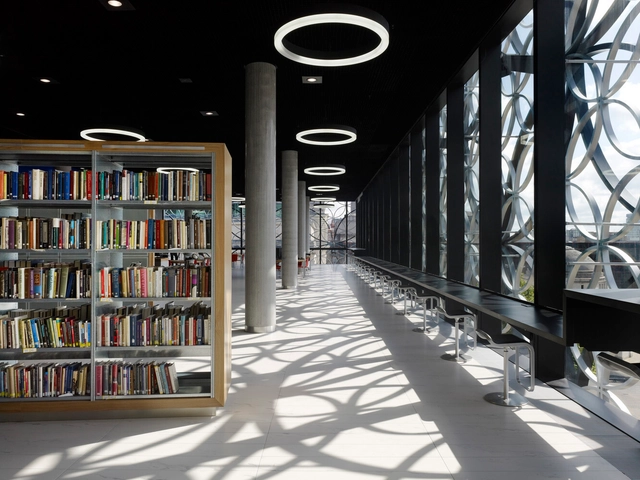
As gateways to knowledge and culture, libraries play a fundamental role in society. Foundational in creating opportunities for learning, as well as supporting literacy and education, the resources and services each library offers all work towards helping to shape new ideas that are central to building a creative and innovative society.
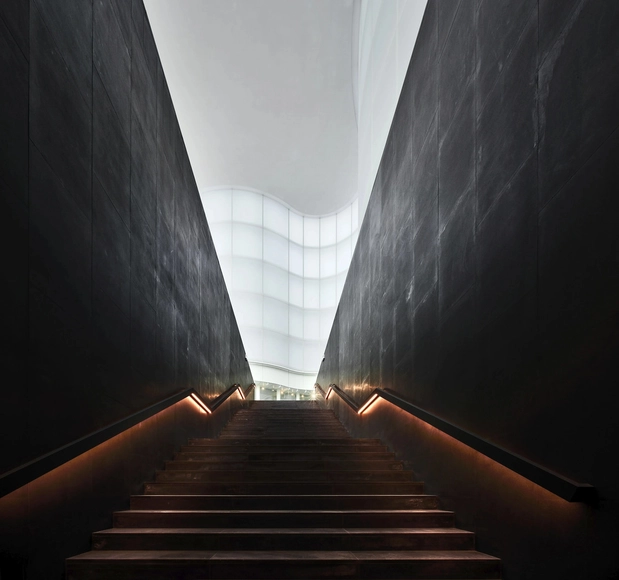
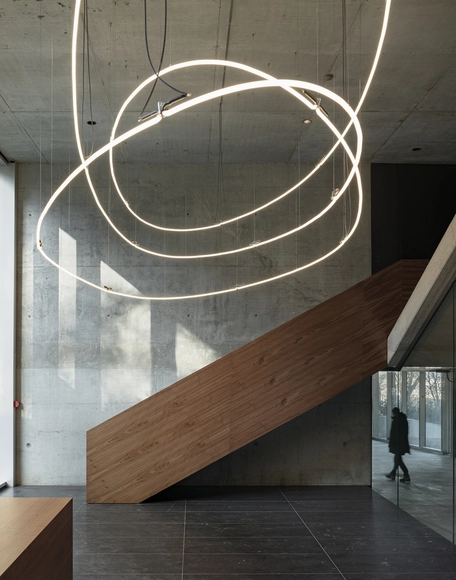
Light serves an essential purpose in architecture: to help us see. Whether it be through natural or artificial methods, rooms must be illuminated accordingly so occupants can safely inhabit them and fulfill their daily functions. When the right system is selected, light can also contribute to energy efficiency and sustainability within the building as a whole. However, apart from its evident functional and environmental value, lighting design can vastly impact the visual comfort and aesthetic tone of interiors by drawing attention to textures, enhancing colors and defining volumes. Therefore, of the many pieces involved in interior design, lighting is certainly one that can enhance or destroy a space and even affect users’ well-being, which is why it should be considered a crucial design element by itself.
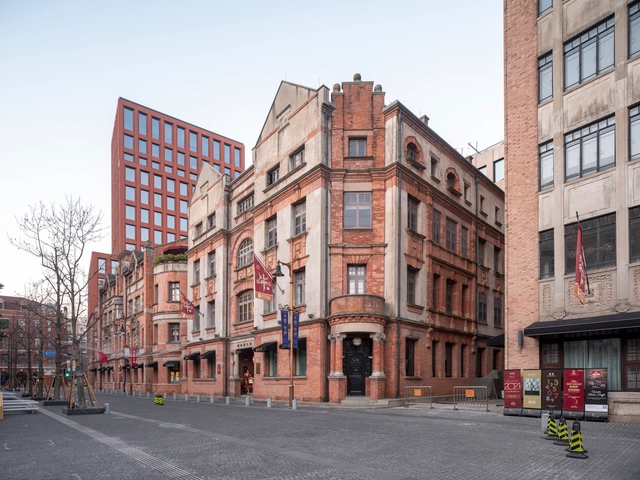
The dawn of the Anthropocene has thrown the idea of adaptive reuse into the limelight: effectively the pinnacle of urban regeneration and revitalization. It utilizes the presence of existing buildings with historic and cultural value and re-purposes them to be functional. Essentially a form of architectural salvage; a sustainable and viable means of rebuilding.
Recent events such as the pandemic has highlighted inequalities in our cityscape, the inadequate segments in a state of disuse and disrepair. Adaptive reuse can replenish these areas and create new cultural hotspots, encouraging activity and creating vibrant and healthy mixed-use environments.
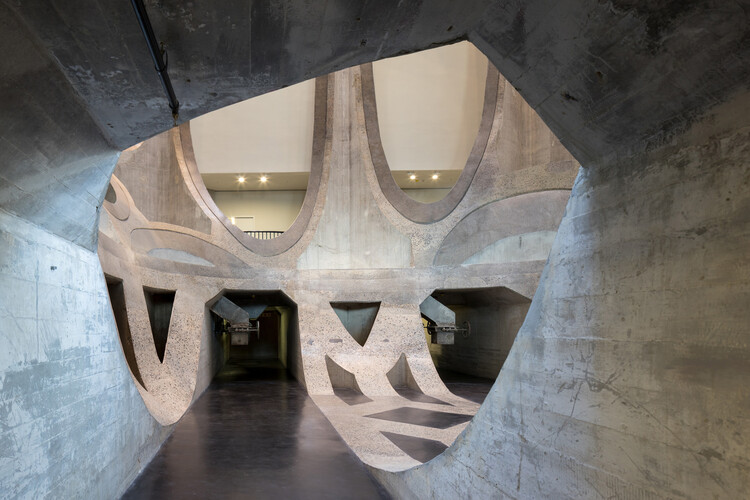
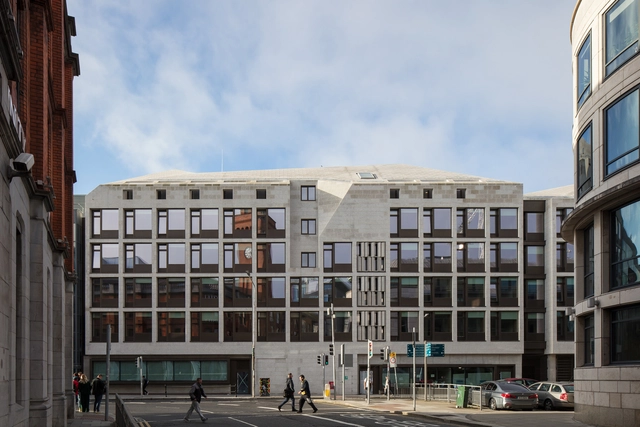
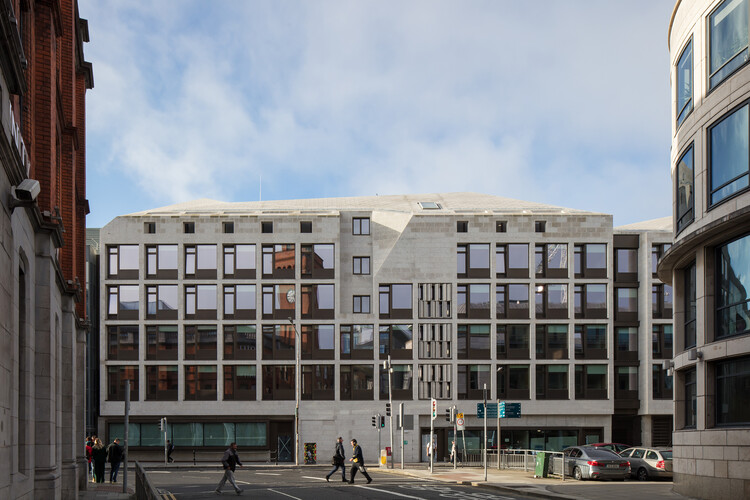
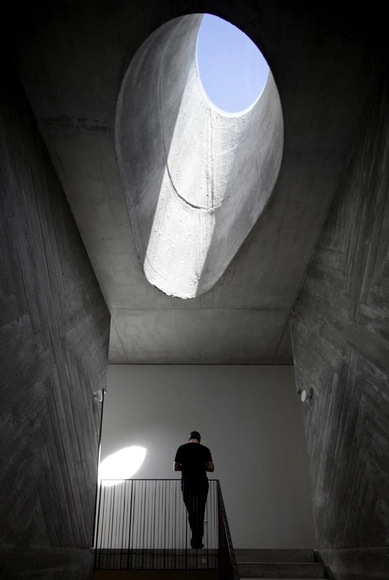
Below is a diverse selection of cultural hotspots using Adaptive Reuse
It is easy to show cool images of adaptive reuse. The contrast of living history and control over it makes for dynamic visuals. But there is a deeper meaning to adaptive reuse. Architecture embodies humanity and humanity changes, so our buildings change.
Architects are charged with protecting the public’s health, safety, and well-being. When buildings fail, whether through increased loads, poor design, or natural disasters, that charge also falls to those capable and willing to aid people in need. Firefighters regularly experience architecture’s collapse, often risking life and limb to save occupants and individuals they do not know. Yet firefighters and emergency personnel also have their own buildings they call home, rare typologies where recreational, domestic, and professional activities collide.