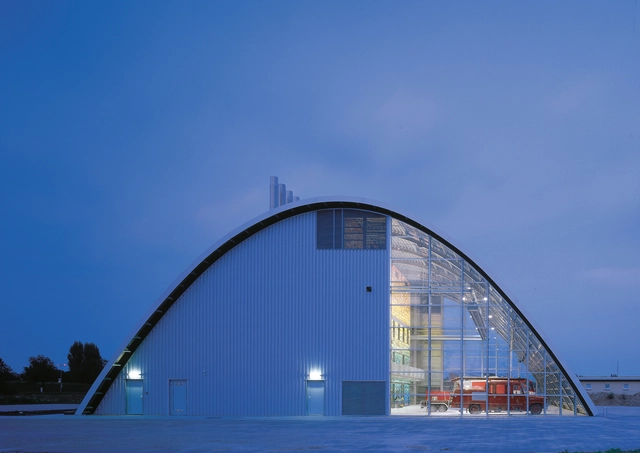


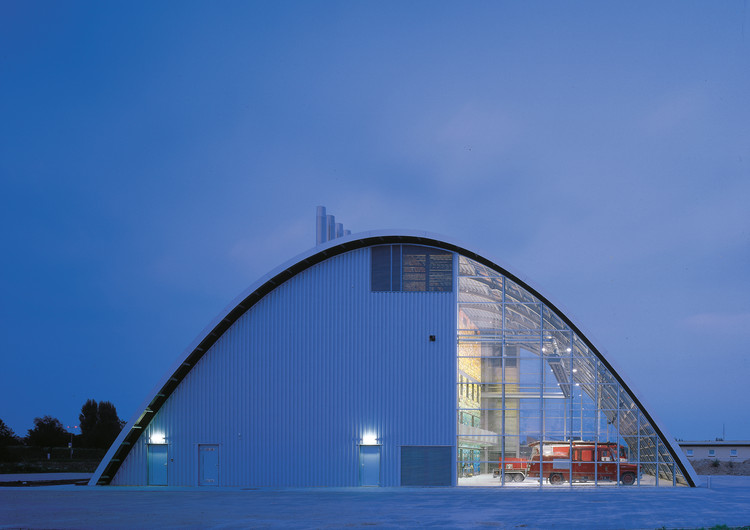
- Area: 1100 m²
- Year: 2000
-
Professionals: DHV AIB bv, C. VORSSELMANS NV, ECOFYS, G3K, INSTALLATIEBEDRIJF ANDRIESSEN, +3



Zaha Hadid's projects are remarkable not only for her innovative way of handling tangible materials but also for her imagination regarding the medium of light. Her theories of fragmentation and fluidity are now well-known design techniques which enabled her form-finding. However, her advances in using light to render her architecture have often been neglected—even though they became an essential element in revealing and interpreting her architecture. The three-decade transition from minimal light lines at her early Vitra Fire Station to the world's tallest atrium at the Leeza SOHO skyscraper, which collects an abundance of daylight, shows the remarkable development of Zaha Hadid’s luminous legacy.
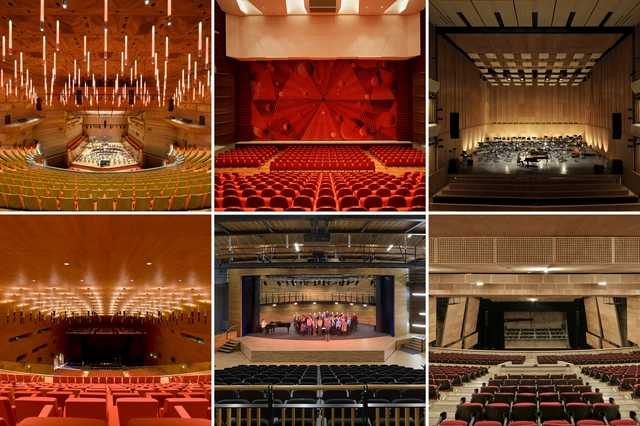
Seeing the space of an auditorium in section is a key tool in allowing us to approach a design's of acoustics, accessibility, and lighting. These components are what make the design of an auditorium a complex task, requiring detailed and specific studies.
There are a number of ways to design an auditorium that offers multiple responses to these challenges. For this reason, we have selected a number of sections from different auditoriums that can help you understand how other architects have solved the challenge.
Check out the 30 auditorium sections below, they are sure to inspire you!
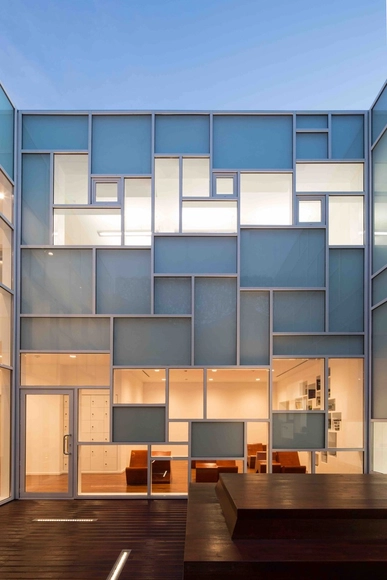
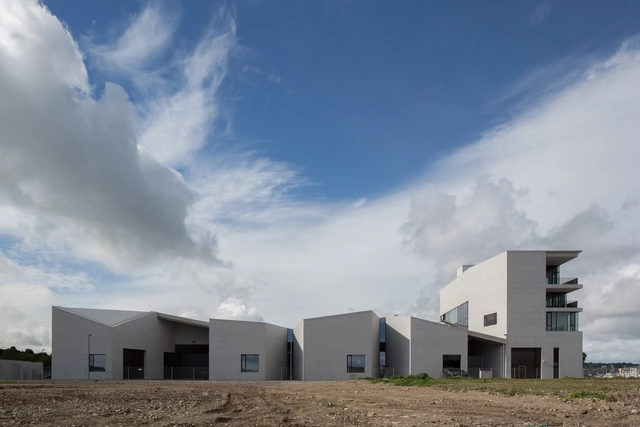

Between March of 2013 and December of 2014, Simon Henley of London-based practice Henley Halebrown wrote a regular column for ArchDaily titled “London Calling,” covering architectural topics of note in the UK's capital. Now, Henley is returning to his column – but in the wake of 2016's shock political developments, his column is re-branding. Thus, here he presents the first of his column “Beyond London” – a look at architectural topics around the UK. Here, Henley presents his opinion on those political developments, and the role architects should play as the UK embarks on a new period in its history.
Post-Brexit, British architects need to think hard about the profession’s London-centric position. There has been a policy of inclusion of non-London architects on panels, their work in magazines and on awards shortlists, but this is not enough. It was quite clear on June 24th when the London design community awoke to the realization that Britain will leave the European Union, that a “Remain”-minded bubble had formed within the capital. The same may be true of the other large cities around the country which voted largely in favour of “Remain.”
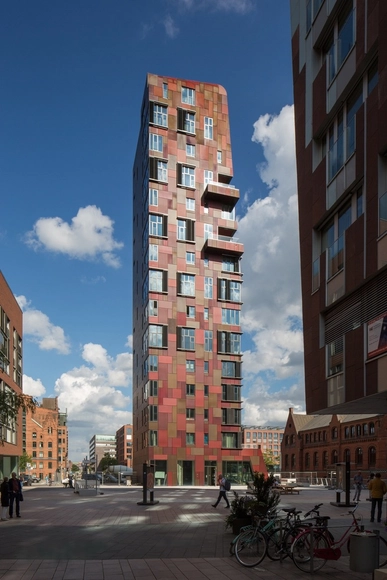


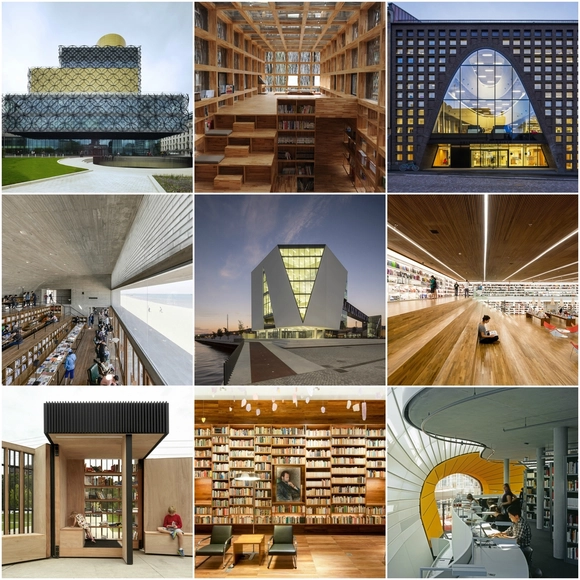
From community meeting hubs to secluded refuges, places to learn and places to study, libraries can be so much more than just a place to a check out a book. With this in mind, we’ve rounded-up 15 awe-inspiring libraries, including a Canadian church that was converted into a library, the first library in Muyinga, Burundi – built using participatory design and local materials – and the largest academic library in Finland. See what makes each of the libraries unique after the break.

In "People, Place, Purpose," the latest monograph of her Delft-based firm Mecanoo, Francine Houben explores the unique work which has enabled the firm to take their place among the world-renowned pantheon of Dutch architects. In the following excerpt from the book, Herbert Wright presents an introduction to the monograph and the themes running through Mecanoo's work in general, breaking down an architecture that is defined not by style or ego but by three overarching responsibilities - and perhaps a dash of color.
On a computer screen, architects can move virtual walls around with just a few clicks, but surely only superheroes can shift an actual wall around physically with their bare hands? So it was quite a surprise, while standing in the Saint Mary of the Angels Chapel in Rotterdam, to see Francine Houben, founding partner of Mecanoo, do precisely that. After some gentle fussing and tidying around the lectern and candles where the priest conducts ceremonies, she walks to a wall, and puts her hands firmly to it. It recedes to let in the sound of tree branches swaying in the wind passing through the cemetery outside.
“There is a certain tradition, history, and continuity that you can read in European architecture”
- Spela Videcnik, OFIS arhitekti
A product of context and history, Europe has influenced the architecture world in a way that perhaps no other continent has. The continent is the topic of the latest video from the Fundació Mies van der Rohe, produced in relation to their European Union Prize for Contemporary Architecture, in which prize-nominated architects from 16 European cities are interviewed on what they believe brings them together, and what makes them different.
As a US citizen who has previously lived in Europe for two years, I was struck by the essential question prompted by the video: “Is there a European identity in architecture?” And if so, what exactly is it? To try to answer this question, I sat down with ArchDaily’s managing editor Rory Stott - a Brit - to debate differing perspectives.
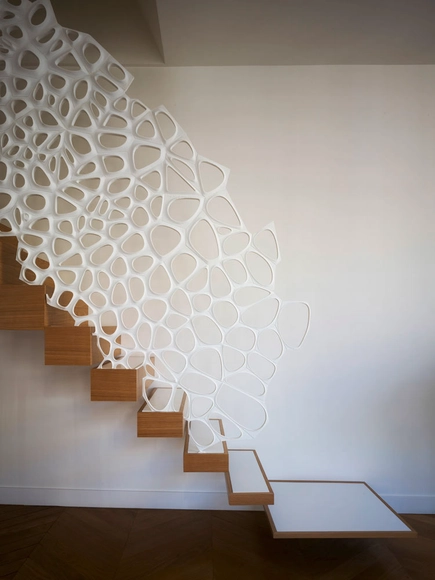
If there was a most radical decade of the last century, few would come close to topping the 1960s. From the Bay of Pigs to the Beatles, Marilyn Monroe to the moon landing, there was rarely a dull moment. The world of materials was also involved, seeing the invention of a polymer surface of acrylic resin and natural minerals that was easy to clean, scratch resistant, seamless, and hygienic. Better known as Corian, the surface developed by DuPont chemist Donald Slocum in 1967 was a material that met the tough challenges of modern living.

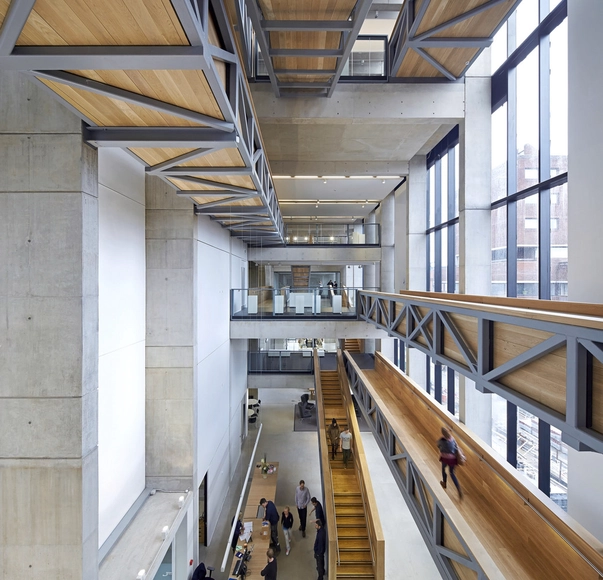
Building projects are inherently complex: as projects progress, architects are joined by contractors, engineers, and myriad consultants. Architects, according to a recent report by RIBA, are considered the "spiritual leaders" of a building project. Cemented in this perception by a monopoly on design, architects continue to sit precariously atop project hierarchies despite a shifting landscape in building production. This begs the question: how can architects leverage this spiritual responsibility to translate into the best results for clients?
In their latest report Client & Architect: Developing the Essential Relationship, RIBA delves into the nuanced problem of connecting architecture to its owners, emphasizing the importance of a strong, functional and mutually educational relationship. Currently, architects have a tremendous opportunity to learn, improve and capitalize on understanding of clients, regardless of firm size, portfolio and established skills.
Read on to discover RIBA's findings from two years of client analysis


.jpg?1490812427 "MAXXI Museum, 2009, Rome / Italy. Image © Iwan Baan")


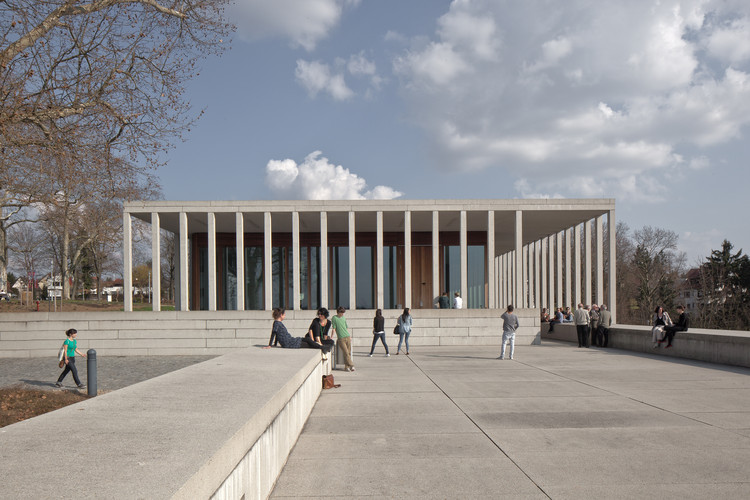


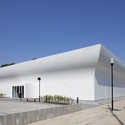
.jpg?1444043084 "2015 Prize Winner - Philharmonic Hall Szczecin / Barozzi / Veiga. Image © Laurian Ghinitoiu")
.jpg?1444043084)