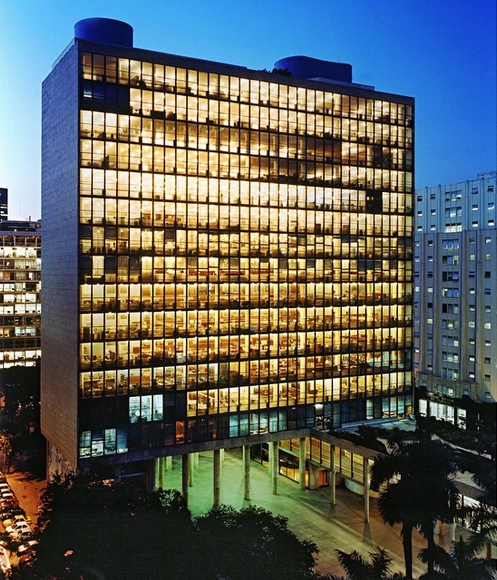
Gustavo Capanema Palace. Image: oscarniemeyerworks. Via Instagram
The Gustavo Capanema Palace will officially serve as one of the venues for the 27th World Congress of Architects – UIA 2020 Rio. The authorization agreement for the building's use was signed on Thursday, September 20, during an event marking the completion of the restoration work on the building's facades. The ceremony was attended by the Minister of Culture; the president of Iphan, Kátia Bogéa; the president of the IAB, Nivaldo de Andrade; the UIA Vice President for the Americas, Roberto Simon; the president of UIA2020RIO, Sérgio Magalhães; as well as the presidents of CAU/BR and CAU/RJ, Luciano Guimarães and Jeferson Salazar, respectively.
São Paulo. Image via Visualhunt.com. CC0 1.0 Universal (CC0 1.0) Public Domain Dedication
In June, the Federal Government released the publication Urbanized Areas of Brazil 2015, produced by the Brazilian Institute of Geography and Statistics (IBGE) using images from the RapidEye satellite captured between 2011 and 2014. The mapping shows that the largest urbanized areas in the country are São Paulo, Rio de Janeiro, Brasília, Curitiba, and Goiânia. Together, these five urban agglomerations cover more than 2,500 km².
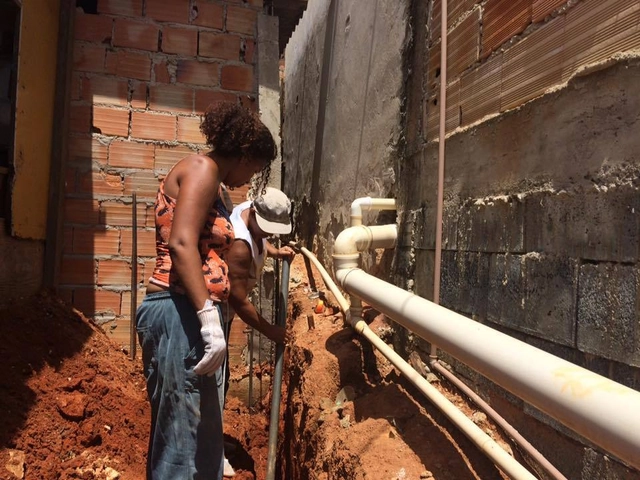
How to build a business in social architecture? CAU has compiled ten valuable tips for architects looking to work in one of the most rewarding areas of our field.
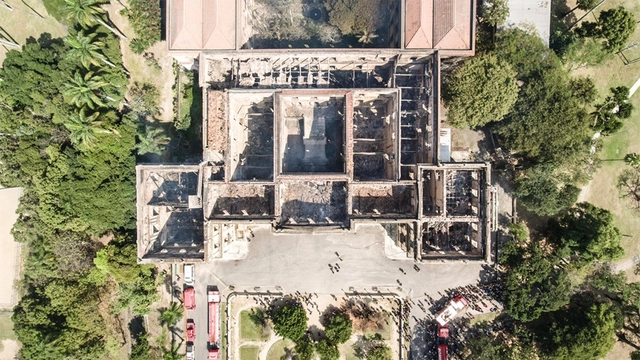
The destruction of the National Museum at Quinta da Boa Vista in Rio de Janeiro cannot go unnoticed. This tragedy must serve as a cry of "enough!" against the abandonment, neglect, and destruction of the nation's memory. The unfortunate reality is that the situation of the National Museum is not unique. Similar tragedies could happen again.
The values that define us as a society cannot turn to ashes like the National Museum. We call upon the State, architects and urban planners, universities, intellectuals, professional associations, and ultimately, Brazilian society as a whole to mobilize.
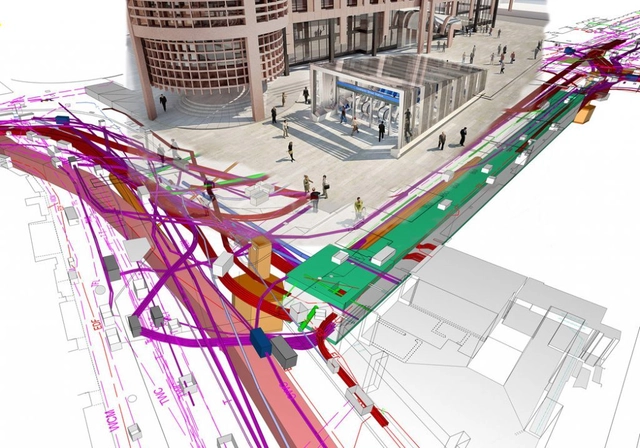
Architecture and urban planning is a field that constantly evolves in tandem with technological advancements. This is true for heavy machinery used in construction, building materials, and design tools alike. Today, this evolution is closely tied to BIM technology.
BIM stands for Building Information Modeling. It is a workflow that gathers, through digital tools, all information regarding the construction of a building.
On Tuesday, September 26, the National Electoral Commission released the list of architecture and urbanism professionals eligible to vote in the October 10 elections.
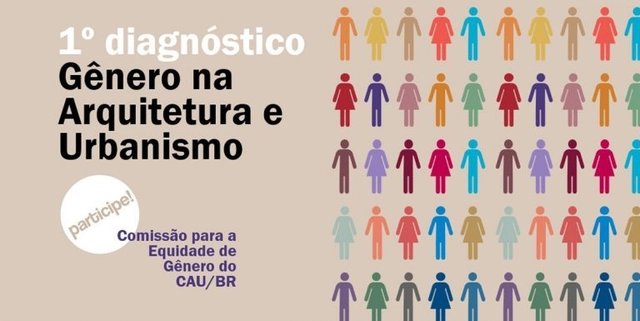
On July 31, during the 103rd Ordinary Plenary Session, the CAU/BR Temporary Commission on Gender Equity released the 1st "Gender in Architecture and Urbanism" Diagnosis. Conducted online from July 2019 to February 2020, the survey was answered by 987 professionals (767 women and 208 men), with a margin of error of plus or minus 3.11%.
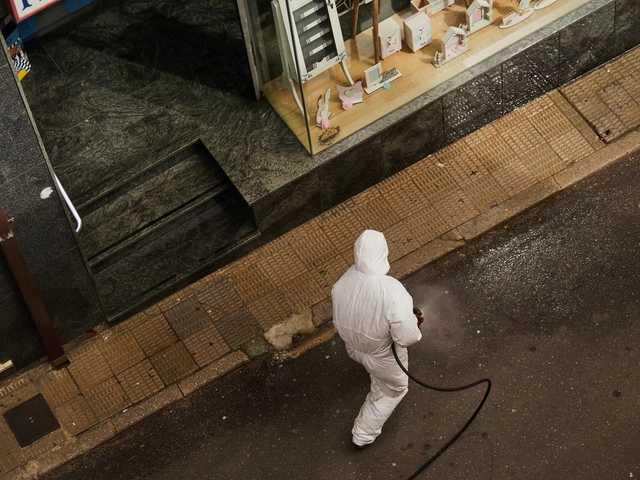
The rethinking of public and private spaces has been considered by numerous architects and urban planners for the post-pandemic era. The gradual reopening of businesses and the resumption of other activities across the country require owners, employees, users, and customers to change habits and behaviors to ensure everyone's health.
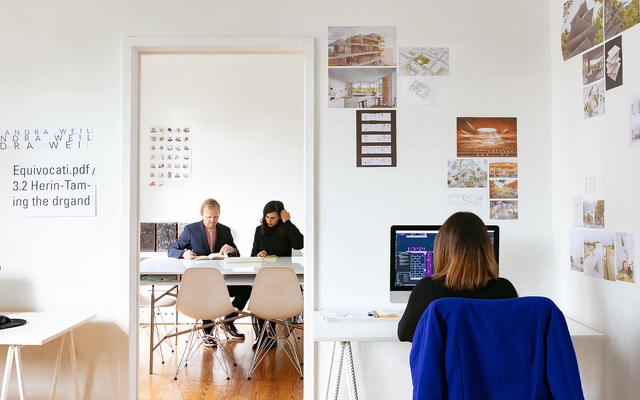
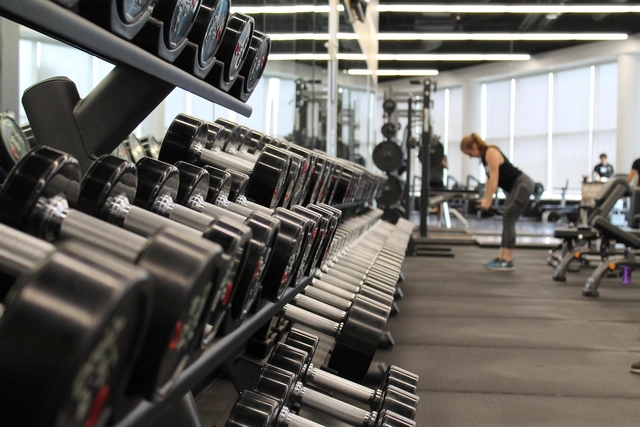
Six commercial spaces frequently used by many people — gyms, beauty salons, offices, corporate offices, reception areas, and classrooms — have received guidelines for proper operation, developed by architects and urban planners Maria Paula Dunel and Ingrid Joyce Almeida de Jesus.
How can you protect yourself from the coronavirus on the street, upon arriving home, and inside your own home? The 'Urbanistas contra o Corona' (Urbanists Against Corona) network has developed a guide to instruct the public in each of these situations. The illustrated publication lists prevention measures and categorizes contamination risks when on the street (high), returning home (medium), and within the private space of the home (low).
A survey by CAU/BR conducted in partnership with the Datafolha Institute has revealed new insights into the professional profile of architects and urban planners in Brazil. This is the largest survey conducted in the country since the Census of Architects and Urban Planners in 2012, which was carried out when all professionals registered with the newly created Council of Architecture and Urbanism. "We need precise information to guide CAU's initiatives, both for the entity's planning and to improve communication with professionals," said the president of CAU/BR, Luciano Guimarães.
The Council of Architecture and Urbanism of Brazil, through its Commission for Gender Equity (CTEG), has launched a public survey to collectively build a women's agenda aimed at overcoming challenges in the practice of architecture and urbanism.
The Council for Architecture and Urbanism of Brazil (CAU/BR) has decided to deny professional registration requests from Architecture and Urbanism graduates of distance learning (EaD) programs. The resolution, dated March 29, was based on the fact that the field of Architecture and Urbanism is directly linked to the preservation of life and human well-being, the safety and integrity of property, and the preservation of the environment, with direct impacts on individual and public health.
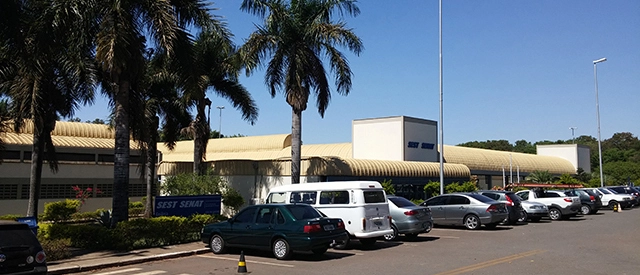
The Court of Justice of Bahia has ordered the payment of copyright royalties and moral damages to an architect and urban planner whose designs were reproduced in 39 projects built across several Brazilian states. The Social Transportation Service (SEST) and the National Transportation Learning Service (SENAT), which used the designs without authorization in Integrated Care and Professional Centers for Transportation Workers (Capits) nationwide, were ordered to pay not only the inflation-adjusted copyright fees for the 39 projects, but also R$ 100,000 in moral damages. Furthermore, they must publish in a major newspaper, for three consecutive days in a prominent layout, the credit of architect Daniel Colina as co-author of the Capits' architectural design.
Construction of the Comandante Ferraz Antarctic Station, the Brazilian Navy's research base in Antarctica, is complete after three years of work on the planet's most extreme continent. A masterpiece of architecture and engineering, the facility features 700 tons of steel structures, an aerodynamic shape to withstand winds of up to 200 km/h, and a stilted base to prevent winter snow accumulation from reaching the building.
Brazil currently has 167,060 active, registered architects and urban planners with the Council of Architecture and Urbanism. The majority, 63.10% (105,420), are women, while 36.90% (61,640) are men (61,400). In 2018, these percentages were 62% and 38%, respectively. This predominance is expected to grow in the coming years, as the share of female students is significantly higher: 67%.
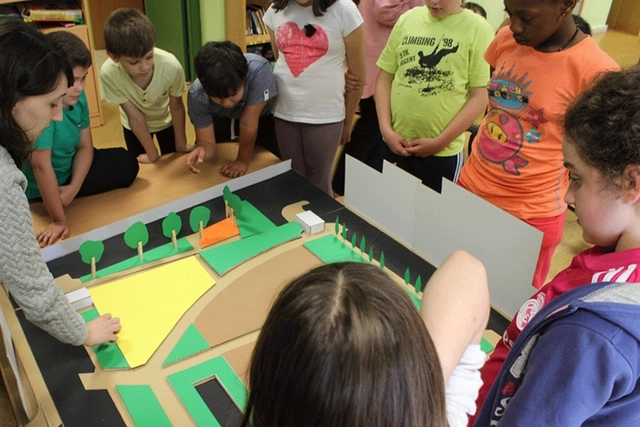
Projeto “Arquitetura para Crianças”, realizado na Galícia, Espanha. Image Cortesia de CAU/BR
The Urban and Environmental Policy Commission (CPUA) of CAU/BR will produce supplemental educational materials on architecture and urbanism for elementary and middle school classrooms. Developed in partnership with Pistache Editorial, the project aims to bring urban planning discussions into schools to help build better cities in the future. The goal is to foster students' critical perspective on the urban environment, helping them understand the city as a space with multiple historical layers.
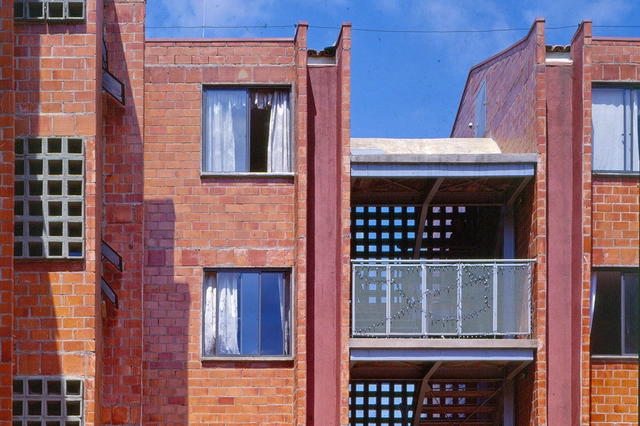
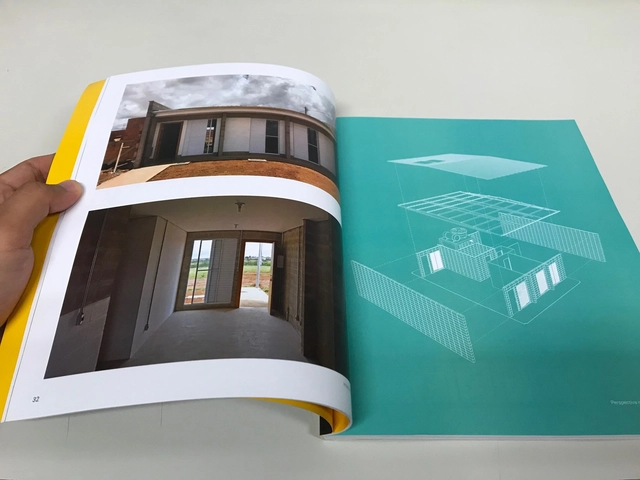
A team of professionals from the Housing Company of the Federal District (CODHAB/DF) has launched a crowdfunding campaign for the publication series “Experiências em Arquitetura Social” (Experiences in Social Architecture). The books compile architecture and urban planning projects designed to improve the quality of housing design and construction in the Federal District.
The Council for Architecture and Urbanism of Tocantins – CAU/TO has launched a design competition to select the best proposal for the construction of its headquarters in the city of Palmas.