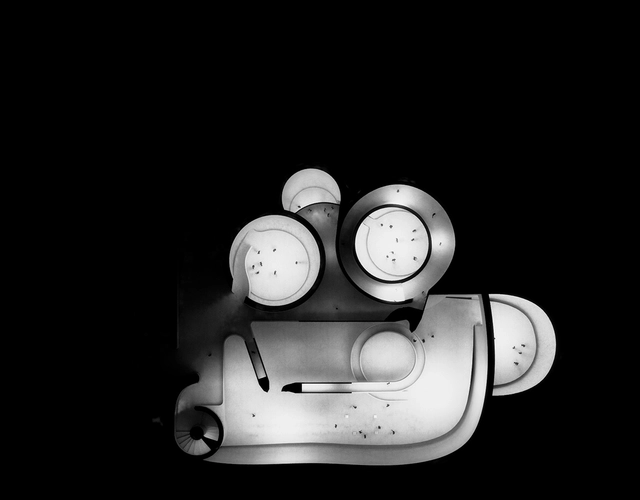
Second Prize Winner: A stair, a spiral, or a park. Image Courtesy of Buildner
Buildner has announced the results of its third edition Architect's Stair international architecture ideas competition. The event invited designers to reflect on one of architecture's oldest and most symbolic elements: the stair. Beyond its functional role as a connector of levels, the stair was positioned here as a medium of architectural storytelling—an invitation to explore ideas of procession, sequence, space, and form.
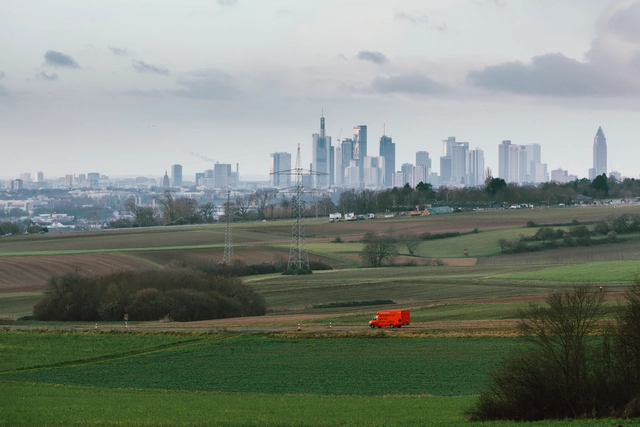
The German Design Awards 2026 are now open for submissions worldwide. Under the theme Connecting Global Excellence, the awards extend an invitation not just to enter, but to engage—with ideas, with places, with people. This year's open call is accompanied by a new series of Design Masterclasses in Zurich and Copenhagen, created in collaboration with DAAily platforms, offering spaces to share, learn and connect. As the Frankfurt RheinMain region prepares to take the global stage as World Design Capital 2026, the German Design Awards 2026 reflect the full spectrum of design today—from visionary innovation to cultural continuity. They are both a mirror of our diverse design landscape and a catalyst for forward-thinking transformation across all disciplines.
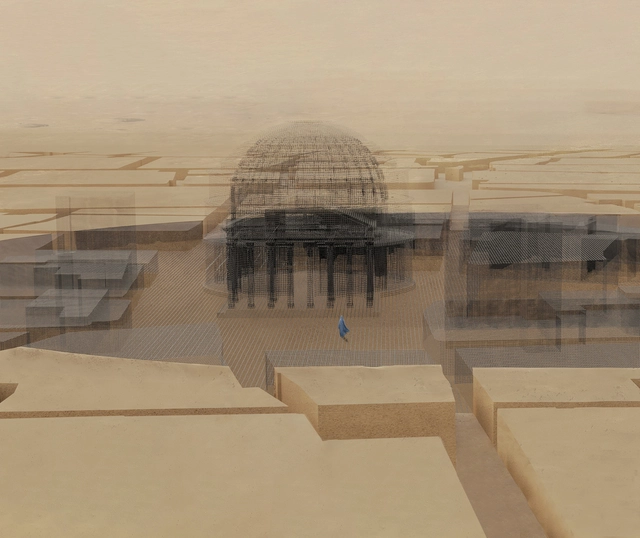
Buildner has announced the results of its competition, the Last Nuclear Bomb Memorial No.5. This competition is held each year to support the universal ban on nuclear weapons. In 2017, on the 75th anniversary of the 1945 bombings of Nagasaki and Hiroshima, which claimed the lives of over 100,000 people, the United Nations adopted the Treaty on the Prohibition of Nuclear Weapons.
In recognition of this treaty, Buildner invites conceptual designs for a memorial to be located on any known decommissioned nuclear weapon testing site. The conceptual memorial is intended to reflect the history and ongoing threat of nuclear weapons, aiming to promote public awareness of nuclear disarmament.
The challenge is intended to bring attention to the history and dangers of nuclear weapons. Participants are tasked with designing a space that commemorates nuclear warfare victims and conveys the need for a nuclear-free future. As a 'silent' competition, submissions are not allowed to include any text, titles, or annotations.
The next edition of this competition, the Last Nuclear Bomb Memorial No. 6, has been launched with an early bird registration deadline of June 12, 2025.
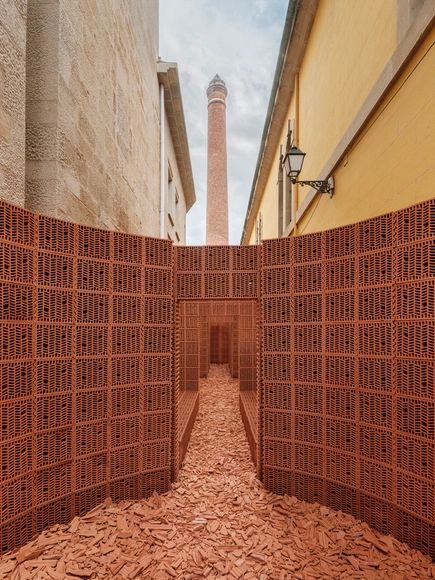
Types of Spaces - Spain | Architects: HANGHAR, Madrid, Spain; PALMA, Mexico City, Mexico. Image Courtesy of Weinberger
The Brick Award is presented every two years to honor innovative, sustainable, and visionary brick architecture worldwide. The upcoming Brick Award 26 will be celebrated in June 2026. Architects, designers, and developers are encouraged to submit projects that showcase creativity and functionality using clay building materials. This prestigious award recognizes excellence across various categories and offers a global platform to highlight the versatility and potential of bricks in contemporary architecture. Submissions for the Brick Award 26 are open until March 9, 2025, offering a unique chance for international recognition. Participation does not require the use of wienerberger products.
Over the past two decades, the Holcim Foundation Awards has committed USD 20M to spotlight transformative projects by architects, designers, and engineers who pioneer sustainable design and construction practices. To capture these stories, the Foundation launched a short film series titled Words withWinners.
This series provides an in-depth look at award-winning sustainable design projects through exclusive interviews with their creators. It includes the first film to showcase BRAC University campus, recently completed in Dhaka, featuring an exclusive interview with the lead architect and co-founder of Singaporean green building specialists WOHA Wong Mun Summ.
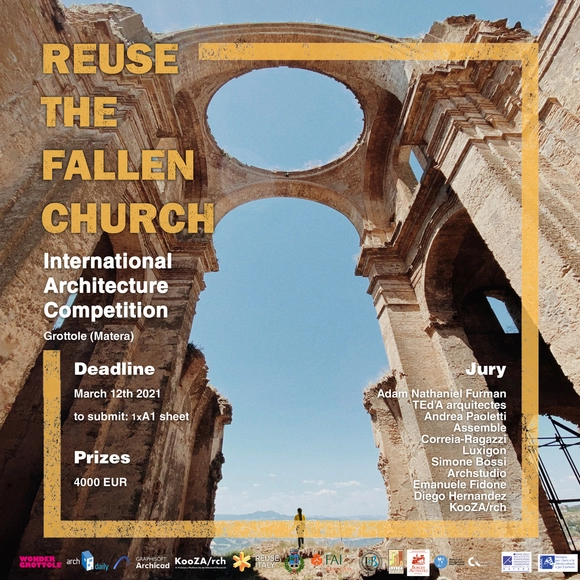
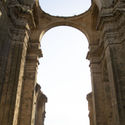
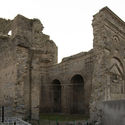
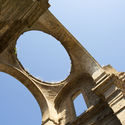
The third edition of the architecture competition Re-use Italy promotes the repurpose of a forgotten church in southern Italy, in Grottole, in the province of Matera. Facing the issue of the abandonment of small towns in Italy, the contest in partnership with, ArchDaily, KooZA/rch, Graphisoft, Wonder Grottole, with the official support of the Municipality of Grottole (Matera), Ministero per i beni e le attività culturali e per il turismo, FAI Basilicata, Matera Art Film Festiva, ANCI Basilicata, Associazione Borghi Autentici d’Italia, Ordine degli Architetti P.P.C. della provincia di Matera, seeks to reuse the “Fallen-church” and transform the ruin into a Concert Hall.
OMA founder Rem Koolhaas has joined his colleague Stephan Petermann and artist Wolfgang Tillmans in calling for ideas on re-branding the European Union, at a time when the EU is experiencing increased pressure from the rising tide of far-right nationalism. Working with a group of artists, creatives, and communications experts from across Europe, the “Eurolab” team will present the outcomes of their initiative at the Forum on European Culture on June 3rd, 2018.
Eurolab argues that, although the EU is a project aimed at peace, cooperation, and solidarity, it has failed to present itself as a progressive, positive organization to European citizens. As support for nationalism and the far-right grows across Europe, Eurolab will embark on a 4-day fact-finding mission to investigate why the voices of European unity are been drowned out by the voices of European division. Going beyond the identification of issues surrounding disdain for the EU, Eurolab seeks to help re-brand the organization, asking “how can cooperation and solidarity be communicated to a large audience in a fresh and compelling way?”
https://www.archdaily.com/892199/rem-koolhaas-and-eurolab-call-for-creative-ideas-on-how-to-re-brand-the-euNiall Patrick Walsh
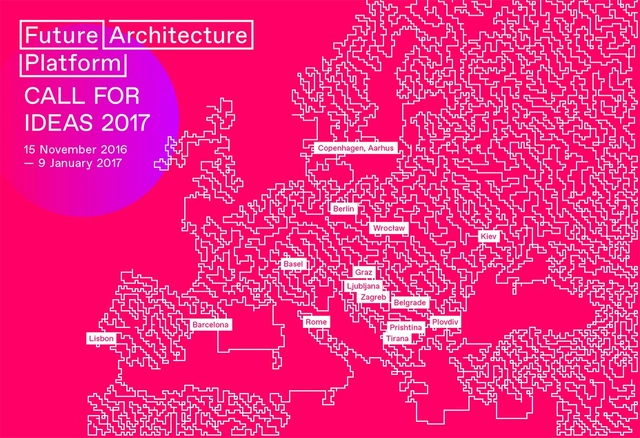
After a successful first cycle of activities in the initial year, Future Architecture platform launches a new call for ideas for all who wish to participate in the Future Architecture program cycle throughout Europe in 2017. The platform invites emerging creatives to apply with the ideas, visions and projects they consider important for the future of architecture. Applicants should articulate the relevance of their application to the future of architecture, whether as an architectural statement, a social practice, a business model, as new construction technique, as production of living space, or other subject, which the applicants consider to be inevitable or highly relevant to the debates on the future of architecture in Europe. All applications will be published on the website of the Future Architecture platform. By entering, each applicant is automatically added to the list of artists and professionals that may be invited to participate at exhibitions, conferences, lecture series, workshops and other events organized by the members of the platform.


.jpg?1605615404 "Courtesy of Re-use Italy")