1. ArchDaily
  2. Bukhara Biennial

Bukhara Biennial: The Latest Architecture and News

Architects of the Global South: 10 Pavilions and Installations That Shaped 2025

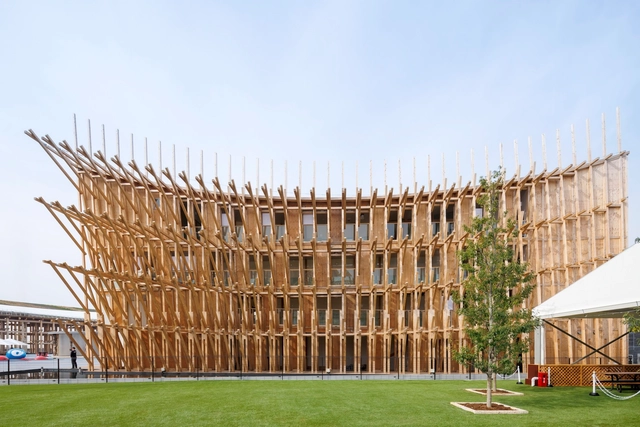
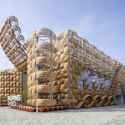
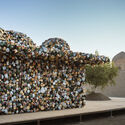
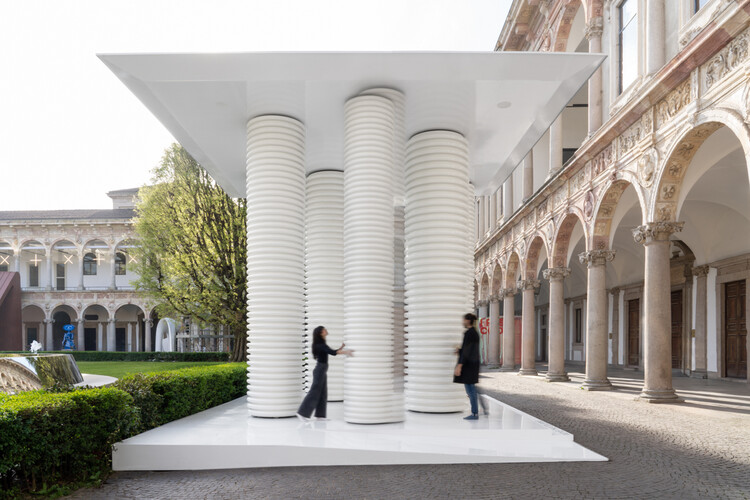
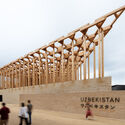
In a global landscape marked by accelerated change, 2025 emerged as a decisive year for architecture—not only because of the major events that animated the international circuit, but above all because of the voices that stood out within them. From the Venice Architecture Biennale to Expo Osaka, pavilions and installations from the Global South ceased to function as mere exhibition gestures and instead asserted themselves as territories of memory, resistance, and imagination, articulating narratives that expand the horizons of contemporary architectural debate.

Across these works, tradition and future move side by side: ancestral materials reappear in reimagined forms, historical wounds are given sensitive expression, and social urgency is translated into proposals that challenge established ways of building and inhabiting the world.

Architects of the Global South: 10 Pavilions and Installations That Shaped 2025 - Image 3 of 4Architects of the Global South: 10 Pavilions and Installations That Shaped 2025 - Image 1 of 4Architects of the Global South: 10 Pavilions and Installations That Shaped 2025 - Image 2 of 4Architects of the Global South: 10 Pavilions and Installations That Shaped 2025 - Image 14 of 4Architects of the Global South: 10 Pavilions and Installations That Shaped 2025 - More Images+ 13

From Ecologies to Everyday Life: Reflecting on Architectural Exhibitions in 2025

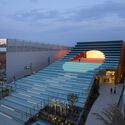
This past year marked a period of introspection for architecture. As 2025 unfolded, the discipline, confronted with evolving environmental and social realities, entered a broader turning point in how it understands its role and how users engage with it. Throughout the year, exhibitions shifted focus away from buildings as isolated objects toward a broader understanding of relationships between ecology, equity, everyday life, and collective imaginaries. Across institutions and cities, they operated less as showcases and more as discursive platforms: places where architecture was not only presented, but also imagined, questioned, and collectively redefined.

While exhibitions have long functioned as sites of discourse, politics, and community, this role became more explicit in 2025. As Carlo Ratti noted in an ArchDaily interview during the pre-opening of the Venice Architecture Biennale 2025, exhibitions today can "hybridize the way that people come together," an ambition that echoed across cities and institutions as exhibitions evolved into spaces for debate, experimentation, and collective reflection. Exhibitions are places where architects and designers meet, where conversations unfold openly with the public, and where ideas emerge through spontaneous exchanges among passersby. Exhibitions became spaces where architectural discourse extended beyond professional circles, opening conversations to broader publics through everyday encounters, shared experiences, and informal exchanges.

From Ecologies to Everyday Life: Reflecting on Architectural Exhibitions in 2025 - Image 1 of 4From Ecologies to Everyday Life: Reflecting on Architectural Exhibitions in 2025 - Image 2 of 4From Ecologies to Everyday Life: Reflecting on Architectural Exhibitions in 2025 - Image 3 of 4From Ecologies to Everyday Life: Reflecting on Architectural Exhibitions in 2025 - Image 4 of 4From Ecologies to Everyday Life: Reflecting on Architectural Exhibitions in 2025 - More Images+ 35

Lina Ghotmeh on Memory, Museums, and the Archaeology of the Future

Subscriber Access | 

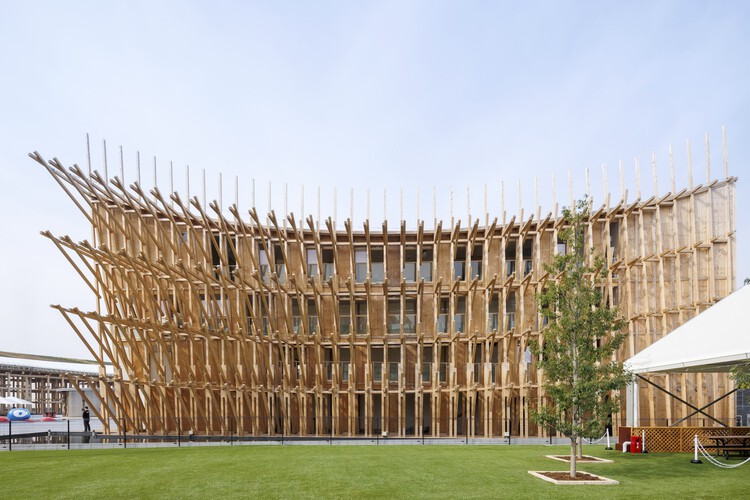
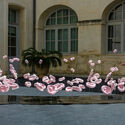
Known today for her poetic yet rigorous approach to architecture, Lina Ghotmeh has become one of the most compelling voices in contemporary design. Her work spans continents, from the British Museum's Western Range redesign in London to AlUla's Contemporary Art Museum, and includes landmark commissions such as the Serpentine Pavilion in London, Stone Garden in Beirut, the Bahrain Pavilion at the 2025 Expo Osaka, and the Estonian National Museum in Tartu, Estonia which she won the competition to design at just 25. Through a palimpsest of projects, Ghotmeh has established a distinctive architectural language that bridges memory and contemporary life. Wherever she builds, her process captures a constant dialogue between people, place, past and future.

Lina Ghotmeh on Memory, Museums, and the Archaeology of the Future - Image 1 of 4Lina Ghotmeh on Memory, Museums, and the Archaeology of the Future - Image 2 of 4Lina Ghotmeh on Memory, Museums, and the Archaeology of the Future - Image 3 of 4Lina Ghotmeh on Memory, Museums, and the Archaeology of the Future - Image 4 of 4Lina Ghotmeh on Memory, Museums, and the Archaeology of the Future - More Images+ 7

From Saudi Arabia to Uzbekistan: AlMusalla Pavilion Reinstalled for the Inaugural Bukhara Biennial 2025

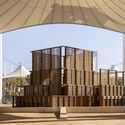
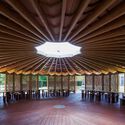
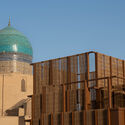
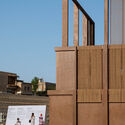
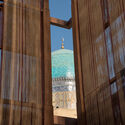
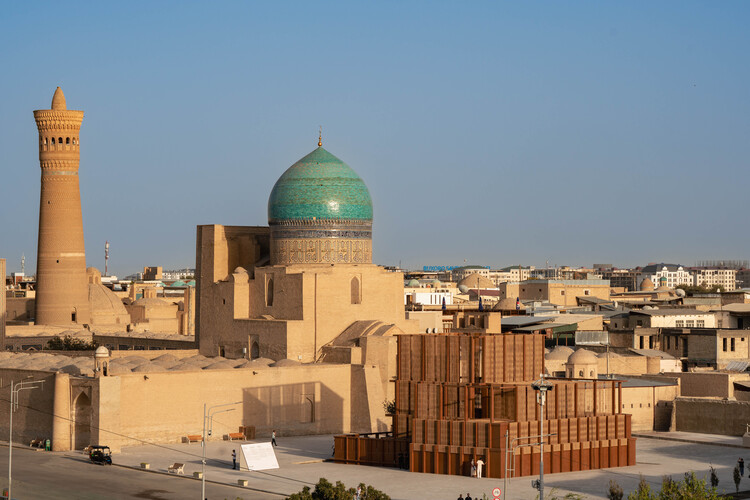
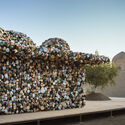
In April 2024, the Diriyah Biennale Foundation announced the AlMusalla Prize, an international architecture competition focused on designing a musalla: a flexible space for prayer and reflection accessible to people of all faiths. The winning project, designed by EAST Architecture Studio in collaboration with artist Rayyane Tabet and engineering firm AKT II, is a modular structure built with materials derived from local date palm waste, including fronds and fibers, and inspired by regional weaving traditions. Installed in the Western Hajj Terminal of King Abdulaziz International Airport in Jeddah, Saudi Arabia, the musalla served for four months during the Islamic Arts Biennale as a space for prayer, welcoming both Muslim and non-Muslim visitors. Conceived to be dismantled and reassembled, the structure was recently relocated to Uzbekistan for the inaugural Bukhara Biennial 2025.

From Saudi Arabia to Uzbekistan: AlMusalla Pavilion Reinstalled for the Inaugural Bukhara Biennial 2025 - Image 1 of 4From Saudi Arabia to Uzbekistan: AlMusalla Pavilion Reinstalled for the Inaugural Bukhara Biennial 2025 - Image 2 of 4From Saudi Arabia to Uzbekistan: AlMusalla Pavilion Reinstalled for the Inaugural Bukhara Biennial 2025 - Image 3 of 4From Saudi Arabia to Uzbekistan: AlMusalla Pavilion Reinstalled for the Inaugural Bukhara Biennial 2025 - Image 4 of 4From Saudi Arabia to Uzbekistan: AlMusalla Pavilion Reinstalled for the Inaugural Bukhara Biennial 2025 - More Images+ 58

Bridging Past and Future: Uzbekistan’s Expanding Cultural Landscape

Uzbekistan's architectural and artistic heritage reflects a layered history shaped by centuries of cultural exchange along the Silk Road. From the monumental ensembles of Samarkand and Bukhara to the scientific and educational institutions of the Timurid era, architecture has long been a vessel of identity and knowledge across the region. In the twentieth century, Tashkent emerged as a new urban laboratory, where modernist ideals met local craft traditions and environmental pragmatism. The city's reconstruction following the 1966 earthquake became a defining moment, fusing Soviet urbanism with regional aesthetics to produce a distinctly Central Asian expression of modernity, one that translated cultural continuity into concrete, glass, and light.

Bridging Past and Future: Uzbekistan’s Expanding Cultural Landscape - Image 1 of 4Bridging Past and Future: Uzbekistan’s Expanding Cultural Landscape - Image 2 of 4Bridging Past and Future: Uzbekistan’s Expanding Cultural Landscape - Image 3 of 4Bridging Past and Future: Uzbekistan’s Expanding Cultural Landscape - Image 4 of 4Bridging Past and Future: Uzbekistan’s Expanding Cultural Landscape - More Images+ 4

Uzbekistan’s Inaugural Bukhara Biennial 2025 Opens Across Restored Historic Landmarks

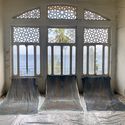
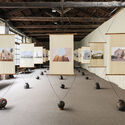
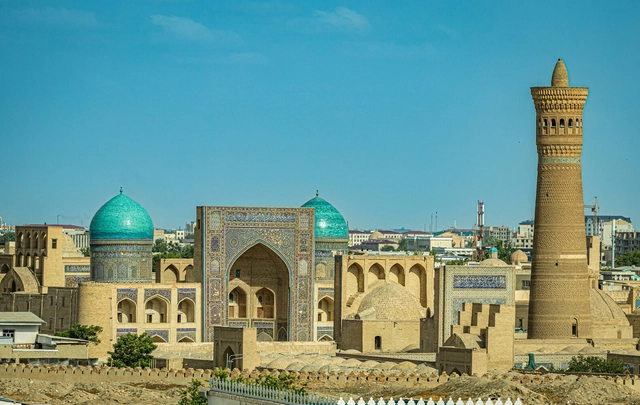
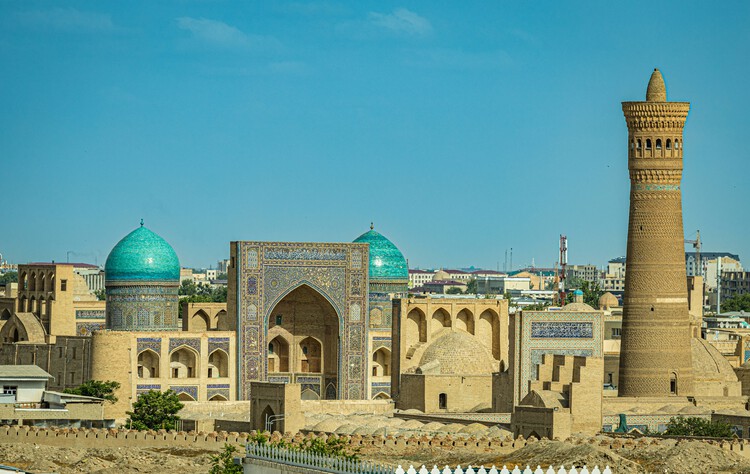
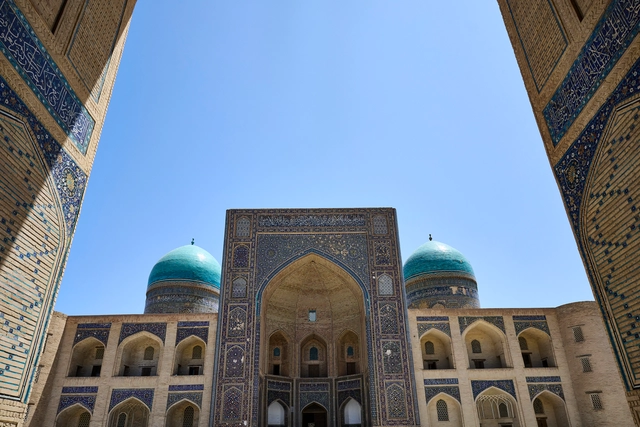
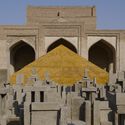
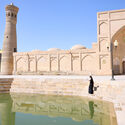
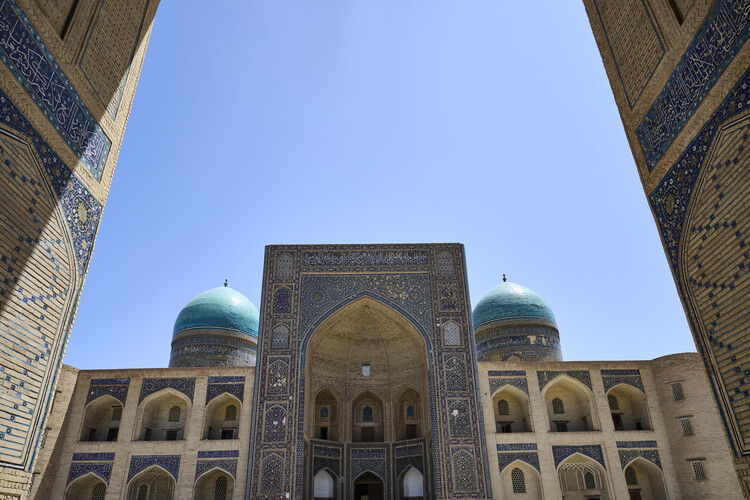
The inaugural edition of the Bukhara Biennial opened on September 5, 2025, bringing over 70 site-specific commissions by more than 200 participants from 39 countries to the historic core of the Uzbek city. Commissioned by the Uzbekistan Art and Culture Development Foundation (ACDF) and Commissioner Gayane Umerova, the Biennial is described as the largest and most diverse cultural event in Central Asia to date. Curated by Diana Campbell under the theme Recipes for Broken Hearts, the ten-week event is staged across a constellation of newly restored sites, including madrassas, caravanserais, and mosques, all part of Bukhara's UNESCO World Heritage listing. Beyond an exhibition platform, the biennial is framed as part of a broader master plan, positioning culture as a catalyst for urban transformation and heritage renewal.

Uzbekistan’s Inaugural Bukhara Biennial 2025 Opens Across Restored Historic Landmarks - Image 1 of 4Uzbekistan’s Inaugural Bukhara Biennial 2025 Opens Across Restored Historic Landmarks - Image 2 of 4Uzbekistan’s Inaugural Bukhara Biennial 2025 Opens Across Restored Historic Landmarks - Image 3 of 4Uzbekistan’s Inaugural Bukhara Biennial 2025 Opens Across Restored Historic Landmarks - Image 4 of 4Uzbekistan’s Inaugural Bukhara Biennial 2025 Opens Across Restored Historic Landmarks - More Images+ 8

Lina Ghotmeh to Lead the Design of the Jadids' Legacy Museum in Bukhara, Uzbekistan

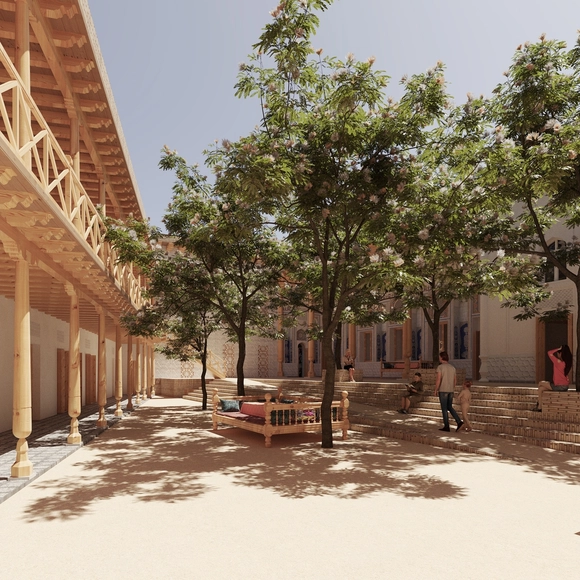
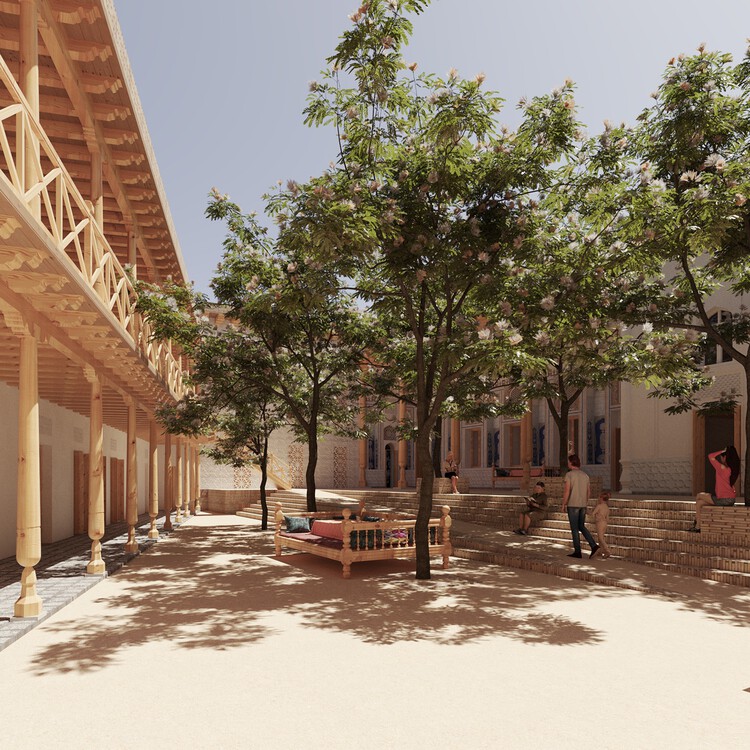
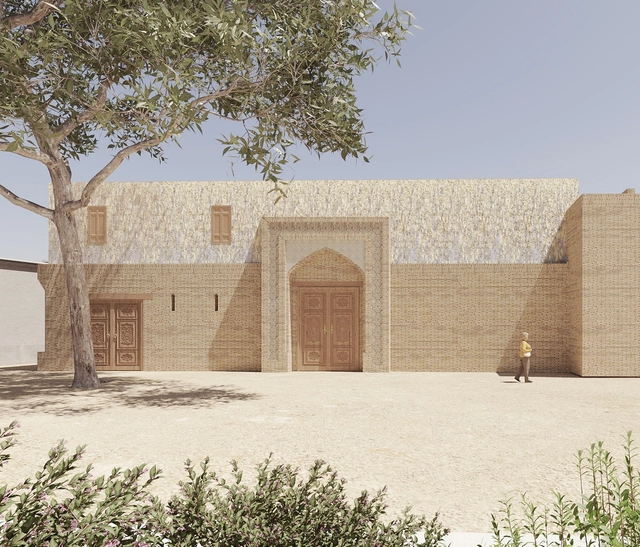
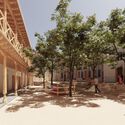
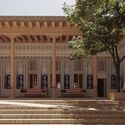
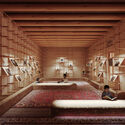
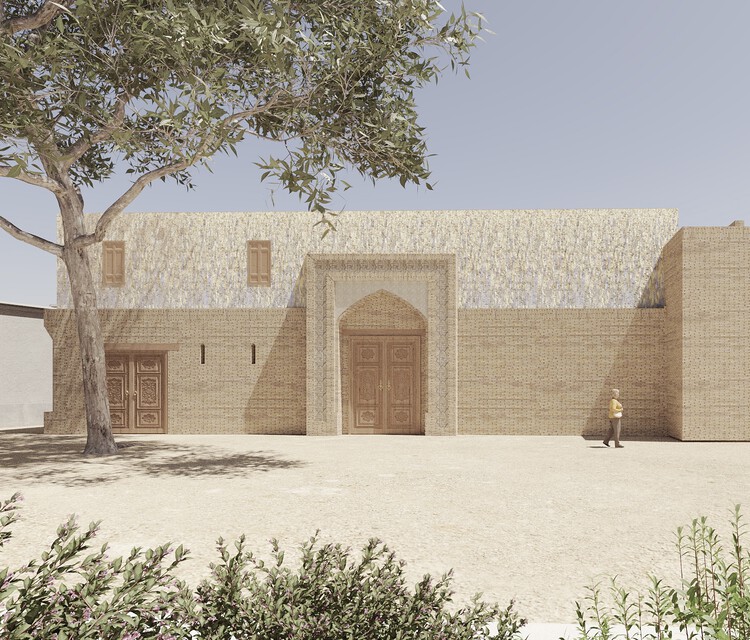
Lina Ghotmeh — Architecture has recently unveiled images of a project to transform a historic residence in Bukhara, Uzbekistan, into a "21st-century cultural destination." The proposal envisions a museum dedicated to the ideas and influence of Jadidism, a Muslim reform movement that advocated for the modernization of education across Central Asia during the late 19th and early 20th centuries.

The project was commissioned by the Uzbekistan Art and Culture Development Foundation (ACDF), established in 2017 to preserve, promote, and nurture the country's heritage, arts, and culture, while integrating them into the global art world and cultural landscape. Scheduled to open to the public in 2027, the museum is part of the ACDF's broader efforts to create landmark cultural institutions that engage audiences worldwide.


Lina Ghotmeh to Lead the Design of the Jadids' Legacy Museum in Bukhara, Uzbekistan - Image 1 of 4Lina Ghotmeh to Lead the Design of the Jadids' Legacy Museum in Bukhara, Uzbekistan - Image 2 of 4Lina Ghotmeh to Lead the Design of the Jadids' Legacy Museum in Bukhara, Uzbekistan - Image 3 of 4Lina Ghotmeh to Lead the Design of the Jadids' Legacy Museum in Bukhara, Uzbekistan - Image 4 of 4Lina Ghotmeh to Lead the Design of the Jadids' Legacy Museum in Bukhara, Uzbekistan - More Images