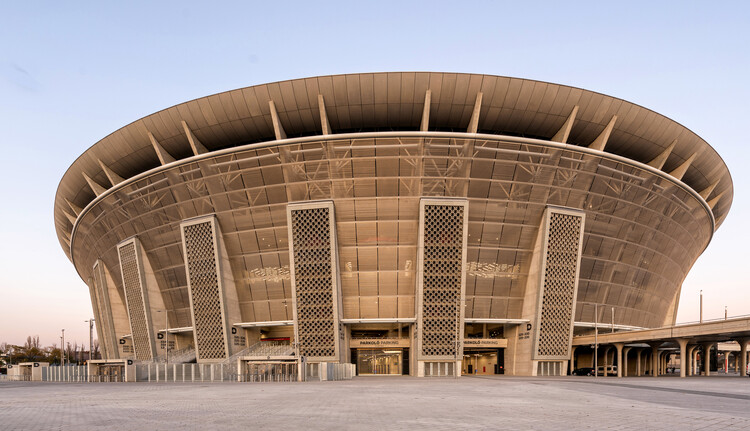
-
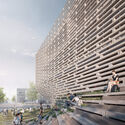
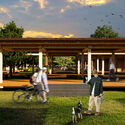
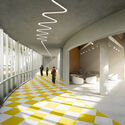
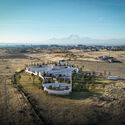
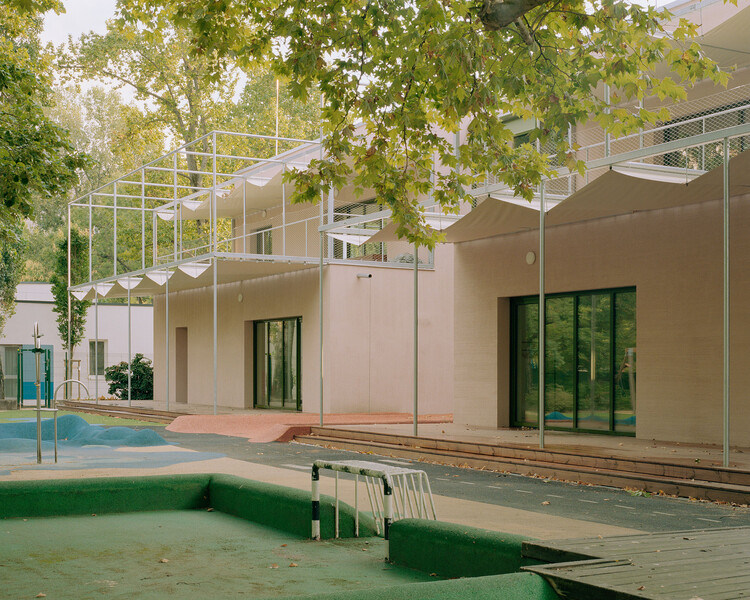
Architects: KÖZTI Architects
- Area: 208000 m²
- Year: 2019
-
Professionals: INTERIOR ONE, S73 Ltd.




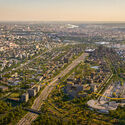
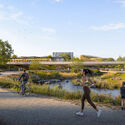
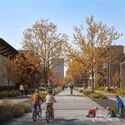
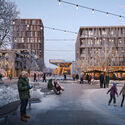
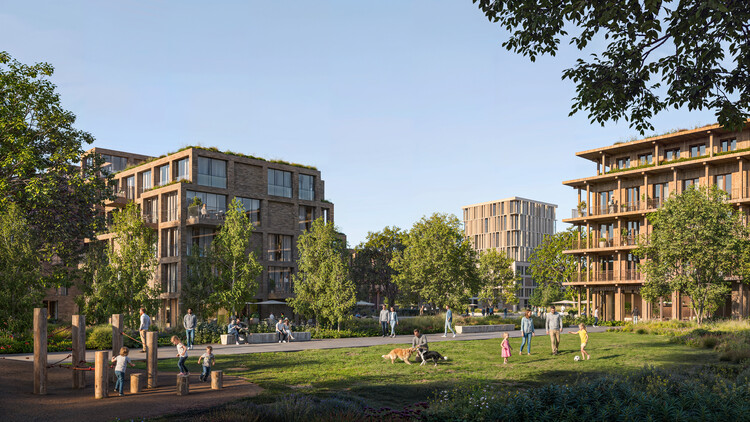
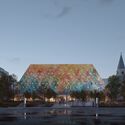
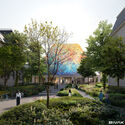
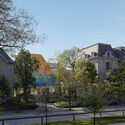
A team led by French architecture practice Coldefy, comprising CITYFÖRSTER, Sporaarchitects, TREIBHAUS.LAND, Marko & Placemakers has won the competition to design a masterplan for Rákosrendező in Budapest, with visualizations by ZOA Studio. The project is developed for the Budapest Capital Asset Management Centre, acting on behalf of the Municipality of Budapest. The design outlines a 15-year scheme to transform a brownfield site long regarded as the city's "rust belt," located on the eastern side of the Hungarian capital. The regeneration plan includes over 10,000 apartments, new transportation links, and commercial and civic spaces, forming a comprehensive urban redevelopment strategy aligned with 15-minute city principles.

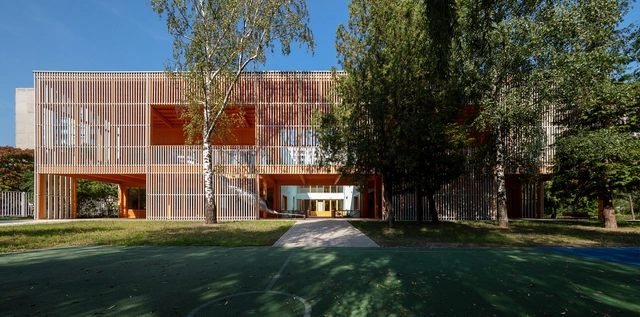
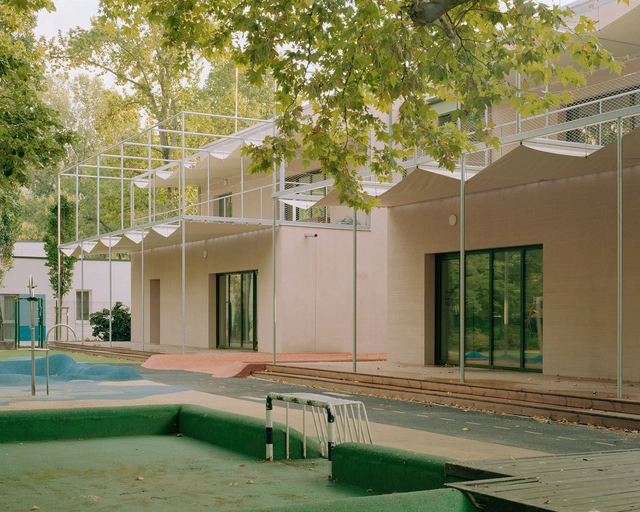
Educational architecture remains an exploratory ground for unbuilt exploration, offering insight into how learning environments can evolve alongside changing social, ecological, and pedagogical values. In this Unbuilt edition, submitted by the ArchDaily community, the selected projects bring together a range of proposals that examine schools, libraries, nurseries, and academic centers as spatial frameworks for care, knowledge, and collective growth. Rather than treating education as a fixed program housed within singular buildings, these projects approach learning spaces as adaptive environments shaped by landscape, climate, and human interaction.
Across varied geographies, from Mediterranean hillsides and Central European courtyards to tropical cities and distributed campus models, the proposals explore diverse architectural responses to contemporary education. They range from child-scaled kindergartens organized around trees and cloisters to libraries conceived as civic landscapes, biodiversity-centered academic buildings, and schools imagined as walkable urban systems.


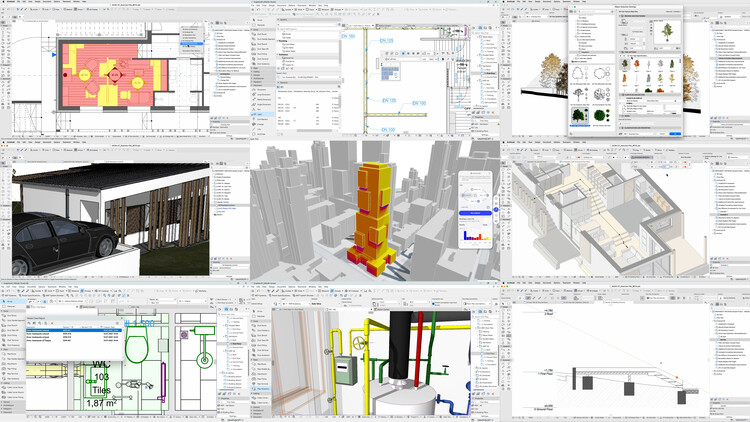
When architects are still students, a moment often marks a turning point: their first encounter with software. It's not just about learning a tool but discovering a space where ideas transcend physical models, taking shape in a digital environment and beginning a relationship many will carry throughout their careers. What happens next? Software keeps evolving, and with it, the design experience. In recent years, this evolution has accelerated—machine learning, AI, prompts, and integrated workflows have moved from the periphery to the core of design practice, becoming part of the shared language between software and users. As these tools take hold, a key question emerges: How will this reshape our experience of designing architecture in the future?
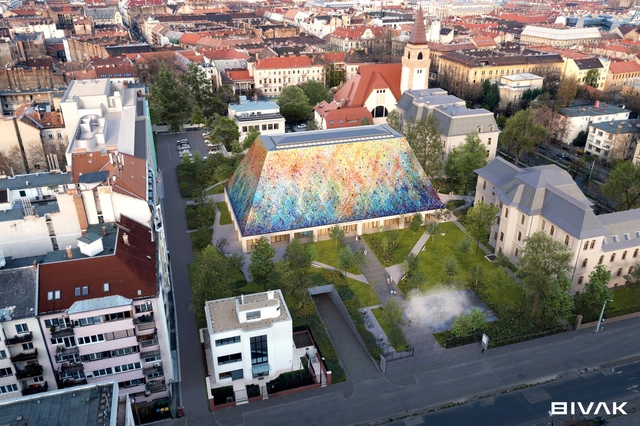
The Hungarian Architecture Center and Museum, designed by BIVAK Studio in collaboration with Tér és Forma Szeged Építéstervező Ltd., has received its building permit, paving the way for construction to begin. Located at the corner of Városligeti Fasor and Bajza Street in Budapest, Hungary, the project aims to establish a cultural and professional hub within an urban context. The proposal was selected as the winning entry in an international two-round open design competition, organized by the Hungarian Academy of Arts, held in December 2023.
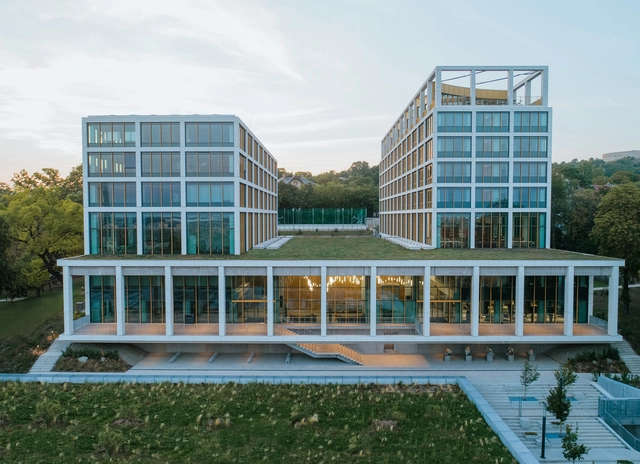
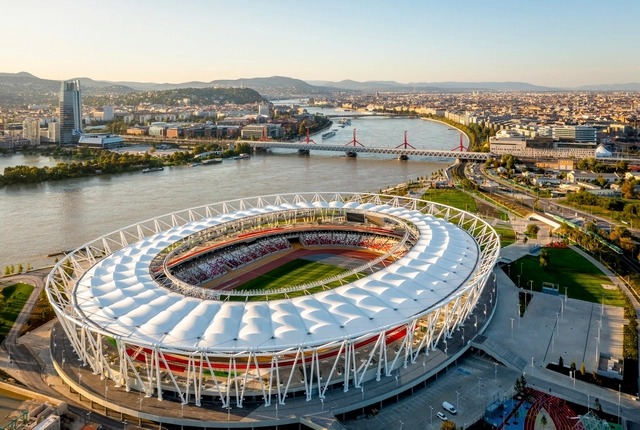
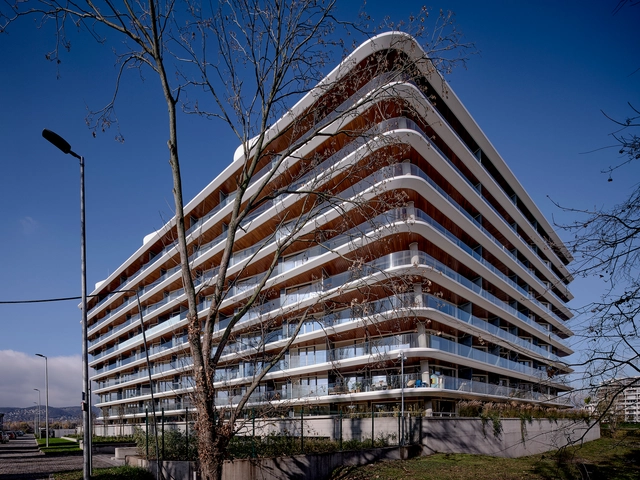
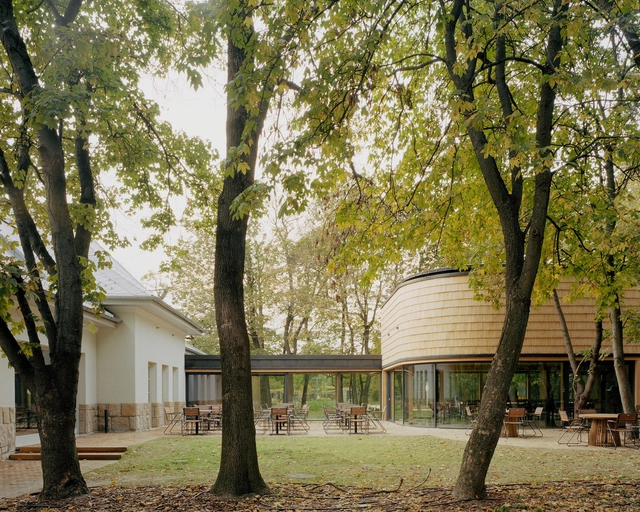
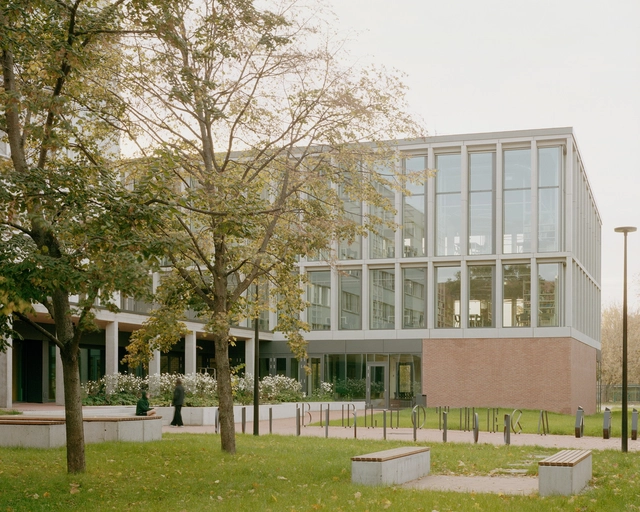
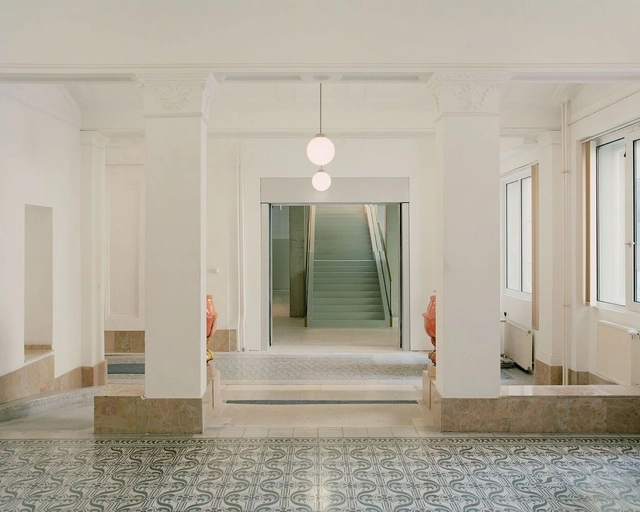
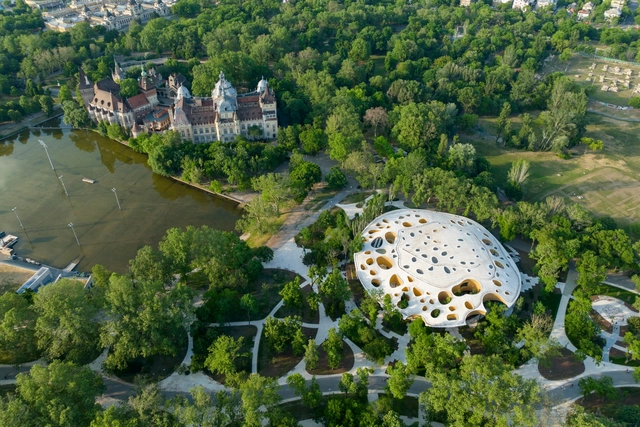
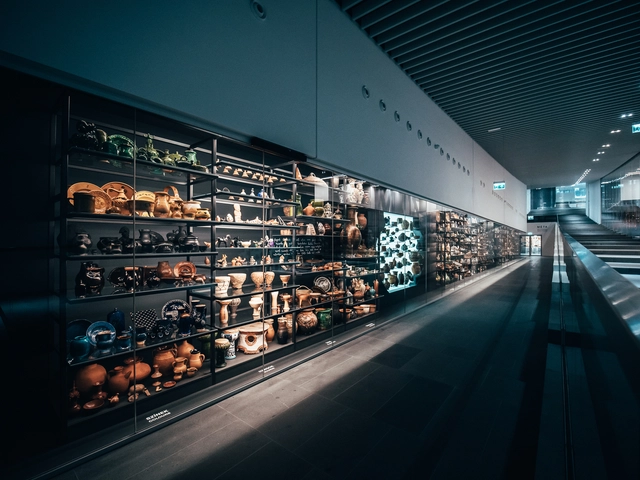
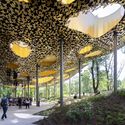
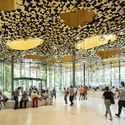
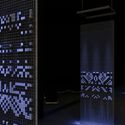
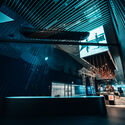
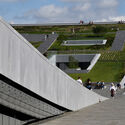
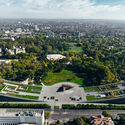
At this year’s Venice Architecture Biennale 2023, the Hungarian Pavilion focuses on a new museum building in Budapest, the Museum of Ethnography. The Museum was designed by Marcel Ferencz (Napur Architect) and completed in 2022 as one of Europe’s most notable cultural and urban development programs, the Liget Budapest Project. The exhibition in Venice, titled "Reziduum – The Frequency of Architecture" and curated by Mária Kondor-Szilágyi, will present the museum's collection through the digital medium. A short animated film titled Ethnozoom and an interactive computer program, the MotifCreator, will allow visitors to become familiar with Hungarian traditions and create their own motif compositions, thus contributing to worldwide community creation. The Hungarian Pavilion will showcase works by architect Marcel Ferencz, architect and composer Péter Mátrai, architect Judit Z. Halmágyi and light designer Ferenc Haász.