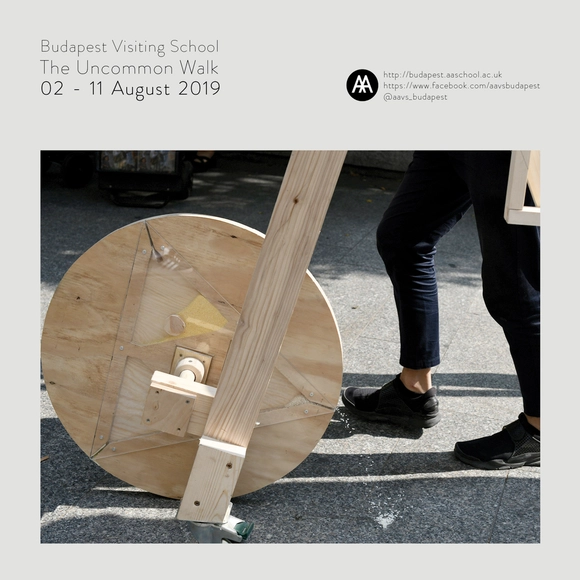
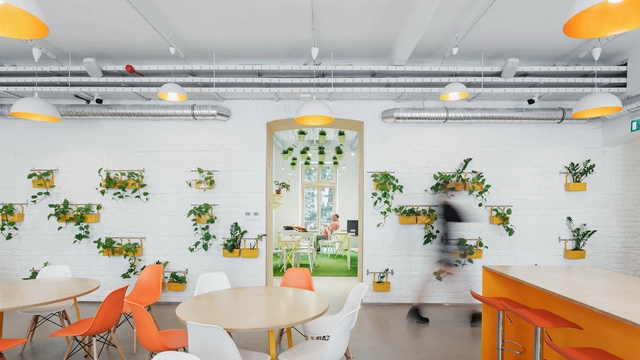
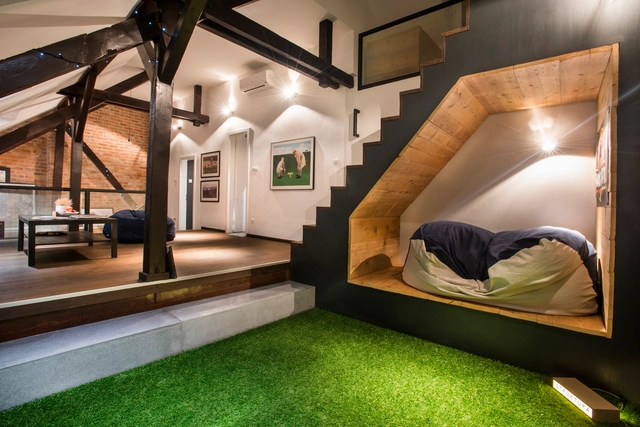
Budapest-based Visiting School, is part of the world most prestigious and renowned architectural school - Architectural Association (AA). It will take place from the 2nd of August to 11th of August this year. In collaboration with prominent art and architectural institutions, such as FUGA, KÉK, IVANKA, and HELLO WOOD, all work will be exhibited during Budapest Design Week.
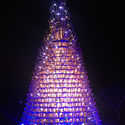
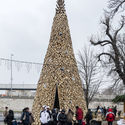
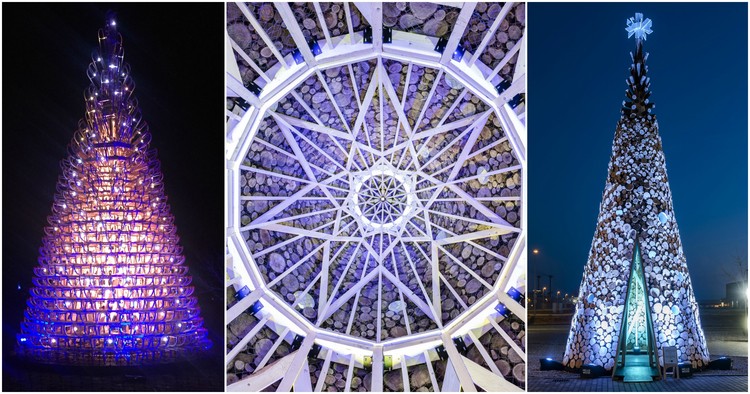
Budapest-based architectural firm Hello Wood has continued its annual tradition of constructing wooden Christmas trees, this year expanding the program with a total of 5 trees throughout Europe. In London and Vienna, trees made of sleds recall a design concept first used by Hello Wood in 2013; meanwhile, two locations in Budapest and in the Hungarian city of Kecskemét are witnessing the return of the firm's "charity trees," installations made of firewood which are later dismantled and distributed to families in need for the winter season.
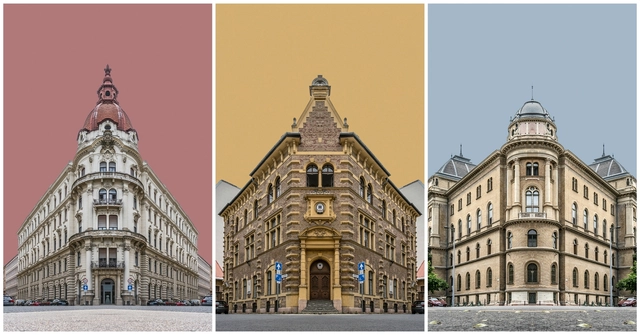
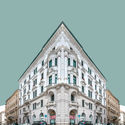
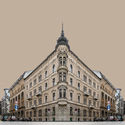
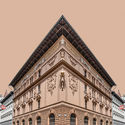
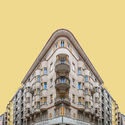
In his new series, “Corner Symmetry,” Hungarian photographer and printmaker Zsolt Hlinka captures some of his home city of Budapest’s most stunning buildings, manipulating them to make them appear as if they are perfectly symmetrical when viewed from the corner.
Overlaid on a variety of pastel-colored skies, the photographs are taken from extreme 2-point perspective, making the buildings appear to pop straight off the page. The study is a continuation of his Wes-Anderson-reminiscent series, “Urban Symmetry.”
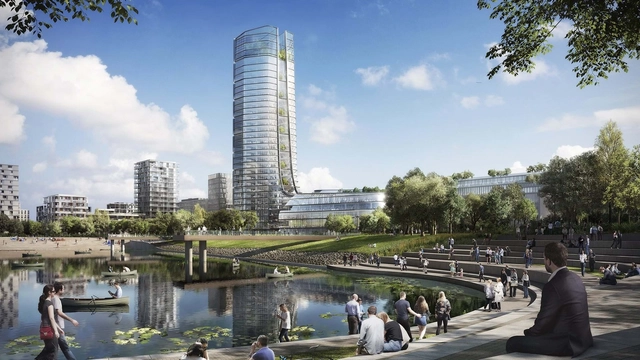
Foster + Partners have revealed designs for the sustainability-minded new headquarters of Hungarian oil and gas company MOL Group in southern Budapest. Known as MOL Campus, the plan will center on an environmentally-progressive structure located within in a park-like setting. When completed, it will become this city’s tallest building.
“This is a landmark project for several reasons, not only for MOL but also for Budapest,” said Nigel Dancey, Head of Studio, Foster + Partners. “It presents a unique challenge – to ensure that the building meets the functional needs of the organisation, follows the highest standards of sustainability, and is respectful of its historic surroundings.”
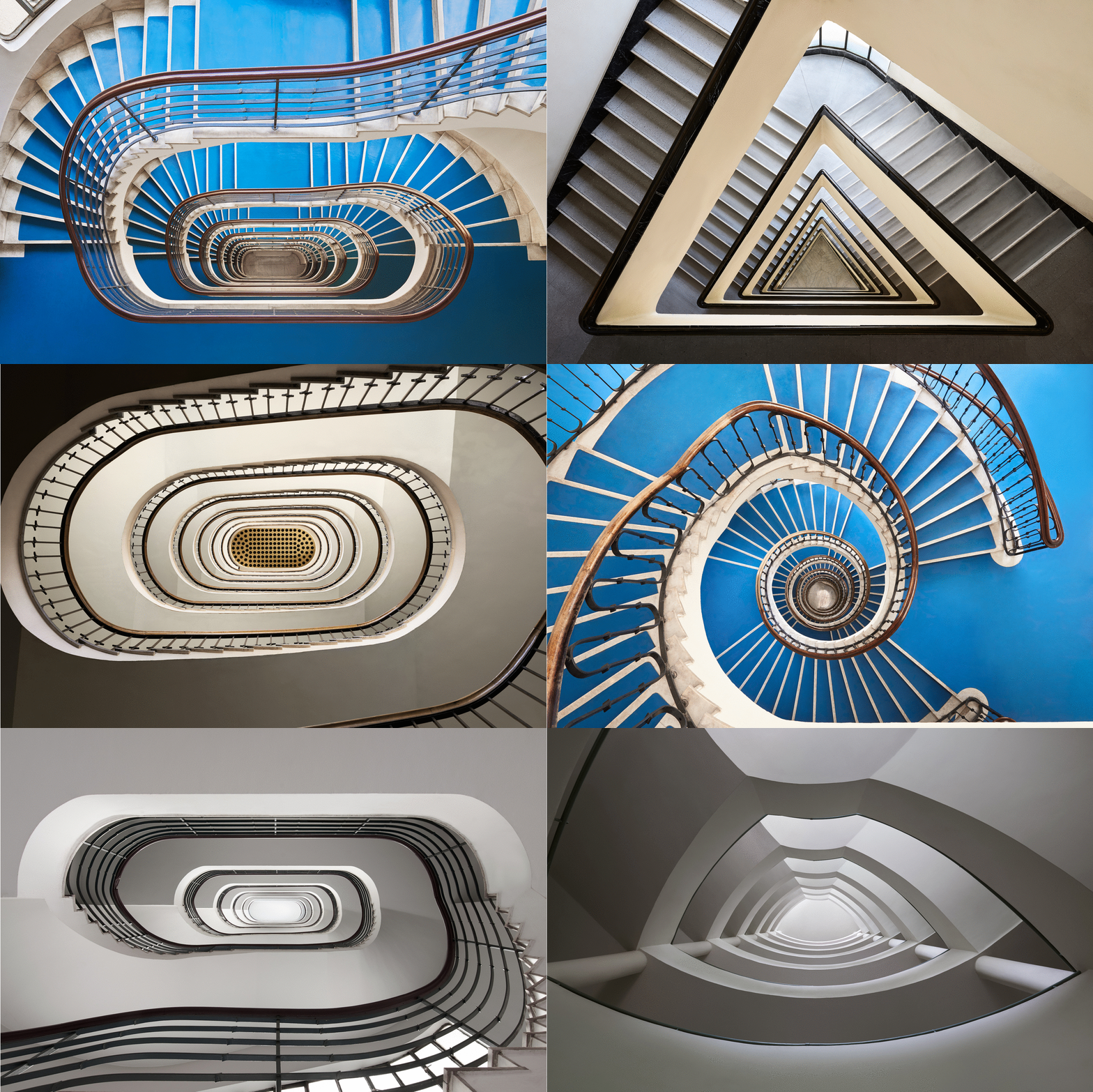
Fine arts and commercial photographer Balint Alovits has released Time Machine, his latest photo series documenting Art Deco and Bauhaus staircases throughout Budapest, Hungary.
Shown from the same central perspective, the photographs “create a new dimension by splitting space and time, staying within the visual limits of the project’s concept, while the perception of the architectural details evokes the idea of infinity.”
“I have always liked Art Deco and Bauhaus buildings,” said Alovits. “Whenever I step into one of these caracoles, I feel a certain pulling energy looking up from the bottom or down from the top. I wanted to collect and showcase all the different shapes and colors that these stairways feature.”
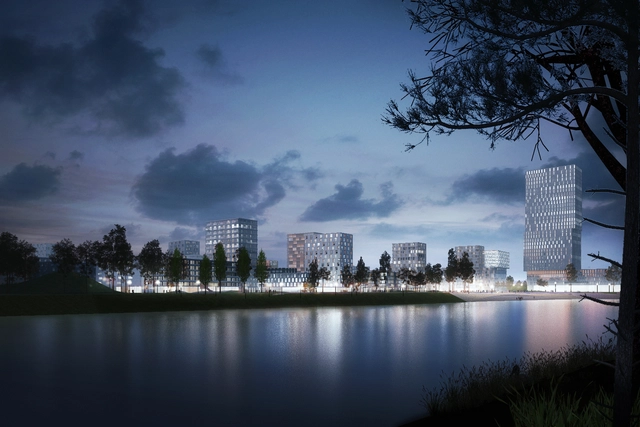
ADEPT Architects has won the commission to design a new masterplan for the Budapart neighborhood of Budapest, a project that will become the largest singular urban development in the city for nearly 30 years. Based on a distorted grid structure, the design will reference both historic and modern parts of the city, and will encompass 54 hectares of mixed-use space.
Located on the [‘Buda’] bank of the Danube River, the Budapart masterplan aims to create a green and human scaled neighborhood rather than just another new modern development. The fantastic location on the waterfront, the existing characteristic landscape qualities and the close vicinity to the central city are the main attractions that each generate huge potential to make the new neighborhood an epicenter of its own, described the architects in a recent press release.
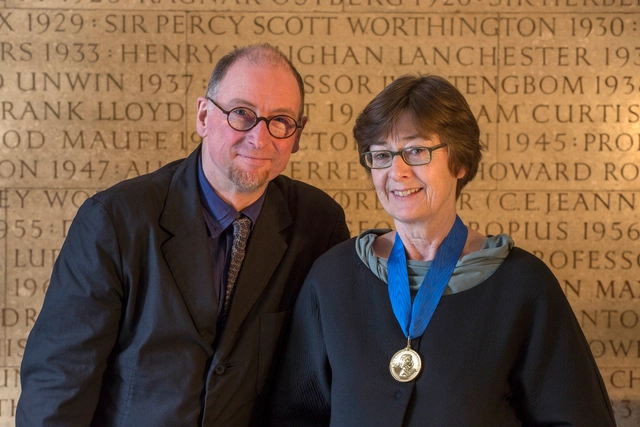
John Tuomey and Sheila O'Donnell - recipients of the 2015 Royal Gold Medal. Image Courtesy of RIBA
When Sheila O'Donnell and John Tuomey, who practice in partnership as O'Donnell + Tuomey, were named as this year's recipients of the RIBA Royal Gold Medal, a palpable collective satisfaction appeared to spread throughout the profession. No one could find criticism in Joseph Rykwert and Níall McLaughlin's nomination, nor the ultimate choice of the RIBA Honours Committee, to bestow the award upon the Irish team. Their astonishingly rigourous body of work, compiled and constructed over the last twenty five years, has an appeal which extends beyond Irish and British shores. A robust stock of cultural, community and educational projects, alongside family homes and social housing projects, leaves little doubt about the quality, depth and breadth of their mutual capabilities and the skill of those that they choose to collaborate with.
Read the conversation with the Gold Medallists after the break.
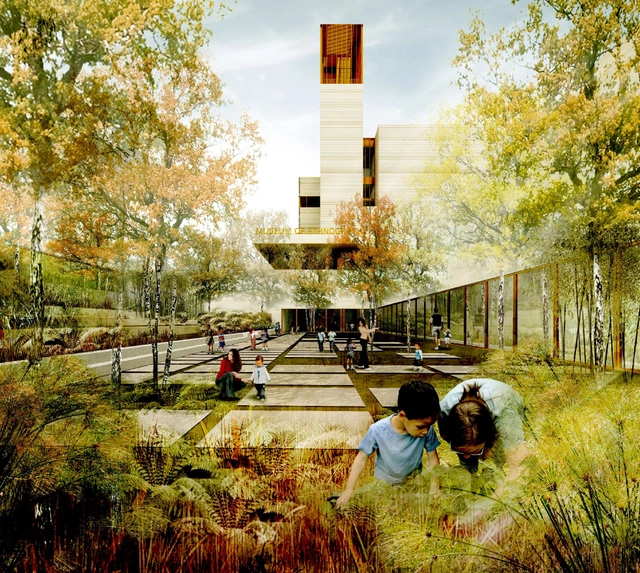
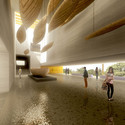
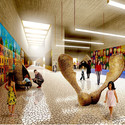
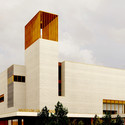
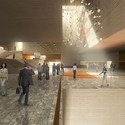
Recent participants in the Liget Budapest design competition, Graeme Massie Architects have taken home third place for their proposed Museum of Ethnography design. The museum, one of five museums planned for the Liget Budapest development, is located at the very corner of Budapest City Park and is meant to act as a welcoming landmark for the city. Graeme Massie fulfills this requirement in a unique fashion, creating a building that is instantly recognizable, but still manages to blend with its surroundings. Learn more, after the break.
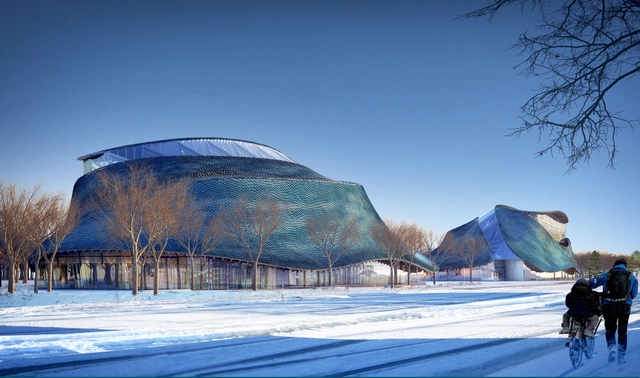
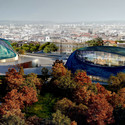
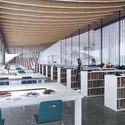
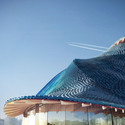
Taking home third place in the Liget Budapest competition, the Laboratory for Explorative Architecture and Design (LEAD) has proposed a colorful design for Budapest’s new photography and architecture museums. A stunning shade of blue, the undulating buildings will mark the entrance to Budapest City Park, and provide a new cultural hotspot for Hungary’s capital city. Learn more about them, after the break.