

-
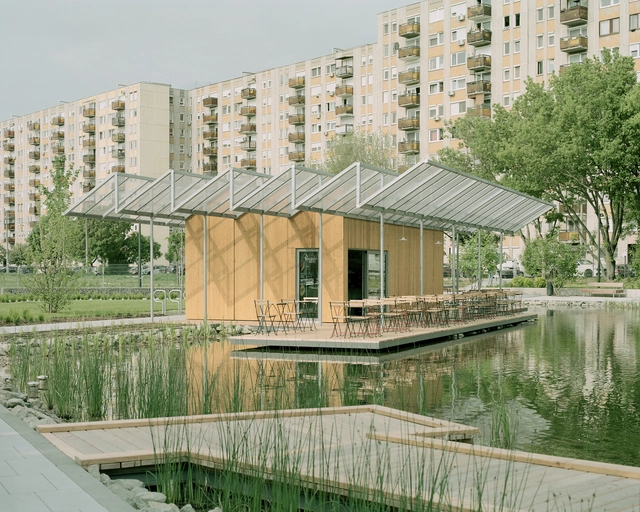
Architects: ARCHIKON ARCHITECTS
- Area: 1962 m²
- Year: 2021



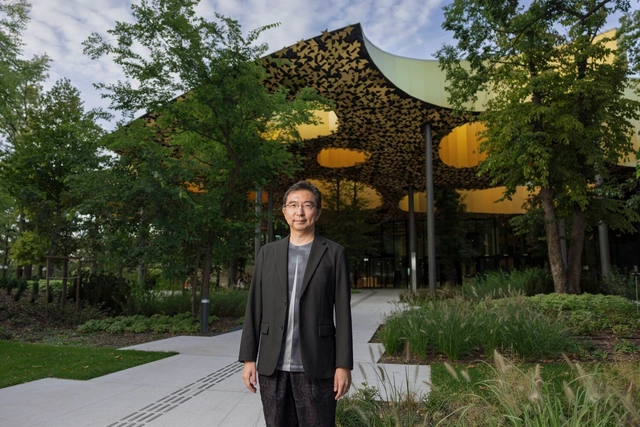
The House of Music Hungary is one of the biggest cultural investments in the European Union. Designed by Sou Fujimoto Architects, it is becoming a hub for city dwellers and worldwide visitors wishing to attend concerts, visit the exhibition or record music in the building's open studios.
ArchDaily editors first got in touch with the Liget Budapest Project in the summer of 2021 and were treated to an impressive site visit at the House of Music Hungary. We were among a few select invitees that caught a glimpse of the finishing phases at one of the city's major projects located in its 200-year-old park. Developers and contractors were racing to catch up on the time they’d missed due to the pandemic – a challenge they certainly fulfilled, with the project completed in less than six years and being opened to the public in December 2021.
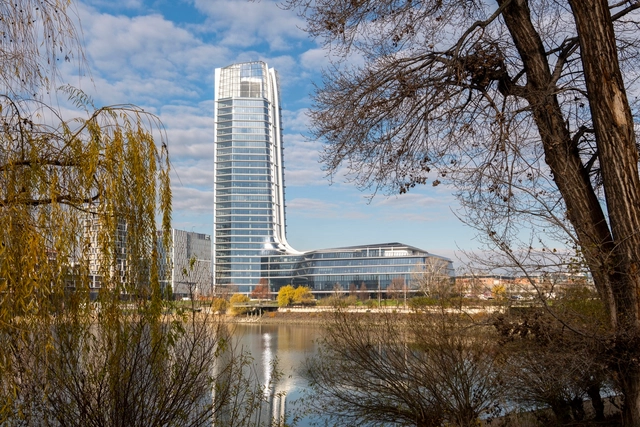
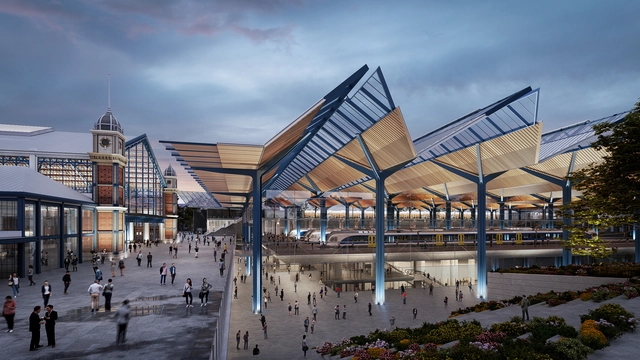
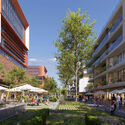
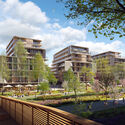
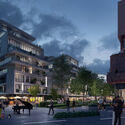
Grimshaw, in collaboration with Nautes Architects, WSP, Vogt and Turner & Townsend, have been awarded first place in an anonymous competition for the renewal of Budapest Nyugati Railway Station. Selected from a shortlist of 12 international design firms, the winning design creates a "permeable station campus" with a series of car-free streets, walkways, public squares and a park, which open up the station complex to the city and restores its significance as one of the most vibrant and historic cities in Europe.
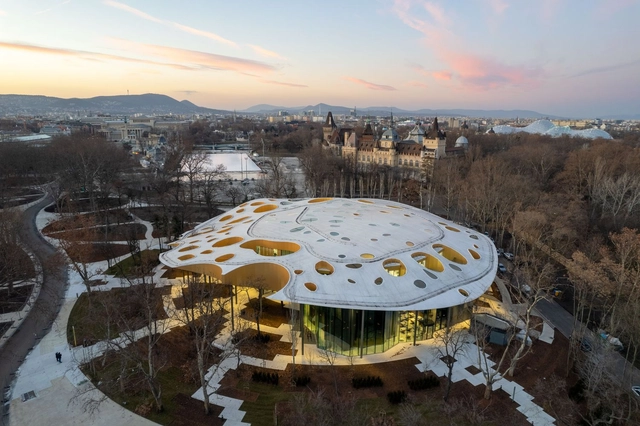
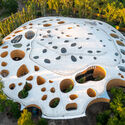
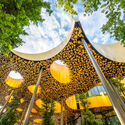
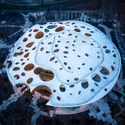
Sou Fujimoto’s House of Hungarian Music, a contemporary cultural landmark dedicated to music in Budapest's City Park has officially opened its doors to the public. Considered as one of the most anticipated buildings of the year, the project is nestled within the park's trees, and is designed as an extension of its natural setting through uninterrupted glass volumes and a perforated roof structure. The museum offers a unique artistic experience combining landscape, architecture, and exhibition design, all dedicated to the creation of music and sound.
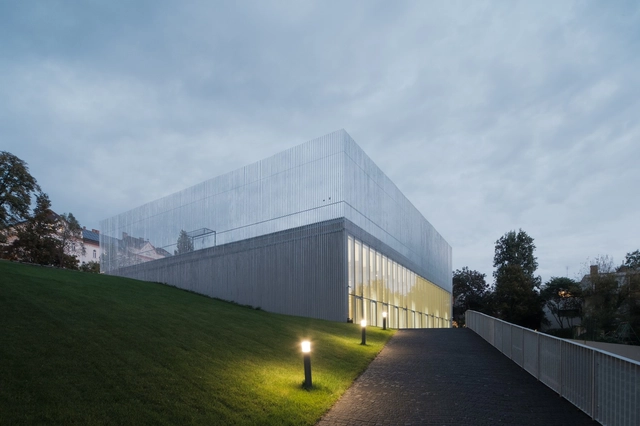

The city of Budapest, though Budapest Development Agency (BFK), launched an international design competition this autumn for the comprehensive renewal of the Budapest Nyugati Railway Station and its surroundings. The initiative seeks to expand the train station's capacity in order to reach Budapest's railway transport goals of doubling the number of trains on the suburban and metropolitan network. After an initial phase that attracted 36 participants, 12 practices were shortlisted for the second round of the competition, among which are Benthem Crouwel Architects, Grimshaw Architects, Zaha Hadid Architects, Foster + Partners, Kengo Kuma & Associates and Sweco.
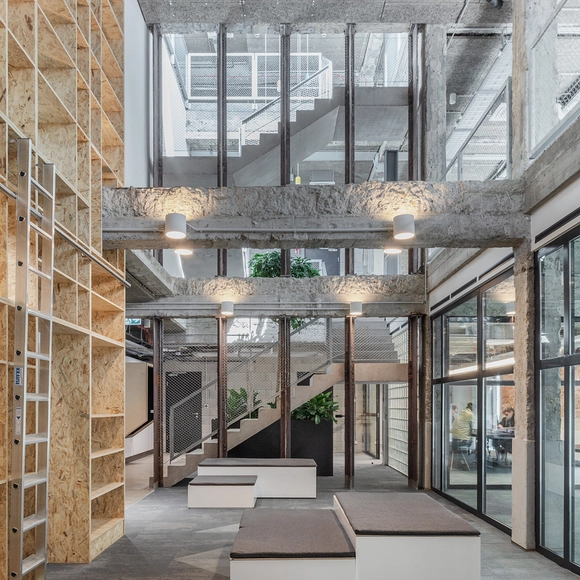


Zaha Hadid Architects reveals the winning design proposal for a mixed-use development in Budapest, comprising residential, office and retail functions, tied together by civic spaces and landscaped areas. The Zugló City Centre establishes a network of public squares and urban gardens that re-establish the natural ecosystem of Rákos Creek and connects the new development to the surrounding framework of parks and avenues.
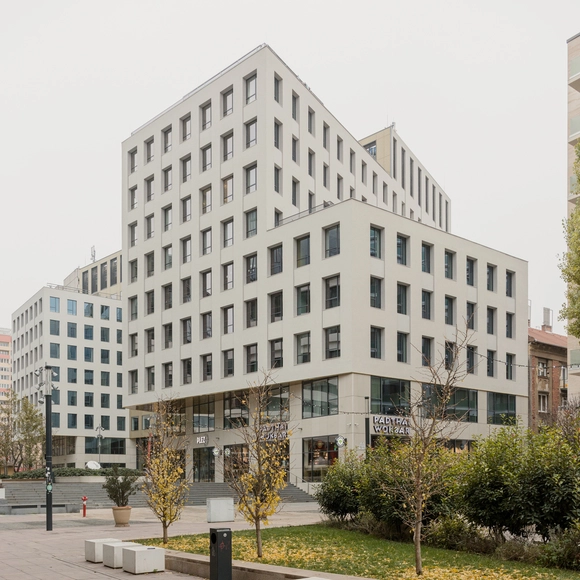
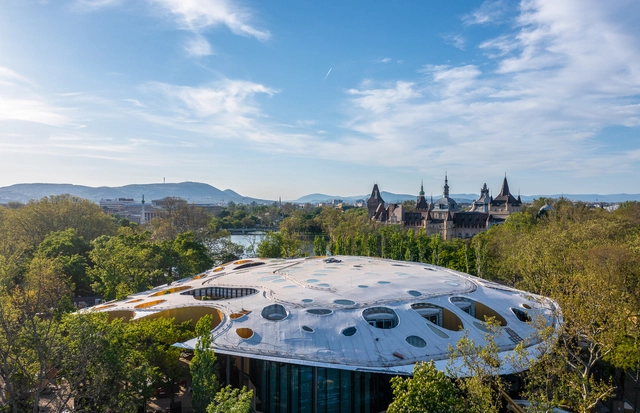
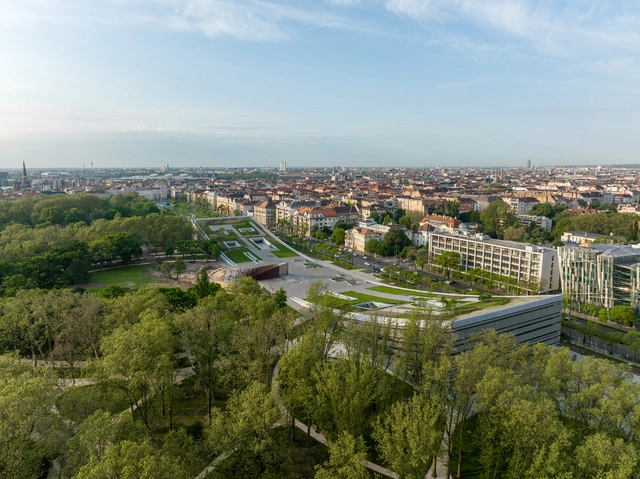
The House of Hungarian Music is taking shape within Budapest's City Park. With the structure and the design's distinctive roof completed, construction work is underway for the interior of the music hall. Nestled within the park's trees, the project designed by Sou Fujimoto features an extensive, horizontally uninterrupted glass volume topped by a perforated roof which allows natural light to penetrate all levels of the building.

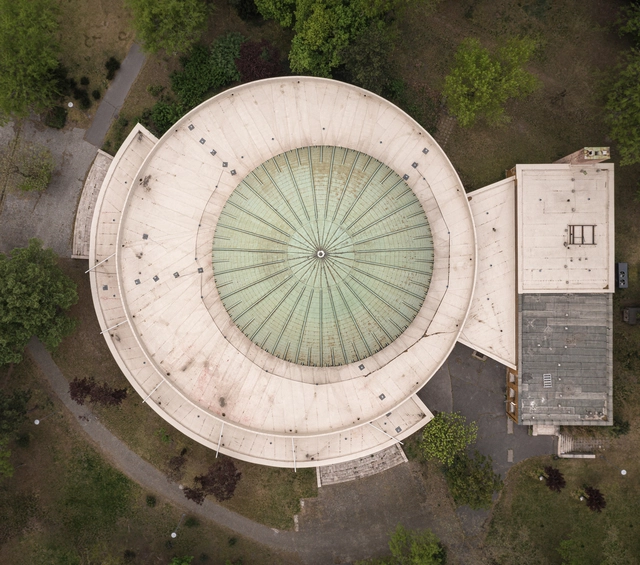
The Hungarian Pavilion at the 17th Venice Biennale explores the often challenging socialist architecture and looks at how this heritage could be reconsidered and given a new future. Titled Othernity – Reconditioning our Modern Heritage, the exhibition curated by Dániel Kovács presents twelve iconic modern buildings of Budapest and the visions of twelve architecture practices from Central and Eastern Europe for their reconditioning. The Hungarian Pavilion's project looks into how architecture can build on its past to foster resilience, sustainability and strong cultural identities.








.jpg?1643020143 "Courtesy of Liget Budapest Project")
.jpg?1643020177 "Courtesy of Liget Budapest Project")