.jpg?1614891485&format=webp&width=640&height=580)
.jpg?1614889444 "© Johnny Umans")
.jpg?1614892301 "© Johnny Umans")
.jpg?1614896949 "© Johnny Umans")
.jpg?1614891331 "© Johnny Umans")
.jpg?1614891485)
-
Architects: Edouard Brunet
- Area: 200 m²
- Year: 2020
-
Professionals: Neuf81, ALX Construct, Mus & Puccini



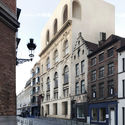
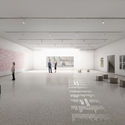
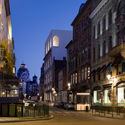
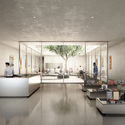
Barozzi Veiga, in collaboration with Tab Architects and Barbara Van Der Wee Architects, has just won the competition for the renovation of the Jewish Museum of Belgium. Discrete yet present and integrated into the urban fabric, as the jury stated, the proposal was selected from five shortlisted established and young architectural practices.

.jpg?1586139849&format=webp&width=640&height=580)
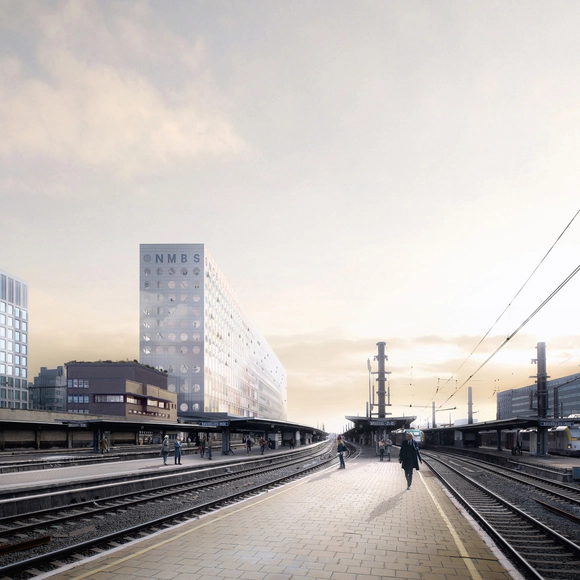
OMA and partner Reinier de Graaf, together with Jaspers-Eyers Architects, have won the competition to design the new headquarters of Belgium's National Railway Company in Brussels. The design preserves three monumental buildings in the Brussels-South train station along Fonsny Avenue. At 75,000 square meters, the headquarters project brings all departments under the same roof with work space for 4,000 employees.
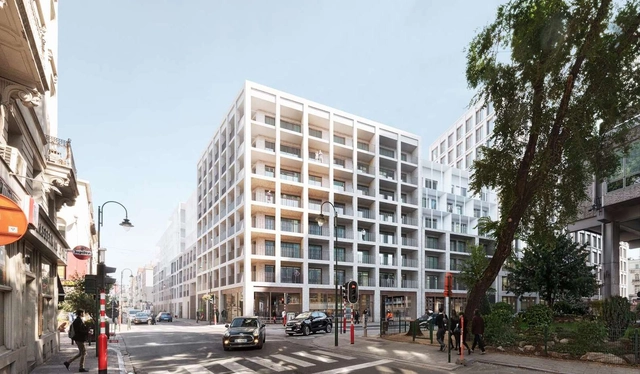
Henning Larsen has unveiled its vision for Brouck’R, a city block transformation project facing Brussels’ busy Place de Brouckère. Inspired by traditional and contemporary heritage, the proposal generates a 21st-century, vibrant, mixed-use destination in the city center.
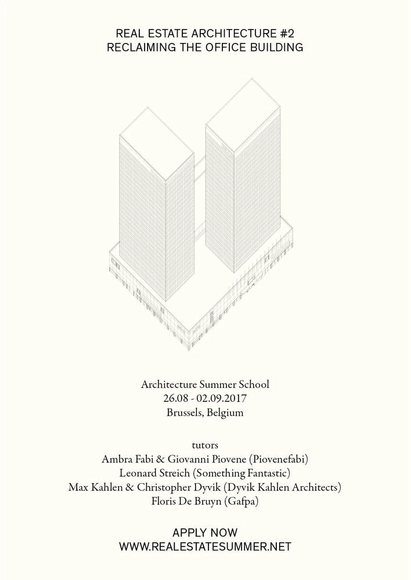
The international Summer School will take place in Brussels from from August 26th to September 2nd. Forty students and recently graduated architects will be invited to rethink the future of the office buildings, products of the real estate boom of the 1960s. Participants will be led by four talented architects: Piovenefabi (Milan), Gafpa (Ghent), Something Fantastic (Berlin) and Dyvik Kahlen (London).
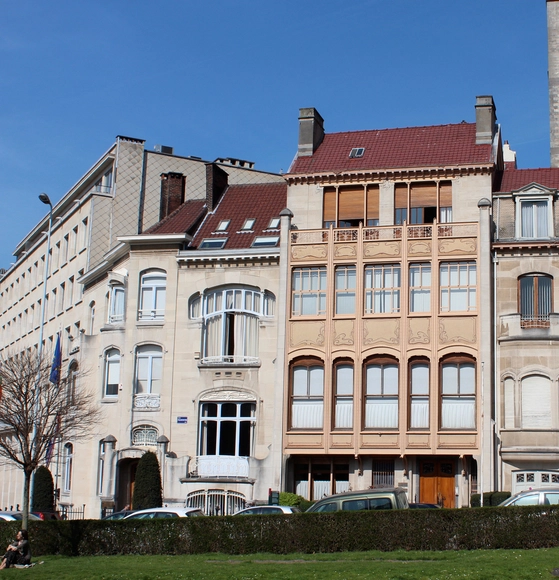
To the contemporary observer, the flowing lines and naturalistic ornamentation of Art Nouveau do not appear particularly radical. To some, Art Nouveau may even seem to be the dying gasp of 19th Century Classicism just before the unmistakably modern Art Deco and International Styles supplanted it as the design modes of choice. The Hôtel van Eetvelde, designed in 1897 by Victor Horta—the architect considered to be the father of Art Nouveau—suggests a different story. With its innovative spatial strategy and expressive use of new industrial materials, the Hôtel van Eetvelde is a testament to the novelty of the “New Art.”
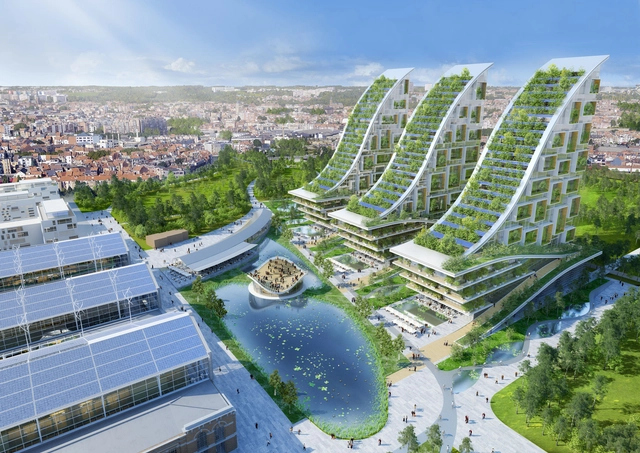
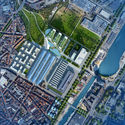
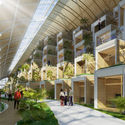
Vincent Callebaut Architectures has released plans for the development of a radical eco-neighborhood at Tour & Taxis, Brussels, Belgium. Covering an area of 135,000 square meters, the proposal will see the redevelopment of the early twentieth-century Gare Maritime, and the construction of three residential “vertical forests” reaching 100 meters in height. The architect’s ultimate vision is a neighborhood which embraces technological progress, sustainable building principles, and renewal of the built heritage.
Situated northwest of Brussels city center, and constructed in 1907, the industrial park at Tour & Taxis originally operated as a shipping and customs complex. Whilst the lifting of European customs borders has rendered its original function obsolete, the Gare Maritime (Marine Terminal) still embodies the architecture of the industrial era.








.jpg?1586140050 "© Stijn Bollaert")
.jpg?1586139763 "© Stijn Bollaert")
.jpg?1586139849 "© Stijn Bollaert")
.jpg?1586139696 "© Stijn Bollaert")
.jpg?1586139849)