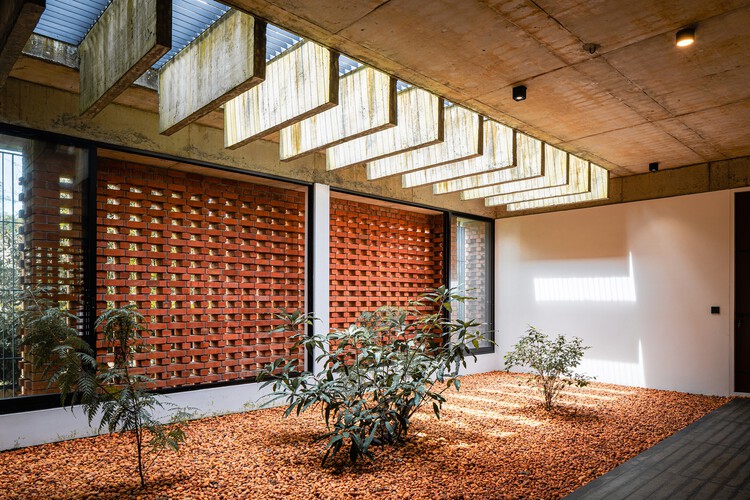
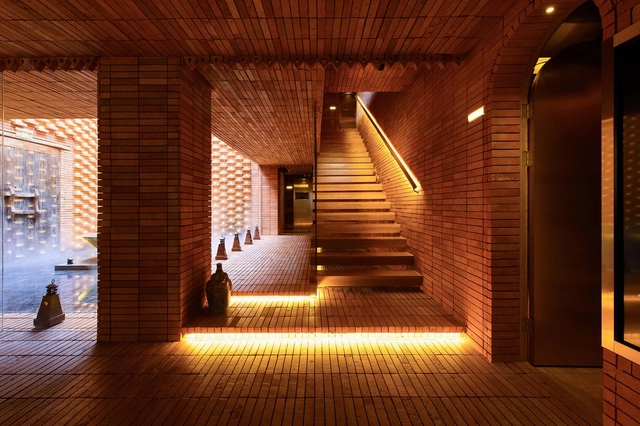
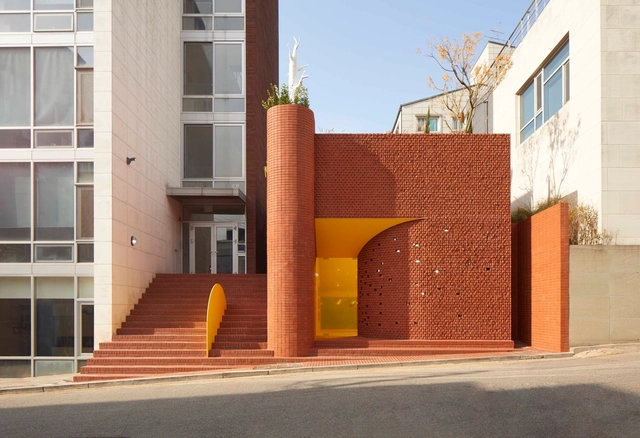
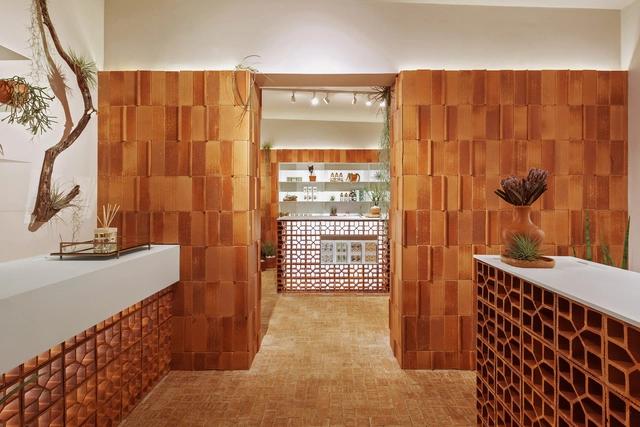
A brick façade does more than define the façade of a house. When designed as a porous screen, it becomes an intermediary between inside and outside, shaping the atmosphere and environmental conditions of the spaces behind it. Across contemporary Indian residential architecture, brick jali — a perforated or lattice brick screen — has been reinterpreted with a contemporary sensibility, drawing on vernacular architectural elements.
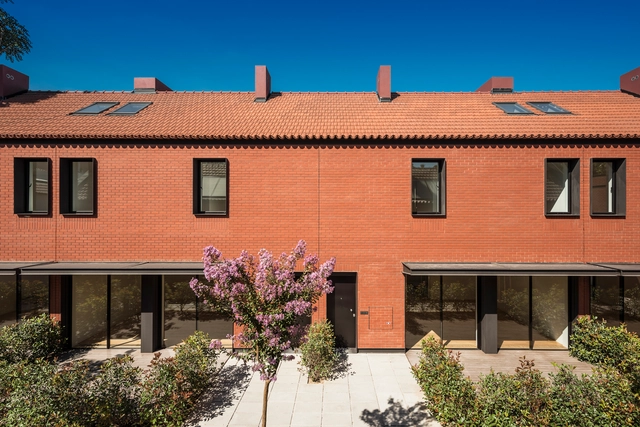
Brick is a traditional building material that enhances durability, versatility, and the aesthetic appeal of building design. Used in construction for thousands of years, contemporary architecture explores creative ways to incorporate brick into design, combining it with different materials to seamlessly integrate the old and the new. Traditionally composed of clay, these rectangular-shaped elements are also heavy-duty materials suitable for use in both load-bearing and non-load-bearing walls.
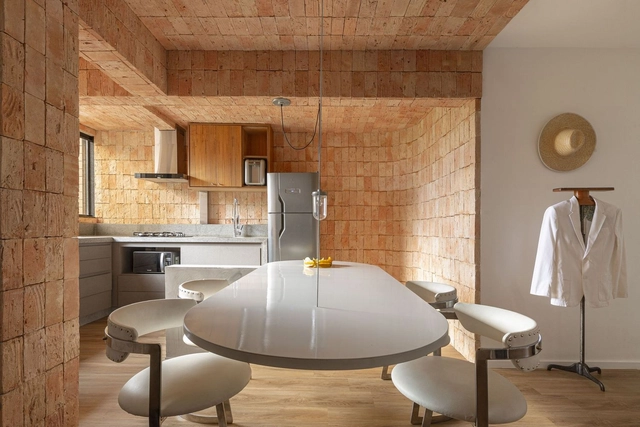
Delving into lighter alternatives, thin brick –with minimum thicknesses of approximately 1/2 inch (13mm)–combines the technical and aesthetic qualities of traditional brick with the advantages of being lightweight and space-efficient. In various colors, sizes, and textures, thin brick can be applied to diverse surfaces, such as walls and facades, without additional structures. The Brick Industry Association showcases interior and exterior projects, developing practical guides and solutions for achieving the classic, timeless look of brick masonry, along with design flexibility and easy installation.
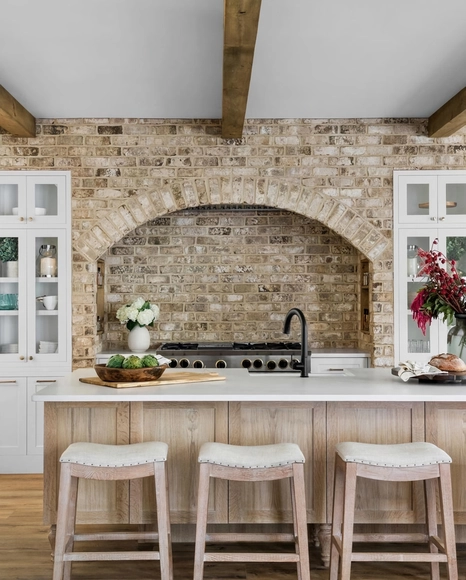
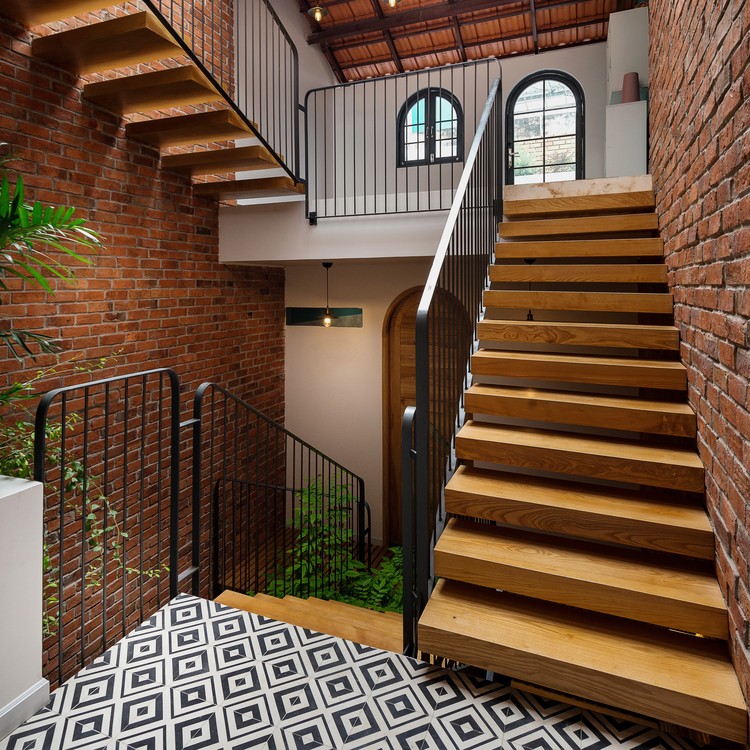
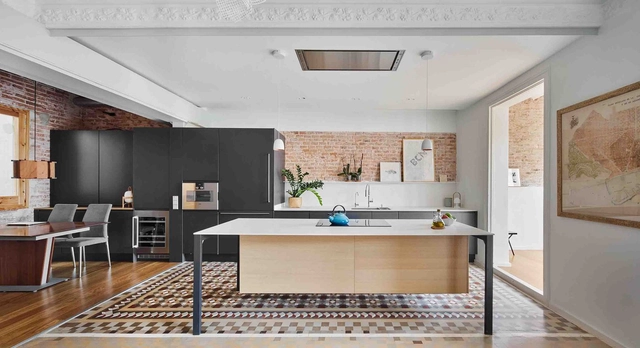
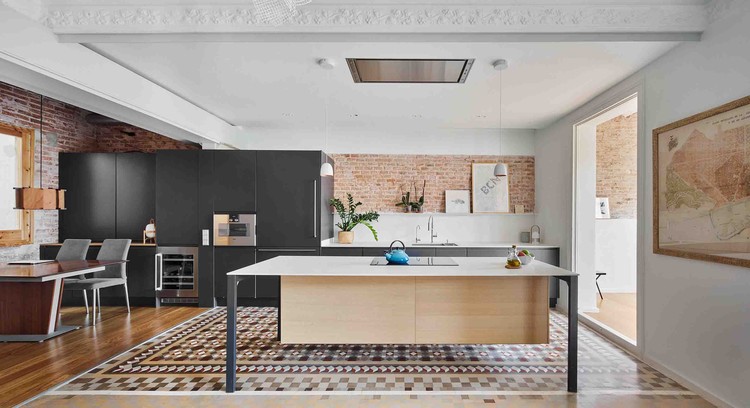
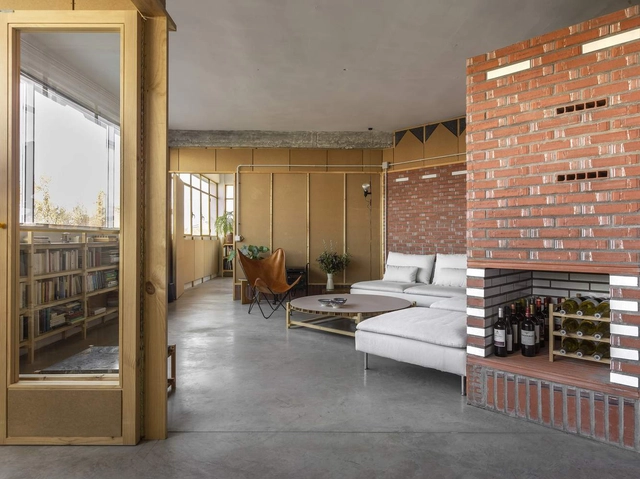
There is no material more diverse and timeless than brick - which can be seen as a staple in both ancient and modern architecture. In many cases, stripping away the drywall of a historical building can reveal beautiful brick walls, which bring a great deal of texture, warmth, and character into a living space. Whether left raw or painted, the look lends itself to a range of styles from rustic to industrial.
The use of brick plays a very important role in the architectural history of the United Kingdom. Construction techniques that involve brick and stone have been in constant progress. In fact, brick production improved over time, making the material the most popular one in the construction industry. From the 18th century onwards, brickwork was predominantly used in domestic and industrial architecture, but later on, it was introduced to the structure of warehouses and factories, as well as other various forms of infrastructure.
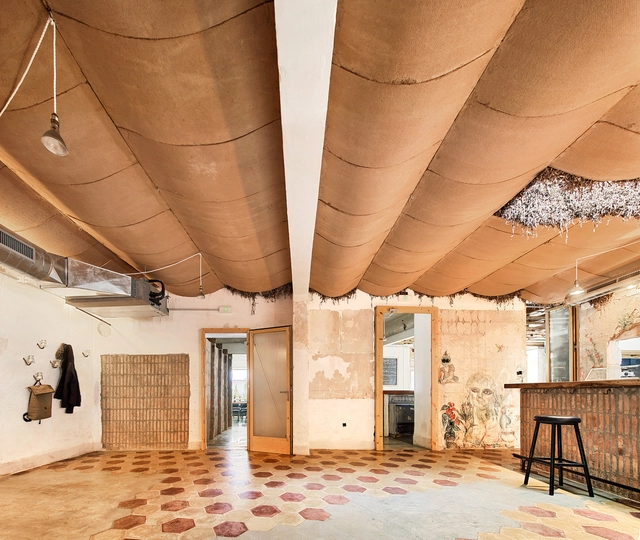
While many of these buildings are still operating to this day, it comes as no surprise. Refurbishment and reuse are highly recommended techniques, and in many cases, the only methods to maintain densely populated European cities. Therefore, the challenge lays in reusing these buildings and recycling the materials available, always trying to retain as much of the original structure as possible.