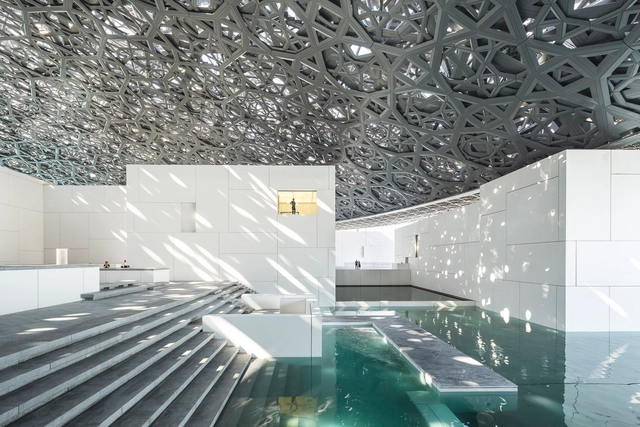
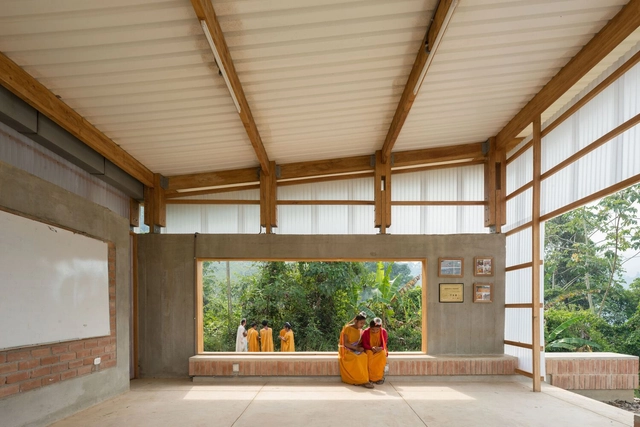
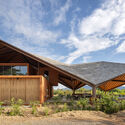
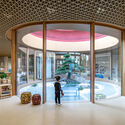
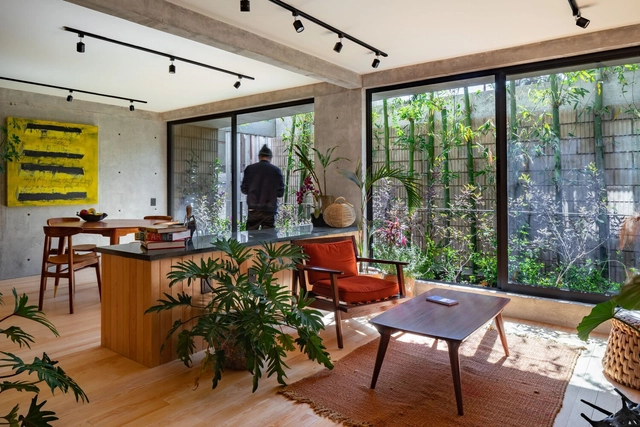
Across geographies and generations, architects are rethinking the idea of home, balancing personal expression, contextual sensitivity, and material clarity. These contemporary residential proposals, submitted by the ArchDaily community, reveal how the house continues to evolve as both an architectural statement and an intimate landscape for living. From the sculptural and futuristic to the grounded and vernacular, they explore how built form balances between identity, environment, and lifestyle in an increasingly complex world.
The noise of overlapping conversations, the flashing lights of a billboard, hurried footsteps on the sidewalk, and the constant hammering of a nearby construction site: public spaces are sometimes experienced as environments where stimuli accumulate and often overwhelm us. Each person perceives and responds to these sensory inputs differently, and recognizing neurodiversity means understanding that some individuals require more time to adapt, slower-paced journeys, or more gradual interactions with their surroundings. These encounters raise fundamental questions about contemporary public space: how can it accommodate the diversity of ways people perceive and inhabit it? How can we envision it as a space that embraces all ways of experiencing it?
In the United States, nearly 1 in 10 children are affected with asthma, a condition with rates significantly higher in urban areas of the country. However, in a community just outside Atlanta with a population of more than 300 children, not a single case of the condition has been reported. This is by design. Most cities and neighborhoods across the country are not designed with human biology in mind, an oversight that contributes to the growing prevalence of cardiovascular disease and mental health challenges. Are we treating chronic conditions as purely medical, when they may actually be symptoms of poor design?
The term "biophilia" understandably conjures images of buildings engulfed by vegetation and integrated into natural landscapes. In modern architectural discourse, the concept has come to be associated with the incorporation of greenery into built environments, yet such applications represent only a sliver of biophilic design's true scope. Inarguably, nature plays a central role in biophilic design. However, its influence stretches to often-overlooked strategies that involve spatial configuration and environmental patterning. "Invisible" biophilia frequently leads to positive health outcomes for occupants, working impactfully beneath the surface.
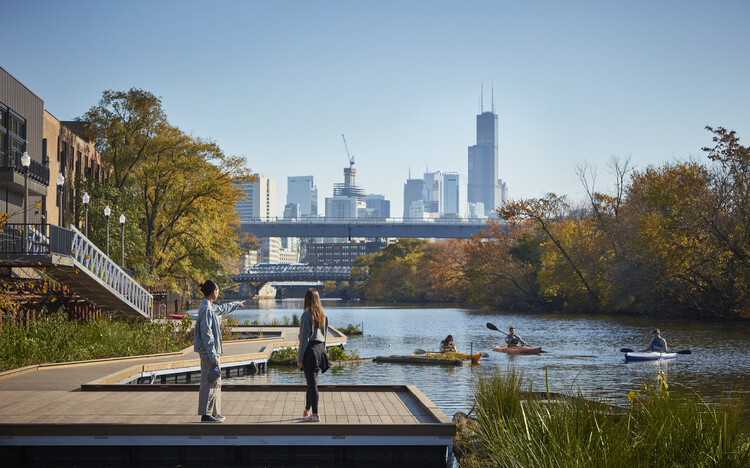
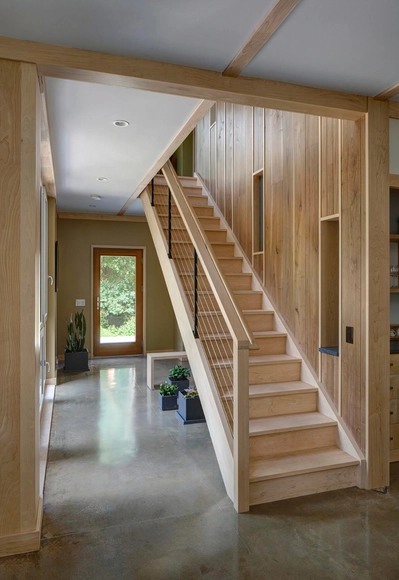
Acorn Glade Passive House. Image Courtesy of Tom Bassett-Dilley Architects
When addressing the world's broader problems—such as the climate emergency, energy crisis, and housing shortage—, we often seek sweeping, grand solutions that could tackle them all at once. As alluring as these ideas may be, they eventually run into the thousands of complexities and interconnections our world presents. But what if we sought more decentralized and domestic solutions? Chicago-based firm Tom Bassett-Dilley Architects has been pursuing just this, focusing on sustainable design, carbon-free and energy-efficient projects for residences, historical buildings, institutions, and commercial projects. In their Manifesto: The New American Dwelling, they argue that the single-family home, once the great American dream, needs to be redefined to emphasize minimalism, efficiency, health, connection with nature, durability, and personal kindness, moving away from wasteful, artificial, and toxic practices. We spoke with Tom Bassett-Dilley, FAIA, CPHC, LFA, and founder of the firm, about some aspects of their work.
When we think of the word "tropic," the image that typically comes to mind is an exotic space, characterized by perpetual warmth and humidity, with frequent and heavy rainfall nurturing lush vegetation. Throughout history, this tropical climate has been romanticized as a paradise and criticized for potentially fostering weakness due to its perceived clemency.
Thankfully, those judgments and associations have been relegated to the past, paving the way for theoretical and practical projects that outline the advantages and disadvantages of living in a tropical climate. These projects acknowledge the various strategies to enhance human adaptability within these distinctive climatic conditions.
Silent and endless hallways, white and cold rooms, an impersonal and distant atmosphere: this is a deeply ingrained image in our cultural conception of hospital environments. The whiteness of these spaces, attempting to reinforce the necessary notions of sterility and cleanliness, may also evoke a sense of discomfort and anxiety for patients and their families.
The importance of humanizing hospital, clinic, and office projects is an increasingly discussed and relevant topic in healthcare, extending far beyond the aesthetics of these buildings. It is necessary to create welcoming environments that promote the well-being of patients, families, and professionals, recognizing that architecture can play a fundamental role in the recovery and comfort of these individuals during moments of vulnerability.
As the temperature drops in the Northern Hemisphere, cold outdoor spaces are overcome with frost, ice, and snow, and we find ourselves rushing from one heated indoor environment to the next, less willing or less able to stop and appreciate the natural world around us.
Apart from dragging a spruce or fir tree inside and dressing it up in yuletide costume, we tend to leave the real natural world to its own seasonal devices until it reemerges in Spring. However, by inviting the positive effects of plant life into our homes, we can improve both our mental health and the air we breathe by filling them with peace and joy all year round, not just at Christmas.
Nowadays, we spend over 90% of our time indoors, and it is becoming increasingly evident that architecture has a profound influence on our brains and bodies. The interest in comprehending how the environment affects human well-being is on the rise, with a growing number of new studies on this subject emerging each year. Moreover, architecture firms are increasingly enlisting the expertise of researchers and human experience design consultants to explore and optimize these effects.
In today's fast-paced and highly connected urban environment, people are increasingly realizing the vital importance of nature in improving both our physical and emotional health. This awareness directly impacts the quality of the spaces where people reside. Discussions and studies on topics such as neuroarchitecture and biophilia are becoming more prominent in the field of modern architecture and interior design. These discussions prompt us to think critically about the deliberate and mindful selection of design elements that shape our shared living environments.
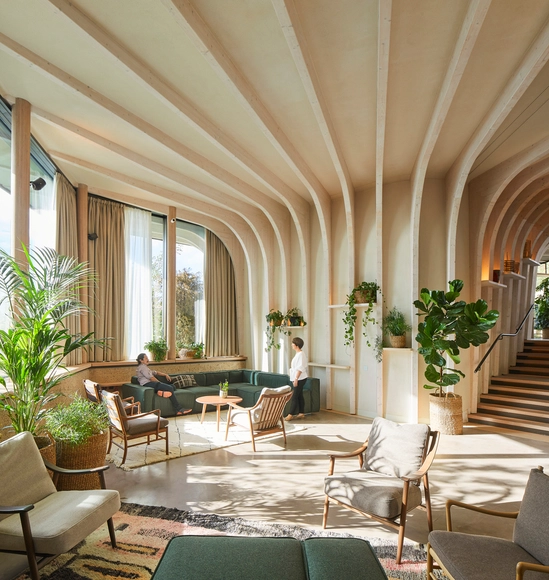
In this scenario, the use of materials such as wood, whether in residential, commercial, or corporate environments, has shown positive effects on how we feel and experience the spaces by eliciting a connection with the natural environment, reconfiguring the way we perceive our living and working spaces and how we are affected by them. By incorporating wooden elements, we can create places of greater tranquility that allow us to disconnect from the stress and busyness of urban life.
As has become customary in recent years, on the first Monday of October, we celebrate both World Architecture Day and World Habitat Day, serving as a reminder to the global community of its collective responsibility for the well-being of the built environment. This edition, like its predecessors, sheds light on the realm of architecture and the challenges faced by our cities, introducing new themes, contemplating the state of our urban areas, and proposing constructive strategies.
Since urban economies have encountered significant difficulties this year, the UN's World Habitat Day focuses on "Resilient Urban Economies: cities as drivers of growth and recovery." Launching Urban October, this event seeks to bring together diverse urban stakeholders to deliberate on policies to help cities recover after the dual economic impacts caused by the COVID-19 pandemic and conflicts worldwide. Aligned with this concept, World Architecture Day, created by the UIA in 1985, has chosen to concentrate on "Architecture for Resilient Communities," emphasizing the role and duty of architecture in fostering thriving community existence while initiating a global dialogue regarding the interconnectedness of urban and rural regions within every nation.
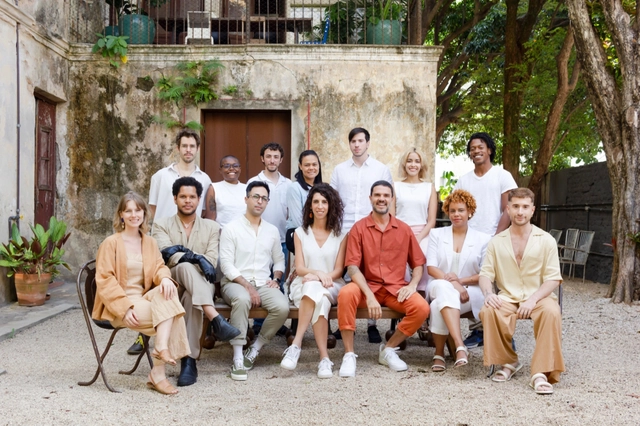
Equipe do Estudio Guto Requena. Photo Courtesy by Guto Requena.
During July, we delved into the Design Process as our monthly topic. Inspired by practices that intersect various uncommon layers in their creations, we talked with architect Guto Requena. When designing, his studio experiments with different digital technologies through a sustainable lens and with a keen eye on social issues, aiming to deliver innovative and emotional experiences. Today, the architect boasts numerous national and international awards, including the ArchDaily Building of the Year and the UNESCO Prix Versailles.
In the interview, Requena shares his journey, highlighting the diversity of his team as a critical innovation point in his firm. He also addresses crucial questions about fostering innovation and creativity with new materials in architecture, among other topics.
Landscape architecture is having a moment. The latest proof: last week, the US Department of Homeland Security decided to accredit the field with its prestigious STEM designation. As part of the science, technology, engineering, and mathematics (STEM) educational disciplines that fall under this category, landscape architecture students can now spend an additional 24 months seeking employment and training post-graduation in the United States after an initial period of a year granted to all graduates. The title also promises more prestige, higher entry salaries, and additional career flexibility. Torey Carter-Conneen, CEO of the American Society of Landscape Architects (ASLA), calls the development a significant advancement for 'landscape architecture education and practice, and that is great for America and the global community.'
The news corresponds to a growing emphasis on landscape architecture as a pivotal practice around the globe in recent years – one that is closely connected to notions of public health, environmental design, biophilia, sustainability, and re-wilding. It also underlines the intimate relationship between technology and the discipline. Landscape proposals increasingly rely on advanced science and technology to predict how ecological interventions might alter an existing terrain and determine what measures will yield the highest benefit for both humans and nature. The contemporary ideal of wild meadows and biodiverse forests may exist free from external influence, but the path to get there requires assistance.
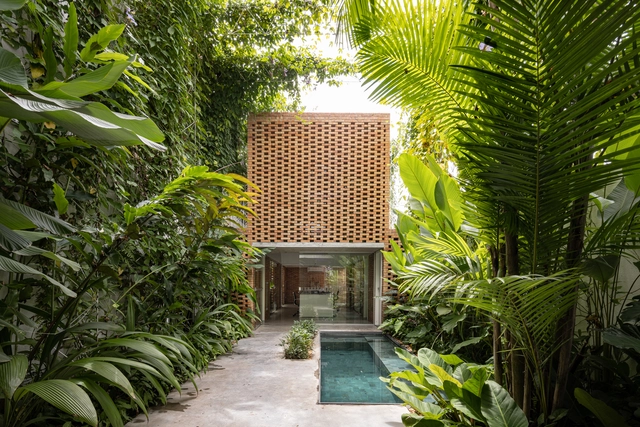
Biophilia, or love for life and nature, inspires architects around the world to create spaces that deeply connect with natural elements. These architectural projects seek to reintroduce nature into built environments, resulting in spaces that promote well-being, health, inspiration, and even productivity. In Brazil, the possibilities are even broader, given the country's exuberant climate and the vegetation found in various biomes. In this article, we will explore seven projects from different programs that embrace this concept and allow for a symbiosis between architecture, humans, and nature.
A healthy environment that is also visually appealing in our homes has become increasingly sought when it comes to designing houses and residential spaces, especially during the world’s current context. One of the most successful ways of achieving this is through a thoughtful design of the landscape that complements the built project. The art of landscaping is the arrangement of nature’s raw material elements, like vegetation and planting, combined with nonliving elements, such as exterior structures, paving, and decking, in order to create site-specific solutions that enhance the exterior spaces of a project.
Architecture has always had a complementary - occasionally codependent - relationship with water. The Roman Domus, the Baths of Diocletian and Caracalla in Rome, and Villa Adriana in Tivoli are some prominent historical examples of how water influenced the design of compositional architecture. In a more modern context, Frank Llyod Wright designed a residential retreat in which water is its protagonist, redefining the relationship between man, architecture, and nature. Nowadays, as architects shifts their focus towards a more contextual, sustainable, and user-oriented practice, the use of water in architecture has become indisputable; cooling interior spaces, providing natural air conditioning when combined with plants, exuding a sense of tranquility, and serving as an organic decorative element.
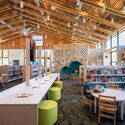
Environments that inspire, promote well-being and stimulate a connection with nature. Biophilic landscaping in education spaces recognizes the importance of this bond for student development, as it benefits well-being, academic performance, and people's health. We have selected eight projects that bring natural elements to the classroom or that place students directly in nature to illustrate the qualities in these spaces.
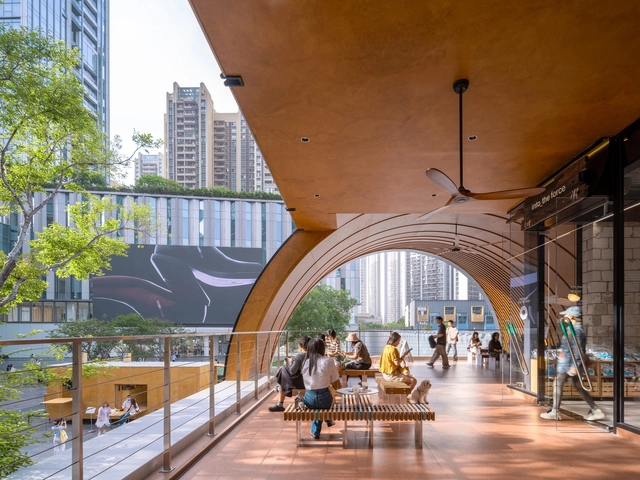
Since the earliest civilizations, nature has been a mainstay in serving as a natural habitat for humankind, providing shelter, food, and medicine. In modern times, industrial and technological revolutions took over the landscape, restructuring the way humans interact with nature. However, today, due to the events we have experienced as a society, it is necessary to focus on creating cities and spaces that integrate nature into our daily lives.




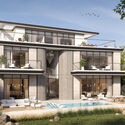

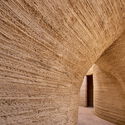




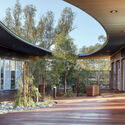
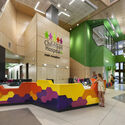
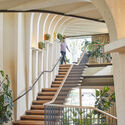

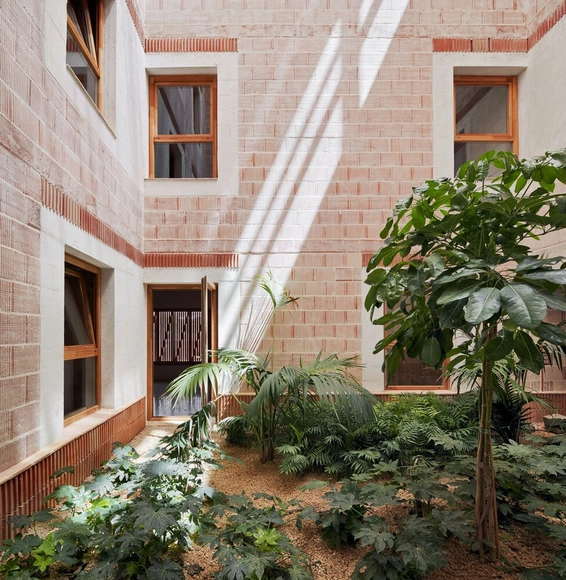












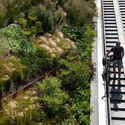
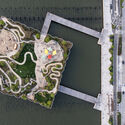

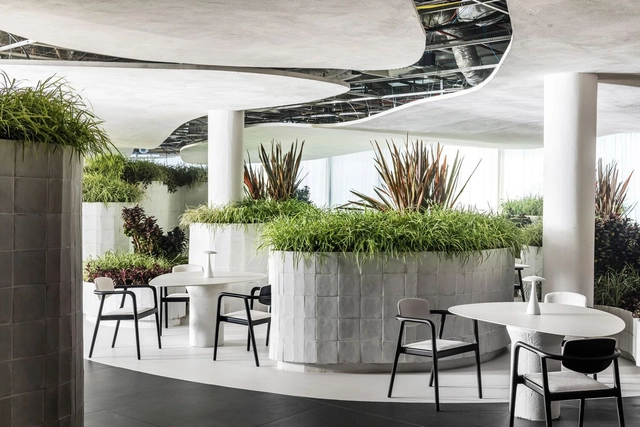


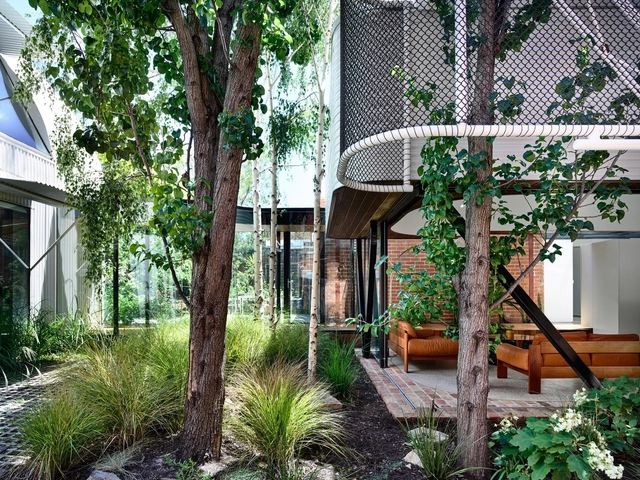
_Frans_Parthesius__-_02_Villa_Fifty-Fifty_Design_Studioninedots_Photography_Frans_Parthesius.jpg?1620679031 "© Frans Parthesius")
_Jeremias_Thomas_MeMo_House_IMG_2037_01.jpg?1620678960 "© Jeremias Thomas")

_Peter_Eckert_01_-_04_Hood_River_Residence.jpg?1620679227 "© Peter Eckert")