Architecture is the design of spaces for human occupation. Despite architects’ skill in designing spaces to influence human behavior there often is a shortfall in anticipating and reacting to occupants’ behavior. To create environments that boost well-being, productivity, and social engagement, a symbiotic relationship between buildings and human behavior must be fostered. The intersection of architectural and anthropological studies forms an insightful framework for the design of physical spaces informed by human behavior and cultural context.
In anticipation of the 2018 Conscious Cities Festival this October, we are delighted to announce an open call for submissions to its official publication - showcasing the diverse and impactful thinking by Conscious Cities practitioners.
While many architects have long clung to the old “form follows function” adage, form follows brain function might be the motto of today’s advertisers and automakers, who increasingly use high-tech tools to understand hidden human behaviors, and then design their products to meet them (without ever asking our permission!)
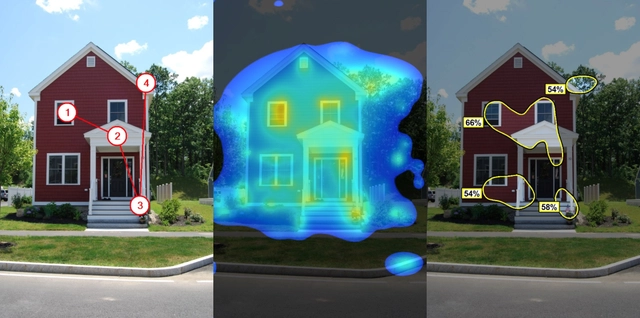
Biometric tools like an EEG (electroencephalogram) which measures brain waves; facial expression analysis software that follows our changing expressions; and eye-tracking, which allows us to record “unconscious” eye movements, are ubiquitous in all kinds of advertising and product development today—beyond the psychology or medical departments where you might expect to see them. These days you’ll also find them installed at the behavioral research and user experience labs in business schools such as American University in DC and Worcester Polytechnic Institute (WPI) in Massachusetts.
What happens when you apply a biometric measure like eye-tracking to architecture? More than we expected...
https://www.archdaily.com/884945/heres-what-you-can-learn-about-architecture-from-tracking-peoples-eye-movementsAnn Sussman & Janice M. Ward
Do we prefer straight lines or curves? According to Eric Jaffe's article on Fast Co.Design, it seems we subconsciously prefer the latter. Our brains, he claims, have evolved to perceive potential threat in sharp edges. "Square watches, pointy couches, and the like activate the amygdala. The part of the brain that processes fear." Thus, our feelings, buying habits and favorite buildings are subject to our affection of curves. Investigate for yourself and make sure to read the full article here, “Why Our Brains Love Curvy Architecture.”
https://www.archdaily.com/442283/straight-lines-or-curves-which-do-we-preferJose Luis Gabriel Cruz