1. ArchDaily
  2. Aviation Design

Aviation Design: The Latest Architecture and News

Gensler and Moody Nolan Reveal Ohio's New Airport Terminal

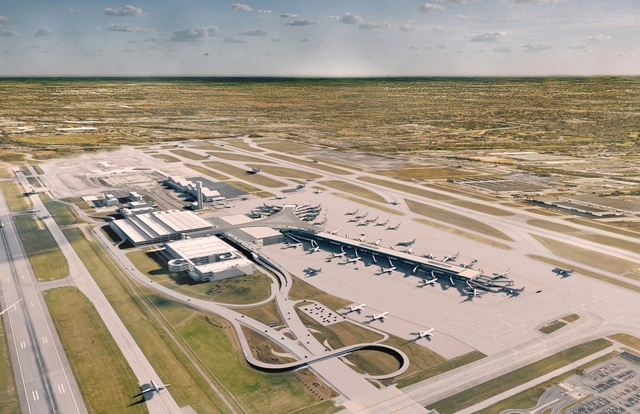
As the fastest-growing metropolitan city in the Midwest region, Columbus is situated amidst Central Ohio’s exciting blend of infrastructure and natural landscape. Columbus and its surroundings are currently undergoing a significant phase of cultural expansion and anticipate a population surpassing 3 million by 2050. In collaboration with Columbus-based Moody Nolan, Gensler has just revealed their design for the new terminal at John Glenn Columbus International Airport in Ohio, a facility to grow the city and support it in reaching these goals of expansion.

Gensler and Moody Nolan Reveal Ohio's New Airport Terminal - Image 1 of 4Gensler and Moody Nolan Reveal Ohio's New Airport Terminal - Image 2 of 4Gensler and Moody Nolan Reveal Ohio's New Airport Terminal - Image 3 of 4Gensler and Moody Nolan Reveal Ohio's New Airport Terminal - Image 4 of 4Gensler and Moody Nolan Reveal Ohio's New Airport Terminal - More Images

Airspace Architecture: Rethinking the Hangar

Subscriber Access | 

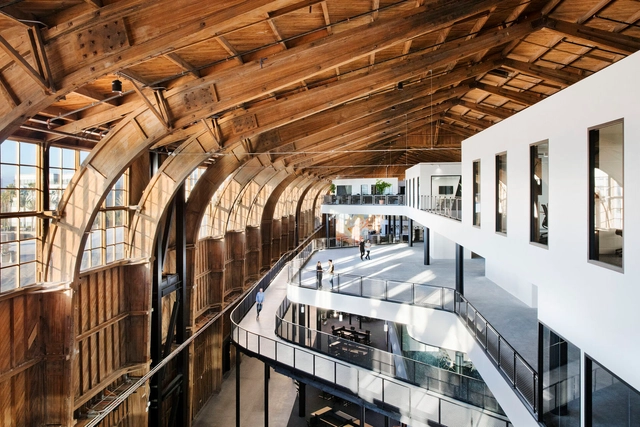
Hangar architecture is a relatively new building type. Ever since the Wright brothers stored and repaired their aircraft in a wooden hangar constructed in 1902, designers and builders have continued to rethink what these structures can be. Beyond actual airports and terminals, hangars are unique in that they're purpose-built to hold an aircraft or spacecraft. Today, how can this building type be challenged and reimagined?

Airspace Architecture: Rethinking the Hangar - Image 1 of 4Airspace Architecture: Rethinking the Hangar - Image 2 of 4Airspace Architecture: Rethinking the Hangar - Image 3 of 4Airspace Architecture: Rethinking the Hangar - Image 4 of 4Airspace Architecture: Rethinking the Hangar - More Images+ 11

When Architecture Took Flight in the Golden Age of Aviation

Subscriber Access | 
When Architecture Took Flight in the Golden Age of Aviation - Featured Image
TWA Illustration. Image © Public domain, via Wikimedia Commons

When the first commercial planes took flight, so did architecture. Like many other moments of technological advancement, the fascination with soaring through the skies heavily influenced the design movements of the last fifty years- not only in terms of how we design airports and think about the airline passenger experience, but the aesthetics of aviation and how the fabrics, textures, and high-end details would influence our lives on the ground.

Ground Control: Aviation Architecture Beyond the Airport

Subscriber Access | 

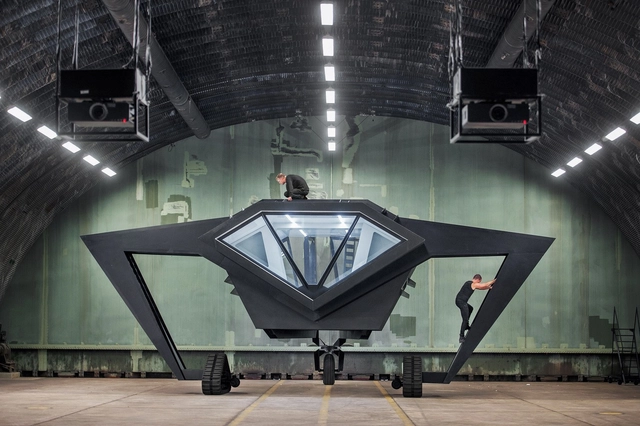
Aviation architecture has radically transformed. While airports themselves have grown to accommodate countless programs and increasingly higher traffic volumes each year, modern building projects are going beyond this familiar typology to explore the nature of hangars, airfield taxonomy and reuse. While airports have really only emerged within the last century, aviation has captured the imagination of designers for centuries. Today, contemporary aviation designs are being conceptualized as explorative and creative works.

Ground Control: Aviation Architecture Beyond the Airport - Image 1 of 4Ground Control: Aviation Architecture Beyond the Airport - Image 2 of 4Ground Control: Aviation Architecture Beyond the Airport - Image 3 of 4Ground Control: Aviation Architecture Beyond the Airport - Image 4 of 4Ground Control: Aviation Architecture Beyond the Airport - More Images+ 6

How New York City's Architecture Has Responded to National Emergencies over the Last 20 Years

New York City is the pinnacle hybrid between the vibrant and granular neighborhoods that Jane Jacobs once envisioned and the sweeping urban innovations of Robert Moses. However, its diverse population has experienced hardship over the last twenty years, forcing the city into a recursive wave of self-reflection to reevaluate the urban strategies, design trends, and global transportation methods that it had grown so accustomed to. After the September 11th and Hurricane Sandy tragedies, the delicate balance between promoting a sense of individual culture and the strength in unity that New Yorkers are so often known for served as the lifeblood for revitalization. New York City has consistently handled adversity, by always rethinking, redesigning, and rebuilding this city for a better future.

Lockdown: Airlines Grounded as COVID-19 Transforms Aviation

Subscriber Access | 

The COVID-19 pandemic has transformed how we travel and come together. As streets and buildings became empty and people practice social distancing, so too have airports experienced a tremendous decline in passengers and flights. As the aviation industry shaped globalization, it has also contributed to how quickly the disease spread. In a new aerial series, photographer Tom Hegen explores the pandemic's impact on aviation from above.

Lockdown: Airlines Grounded as COVID-19 Transforms Aviation - Image 1 of 4Lockdown: Airlines Grounded as COVID-19 Transforms Aviation - Image 2 of 4Lockdown: Airlines Grounded as COVID-19 Transforms Aviation - Image 3 of 4Lockdown: Airlines Grounded as COVID-19 Transforms Aviation - Image 4 of 4Lockdown: Airlines Grounded as COVID-19 Transforms Aviation - More Images+ 18

Rwanda’s Bugesera International Airport to Set Records for Sustainability

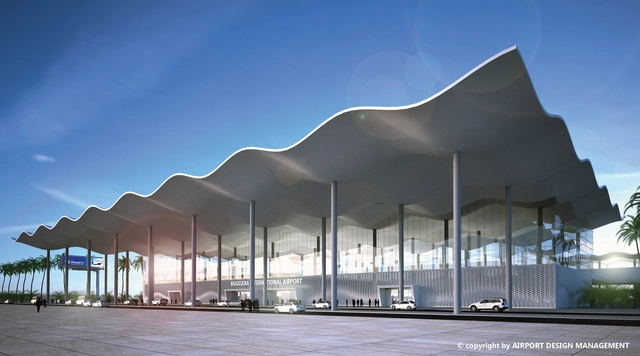
Rwanda’s largest publicly funded project, Bugesera International Airport is on track to be the first certified green building in the region. A few pieces of this net zero emission complex include: a 30,000 square metre passenger terminal, 22 check-in counters, ten gates, and six passenger boarding bridges. Funded by Public Private Partnership, the project is cost estimated at $414 million USD. The international hub was only one of several initiatives discussed by the Africa Green Growth Forum (AGGF) in Kigali at the end of last year.