-
Architects: en-route-architecture
- Area: 200 m²
- Year: 2020
-
Manufacturers: AutoDesk, Ceramica Vogue, McNeel
-
Professionals: ConAP EE, ISpecs, Xionas Metallic Constructions, Petridis Lighting, LUUN, +1


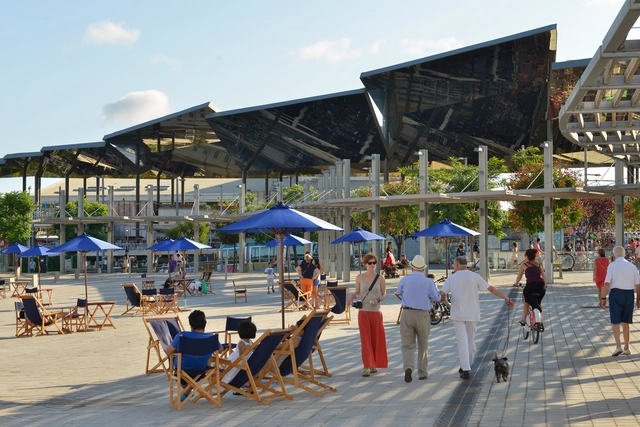
Cities across the Northern Hemisphere are preparing for the upcoming summer months, which are expected to be warmer and drier than average. The European Center for Medium-Range Weather Forecasts warns about temperatures rising above the norm in central and southern Europe this summer. Similarly, the forecast for the Unites States predicts hotter weather and below-average rainfall likely to fuel a megadrought. This poses threats for citizens, especially in larger cities, where heat-absorbing asphalt and waste heat generated by energy use create a “heat-island” effect. It translates to temperatures being up to 10°F (5.6°C) warmer in cities compared to the surrounding natural areas.

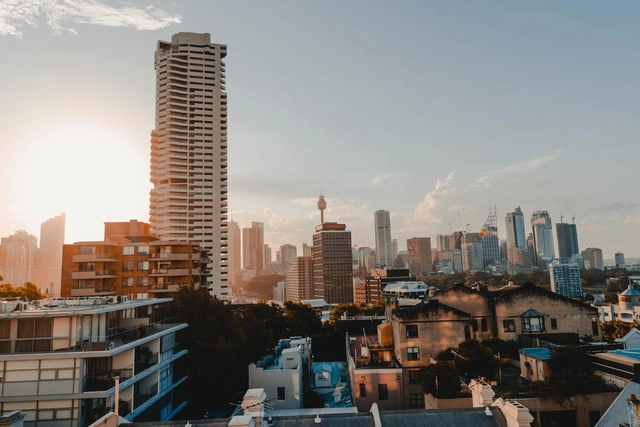
Prolonged heatwaves have been increasingly common in recent years, and cities are devising various strategies for combating the urban heat island effect. As Sydney experienced blistering summer temperatures of up to 50 degrees Celsius, the authorities have recently banned dark roofs on new homes and mandated lighter-coloured alternatives to reflect solar radiation. In Europe, Athens has taken the example of Miami and hired a Chief Heat Officer, tasked with finding coping strategies as the city confronts with heatwaves and wildfires that prompted a large number of residents to vacate the capital.





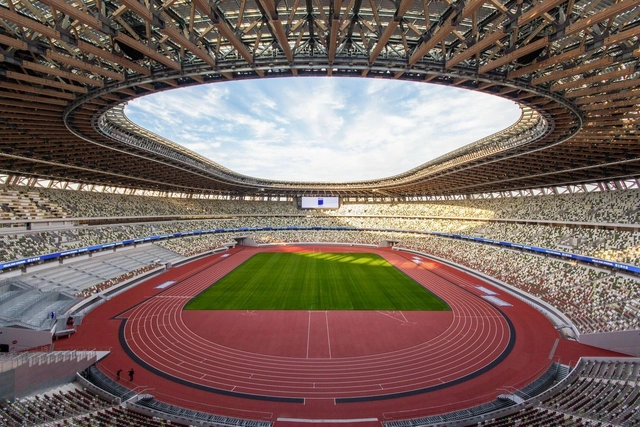
Since their inception in 1896, modern-day Olympics have been regarded by hosting cities as an opportunity to project to the world a specific image of themselves, to subsidize large infrastructure projects, or to rapidly unfold redevelopment schemes. Past the frequently discussed eye-catching stadiums, there is a complex story of Olympic urbanism, which encompasses the large scale developments catalyzed by the event. Exploring the urban and architectural legacy of the Games, the success stories, the white elephants, and the administrative agendas, the following discusses what the Olympics leave behind in the hosting cities.

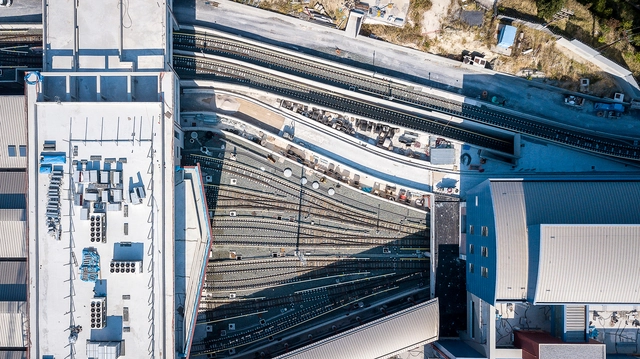
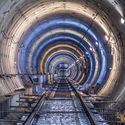
With the recent completion of several new stations and tunnels, the Athens underground metro expansion and the development of the Thessaloniki Metro system are on a set course to completion in Greece. The construction of a direct connection between the Athens airport and the Piraeus harbour, as well as the development of Thessaloniki’s first metro line, are underway, and images by photographer Pygmalion Karatzas show the new underground infrastructure coming together in the two Greek cities.
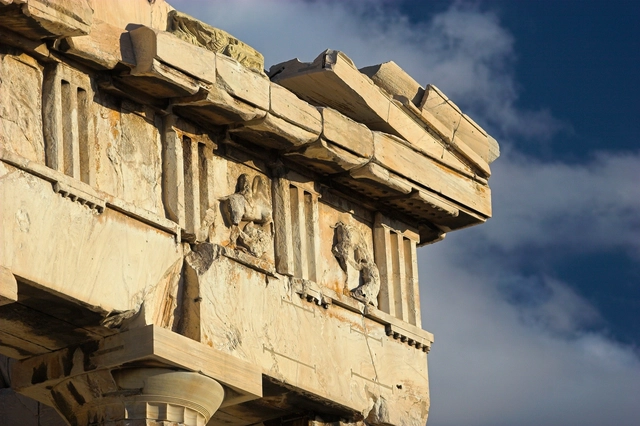
The Parthenon, unquestionably the most iconic of the Ancient Greeks' Doric temples, was built between 447 and 432 BC. Located on the Acropolis in Athens, for many architects, it is one of the first buildings we analyzed when beginning our studies. Designed by Ictino and Calícrates, it displays a unique repertoire of architectural elements that can be fully appreciated individually, or for the role they play in forming a complete and magnificent whole.
Simply described, the 69.5 x 30.9-meter building is erected on a stylobate of three steps, with a gabled roof raised upon a post and lintel structure formed by Doric columns—17 on its sides and 8 on each end—which support an entablature composed of an architrave, a frieze, and a cornice. On each gable were triangular pediments with sculptures that represent the "Birth of Athena" on the East and the "Contest Between Athena and Poseidon" on the West.
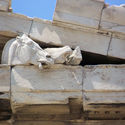
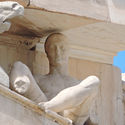
Take a look at some of these elements in detail, through this set of high-resolution images.
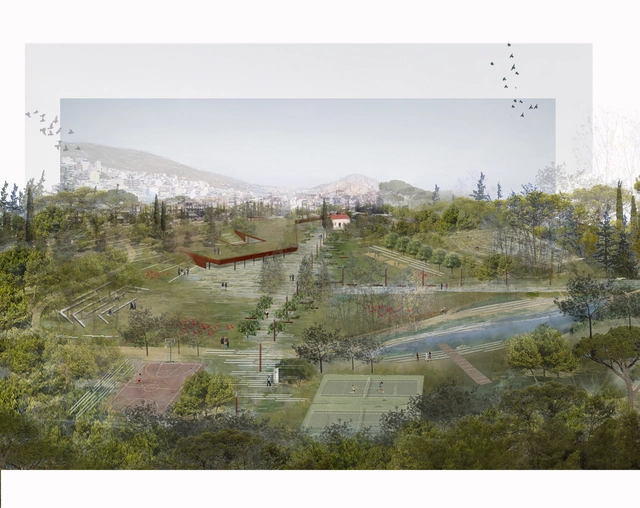
A competition for the transformation of a former cemetery in Nikea, just west of central Athens, has been won by Greek firm Topio7, with a proposal that creates a revitalized public park as a result of “a mutual osmosis between the park and the city”. A number of green buffer zones – “the elastic limit” – are utilized to frame a procession-like journey from the bustle of the city to the calm of the park’s landscape.
Highlighting the importance of the site’s previous use, the architects explain that the “main objective of the project is the creation of an open, accessible public space, a contemporary urban park with ecological-bioclimatic character, with special emphasis on the social dimension and the site’s memory.”