1. ArchDaily
  2. Atacama Desert

Atacama Desert: The Latest Architecture and News

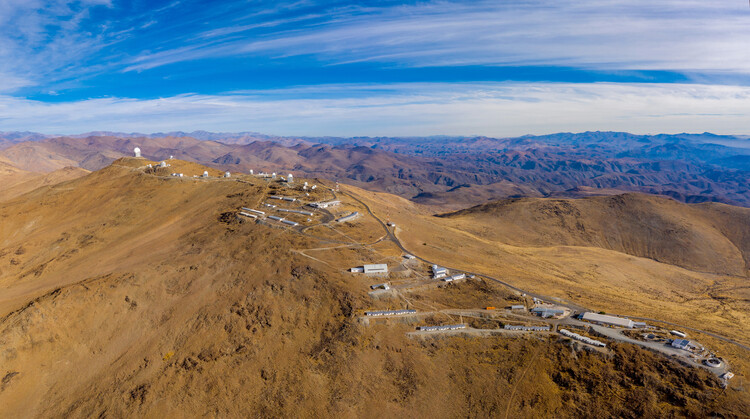
Mapping the Technosphere: Architecture as an Interface Between Systems and Territories

Architecture can no longer be conceived as an isolated object, detached from the technical networks that sustain contemporary life — a condition that calls for new readings and approaches. It is within this context that, in March, ArchDaily’s monthly theme focused on The Technosphere, a topic both broad and inherently complex. Drawing on the concept of the technosphere, coined by geoscientist Peter Haff to describe the totality of human-made artifacts, a landscape emerges in which contemporary life is deeply intertwined with machines, data, and energy networks.

Mapping the Technosphere: Architecture as an Interface Between Systems and Territories - Image 1 of 4Mapping the Technosphere: Architecture as an Interface Between Systems and Territories - Image 2 of 4Mapping the Technosphere: Architecture as an Interface Between Systems and Territories - Image 3 of 4Mapping the Technosphere: Architecture as an Interface Between Systems and Territories - Image 4 of 4Mapping the Technosphere: Architecture as an Interface Between Systems and Territories - More Images+ 11

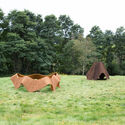
Salt as a Building Material: Rethinking the Life of Minerals and Waste in Architecture with Mále Uribe

In response to today's environmental, political, economic, and social challenges, material experimentation in architecture invites us to recognize the importance of researching and analyzing the properties of construction elements, and to understand the role of spatial design and its immediate surroundings. While various textiles, plastics, and even waste from different sources are being recycled and given a new life, the debate around the use of salt as a building material encourages the development of more sustainable practices to reduce the industry’s impact on the environment, as well as to explore the renewed life of discarded minerals and mining waste for implementation in architecture.

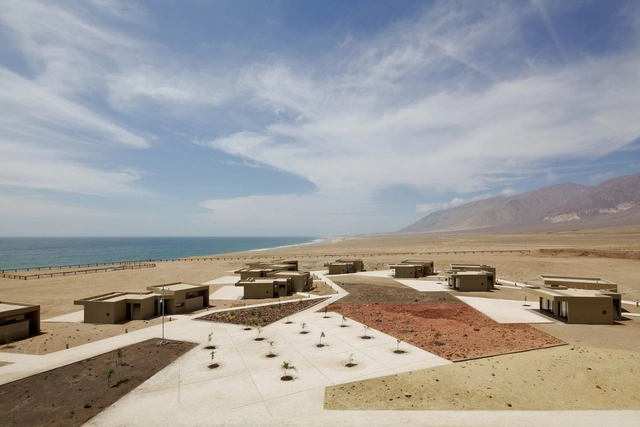
Comfort and Seclusion: 5 Hotels in the Deserts of Latin America

Subscriber Access | 

The desert is a landscape in constant transformation. Shaped by the wind, its dunes, ridges, and fissures emerge and fade in an ever-shifting expanse, as if the scenery itself were alive. It is a land of stark contrasts, where the scorching heat of the day gives way to the crisp coolness of the night, revealing nature in its most primal form. In such a dynamic and untamed environment, how can architecture not only integrate but also respect and engage with its surroundings? This is the challenge faced by hotels built within Latin America’s vast desert landscapes.

Comfort and Seclusion: 5 Hotels in the Deserts of Latin America - Image 1 of 4Comfort and Seclusion: 5 Hotels in the Deserts of Latin America - Image 2 of 4Comfort and Seclusion: 5 Hotels in the Deserts of Latin America - Image 3 of 4Comfort and Seclusion: 5 Hotels in the Deserts of Latin America - Image 4 of 4Comfort and Seclusion: 5 Hotels in the Deserts of Latin America - More Images+ 7