1. ArchDaily
  2. Arquitetura efêmera

Arquitetura efêmera: The Latest Architecture and News

Belonging to the Earth: Architecture in the Worldviews of Indigenous Peoples of Latin America

Audio available

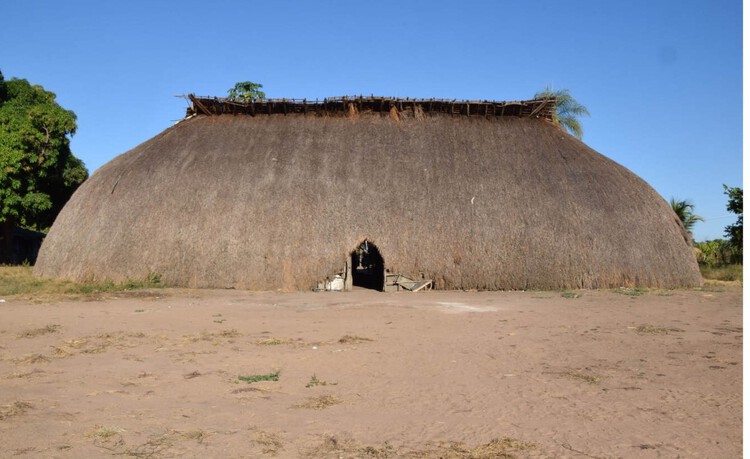
Anyone expecting the following words to discuss materiality, sustainable construction techniques, woodworking methods, or ways of weaving thatch will be mistaken. This article seeks precisely to shift the focus beyond the aspects that so often define discussions about Indigenous cultures when the subject is "architecture."

In a universe where the very term "architecture" is foreign, approaching Indigenous constructions—or whatever word might best describe them—through an exclusively material or technological lens is itself an attempt to fit their ways of producing space into Western categories. In doing so, a complex cosmology is reduced to a set of measurable attributes, as if it could be transformed into a checklist applicable to any form of architecture, erasing precisely what makes it distinct: the relationships between territory, body, and memory.
Belonging to the Earth: Architecture in the Worldviews of Indigenous Peoples of Latin America - 1 的图像 4Belonging to the Earth: Architecture in the Worldviews of Indigenous Peoples of Latin America - 2 的图像 4Belonging to the Earth: Architecture in the Worldviews of Indigenous Peoples of Latin America - 3 的图像 4Belonging to the Earth: Architecture in the Worldviews of Indigenous Peoples of Latin America - 4 的图像 4Belonging to the Earth: Architecture in the Worldviews of Indigenous Peoples of Latin America - More Images+ 2

Beyond the Stage: Urban Impacts of Mega Concerts

Subscriber Access | 

When internationally acclaimed music icons like Beyoncé, Taylor Swift, and Paul McCartney announce their global tours, the anticipation sparked by revealing the countries and respective host cities is met with thorough preparations. These preparations aim to adapt to the array of changes that will unfold in the urban spaces of these cities due to the impact of these events. These mega-concerts extend beyond the musical realm; they transcend the stage to mobilize significant financial figures and result in various transformations in the everyday urban life of these cities. Even though these events do not last long, they instigate alterations in diverse spheres and urban sectors, including tourism, hospitality, food, and transportation.