1. ArchDaily
  2. Architecture Startups

Architecture Startups: The Latest Architecture and News

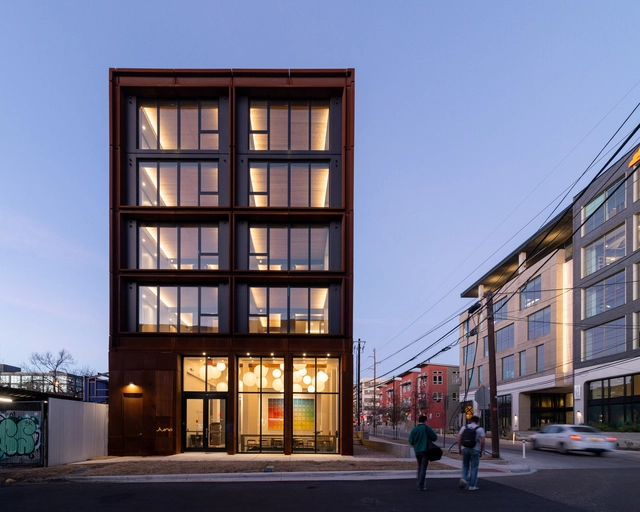
Architecture as a Product: What Makes a Building Worth Repeating?

Architecture praxis has traditionally focused on customized, project-based services – a well-established model continually favored by industry professionals. While this approach yields remarkable built environments, it struggles to achieve scalability and longevity. The architectural industry has shown little interest in exploring alternative practices, processes and business models, considering that the traditional mode is equally vulnerable to market cycles as other industries are. Bespoke design solutions, the cornerstone of conventional practice, make standardizing processes and scaling services challenging. This focus also leads to fragmented workflows among firms and stakeholders. The stability and establishment of traditional practices can breed a risk-averse culture, hampering disruptive innovations within the industry.

Architecture as a Product: What Makes a Building Worth Repeating? - Image 1 of 4Architecture as a Product: What Makes a Building Worth Repeating? - Image 2 of 4Architecture as a Product: What Makes a Building Worth Repeating? - Image 3 of 4Architecture as a Product: What Makes a Building Worth Repeating? - Image 4 of 4Architecture as a Product: What Makes a Building Worth Repeating? - More Images+ 2

The Potential of Architects in Entrepreneurship

In today’s globalised, ever-evolving world, the architectural field continues to re-invent itself. Innovation has seen the emergence of new building technologies and new methods of communicating with clients, however, in some ways, a large majority of the architecture industry is still outdated – architects relying on client fees received from projects to run their architecture firms. Perhaps as a consequence of the emergence of start-ups in the technology sector, and the increased competitiveness of the global economy, architects have more recently chosen not to confine themselves to within the world of architecture and use their unique skill-sets and abilities in entrepreneurial ways.

ArchDaily Selects the Best New Practices of 2023

Subscriber Access | 

25 practices, sole practitioners, and startups from 5 continents and 18 countries have been chosen as part of the 2023 New Practices, the latest edition of the global annual survey by ArchDaily. Ongoing since 2020, the review detects and showcases those who are taking architecture in its new direction under unstable times and demanding challenges.

ArchDaily's New Practices has invited not only designers to apply but those practicing within the broadest definition of architecture and its exercise to share their innovative, fresh, and forward-thinking mission with us. As a result, the 2023 edition features designers, landscape architects, researchers, curators, activists, writers, and three ground-breaking startups—the modular construction U-Build, Urban Beta with their Beta Port building system, and the "Google Doc of Space Design" Rayon—thus joining previously highlighted firms: AEC-industry-oriented management software Monograph, energy transition startup Baupal, online design platform and marketplace CANOA, and 3D-printed housing company ICON.

Going Against the Grain: Firms Disrupting the Status Quo

Subscriber Access | 

Architecture is a long-standing profession, one that has produced the iconic landmarks we admire around the world, monuments which we revere around the world, and played a part in establishing the organisation of the cities we live in today. This description, however, is architecture in the traditional sense - and there are numerous examples of individuals and firms who have strayed away from traditional architectural practice, either through delving into adjacent fields or 'disrupting' the field with the harnessing of new technologies.

Going Against the Grain: Firms Disrupting the Status Quo - Image 1 of 4Going Against the Grain: Firms Disrupting the Status Quo - Image 2 of 4Going Against the Grain: Firms Disrupting the Status Quo - Image 3 of 4Going Against the Grain: Firms Disrupting the Status Quo - Image 4 of 4Going Against the Grain: Firms Disrupting the Status Quo - More Images+ 7

From the Grassroots Up: How We Can Transform the Future of Cities One Startup at a Time

Subscriber Access | 

More than 55% of the world’s population lives in cities, with that number only expected to increase in the coming decades. Despite the rising population in urban areas, local governments continue to raise flags about inadequate infrastructure and the declining quality of life that cities are facing. Perhaps the large scale problems that we typically categorize as urban innovation, inclusion, and infrastructure, can be solved if we get to the root of the smaller troubles, that we may not even know existed. It’s time to take urban issues off the back burner and improve cities not just for today, but for the long term future.

Higharc Startup Aims to Automate Home Design

Stealth-stage startup Higharc has begun rethinking how new homes are designed and built without hiring an architect. Founded to reinvent new home design for the digital age, the company aims to make custom-fit homes accessible to anyone by automating home design and customization online. Taking on pre-made plans, the team wants to bring design back to housing options and make customization more accessible.

Higharc Startup Aims to Automate Home Design - Featured ImageHigharc Startup Aims to Automate Home Design - Image 1 of 4Higharc Startup Aims to Automate Home Design - Image 2 of 4Higharc Startup Aims to Automate Home Design - Image 3 of 4Higharc Startup Aims to Automate Home Design - More Images

Boston Startup Spaceus Brings Pop-Up Energy to Vacant Storefronts

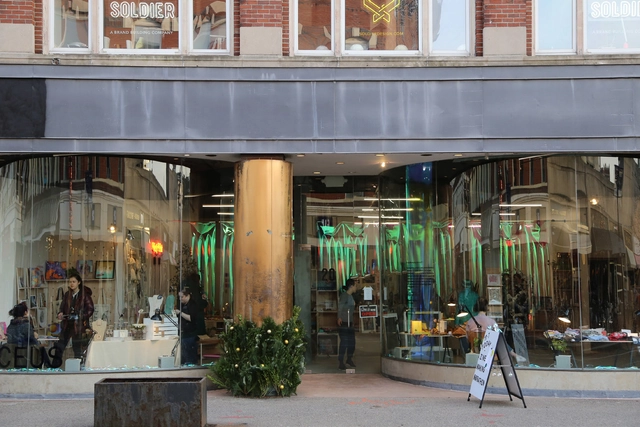
As retail moves evermore online, vacant storefronts have become ubiquitous sights in American cities and towns. Often located in formerly prime downtown real estate, the darkened windows have a knock-on effect, sapping urban vibrancy and sometimes falling into disrepair. Discourse surrounding the predicament of dead malls and traditional retail space is ongoing, but a one-size fits-all solution clearly isn't the answer here.

Boston Startup Spaceus Brings Pop-Up Energy to Vacant Storefronts - Image 1 of 4Boston Startup Spaceus Brings Pop-Up Energy to Vacant Storefronts - Image 2 of 4Boston Startup Spaceus Brings Pop-Up Energy to Vacant Storefronts - Image 3 of 4Boston Startup Spaceus Brings Pop-Up Energy to Vacant Storefronts - Image 4 of 4Boston Startup Spaceus Brings Pop-Up Energy to Vacant Storefronts - More Images+ 5

LA Startup Raises $30 Million to Reimagine How Millennials Live Today

Los Angeles-based startup Fernish has raised $30 million to transform the $100 billion dollar furniture industry and rethink how people live today. The platform-based furniture subscription service allows users to subscribe to an entire room or specific pieces, and they can provide a range of curated designer collections. With trends around mobility and ownership, Fernish was designed for the 25 million young professionals renting their homes and planning to move within the next 12 months.

LA Startup Raises $30 Million to Reimagine How Millennials Live Today - Image 1 of 4LA Startup Raises $30 Million to Reimagine How Millennials Live Today - Image 2 of 4LA Startup Raises $30 Million to Reimagine How Millennials Live Today - Image 3 of 4LA Startup Raises $30 Million to Reimagine How Millennials Live Today - Image 4 of 4LA Startup Raises $30 Million to Reimagine How Millennials Live Today - More Images

Why Architects are Super Well-Suited for Startups

Subscriber Access | 

This article was originally published by Jude Fulton on Medium under the title "Why Architects are Super Well-Suited for Startups". You can see the original post here.

Starting Your Own Practice: The Challenges and Rewards, According to ArchDaily Readers

Subscriber Access | 

Architecture is in some ways a paradoxical profession. On one hand, it projects a popular image of the lone, creative genius, taking control over all aspects of a building project and forming them to their creative ideals. But in reality, most projects take a huge team of people, all working together to produce a building which usually represents the creative input of not only many different people, but many professions too.

One way to find a balance between these two extremes is to take more creative control over the decisions of the group - in other words, to start your own practice, guided by your creative input alone. But is that goal worth the difficulty it might take to get there? This was the question we had in mind when we asked our readers to let us know the pros and cons of starting your own firm last month. Interestingly, not a single commenter left any response about the joys of working for someone else, and the consensus was firmly that running your own practice is preferable - provided you can deal with the significant problems of doing so. Read on to find out what they had to say.