First Prize: The Urban Lighthouse / Michele Busiri-Vici, Clementina Ruggieri, Matteo Biasiolo, Pino Pavese; Space4Architecture. Image Courtesy of Bee Breeders
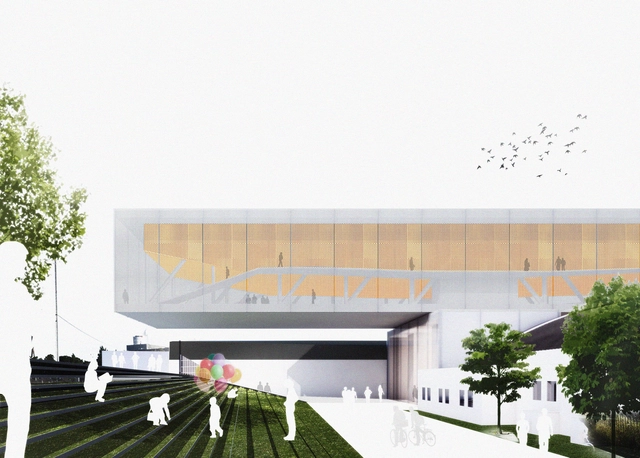
The winning entries to the Kip Island Auditorium competition have been announced by Bee Breeders, which invited proposals for the addition of a new iconic auditorium addition to the Riga International Convention Centre, in Latvia’s capital. The competition asked for alternative approaches to the design of public and civic facilities, while “reinvesting an estranged program in the urban landscape."
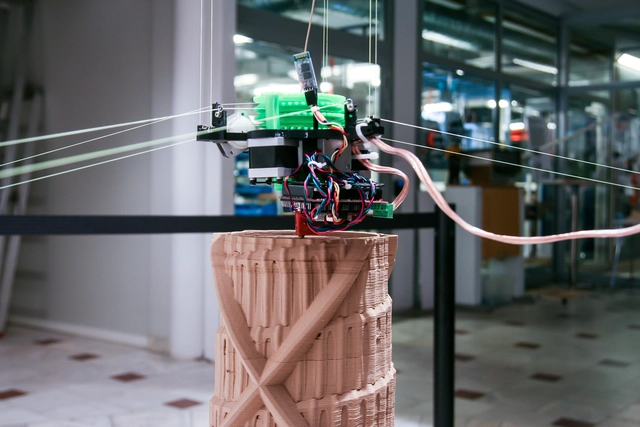
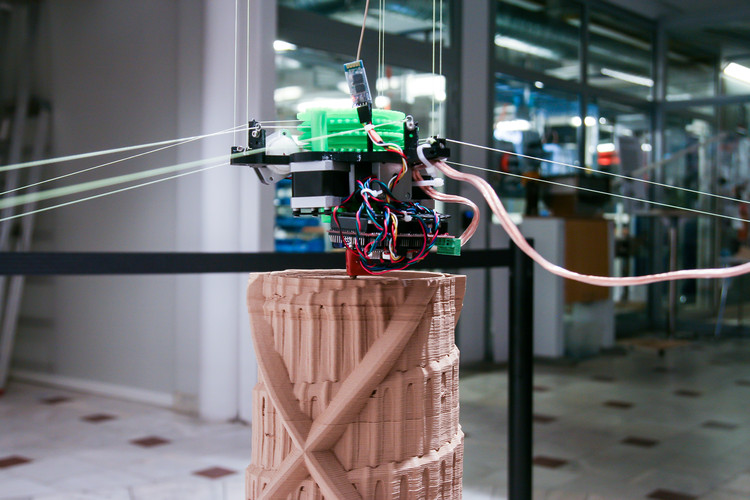
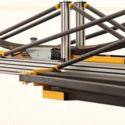
Sliperiet, Umeå Arts Campus has developed a new type of 3D printer that features increased printing flexibility at a lower cost. Called Hangprinter. The system is suspended by a series of thin fishing lines, it does not require a frame or rails, but rather, it can be attached to any stable surface, for instance, a ceiling.
As a part of the +Project innovation initiative, the Hangprinter is in the process of making a “Tower of Babel,” a project that currently measures almost three-and-a-half meters tall, making it the tallest object the system has made, as well as “much taller than the scope of any commercially available large format printer.”
Invented by Torbjørn Ludvigsen, who began the project while a student at Umeå University, the Hangprinter’s design was originally formulated to reduce costs. “The frame or box was almost half the cost of the final 3D printer, and I thought I could do without it,” said Ludvigsen. Hangprinter can be put together for about 200 Euros.
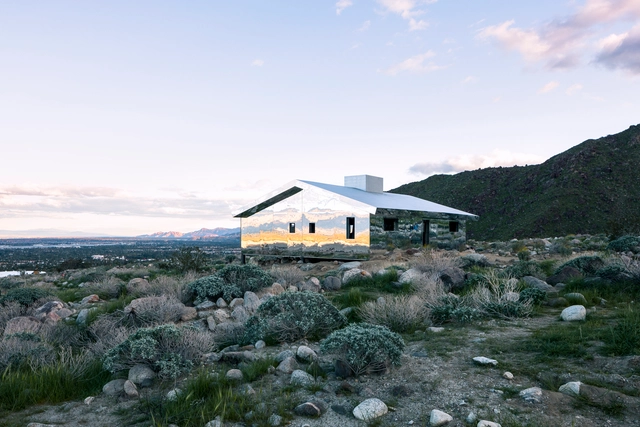
Marrying the great expanses of the American west with a series of mirrored faces, MIRAGE is an installation situated in the Southern California desert and the work of Doug Aitken, an American artist, and filmmaker. An experimental adaptation of the traditional suburban ranch-style house, the sculpture hones in on architecture’s relationship with its landscape, manifesting itself as a life-sized kaleidoscope.
The California Ranch Style house was first designed by a small collective of architects in the 1920s and 30s, inspired by the spatial fluidity of Frank Lloyd Wright’s work and melded with the local single storey homes that belonged to ranchers. Following the Second World War, the simplicity of this housing typology resulted in its quick rise in popularity, adopted by commercial builders to match the rapid urbanization of the American countryside.
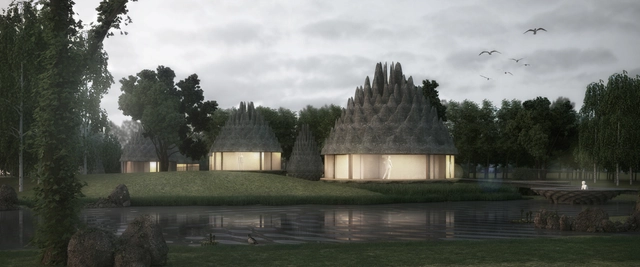
Focussing on prefabricated and sustainable means of construction, Italian practices 3GATTI Architecture Studio and OFL Architecture have envisioned an airy forest resort and spa in the historical region of Kurzeme, Latvia. The Pinecones Resort does its name justice by the spiky cone-like units that inhabit the site, made possible through the use of an inflatable roof constructed from ETFE, a lightweight polymer film.
ETFE, or Ethylene Tetra Fluoro Ethylene, is the most extensively used material for inflatable roofing. Being 100% recyclable and having a minimal carbon footprint in terms of transportation and installation, the material is highly sustainable and in the case of this particular project, offers flexible and dynamic building forms.
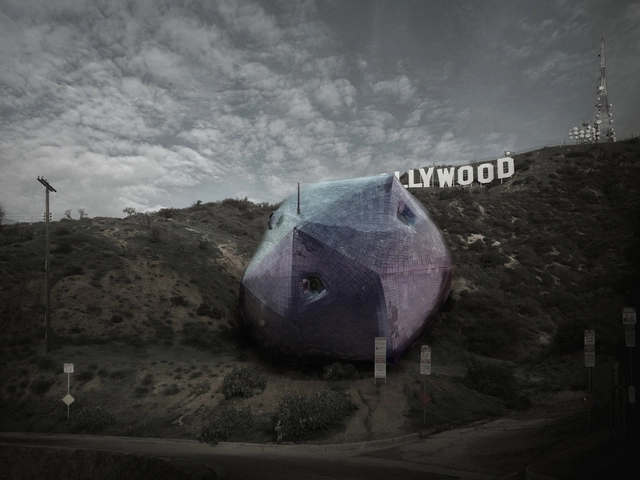
First Place: Ambivalent House / Hirsuta (Jason Payne, Michael Zimmerman, Joseph Giampietro, Ryosuke Imaeda); Los Angeles, California, USA. Image Courtesy of arch out loud
Architectural research initiative arch out loud, in partnership with Last House on Mulholland (LHOM), has released the winner of their competition to design a house of the future, to be sited directly below the Hollywood Sign.
Serving as a “design charette” to generate ideas about potential uses for the currently open site, the competition called for residential designs that demonstrate the use of innovative technology and integrative environmental strategies, while capitalizing on the prominence of the site.
The Hollywood competition received entries from 500 designers across the world, selecting three winners, with an additional owner’s choice.
The winners of the Hollywood design competition are:
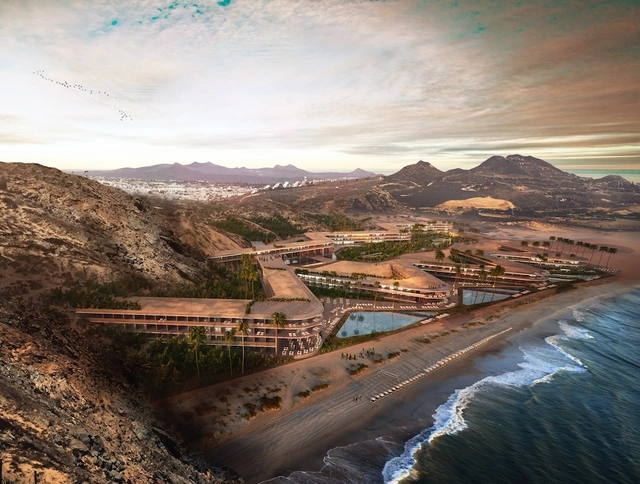
Sordo Madaleno Arquitectos (SMA) has revealed their recent competition proposal for St Regis Los Cabos, a 12.4-hectare hotel and residential project on the southern tip of the Gulf of California in Mexico, bordering the Pacific Ocean.
In response to the site’s natural conditions—vast area, views, and exposure to predominant winds—the project’s volumetric design focuses on the use of camouflaged materials, terraces, and methods to provide shelter from the wind, all of which creates two parallel undulating forms at the edge of the beach.
The hotel and its amenities will be aligned with the east side of the complex, such that they achieve a layout with as many rooms as possible with direct views of the Pacific Ocean that rotate to ensure privacy.
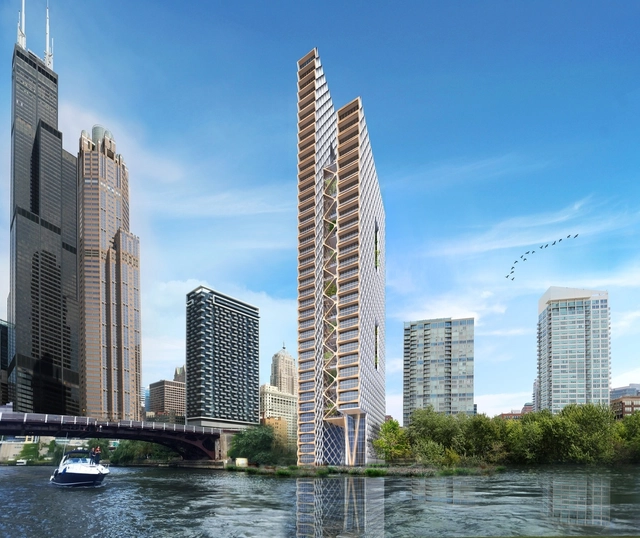
A new piece of bipartisan legislation has been tabled by The United States Senate and House of Representatives named the Timber Innovation Act. The bills were put forward to further the development of tall timber buildings in the US, thereby supporting the nation’s considerable timber market and the rural manufacturing jobs it entails.
“The United States has an opportunity to bring new, sustainable mass timber technology to our construction industry, and the Timber Innovation Actdirects technical assistance and research components already in place,” said Robert Glowinski, President and CEO of the American Wood Council (AWC).
https://www.archdaily.com/866841/new-timber-innovation-act-advocates-for-nationwide-timber-construction-in-the-united-statesOsman Bari
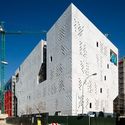
CBack in 2006, the team of Mecanoo and Ayesa placed first in an international competition with its winning proposal for a perforated courthouse in Córdoba, combining the area’s historical character with a modern twist. Now, after almost a decade, the Palace of Justice is set for completion later this year, having broken ground in 2015.
Inspired by Córdoba’sMoorish origins, the design balances a contemporary concrete mass with traditional exterior courtyard spaces; a reflection of the plan of the old city. These are faced by colored ceramic tiles, which break the façade’s uniformity.
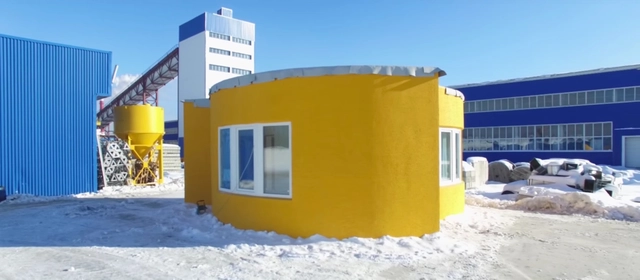
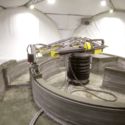
In recent times, 3D printing technology has made some great strides in its production content and quality, and now it has successfully printed the world’s first liveable house in Stupino, Russia. Responsible for this feat are San Francisco 3D printing startup Apis Cor, and Russian real estate developer PIK, who began the project in December of last year.
“Now we can say with confidence that with Apis Cor solution, the construction 3D printing has leaped to a new evolutionary stage,” said the project team. “The company and its partners are confident that the house in Stupino was the first step that can convince the world that 3D technology in the construction market is a reality.”
Serving as a new academic hub at the heart of the Morningside Heights campus, the 128,000-square-foot building will house a “new kind of library that incorporates technologies and learning spaces in an interactive setting and creates an inviting environment that benefits from green spaces.”
KAAN Architecten has been commissioned for the renovation and expansion of one of the Netherlands’ most renowned museums, the Paleis Het Loo. Responding to evolving purposes, the project scope involves the restoration and development of over 5,000 square meters of new space, including the House of Orange, the Junior Palace, and a temporary exhibition hall.
“The design, inspired by the layout and proportions of the Corps de Logis of Paleis Het Loo, incorporates all required facilities and spaces while expressing a grandeur fitting for one of the Netherlands’ most popular and visited museums,” announced the firm.
Emphasizing a diverse combination of ecological, infrastructural and urban programs in their envisioned design, Istanbul and Madrid-based design practice Openact Architecture has been named the winner of the Bandirma Park Competition, which invited ideas to “introduce Bandirma to the world."
Titled ‘A Path of the Fields’, the winning proposal presents a layered approach to the revitalisation of a former military and industrial brownfield in the industrial Turkish city of Bandirma.
The area is defined by Openact as both “an open, interactive, collective and productive focal point locally and regionally” and “an idea factory in the city of factories”, allowing for the exchange of ideas between the public and professionals. By centering the park around a Design and Research Institute, the intent is to create an environment that will strengthen Bandirma’s socio-economic standing, and offer a new hub for the city’s future, while seamlessly integrating into the natural ecological identity.
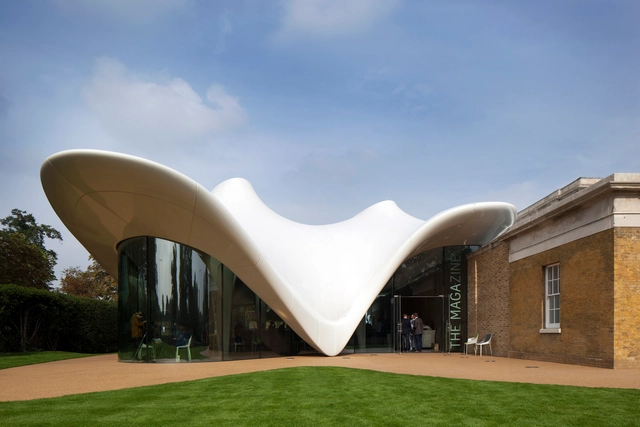
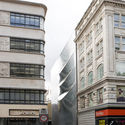
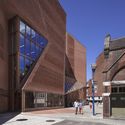
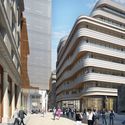
The City of Westminster, England has announced the shortlist for its first People’s Choice Award for the city’s best building from the past decade.
In an effort to engage the public in a debate about what makes a great building, the Westminster City Council asked a panel of architects, developers, councilors, and planners to shortlist 12 designs to be voted on by people who live and work in the city, as well as by visitors. Buildings for the shortlist were chosen based on its use of materials, purpose, and impact on the surrounding space.
"Brilliant architectural design should be recognized for all the fantastic benefits it can have in terms of health and wellbeing, sustainability, and the simple pleasure we all take from having such striking buildings lining our routes home, to shop and to work," said Cllr Robert Davis MBE DL, Deputy Leader of Westminster City Council. "The best people to ask about the impact these buildings have are those who see them day in, day out, and so I am delighted that we have been able to engage the public in a debate about what makes a great building and to promote design excellence."
The 12 shortlisted projects for the Westminster People’s Choice Awards are:
In the upcoming years, Dubai may become home to one of the world’s newest radical architectures—the first ever, rotating skyscraper. Designed by Dynamic Architecture’s Davis Fisher, the 80-story, 1,273-foot tower proposal features independent floors that can rotate 360 degrees in both directions, in order to provide more comprehensive views.
A static central core will connect the rotating floors together, each of which will be prefabricated off-site and attached to the tower afterward.
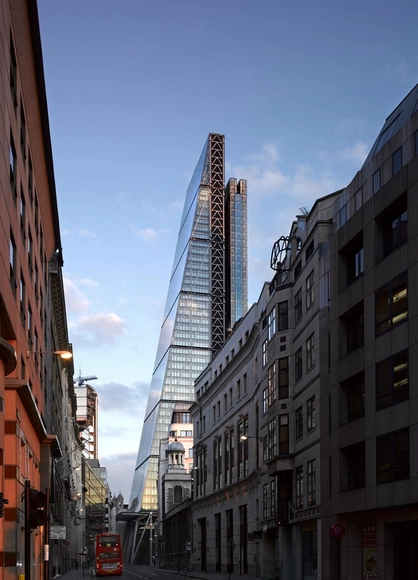
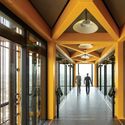
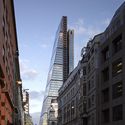
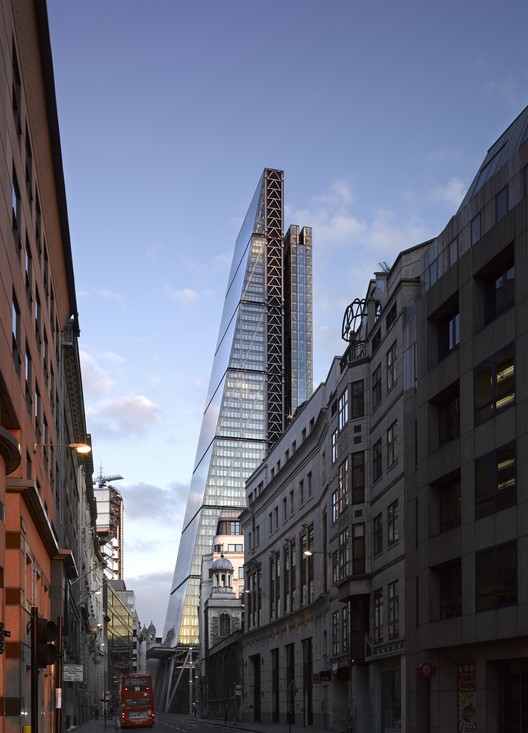
The Leadenhall Building, designed by Rogers Stirk Harbour + Partners, has been sold to a Chinese property magnate for a price of £1.15 billion, in what has become the second-biggest sale of a UK building in history, as well as one of China’s largest acquisitions of UK real estate. The transaction involved developer British Land and its partner Oxford Properties, who sold the tower to CC Land, a Hong Kong based company.
Tim Roberts, head of offices and residential at British Land, said: “British Land and Oxford Properties took a bold step at the early stages of the UK’s economic recovery to develop the Leadenhall Building to generate a high-quality, long-term income stream,” said Tim Roberts, head of offices and residential at British Land. “This sale shows continued investor appetite for best-in-class, well-located property in London.”
Benoy has released its latest designs for the China International Travel Service (CITS) Sanya Enot development scheme, which will be located on the reclaimed Hexin Island in Hainan, and is the second phase of a large-scale plan. Connected to the first phase of development by a pedestrian bridge, the project will be surrounded by the area’s luxury international hotels and natural attractions.
The 32,000-square-meter mixed-use, retail-led space features a “porous and multi-layered environment,” with clusters of small-scale buildings that will create a series of indoor and outdoor spaces for entertainment and retail programming. Buildings will be connected by a succession of elevated walkways and bridges.
Perkins+Will and the Healthy Building Network (HBN) have released their latest material health and performance white paper, Healthy Environments: Understanding Antimicrobial Ingredients in Building Materials.
According to the paper, antimicrobial building products “marketed as healthy or beneficial to human health contain ingredients that may have adverse environmental or human health impacts, and alternative products should be considered whenever possible.” Citing a lack of evidence that antimicrobial products prevent the spread of communicable diseases, the report highlights potential impacts like “super bugs,” contamination of aquatic ecosystems, and carcinogens.
Ten top highlights from the paper, concerning antimicrobial products, are:
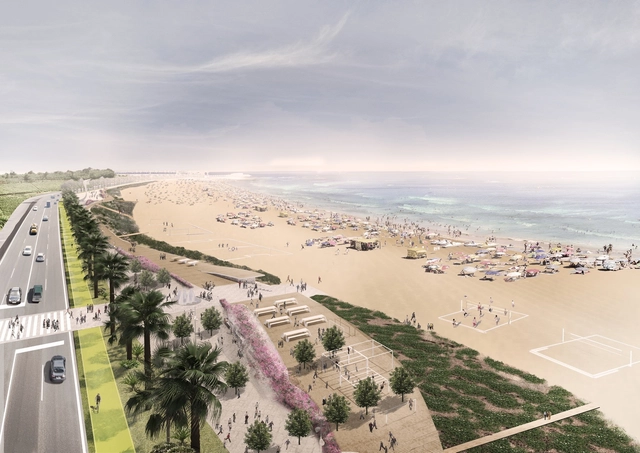
Quebec-based practice Lemay has won the global bid to redesign Morocco’sCasablanca Coast, which will include the new seaside promenade of the Hassan II Mosque and the Ain Diab corniche.
With modernity, sustainability, and innovation in mind, the urban and landscape design will promote mobility along the length of the corniche (a coastal, cliffside road) and aims to reinforce the appeal of the coast.
Launched in December, the project will feature an urban park and corniche along the El Hank embankment that will include rest areas, walkways, outdoor sports, and more. As an extension of the Hassan II Mosque, the promenade is expected to become a new Moroccan landmark.















.jpg?1488852741&format=webp&width=640&height=580)
.jpg?1488852874 "© Fernando Alda")
.jpg?1488852752 "© Fernando Alda")
.jpg?1488852864 "© Fernando Alda")
.jpg?1488852741)







DSDHA.jpg?1488946187 "South Molton Street Building / DSDHA. Image © DSDHA")

_LR.jpg?1488254837&format=webp&width=640&height=580)
_LR.jpg?1488254858 "Courtesy of Benoy")
_LR.jpg?1488254914 "Courtesy of Benoy")
_LR.jpg?1488254868 "Courtesy of Benoy")
_LR.jpg?1488254904 "Courtesy of Benoy")
_LR.jpg?1488254837)